

How the da Vinci Surgical Robot Came to Dominate Global Healthcare: From DARPA-Funded Origins to Market Monopoly

Stanford Research Institute—A Magical Place
Born for War
In August 2015, on the 11th anniversary of Google’s IPO, Wall Street conducted an interesting analysis. It identified U.S.-listed companies whose stock returns over the 11 years since Google’s listing had surpassed Google’s own return of 1,277%. Among nearly 6,000 U.S.-listed companies included in the analysis, only 13 achieved higher returns.Google, among which Intuitive Surgical delivered returns that far exceeded those of Google!
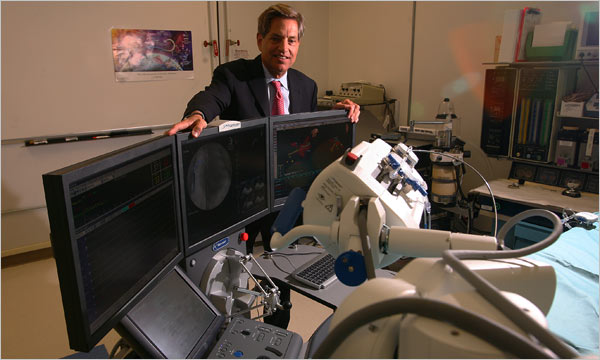
The technology behind the da Vinci Surgical System originated from SRI International, an institution with official government ties. In the late 1980s, a group of scientists at SRI International beganSurgical RobotThe original intention behind its research and development was to create a robot suitable for battlefield surgery.
In subsequent research, surgical robots attracted the attention of the U.S. Department of Defense, which was interested in systems that would allow physicians to perform surgery on soldiers remotely. This interest quickly translated into concrete action. In 1990, the project team received funding from the National Institutes of Health, with the expectation that they would rapidly develop a prototype suitable for practical use.
Path to Commercialization
In 1994, Dr. Frederic Moll took a keen interest in this system while working under Guidant’s director at SRI International. He repeatedly urged the commercialization of “Lenny” (the early da Vinci surgical robot) to maximize its value. However, few recognized this potential at the time, as most were preoccupied with making the technology appear more cutting-edge.
Consequently, Frederic Moll enlisted John Freund, who had just resigned from Acuson Corporation, and after multiple rounds of negotiations with SRI International, they successfully acquired the rights to the Lenny robot.Intellectual Property. Subsequently, it was established in 1995Intuitive Surgical Devices Inc(Intuitive Surgical) introduced venture capital from the very beginning, with investors including Field Fund, Sierra Leone Capital, and Morgan Stanley.
Later, several co-founders of the company, including Moll and Freund, had already left the company. The currentGuthartHe joined only in 1996, having previously worked at SRI International. Most of the other executives joined at a later stage. Among the current senior management, Board Chairman Lonnie Smith and CEO Guthart hold the largest equity stakes, with 1.15% and 0.93%, respectively.

Fourth-Generation Robots
The “da Vinci” surgical robot is named after the earliest prototype of a robot sketched by the painter Leonardo da Vinci 500 years ago. Later generations designed medical surgical robots based on this concept and named them “da Vinci.”
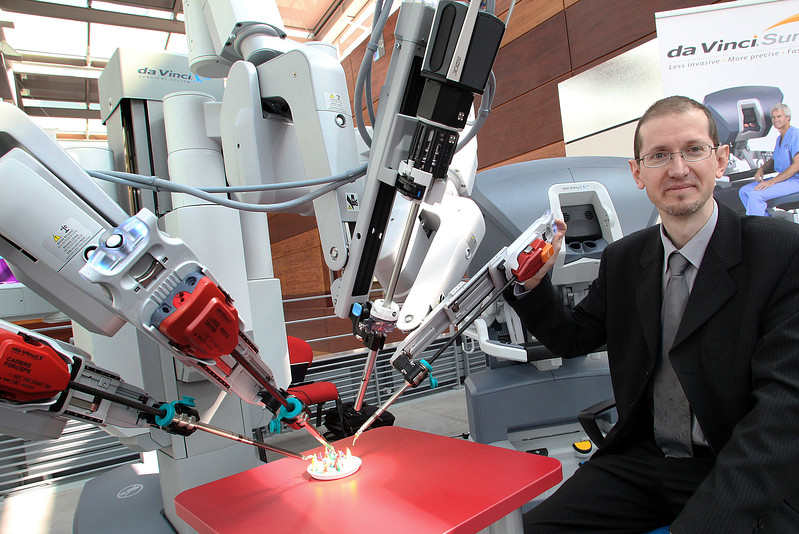
In fact, the more formal name for the da Vinci surgical robot should be “Endoscopic Surgical Instrument Control System”. It is an advanced surgical robot system developed by Intuitive Surgical, Inc. in the United States. It is widely used in adult and pediatric abdominal surgery, urology, gynecology and obstetrics, and cardiac surgery. Its design philosophy is to perform complex surgical procedures using minimally invasive techniques.
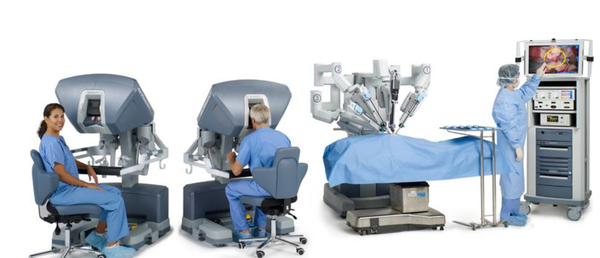
Currently launchedFourth-Generation Products:
1996 saw the launch of the first-generation da Vinci surgical robot.
In 2006, the second-generation product was launched, featuring an expanded range of motion for the robotic arms and enabling physicians to view multiple images without leaving the console.
In 2009, the third-generation product was launched, featuring enhancements over the second generation such as dual consoles, a simulator controller, and intraoperative fluorescence imaging technology.
The fourth-generation robot, launched in 2014, achieved qualitative improvements in flexibility, precision, and imaging clarity. In the second half of 2014, the company also developed remote observation and guidance capabilities.
At this point, let’s take a brief interlude with the “Little Doctor” comic series—“The da Vinci Robot Chapter”,Second BrotherHe’s here and wants to make a cameo appearance. Alright, let’s humor him.
Warning: Multiple images ahead. What “Second Brother” is portraying isMedical Consultant!!!

The Second Brother clarified that this is not the case~ Regarding surgical robots, many people mistakenly believe that the robot performs the surgery; in reality, the surgeon still carries out the procedure, with the robot serving merely as aAssistive DevicesThat's all.
Then, he continued to talk to himself~~
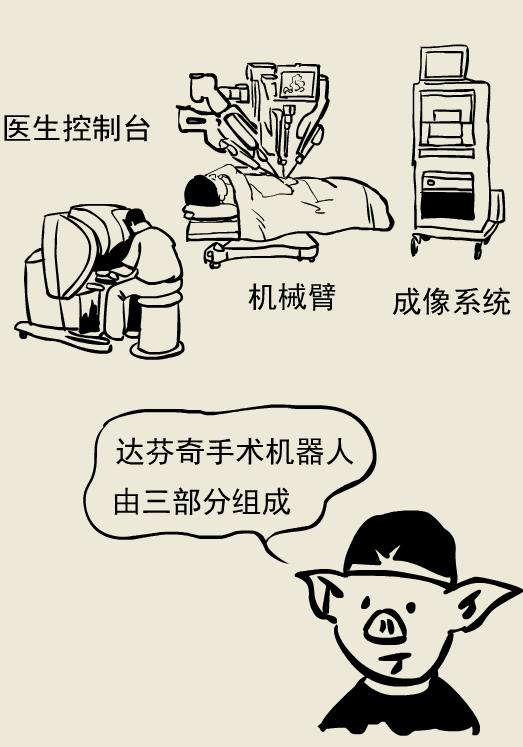

During surgery, the surgeon sits at the console and inserts their fingers into the corresponding “Finger Cot” inside, via the control handle“Remote"Manipulating the movements of the robotic arm tip

Alright, nothing happened; let's continue~~The da Vinci Surgical System can mimic the hand movements of surgeons, entering the patient’s body to perform surgery via commands from the console. The company aims to achieve precise minimally invasive surgery through robotics, thereby maximizing the reduction of pain caused by surgical trauma, as well as shortening recovery time and lowering hospitalization costs.
The "Microsoft" of the Surgical World
I have always firmly believed that in the business world, if you are to build a company, if you are an entrepreneur or business owner, you certainly hope to monopolize the market and avoid competition; therefore, only losers compete with each other.
by PayPal co-founder Peter Thiel
The da Vinci Surgical System in the surgical fieldMonopolyIts market position has enabled it to maintain a gross profit margin of 70% year-round. This is partly due to the high entry barriers in the medical robotics industry and the cumbersome FDA approval process. However, the primary factor is the substantial technological barrier created by Intuitive Surgical’s intellectual property protection.
Developing surgical robots generally requires substantial capital and cutting-edge technology as prerequisites. The entire R&D process involves multiple disciplines, including medicine, biomechanics, mechanical engineering, materials science, computer graphics, computer vision, artificial intelligence, mathematical analysis, and robotics. Entering this field necessitates decades of technological accumulation and continuous R&D investment.
ISGR’s R&D investment is proportional to its revenue, with R&D typically accounting for approximately 8% of total revenue, and the company maintains a robust talent reserve.
As for FDA (U.S. Food and Drug Administration) certification, the system development of any medical device in the United States must undergo strict monitoring and evaluation by the FDA, let alone large-scale equipment such as surgical robots. Taking a surgical robot from the laboratory to successful clinical application requires not only substantial funding but also time for validation. Since it is not feasible to conduct surgical trials on small animals, the robot must maintain high precision and remain error-free at all times. In summary, safety and efficacy are paramount.
The FDA’s monitoring system comprises several major categories, with surgical robots subject to PMA and 510(k) requirements. It is well known that obtaining FDA clearance often takes several years, further raising industry barriers. Consequently, few credible competing products are expected to emerge in the next few years.

Ultra-High Replacement Costs
Due to the unique nature of surgical robots and their intended users, these systems require specialized training, ongoing support, and proprietary accessories. Hospitals that have already purchased such systems would face prohibitively high switching costs if they wished to change vendors—a situation akin to replacing a bank’s core IT infrastructure. Currently, with the da Vinci Surgical System being essentially the only viable option on the market, this lock-in effect is particularly pronounced. Consequently, once Intuitive Surgical secures a customer, clients are unlikely to abandon its platform unless significant quality or technical issues arise.
Additionally, operating the da Vinci system requiresCertificate of Qualification...learning to operate this machine also requires a considerable period of time (the only training base in Greater China is located at the Prince of Wales Hospital in Hong Kong). Once users become accustomed to one operational workflow, it becomes difficult to adapt to other systems, thereby creating a potential technical barrier.

King of Fundraising
In August 2015, on the occasion of the 11th anniversary of Google’s IPO, Wall Street conducted an interesting statistical analysis. It identified U.S.-listed companies whose stock returns over the 11 years since Google’s listing had surpassed Google’s return of 1,277%. Among nearly 6,000 U.S.-listed companies included in the analysis, only 13 companies achieved higher returns thanGoogle, among which, the return rate of a company called Intuitive Surgical far exceeded that of Google!
The growth of Intuitive Surgical can be broadly divided intoThree Stages:
Early Growth Phase (2000–2003): Operating at a Loss
2004–2009: Mid-Growth Phase—Rapid Sales Growth, Swift Improvement in Profitability, and Peak Market Capitalization
Post-2009 Maturity Phase: During this period, revenue and profits continued to grow steadily, albeit at a significantly slower pace, while market capitalization normalized, converging toward the market average.
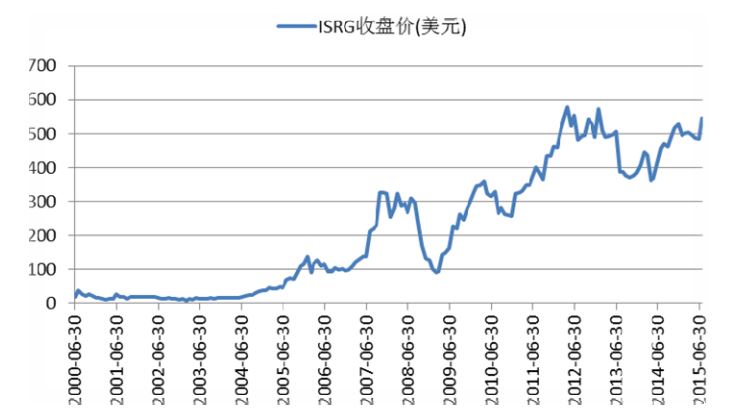
As a leading enterprise in the field of medical robots, Intuitive Surgical Inc. (ISRG) once reached a market capitalization of $22 billion. The company went public in June 2000. In its early years, due to factors such as overly advanced technology and low market awareness, its stock performance was mediocre, with a price-to-sales (P/S) ratio of 12x. From 2001 to 2004, the P/S ratio remained below 10x.
In 2004, ISGR finally turned a profit. At that time, due to its still-weak profitability, its P/E ratio reached 58x, significantly higher than the average P/E ratio of 25x for U.S. medical device companies during the same period, indicating strong market confidence in the company.
A turning point came in 2005, when the da Vinci surgical system developed by the company received FDA 510(k) clearance for gynecological minimally invasive surgery, significantly expanding its application scenarios. That year, operating revenue increased by 60% year-over-year, and net profit rose from $23 million in the previous year to $94 million. The stock price tripled, surpassing $100 for the first time, while total market capitalization grew from $1.3 billion to $4 billion. Correspondingly, the price-to-sales (P/S) ratio reached 18x, with the price-to-earnings (P/E) ratio remaining at 45x.
Although revenue maintained a high growth rate of 64% in 2006, the stock price remained stable due to low profit margins on new products and depreciation charges, with the P/E ratio basically flat compared to 2005. This indicates that as companies enter the mid-growth stage, profitability gradually becomes the core capability for securing high valuations.
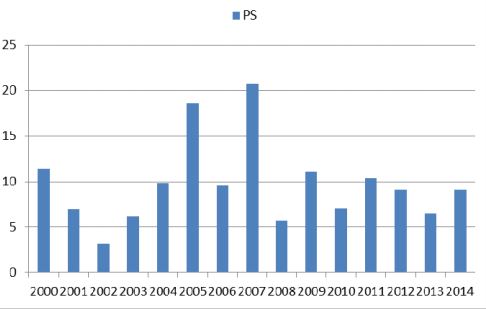
In 2007, Intuitive Surgical's stock price once surged to $300, its total market capitalization exceeded $10 billion, and its price-to-sales (P/S) ratio surpassed 20x.
During the 2008 financial crisis, sales of the da Vinci Surgical System continued to grow rapidly. However, affected by the overall market valuation levels, its P/E ratio declined from 86x in 2007 to 24x in 2008, while its P/S ratio also dropped to approximately 7x.
After 2010, the company entered a relatively mature phase, with revenue growth slowing down and profitability remaining relatively stable. Its P/E ratio has been maintained at 25–35x, still higher than the average P/E of ordinary medical device companies. In terms of EV/EBITDA, a metric commonly used for robotics companies, Intuitive Surgical’s EV/EBITDA has largely followed the same trend as its P/E ratio.
In 2012, driven by the superior performance and robust sales of its newly developed third-generation surgical robot, the stock price peaked at $594, representing a more than 30-fold increase from its initial public offering price!
From its initial public offering in 2000 through 2012, Intuitive Surgical sustained rapid revenue growth, driven by the high price tag of the da Vinci Surgical System and its increasing market penetration. The company achieved a compound annual growth rate (CAGR) of 45%, with annual revenues surpassing $100 million for the first time in 2004 and exceeding the $1 billion mark in 2009. This sustained high-speed expansion enabled the da Vinci Surgical System to rapidly gain widespread adoption across major hospitals in the United States.
Meanwhile, as the device is a durable good and the U.S. market has approached saturation, coupled with sluggish expansion in overseas markets, signs of weak growth have begun to emerge. In 2014, operating revenue amounted to $2.13 billion, marking the first year-on-year decline.
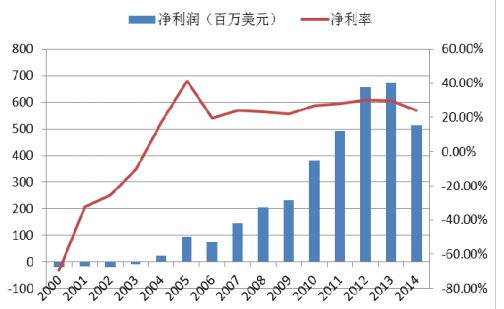
The da Vinci Surgical System in the Field of Medical and Surgical ProceduresScarcityThis has also enabled the company to achieve exceptionally high gross and net profit margins. As an equipment supplier, Intuitive Surgical has maintained a gross profit margin of approximately 70% for many years since 2005, with its net profit margin consistently exceeding 20%. Both its gross and net profit margins are significantly higher than the industry average.
More Powerful After-Sales Sales
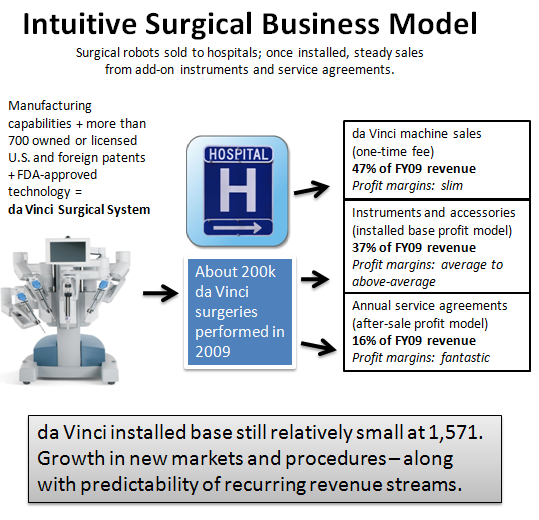
Intuitive Surgical's Business ModelBased on Sales of the da Vinci Surgical System, meanwhileExclusive SaleConsumables, accessories, tools, and services characterized by long-term stability and recurring consumption.
In terms of sales model, Intuitive Surgical primarily employs a combination of direct sales and distributor models. The company adopts a direct sales model exclusively within the United States. In its international market expansion, the company initially relied heavily on the distributor model to facilitate rapid market penetration. However, as brand recognition and market acceptance have continued to grow, it is gradually transitioning toward a direct sales model.
With the da Vinci Surgical System already deployed in more than two-thirds of medium-to-large hospitals in the United States, and even available in some community hospitals, expecting rapid domestic growth is no longer realistic. Changes in its revenue structure also indicate that the da Vinci system’s profit-driven growth model is gradually evolving.
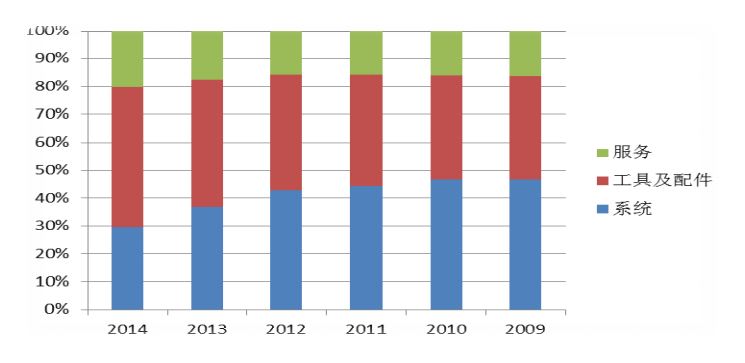
Each da Vinci surgical robot is priced at approximately USD 1–2.3 million. Since 2009, revenue from accessories and services has exceeded revenue from system sales, a trend expected to continue in the future.
In 2012, recurring revenue from tools, accessories, and services accounted for only 57%, whereas by 2014, this ratio had increased to 70%. Recurring revenue refers to income generated from consumables such as tools and accessories, as well as from services including maintenance, repair, and training.
Since the safety of the da Vinci surgical system's instruments is directly related to human safety and health, Intuitive Surgical Inc.Robotic Arm ScalpelStrict usage limits have been imposed on consumable products. A memory chip is installed on each instrument, incrementing its usage count by one every time it is connected to the robotic system. After ten uses, the robot will no longer accept the instrument. One objective is to increase revenue for Intuitive Surgical, as these are proprietary consumables that must be purchased from the company. Another objective is to prevent structural failures within the instrument that could pose surgical risks.
After 10 procedures, the robot automatically locks out and can only be restarted after replacing the robotic arm. This policy results in high activation fees for the da Vinci Surgical System (averaging around RMB 40,000–60,000), which increases costs for patients but serves as an effective strategy for Intuitive Surgical to ensure stable revenue streams.
According to statistics, the consumables required for each surgery are valued at $700–$3,200. Based on an assumption of 200 surgeries performed per surgical robot annually, the revenue from tool accessories per robot can reach $140,000–$640,000. Additionally, the annual contracted service revenue per robot amounts to $100,000–$170,000. Under this calculation, the recurring revenue generated by each da Vinci surgical robot can reach $240,000–$810,000. Using an average value of $500,000 and applying the aforementioned assumptions, the existing 3,200 da Vinci robots can generate annual recurring revenue of 3,200 × $500,000 = $1.6 billion, which is relatively close to the actual data from 2014.

Waiting for the Wind
The greatest advantages of surgical robots over the human hand lie in their precision and minimally invasive nature. Consequently, they offer significant benefits in complex procedures, such as those involving areas with dense nerve endings. With continuous advancements in medical technology and surgical instruments, the rate of postoperative adverse reactions is gradually declining. Widespread adoption of surgical robots for minimally invasive surgeries would further substantially reduce this rate.
Currently, the primary application area of medical surgical robots lies inUrologyandGynecological Surgery. Since 2009, gynecological surgeries have replaced urological surgeries as the most prevalent surgical category, followed by urological surgeries, with general surgery ranking third but exhibiting the fastest growth rate. In the United States, the penetration rates for both prostate surgery and hysterectomy exceed 70%, whereas in Europe and other developed countries, these penetration rates are significantly lower.
Prior to this, surgeries performed by the da Vinci Surgical System were more concentrated in certainCancerFor complex and precise surgeries, since the first robot-assisted radical prostatectomy was performed in 2000, more than half of all prostate surgeries in Nordic countries have been conducted using surgical robots. In the United States, this proportion reaches as high as 83%, making da Vinci robot-assisted prostate surgery a “standard procedure.” At some top-tier hospitals in the U.S., robot-assisted minimally invasive procedures account for over 50% of all surgical operations. Many patients undergoing da Vinci surgery can be discharged within 24 hours post-operation, owing to smaller incisions, reduced tissue trauma, and consequently faster recovery. Currently, in emerging markets such as China, surgical penetration rates remain low due to limited installation base. The advantages of the da Vinci surgical system over manual techniques are evident, indicating substantial future market demand.
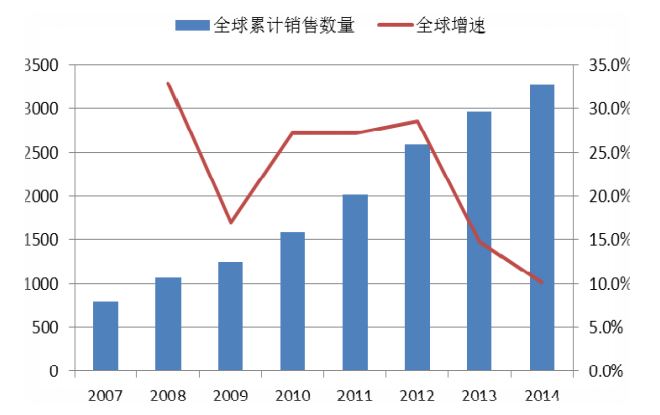
As of 2014, Intuitive Surgical had sold a total of 3,266 da Vinci surgical robot systems, including 2,223 units in the United States, 549 in Europe, 191 in Japan, and 301 in other regions. Since cumulative sales surpassed 1,000 units in 2008, the company maintained rapid growth for several consecutive years; however, the growth rate began to slow down starting in 2013. The global installed base of da Vinci robots reached 2,966 units in 2013 and 3,266 units in 2014, representing a growth rate of 10.1%.
As can be seen from the regional distribution, the primary market for the da Vinci Surgical System remains in the United States, while its adoption in other regions worldwide has been relatively slow, largely due to its high price tag. As the installed base continues to grow, the number of surgeries performed using the da Vinci system has also increased rapidly. In 2014, 570,000 procedures were conducted with the da Vinci robot, representing a 9% year-on-year increase, a growth rate that slowed compared to previous years. On average, each robotic system performs 180 surgeries per year, equating to a utilization frequency of nearly once every two days.
The surgical procedures for which the da Vinci Surgical System has received FDA clearance include laparoscopic, gynecologic, thoracic, urologic, and cardiac surgeries. Its primary target markets are gynecology, urology, and cardiac surgery.
Currently, gynecological surgery is the most frequently performed procedure using the da Vinci Surgical System. In 2014, 235,000 gynecological surgeries were performed with the da Vinci robot in the United States (compared to 240,000 in 2013 and 222,000 in 2012). General surgery ranks as the second most common and fastest-growing category, with 1.107 million general surgical procedures completed in 2014. With further technological advancements in the fourth-generation system, the application scope of the da Vinci Surgical Robot is expected to expand significantly, which will also substantially boost its sales.

“Nine Out of Ten Perfections, Still Missing One”
Of course, in addition to core competencies such as technology and user stickiness, Intuitive Surgical has also faced a series of challenges in recent years, primarily stemming from legal disputes over medical malpractice and new healthcare policies in the United States.
In 2014, Intuitive Surgical was involved in 93 legal disputes, primarily stemming from surgical medical malpractice, and the company paid $77 million to settle these lawsuits. The Affordable Care Act also had a certain impact on the company’s product sales: The healthcare reform bill strongly promoted by President Obama after he took office, known as the Affordable Care Act, was formally passed by Congress in 2012. The core principle of this act is the individual mandate for health insurance coverage, which places budgetary pressure on some hospitals, thereby reducing their procurement of high-end medical equipment.
The high surgical costs associated with the da Vinci Surgical System are also a major obstacle to its widespread adoption.
The robotic arms are high-value consumables that are temporarily mounted onto the robot for each use. Each arm has a usage limit and becomes unusable after 10 cycles. With each arm costing approximately RMB 100,000, and an average of at least four arms required per surgery, the startup fee of RMB 40,000–60,000 is largely derived from this cost. Although keeping the system continuously powered on causes wear and tear, repair costs for breakdowns far exceed the price of the robotic arms. In practice, the system is powered down after every surgical procedure.
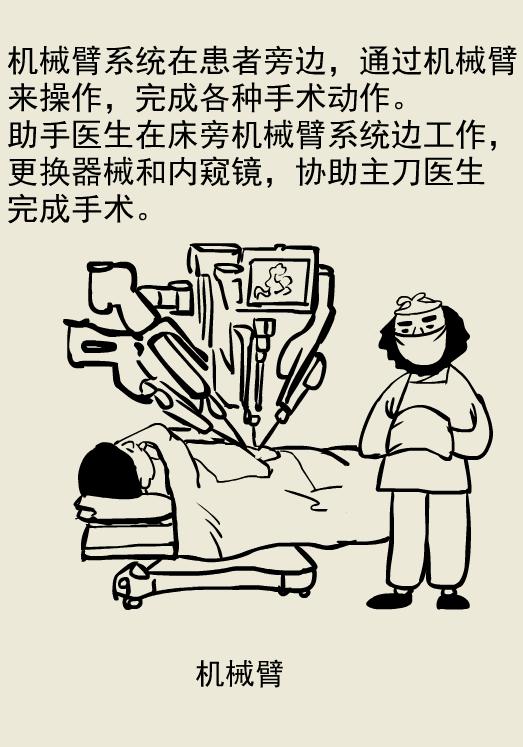
The robotic arm is the core component here, resembling laparoscopic instruments. It features interchangeable arms, including needle holders, graspers, and scissors. Unlike conventional laparoscopic instruments, each arm is equipped with multiple small joints, enabling it to perform various complex maneuvers that are sometimes beyond the capability of the human hand.

China, China, China
The market for the da Vinci Surgical System is currently dominated by the United States, which accounts for more than 70% of its revenue.
In the United States, the da Vinci Surgical System has become widely adopted. With over 2,200 units installed across more than 5,000 hospitals nationwide—including community hospitals—any hospital of considerable scale is virtually certain to be equipped with a da Vinci system.
In addition to the U.S. domestic market, another major market is Europe, which was also the first market pioneered by the da Vinci surgical system. Prior to obtaining FDA 510(k) clearance, the da Vinci robot had already secured CE certification in the European Union, thereby gaining entry into the European market. Compared with the U.S. market, the European market still holds significant potential for growth.
In China, however, it is entirely different.
The sole distributor of the da Vinci Surgical System in China isUS-China Mutual Benefit Corporation。
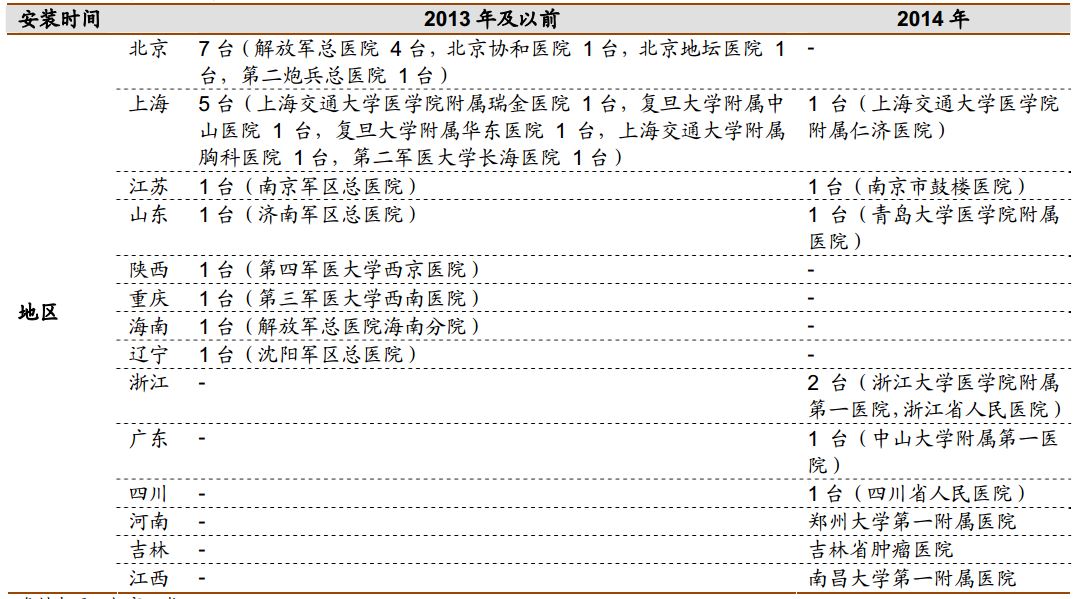
Since the Chinese People's Liberation Army General Hospital introduced the first da Vinci surgical robot in 2006, the da Vinci system has been present in China for ten years. However, as the da Vinci surgical robot is classified as a Class A large-scale medical device, its introduction by any hospital in China requires direct approval from the National Health and Family Planning Commission (NHFPC). Consequently, the adoption rate has remained slow. Since the installation of the first unit in 2006, the total installed base in mainland China remains below 40 units. The number of da Vinci robots also serves as an indirect indicator of the varying levels of medical care across different regions.
If Intuitive Surgical can continue to achieve breakthroughs in overseas markets, particularly in emerging markets such as China, and maintain annual sales of approximately 500 da Vinci surgical robots, its revenue growth rate is expected to remain around 20%.
"Seeking Defeat in Solitude"
The da Vinci Surgical System, owing to its leading technological advantages, currently has virtually no competitors.
However, ISGR was not the first company to develop surgical robots; Computer Motion developed the AESOP robot in 1994 and the more advanced ZEUS robot in 1998.computer motionThe company entered the market earlier than ISGR; however, its products have not yet received FDA approval, which has significantly delayed its market penetration.
After Intuitive Surgical went public in 2000, the two companies embarked on a patent dispute. In 2003, ISRG acquired Computer Motion, a pioneer in minimally invasive surgical robotics, and ZEUS technology was integrated into the da Vinci robotic system. Through this acquisition, Intuitive Surgical eliminated its largest competitor. Since then, the da Vinci system has dominated the global market for minimally invasive surgical robots,"Domineering and Bullying"Decades of meat consumption.
Of course, many companies worldwide have set their sights on this lucrative market. Giants such as Samsung, KUKA, a certain German company, a certain South Korean company, and Johnson & Johnson in partnership with Google have all invested in research and development. However, they have yet to exert significant pressure on ISGR’s established position, which is akin to dominating the financial trading terminal landscape.BloombergLikewise, once a habit is formed, it is difficult to change.
Domestically, it is claimed to have incorporatedHarbin Institute of TechnologyA robotics research team'sBoshi SharesWith stocks hitting their daily price ceilings repeatedly in recent days, it is evident just how frenzied investor sentiment has become toward the robotics concept.
As the only medical robotics company listed on China’s A-share market, the company has completed product finalization of its second-generation prototype and is about to undergo type testing. Upon obtaining approval for clinical trials, it will commence such trials. If progress proceeds smoothly, it will take 2–3 years to obtain medical device product registration; therefore,No revenue contribution in the short term.. However, once the product validation reaches maturity (with its direct competitor being the da Vinci surgical robot from the United States), it will be capable of providing a comprehensive suite of solutions for abdominal, thoracic, and pelvic surgeries, covering more than ten surgical specialties including general surgery, thoracic surgery, urology, and gynecology, thereby offering broad application prospects.
A one-sentence description of ISGR’s current status is:
"Roaming the martial world for over thirty years, I have sought a worthy rival in vain; truly, the loneliness is unbearable."