

From Personal Tragedy to Medical Innovation: The Rise of ReWalk Robotics
Born from Desire: ReWalk Robotics
ReWalk is an exoskeleton system designed and manufactured by the Israeli company ReWalk Robotics. Its primary purpose is to assist individuals with lower-limb paralysis in standing and walking again. Life confined to a wheelchair may never feel complete; those suffering from paralysis endure pain, sorrow, and even despair, yet they never cease to yearn for the ability to stand once more. ReWalk understands this profound blend of suffering and determination, as its inventor is himself a quadriplegic.
ReWalk Inc. founder Amit Goffer was accidentally paralyzed in his early years. From birth until the debut of the first ReWalk device in 2006, he relied on a wheelchair, giving him profound insight into the suffering endured by those long confined to one. Thus, as Steve Jobs once said, all great products stem from an inner desire.
Since becoming paralyzed in 1998, he has dreamed of one day walking like an ordinary person—not just for himself, but for all individuals with quadriplegia!
Thus, Goffer’s friends and colleagues formed a small team, diligently developing the first “ugly prototype” of ReWalk, and brought the device to clinical trials in 2006.
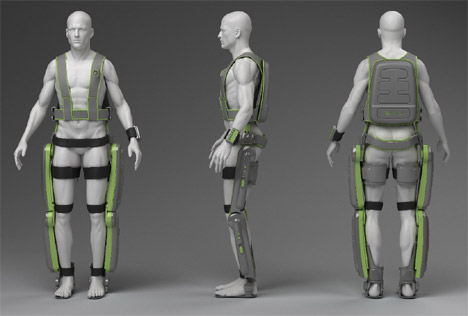
Unlike many exoskeletons and prosthetics, ReWalk adapts to the user’s habitual gait rhythm after a period of training and adjustment, creating the sensation of using a natural limb. This capability is attributed to ReWalk’s powerful central processing system and high-precision sensors, which detect subtle shifts in the center of gravity to control movement, mimic the user’s natural walking pattern, and provide an appropriate walking speed. Even individuals with quadriplegia can achieve independent ambulation with the aid of this system.
The company’s R&D team boasts over 20 years of experience. Much like Modernizing Medicine, a customized electronic medical record (EMR) company staffed by numerous clinicians, ReWalk’s entire R&D team includes many individuals with paralysis, who possess profound insights into the actual needs and user experience of paralyzed patients.

Steady Progress: FDA & CE Approved
ReWalk Robotics, formerly known as Argo Medical Technologies, is a medical technology company dedicated to manufacturing wearable exoskeleton robotic devices that help individuals with paraplegia regain mobility. The company offers two products: ReWalk Personal and ReWalk Rehabilitation. The former is primarily designed for use in home, work, or social settings, enabling patients to stand, walk, and climb stairs through the use of sensors and monitors. The latter is intended for clinical rehabilitation, providing physical therapy for paralyzed patients by alleviating limb pain and muscle spasticity caused by paralysis, aiding bowel and digestive function, and accelerating metabolism.
Last June, the company’s exoskeleton technology product received FDA approval, permitting direct sales to patients for home use. Although commercial sales have not yet commenced, its products are already being utilized in rehabilitation centers across the United States.
As early as 2012, ReWalk Robotics’ exoskeleton products received approval from the European Union. The company’s other commercialized products are gaining market recognition: as of August 1 this year, ReWalk Robotics had sold a total of 62 units of ReWalk Rehabilitation and 19 units of ReWalk Personal, with 88% of orders coming from individual customers and 12% from institutions and testing agencies.
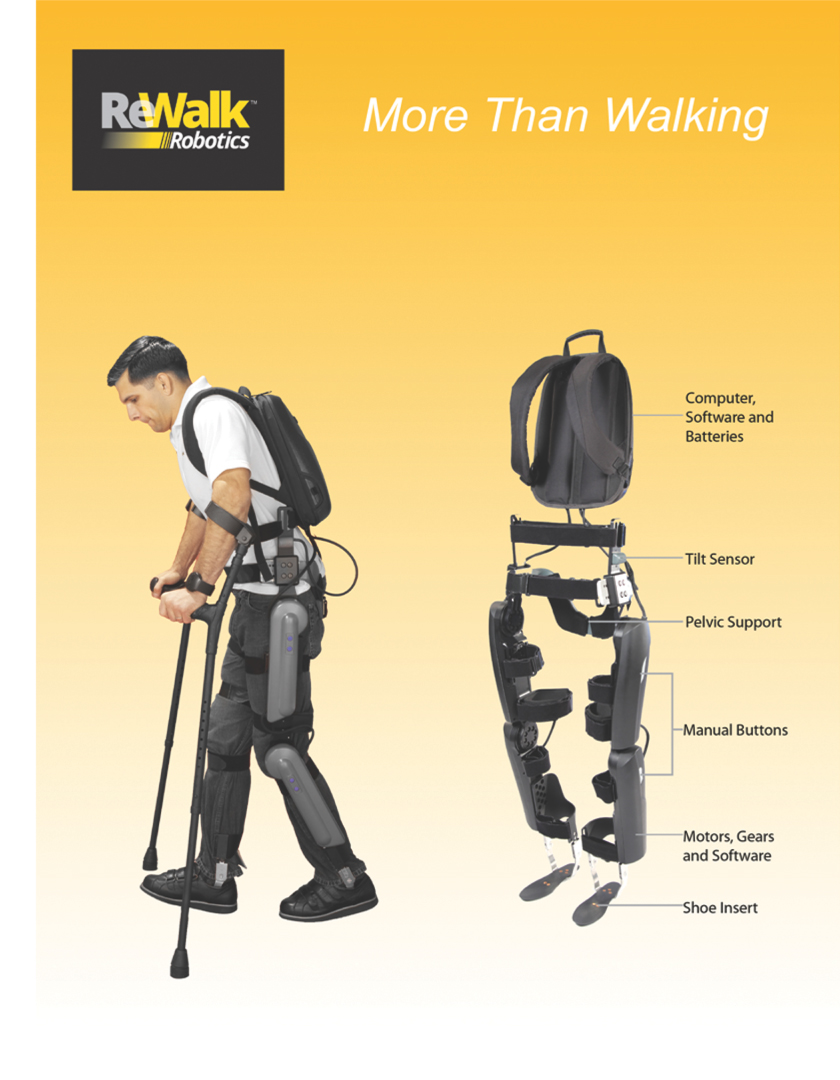
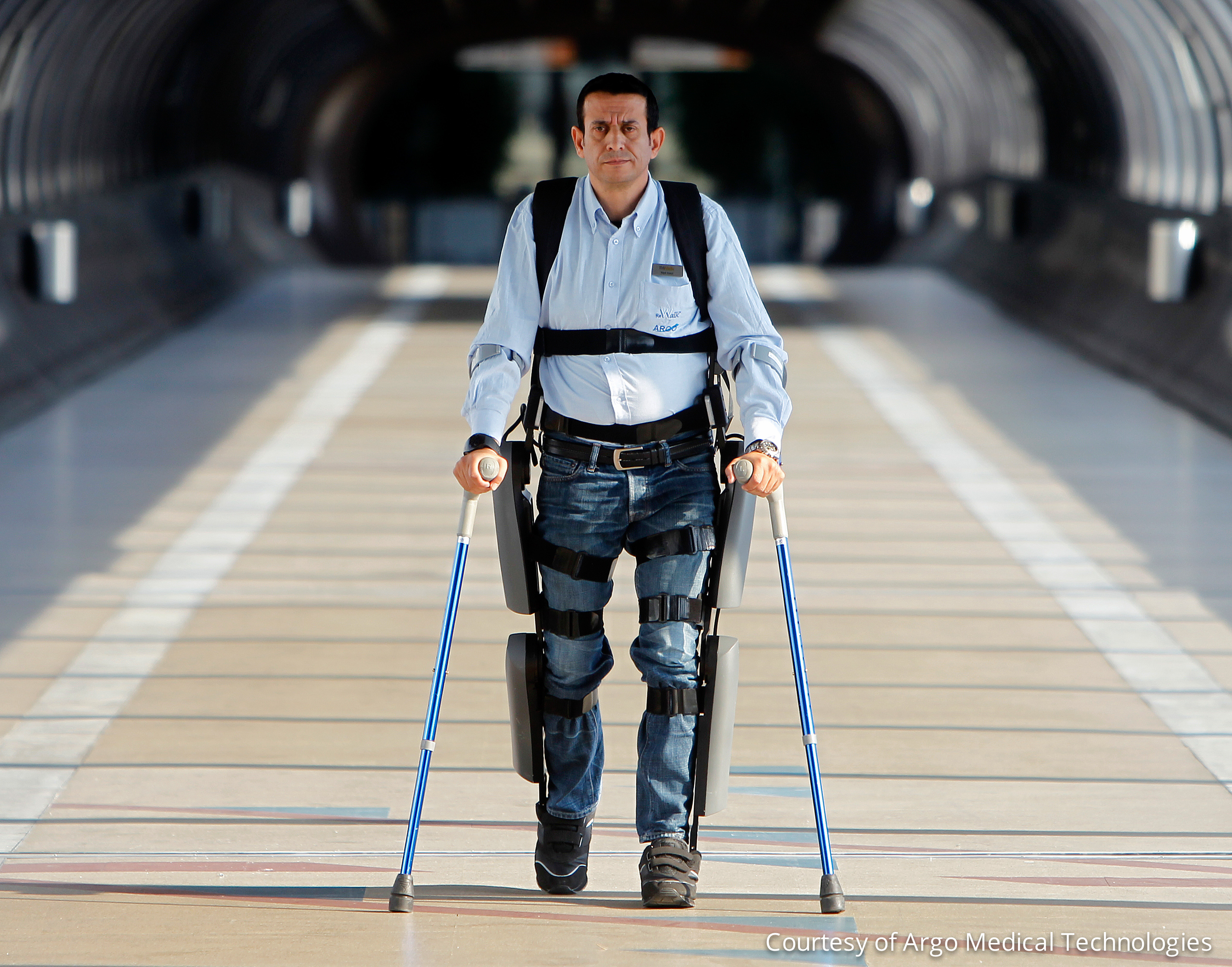
ReWalk is currently the only exoskeleton device that uses tilt sensors to enable autonomous walking. ReWalk consists of wearable exoskeletal joints, a series of sensors, and a control system, providing power assistance for knee and hip movements.
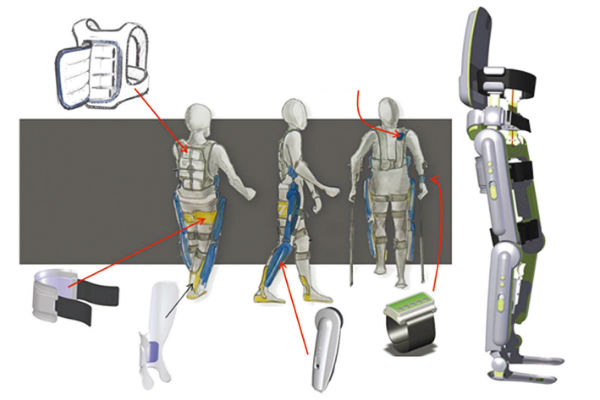
ReWalk leverages subtle shifts in the user’s center of gravity to control movement; leaning the upper body forward initiates the first step. A series of steps generated by repeated weight shifts enables users to walk with a natural gait.
Because the exoskeleton supports its own weight, users do not expend unnecessary energy while walking. Users can shift their body weight to one side to achieve turning. ReWalk also allows users to sit, stand, and, in certain cases, ascend and descend stairs. Users can operate the device independently and are able to don and doff it on their own. ReWalk enables walking with a natural gait and maintains a functional walking speed, features that are not available in other exoskeleton devices.
In addition to enabling ambulation, ReWalk provides patients with other benefits, including reduced spasticity-related pain, improved bowel and bladder function, enhanced metabolism and physical health, as well as decreased hospitalizations and reliance on medications.
According to data from the National Spinal Cord Injury Statistical Center, 87.1% of patients with spinal cord injuries are discharged to non-institutional settings (primarily their homes). Therefore, although most sales activities are concentrated in rehabilitation units, the company’s primary commercialization objective is to focus product utilization in home or community settings, with the expectation that individual sales will account for the majority of its revenue.
Currently, the company does not manufacture finished products in-house; all products are manufactured by Sanmina, a renowned international electronics manufacturer headquartered in San Jose. Raw materials are also sourced and managed by Sanmina, ensuring the high quality of the company’s products.
At present, the company is developing a new product, ReWalk–Q. Compared with previous generations, ReWalk–Q will demonstrate significant improvements across all performance metrics, featuring a more efficient gait pattern, a sleeker profile, and reduced weight. Most importantly, ReWalk–Q will expand its user base beyond individuals with tetraplegia to include a broader population of people with paralysis, such as those with multiple sclerosis or stroke.

IPO: The Next Tesla?
When Tesla first listed on the U.S. stock market, there was widespread skepticism about battery-only vehicles, with doubts centered on whether Tesla could power its cars solely with electricity without compromising aesthetics or performance. Tesla’s vehicles were expensive and scarce, and the company operated largely on the strength of a grand vision.
Yet, Tesla’s cars are destined to represent the future, and the company’s vision is being realized step by step.
Although Tesla CEO Elon Musk believes the current stock price is too high, Tesla’s example illustrates just how strong the market’s demand is for genuine innovation and passionate leadership in the post-Jobs era. And Goffert is clearly the person they are looking for.
On July 14, 2014, ReWalk Robotics, an Israeli provider of exoskeleton systems, filed its IPO application with the Nasdaq, aiming to raise $57.5 million to continue research and development in exoskeleton technology.
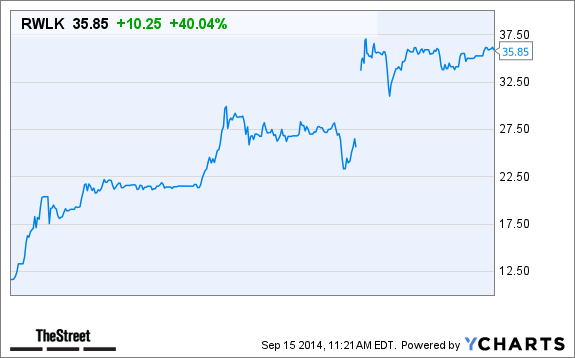
On September 12, 2014, ReWalk Robotics, an Israeli company specializing in external wearable robotic exoskeletons, listed on the NASDAQ. After the U.S. stock market opened that day, ReWalk Robotics’ shares began trading at $13.60 per share, slightly below its initial public offering (IPO) price of $14 per share. However, the stock price subsequently surged, reaching a high of $25.60 by the close of trading, representing a daily cumulative increase of 113.33%. All 3.35 million shares offered in ReWalk Robotics’ IPO were fully subscribed, raising over $57.5 million.

The Undervalued ReWalk: Philanthropy Isn’t All That Rosy
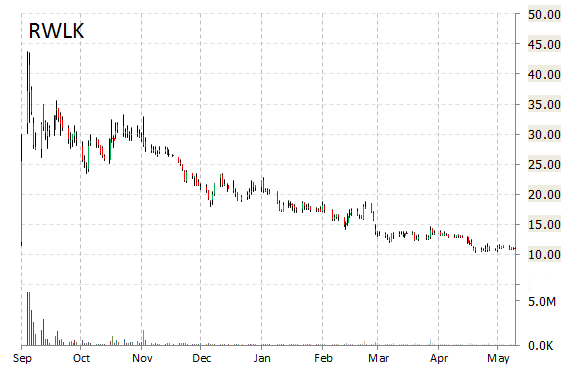
The stock price is currently very cheap, at around $8, with a total market capitalization of less than $100 million, and the stock suffers from severe illiquidity.
ReWalk went public in September 2014. During its first month on the market, the stock was heavily sought after, hitting a new high of over $30, more than triple its IPO price, with a trailing price-to-sales (P/S) ratio reaching 80x. Subsequently, the share price began a steady decline, likely due primarily to persistent substantial losses and prolonged difficulties in gaining market traction.
However, considering ReWalk’s future market potential, FDA clearance, and leading technological capabilities, its current market capitalization appears undervalued. ReWalk’s Japanese competitor, Cyberdyne, has similar revenue scale and profitability levels, also operating at a loss, yet Cyberdyne boasts a market capitalization as high as $2 billion.
The company’s financial statements show that revenue reached $1.6 million in 2013, a 63% increase from 2012; revenue rose to $4 million in 2014, representing a 150% year-over-year increase, but the company reported a net loss of $22 million for the full year 2014. In the first quarter of 2015, sales revenue amounted to $635,000 (with 13 ReWalk units sold), marking a 43% year-over-year increase, but a 58% decline from the $1.46 million generated in the fourth quarter of 2014 (with 31 ReWalk units sold). Due to insufficient sales volume to achieve economies of scale and high fixed costs associated with ReWalk, gross margins remained negative in both 2013 and 2014. If ReWalk fails to leverage economies of scale through mass production to reduce costs in the future, its profitability outlook remains concerning.
On the day ReWalk announced its semi-annual report for 2015, its stock price plummeted by 20%, underscoring market concerns about ReWalk’s future profitability.
Problem: High prices and low market acceptance.
Although ReWalk was founded in 2001, it did not begin selling the ReWalk Rehabilitation version until 2011. The ReWalk Personal version started being sold in Europe in 2012, and the first unit of the ReWalk Personal version was sold in the United States only in the second quarter of 2014. Sales remained lackluster until it received FDA approval in June 2014.
Currently, the price of a single ReWalk robot is as high as nearly $70,000, which represents a significant financial burden for average households, especially given that a large proportion of patients with paraplegia face precarious economic circumstances. Despite such high pricing, the company remains in a state of deficit, with both net profit and gross profit in the negative. In 2014, the company reported revenue of $4 million but incurred losses of $22 million. Nevertheless, the ReWalk product, priced at nearly $70,000, remains prohibitively expensive.
ReWalk aims to have insurers and government programs, such as the Department of Veterans Affairs and public healthcare initiatives, cover the costs for patients with paralysis. However, no private insurance companies are currently willing to cover or reimburse individuals for the cost of ReWalk products.
"Dreams are still worth having—what if they come true?"
There is a category of companies whose development is driven more by a grand vision than solely by commercial interests.
For example, Tesla, which is attempting to disrupt the automotive industry, and Google, which launched Google Glass and self-driving cars, have now been joined by ReWalk, which helps patients with lower-limb paralysis regain the ability to walk.
ReWalk’s prospects lie in the fact that, as the company matures and its product pricing becomes more accessible, it has the opportunity to become the Tesla of the exoskeleton robotics industry. If ReWalk can sustain its vision of “fundamentally transforming the lives of individuals with spinal cord injuries,” it could become as widely recognized in a few years as Tesla is today. After all, ReWalk serves the public good; it is believed that more charitable organizations, government agencies, and corporations will join in investing to develop more advanced ReWalk products, thereby giving paralyzed patients a new lease on life.
Moreover, with ReWalk’s FDA clearance, it is now easier to persuade insurers to include it in their coverage, given the substantial market demand. In a sense, exoskeletons like ReWalk may help insurers save money by enabling users to adopt healthier lifestyles.
According to a 2007 survey by the U.S. National Institutes of Health, the average annual direct medical cost for patients with spinal cord injuries reaches $21,450. When an individual suffers from paraplegia, in addition to the permanent reliance on a wheelchair for mobility, more severe consequences include the decline of physiological functions, such as muscle atrophy, increased adipose tissue, and deterioration of cardiovascular and gastrointestinal functions. These changes trigger a series of complications, which not only incur substantial medical expenses but also cause significant physical and psychological exhaustion, severely impairing the patient's quality of life.
The National Spinal Cord Injury Statistical Center (NSCISC) once estimated that the annual cost of paralysis, excluding lost wages and benefits, is approximately $50,000. This figure does not account for the psychological suffering endured by patients.
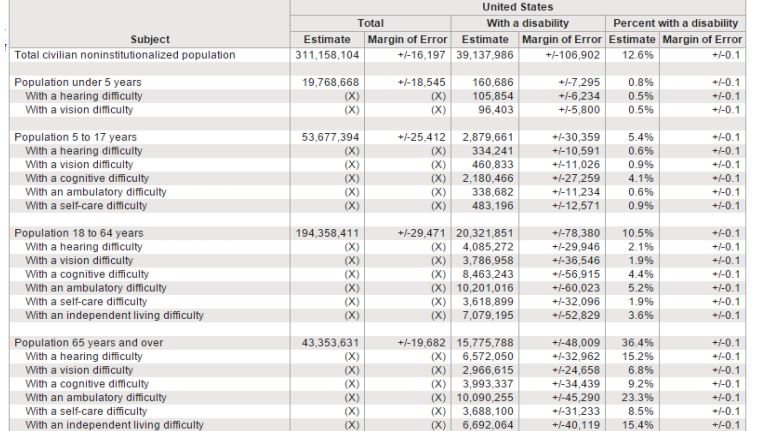
In 2013, approximately 3.9 million people in the United States had varying degrees of disability symptoms. Among the 18–64 age group, which accounts for the highest proportion of the total population, individuals with mobility impairments constituted more than half of all persons with disabilities, with over 10 million people experiencing difficulty walking.
The National Spinal Cord Injury Statistical Center (NSCISC) estimates that 273,000 people in the United States were living with spinal cord injury in 2013, with approximately 12,000 new cases occurring each year. Among these individuals, around 42,000 are veterans who have access to affordable medical care. Since 2010, motor vehicle accidents have become the leading cause of spinal cord injury, accounting for 36.5% of cases, followed by falls from heights at 28.5%, acts of violence at 14.3%, and sports-related injuries at 9.2%. Nearly 80% of patients with spinal cord injury are male.
According to data from the National Spinal Cord Injury Statistical Center (NSCISC), 87.1% of patients with spinal cord injuries are discharged to their homes rather than to specialized rehabilitation centers. Based on demographic statistics such as gender and age structure for comprehensive spinal cord injury cases from the U.S. Census Bureau, it is projected that 80% of spinal cord injury patients, equivalent to 218,000 individuals, could become potential users of ReWalk. At an estimated price of $70,000 per unit, this represents a potential market value of $15.2 billion, indicating a substantial market opportunity.
In addition to further refining its next-generation ReWalk products, the company is currently developing devices designed for use by patients with quadriplegia and multiple sclerosis.
In the future, ReWalk hopes to address the needs of patients with stroke and cerebral palsy. Cerebral palsy is a disorder affecting the muscular and motor systems caused by damage to the developing brain, typically occurring at birth or between the ages of three and five. According to data from the United Cerebral Palsy Association, there are approximately 764,000 cases of cerebral palsy in the United States.
ReWalk can help patients with cerebral palsy realize their dream of walking again, representing a potentially significant niche market in the future. The strong market enthusiasm for ReWalk reflects high expectations for wearable medical devices. Exoskeletons enable paralyzed individuals to stand and walk again, filling a gap in the market. There is substantial room for future growth at the intersection of robotics and wearable applications, as these “Iron Man”-style prototype devices will increasingly substitute for human body parts across various fields.
Take One Step, Then Another
The company has currently entered into a strategic partnership with Yaskawa Electric, one of the “Big Four” robotics manufacturers (market capitalization: $3.4 billion). Yaskawa currently holds a 5% stake in ReWalk. Yaskawa aims to accelerate the development of its service robots through collaboration with ReWalk, while ReWalk seeks to leverage Yaskawa’s robust distribution network in Asia to enhance its marketing efforts in the region.
ReWalk is intensifying its marketing efforts to enhance product visibility by participating in numerous exhibitions. In 2015, the company expanded its operations into eight of the top ten rehabilitation centers in the United States and added ten new training centers. It also established new partnerships in Northern India and Denmark to promote product distribution. Currently, ReWalk has not yet entered the Chinese market. The company has made significant progress in negotiations with private insurers and workers’ compensation groups in the United States and Germany. There is strong potential for ReWalk to be included in their insurance coverage, which would substantially boost the company’s sales volume.
The Next Da Vinci?
As medical robots, both have accumulated over a decade of technological expertise and initially underperformed after going public due to significant losses. The numerous similarities naturally invite a comparison between the da Vinci Surgical System and ReWalk.
The technology behind the da Vinci Surgical System originated in Stanford laboratories in the late 1980s. After more than a decade of technological accumulation, the first product was launched in 1999 and went on the market the following year. Performance remained modest during the initial years, with a notable surge occurring in the fifth year.
ReWalk’s robotic technology originated in the late 1990s at the laboratory of Israel’s Argo Medical Technologies. After more than a decade of technological accumulation, the company launched its first product in 2012 and brought it to market in 2014. For nearly a year after its public listing, the stock performance was dismal, primarily due to sluggish sales and cost-control issues—common challenges faced by high-tech new products in their early stages.
After 15 years of ups and downs, the da Vinci system has currently secured a monopoly in the surgical robotics market, while ReWalk continues to forge ahead amidst uncertainty.
“To quote a line from Gu Cheng,”
“The night gave me black eyes; how will Rewalk light up the brightness?”
Company Express:
ReWalk Robotics
Country: Israel
Field of Expertise: ReWalk Robotics manufactures and sells exoskeleton systems to help wheelchair users regain the hope of walking.
Founder: Amit Goffer
Established in: 2001
Listed Exchange: NASDAQ
Launch Date: September 12, 2014
Stock Code: RWLK
Total Market Cap: Estimated at approximately $100 million