

The Way Forward for Internet Healthcare: Tripartite Interconnection, Three-Circle Integration, and Dual Empowerment – An Interview with Professor Duan Tao
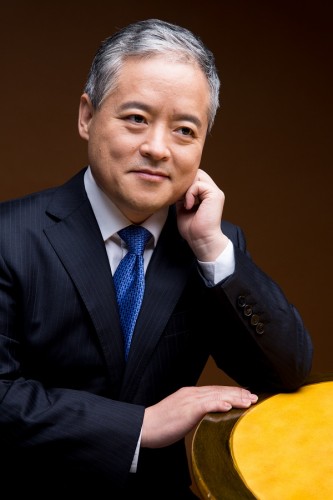
Guest Introduction:Duan Tao, Professor, Chief Physician, Doctoral Supervisor, and Dean of the First Maternity and Infant Health Hospital Affiliated to Tongji University; Director of the Shanghai Prenatal Diagnosis Center.
Key Insights
1. A robust internet healthcare application should interconnect all aspects of hospital management and services, encompassing human-to-human, human-to-object, and object-to-object connectivity. Currently, most applications focus primarily on human-to-human connectivity, with few projects addressing the latter two categories.
2. To summarize the attitude of public hospitals toward innovation in internet-based healthcare, it can be expressed in three phrases: viewing internet-based healthcare as a scenic view, as a spectacle, and as a joke.
3. Internet healthcare startups face immense challenges in transitioning from online to offline operations. As their business models shift from an “air force” (online-only) approach to traditional offline practices, questions arise: Is there still room for innovation in the business model? Can PE valuations remain at such high levels? The transition from an open-platform model to a self-operated one—akin to shifting from Tmall to JD.com—has yet to be successfully mastered by any company worldwide, given the fundamental differences between these two business models.
4. Breaking the Impasse in Internet Healthcare Requires Changes from Three Parties (Medical Providers, Patients, and Payers), Three Rings Integration (Apps for human-to-human interaction, wearable medical devices for human-to-thing connectivity, and IoT for thing-to-thing connectivity), Two Liberations (Liberating Physicians and Sharing Patient Medical Histories)。
Topic Sharing:
Internet HealthcareHow to Break the Innovation Impasse? Numerous Companies Are Trying, but Few Truly Understand It and Execute WellInternet HealthcareInHospitalapplications inHospitalComprehensive, end-to-end, and all-element interconnectivity, that is, inHospitalComprehensive interconnectivity across all aspects of management and services, encompassing multiple dimensions.
Three Levels of Interconnectivity: Human-to-Human, Human-to-Thing, and Thing-to-Thing
First is interpersonal connectivity. Currently, social media platforms, primarily in the form of mobile apps, are widely used to facilitate connections between individuals. There is now significant focus on connectivity between doctors and patients, among doctors, and among patients.
The second category is the connection between humans and objects, namely wearable medical devices. It is regrettable that currently inInternet HealthcareIn the innovation process, very few wearable medical devices truly achieve medical-grade standards, with most remaining at the consumer grade. It is exceedingly rare for products to advance from consumer grade to medical grade, and even rarer to reach phenomenon-level status. At least personally, I have yet to identify any product that simultaneously meets the criteria for consumer grade, medical grade, and phenomenon-level impact.
The third aspect is the Internet of Things (IoT). There are very few companies genuinely focused on the medical IoT. At one point, I asked my colleagues to compile statistics, which showed that among medical devices in hospitals, 91% have data interfaces and can be interconnected, while 9% cannot. This figure pertains solely to medical devices.
In addition to medical devices, a wide variety of equipment can be integrated into the Internet of Things (IoT). For instance, general electrical appliances such as air conditioners, refrigerators, and televisions, as well as various home furnishings, can all be transformed into smart home solutions. Recently, while seeking partners to help hospitals implement IoT infrastructure, we consulted numerous individuals and organizations, yet very few were truly capable of delivering comprehensive hospital IoT solutions.
The current state of the industry is that most startups are developing apps, focusing on interpersonal connectivity. Everyone is building platforms and emphasizing portal-style entry points, yet most products suffer from severe homogenization with little innovation. There are exceptionally few companies focusing on wearable medical devices and Internet of Things (IoT) solutions applicable in hospital settings.
Whether it is the internet or mobile internet, whether one is building portals, platforms, or specific applications, there is generally room for only the market leader and at most a runner-up in any given industry; third- or fourth-place players are unlikely to survive. Therefore, I encourage everyone to devote more energy to hospitals or wearable devices, rather than focusing solely on apps.
For example, we are currently implementing two projects at the hospital: smart parking and intelligent restrooms.
Smart Parking
Smart Parking: Patients can check the number of available hospital parking spaces before their visit, see projected full-capacity times, and receive alerts when lots are full.
In terms of smart hardware, we aim for the parking barrier at the entrance to lift automatically upon vehicle arrival. Through automatic license plate recognition via cameras, the gate will open seamlessly, allowing vehicles to enter the hospital premises rapidly. After receiving medical care, patients can settle parking fees via WeChat or Alipay before departure. Upon successful payment, they can exit directly through an express lane, eliminating the need for traditional card-based payment procedures.
Smart Restroom
For obstetrics and gynecology hospitals, female restrooms are an essential necessity. Many hospitals face significant issues in this area, such as inadequate hardware facilities and poor hygiene conditions. My initial vision was to create a space that serves not only as a restroom but also incorporates the functionality of a powder room.
We have approached numerous companies, but very few are truly capable of providing these smart hardware and software solutions.
Public Hospitals Are Obstacles and Barriers
The largest platform for internet healthcare applications remains within hospitals. But what are hospitals thinking, particularly public hospitals, which account for the vast majority of the market share in China?
To describe the attitude of public hospitals toward internet healthcare in one sentence, it can be said that most public hospitals are obstacles and barriers to innovation in internet healthcare.
Why is this the case? Because the vast majority of hospitals lack a deep understanding of innovation in internet-based healthcare. While physicians are often interested, with only a small minority taking action, those who truly engage—whether by having the courage to leave the public healthcare system or to drive internet healthcare innovations within it—remain few in number. This is largely because physicians, whose lifelong training has been strictly focused on clinical medicine, tend to be more conservative.
Why are hospitals not taking action? Because the vast majority of hospitals are unable to act even if they wish to; they lack both the means and the capacity to do so, and there is no necessity for them to move. This is because many healthcare policies do not support or encourage internet-based medical services.
Therefore, in public hospitals, hospital leaders lack sufficient energy, funding, experience, leadership capabilities, and knowledge structure.
Of course, there is no imperative for them to change. For most public hospitals, operations are running smoothly; despite poor service attitudes and the current overcrowding, they continue to attract a large patient volume. Having long held a dominant position as the service provider, they lack the incentive to drive innovation in internet-based healthcare.
For directors of public hospitals, the prevailing approach is to adopt a wait-and-see stance, with any engagement being at most passive. Consequently, we observe limited innovation in internet healthcare within many public hospitals; they typically do not decline when companies offer products for trial on-site, but their involvement rarely extends beyond that.
If we were to summarize the attitude of public hospitals toward innovation in internet-based healthcare, it could be expressed in three sentences:Viewing Internet Healthcare as a Scenic View, a Spectacle, and a Joke。
Internet Healthcare Leader: No Cash Flow, Under Significant Pressure
Having discussed public hospitals, let us now turn to the innovative leaders in internet healthcare. Many major internet healthcare companies have secured multiple rounds of financing and achieved high valuations. What is the current situation for these companies?
Presumably, everyone has taken note of Chunyu Yisheng, DXY, and Guahao.com. After securing financing, these companies have begun to implement their offline operations in succession. Regardless of whether this shift was a strategic choice or a necessity, one thing is certain: their original online-only business model was insufficient to sustain company operations.
Once a massive base of doctors and patients has been accumulated online, can it be converted into cash flow? Current platforms such as Chunyu Yisheng, DXY, and Guahao.com all possess substantial resources of doctors and patients online, yet they have largely failed to convert these into cash flow. Having secured funding from venture capital and private equity, they face significant pressure if they are unable to generate cash flow.
Internet Healthcare Companies Face Fierce Competition in the Domestic Market
Pressure necessitates change, but how should this change be implemented? Consequently, internet healthcare companies are transitioning their “air force” operations to ground-based strategies. After securing several rounds of funding, those originally focused on online consultations have begun establishing offline clinics; companies without physicians have started hiring them; those lacking physical facilities have begun building clinics; entities without a patient base have initiated patient acquisition efforts; and those without insurance affiliates have moved to establish insurance companies. The fundamental strategy is a shift from an “air force” model to a “ground force” approach.
But you are a natural-born air force, lacking the experience and training of the army. If you insist on landing to fight as ground troops—competing against public hospitals and life-threatening Putian-system hospitals—do you still have the advantage of the air force? Therefore, people have begun to worry about the clinics opened by internet medical APPs.
Another concern is that while online platforms are open, offline clinics are inherently closed systems. Consequently, the availability of physician and patient resources would decrease exponentially. Whereas millions of doctors and patients were previously active on a daily basis, there may now be only dozens of doctors and hundreds of patients.
If the transition is made from an online, asset-light model to a traditional offline one, is there still room for growth in the business model, and can PE valuations remain as high? Shifting from an open-platform approach to a self-operated model—akin to moving from Tmall to JD.com—is a challenge that no company globally has successfully mastered to date. Therefore, concerns and hesitation among industry leaders regarding the business models of internet healthcare companies are well-founded.
Since the original approach of developing online apps failed to identify a viable business model, we shifted our strategy from an “air force” (digital-first) to a “ground force” (offline-heavy) approach; however, building the necessary supporting infrastructure has proven extremely challenging. Why is it so difficult? Let me provide an example: In recent years, Shanghai implemented the so-called “5+3” initiative, which involved constructing five new tertiary hospitals and upgrading three secondary hospitals to tertiary status. Despite substantial government investment and significant recruitment of medical personnel, these public hospitals continue to face considerable operational difficulties to this day.
Shanghai’s renowned tertiary hospitals should, in theory, have no worries about patient volume. Their suburban facilities are highly advanced, staffed by their own physicians, and charge fees aligned with public hospital standards—making them very affordable. However, their actual operational performance is quite poor; most of these hospitals continue to incur losses, with some losing tens of millions of RMB each month. Consider this: if even top-tier (Grade A Tertiary) public hospitals struggle to succeed despite such low fees, excellent doctors, and prime locations, how much harder must it be for companies that have never operated hospitals before?
I haven’t even mentioned the Putian-affiliated hospitals here. Regardless of public opinion about them, they have proven remarkably resilient. If internet healthcare companies are to compete next with public tertiary hospitals and such tenacious institutions as the Putian-affiliated hospitals, many people are understandably concerned about what the outcome will be.
It Is Difficult for China to Replicate Kaiser and Mayo
Many private institutions and mobile internet companies in China are currently promoting the U.S.-based Kaiser Permanente model and the Mayo Clinic model. However, even within the United States, these models are not easily replicable. Those familiar with the U.S. healthcare system recognize that both Kaiser Permanente and the Mayo Clinic are unique entities whose operational frameworks are difficult to duplicate even in their native environment, let alone in China.
Moreover, both Kaiser Permanente and the Mayo Clinic took decades to evolve into their current models. Given the current cash-burning approach prevalent in China’s internet sector, do you think it is possible to replicate the Kaiser and Mayo models in the short term?
Certainly, innovation in internet healthcare holds great promise, but it will not bring about the rapid disruption many anticipate in the short term. Instead, it will require a prolonged process of gradual evolution. The recent “winter” in the internet healthcare sector has been severe; only those truly capable of surviving will demonstrate the greatest vitality.
Public Hospitals Will Eventually Awaken
The current situation is that outside the walls of public hospitals, there is a great deal of noise and activity, while many public hospitals inside remain unmoved. However, public hospitals will eventually be roused from their slumber. Once they awaken, it will be both a good and a bad thing. When public hospitals truly recognize the importance of the internet, they will devote time and energy to developing internet-based healthcare services. At that point, ordinary internet healthcare companies will either partner with them or find themselves without a market.
Breaking the Impasse in Internet Healthcare Requires Changes from Three Parties, Integration of Three Loops, and Two Liberations
What conditions are necessary for genuine internet healthcare innovation to break through?
First, changes are needed among healthcare providers, patients, and payers. Currently, patients are the most active stakeholders in China, while doctors and hospitals have yet to fully engage in most cases. The third stakeholder is the payer; however, commercially driven third-party payers in the true sense remain immature in China, accounting for a very small proportion. Only with the emergence of genuine commercial third-party payers can Internet healthcare in China undergo a substantive transformation.
Second is the integration of the three rings: apps that connect people to people, wearable medical devices that connect people to things, and the Internet of Things (IoT) that connects things to things. In addition to the connections within each individual ring, internal loops must also be integrated. Only by achieving true integration among these three parties can hospitals be led toward development in the realm of internet healthcare.
In addition to changes among the three parties and the integration of the three loops, there is also the liberation of physicians and the sharing of patient medical histories. The phenomenon of physician liberation is not yet visible; the physician groups that emerged recently do not constitute true liberation. Genuine liberation will only be achieved when physicians are no longer employees of Grade 3A hospitals but truly break away from the public system to engage in independent practice and multi-site practice.
Another form of liberation pertains to patient information, particularly medical history. Currently, patient data largely remains within hospitals, with most of it neither digitized nor structured. Consequently, patients are unable to access their prior medical records after leaving the hospital. Therefore, if patients’ medical histories and physicians are not liberated from these constraints,Internet HealthcareIt is very difficult to achieve.
Q&A Highlights
1. As an undergraduate medical student, I would like to know what contributions internet healthcare can make to the training of medical students.
Duan Tao:For young physicians, my personal advice is to avoid excessive involvement in mobile internet initiatives and instead devote more energy to clinical practice and surgical procedures, which constitute the core of a physician’s role. By the time you become senior experts, internet healthcare will have undergone numerous iterations, and many current companies may no longer exist. Therefore, there is no need for you to focus excessively on these matters at present.
2. Can you envision an ideal model for collaboration among capital, public hospitals, and mobile internet companies?
Duan Tao:Take our hospital as an example. Together with several platform-level internet companies, we first need to address issues such as human-to-human connectivity, object-to-object connectivity, and human-to-object connectivity. We then structure and standardize the treatment process while building a cloud-based platform to facilitate the development of electronic medical records in the cloud. By introducing capital investment, this model can be replicated across different regions. This is the true significance of the combination I am referring to.
3. Does the combination of Huawei, the First Affiliated Hospital of Zhengzhou University, Jointown Pharmaceutical Group, and Neusoft constitute the formidable alliance you just mentioned?
Duan Tao:In my personal opinion, it is not yet feasible. To date, no such consortium has emerged in China. Although the alliance comprising Huawei, The First Affiliated Hospital of Zhengzhou University, Jointown Pharmaceutical Group, and Neusoft has taken preliminary shape, it remains far from ideal. While this model can be pursued as a strategic direction, it has not yet achieved the interconnectedness among people, among objects, and between people and objects that I have described. Furthermore, it has not yet established cloud-based electronic medical records or realized replicable growth under capital investment.
IV. Is there significant potential for standalone pre- and post-consultation apps?
Duan Tao:I believe the likelihood of this product succeeding is low, as it can be easily replicated. Once a company launches an integrated solution that incorporates your standalone feature, the value proposition of your product would be significantly diminished.
Of course, the terrifying combination I just mentioned is now very difficult to occur, or rather, the probability of its occurrence is extremely low. The potential for growth of apps that focus solely on pre- and post-consultation services is limited; it is highly likely that they are merely building themselves up to be acquired by larger companies.
5. “Huimei Healthcare,” established by Mayo Clinic and Hillhouse Capital, is entering the community healthcare sector. Does it fall under the category of internet healthcare? Will it have a significant impact on us? How should we, as individual physicians, respond?
Duan Tao:I am not particularly optimistic about companies like Mayo Clinic or Kaiser Permanente engaging an agency to sell merchandise in China. The Mayo Clinic and Kaiser Permanente models are difficult to replicate even in the United States, let alone for developing merchandise lines in China. Therefore, I believe such efforts would hold limited significance.
VI. In the Era of Rapid Growth in Internet Healthcare, What Should Physicians Do?
Duan Tao:My view is that physicians should return to the essence of their profession by honing their clinical and surgical skills. In this scenario, no matter how internet-based healthcare evolves, it cannot replace you; only mediocre doctors who fail to provide effective patient care will be displaced. Therefore, I recommend that physicians, on one hand, refine their technical expertise and excel in their medical practice to remain irreplaceable, and on the other hand, pay close attention to the internet and the development of digital health, thereby securing an invincible position.
7. Do chronic disease management apps have promising prospects?
Duan Tao:Are apps for chronic disease management important? Yes, they are. Are they important for hospital physicians? Absolutely. However, implementing them in China is highly challenging.
In China, tertiary hospitals, secondary hospitals, and community health centers operate as separate entities. Moreover, the primary objective of Chinese hospitals is disease treatment. The prevailing fee-for-service reimbursement model means that profitability increases with the volume of consultations, services provided, and medications prescribed. Therefore, chronic disease management apps will only achieve more sustainable business models and stronger development when our focus shifts from disease-centric care to health-centric wellness. Similar to the U.S. system, which is led by insurance companies with hospital participation, their profitability relies on keeping patients healthier rather than encouraging illness. Thus, chronic disease management apps will become more meaningful and viable once commercial health insurance in China matures.
VIII.Big DataWhere from, and what kindBig Datadoes it make sense?
Duan Tao:Big DataWhere Does It Come From? In China, many claim to possess big data, but these datasets are often unstructured. Thus, while they appear large in volume, they are essentially bulky yet useless. Only when our electronic medical record (EMR) systems achieve true structuring—allowing patient photos, medical images, clinical cases, and other data to be presented in structured, standardized formats—can we realize big data in its genuine sense.
Patient data only becomes vibrant when it is stored in the cloud, refined into clean data, and placed under the autonomous control of the patients. Currently, big data from public hospitals often exhibits three characteristics: first, it is large but inappropriate; second, it is large but useless; and third, it is trapped within silos and inaccessible for external use.
The biggest problem with electronic medical records (EMRs) in China is that EMR solutions are provided through B2B models, with each hospital receiving customized implementations. Even individual physicians within the same hospital may use different systems, and medical record formats vary across institutions. Most of the data are unstructured. Under these circumstances, building medical consortium networks is meaningless, as the data are bulky and unwieldy, stored locally rather than in the cloud. Without cloud-based storage, such data cannot be effectively shared.
9. What are your views on robot doctors, and is there a promising future for their development in China?
Duan Tao:Regarding the integration of robotic physicians, the approach should be divided into two parts. First, standardize and streamline the clinical pathways for various diseases we need to manage, ensuring that all medical actions are evidence-based. Then, develop the robotic systems, enabling them to engage in continuous learning. Only through this method can optimal outcomes be achieved.
I lack confidence in pursuing this in China. Evidence-based medicine is not well developed domestically; practices vary from one practitioner to another, with no unified standard. Therefore, I am not optimistic about the development of robotic doctors in China.
X. How do you view the high rate of misdiagnosis at initial consultation?
Duan Tao:Regarding the high rate of misdiagnosis in initial consultations, while national policy recommends that initial visits take place at the community level, I believe they should be conducted at tertiary hospitals. The initial consultation is critical to the overall management of a disease. Community hospitals often lack highly skilled physicians and advanced diagnostic equipment, leading to a higher probability of misdiagnosis. If initial evaluations were performed at tertiary hospitals to confirm specific diagnoses before transferring patients to community hospitals for medication and ongoing treatment, the outcomes would be significantly improved.
Once an accurate initial diagnosis is made, a rational treatment plan can be formulated. Follow-up visits are largely procedural; therefore, if the initial diagnosis is incorrect, subsequent follow-up outcomes are often highly unfavorable. If patients cannot access tertiary hospitals for their initial consultation, it becomes essential to enhance the competence of community hospital physicians, akin to family physicians in the United States or general practitioners in the United Kingdom. However, community doctors in China currently often fail to meet this standard.
XI. What are your views on telemedicine? How can we deliver more reliable telemedicine services?
Duan Tao:Telemedicine currently addresses a limited range of issues. Both telemedicine and online consultations are primarily suited for minor, less complex conditions, whereas severe cases still require in-person treatment at hospitals.
A more reliable approach to telemedicine is not through patient self-referral, but rather via physician-to-physician referrals. This constitutes a more dependable model of remote consultation, as opposed to the current practice where remote consultations are conducted without any prior in-person encounter with a physician. While follow-up visits may be suitable for telemedicine, initial consultations generally are not.
Text Editing: Zhao Zhanshi, Xi Ni, Zeng Xiaoshan