

Cyberdyne Inc. Files Prospectus for New Offering of HAL Exoskeleton Systems
Robot Kingdom
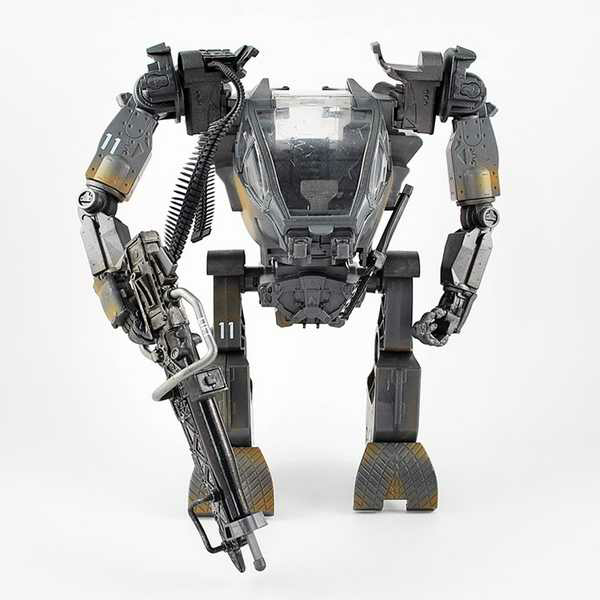
Perhaps you have already been amazed by Israel’s ReWalk exoskeleton system! Hold on—let us turn our gaze to the distant East, where you will find that the Japanese, who have an innate affinity for mecha (as evidenced by the abundance of mecha warriors in Japanese anime, such asup toand the like) have made even more rapid progress in this area!
Earlier, domestic media reported that ever since Japan announced the development of the world’s first and only combat robot, the proud Americans were not having it. The United StatesMegaBots. IncThe company directly submitted a letter of intent to Japan's Suidobashi Heavy Industry, agreeing to let its subsidiary MegaBots 2A Century-Defining Showdown: Manned Robots vs. Gundam-Style Mechs. MegaBots declared, “Listen up, Suidobashi! We have giant robots, and so do you. Since we both field giant robots, we must determine a winner; this battle will decide who reigns supreme and who falls!” Reading this, Allen did not laugh but merely lamented why it wasn’t China stepping forward to challenge Japan... This also indirectly reflects Japan’s genuine passion for robotics!
All right, back to the topic~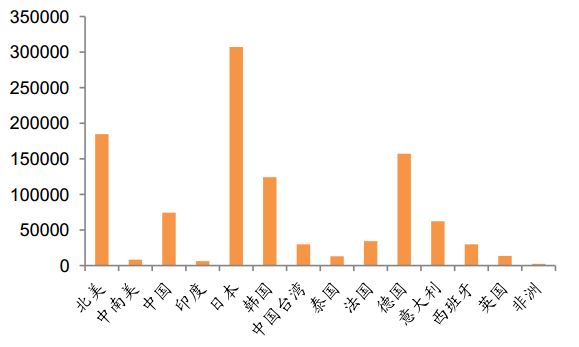
Japan can be described as “Robot Kingdom”, since the 1980s, its robot production and exports have ranked first in the world, and it is also the largest consumer market for robots globally. According to IFR data, approximately one-third of the global industrial robot stock currently originates from Japan, while Japan’s annual shipments of industrial robots have consistently ranked first worldwide, reaching 27,894 units in 2011. In the automotive and electronics industries, Japan took the lead in large-scale adoptionIndustrial Robots, which significantly improved the quality of its automotive and electronic products, surged production volumes, and substantially reduced manufacturing costs. This enabled Nissan to enter the markets of the United States—known as the "Kingdom of Cars"—and other developed countries with the absolute advantage of offering high-quality products at competitive prices.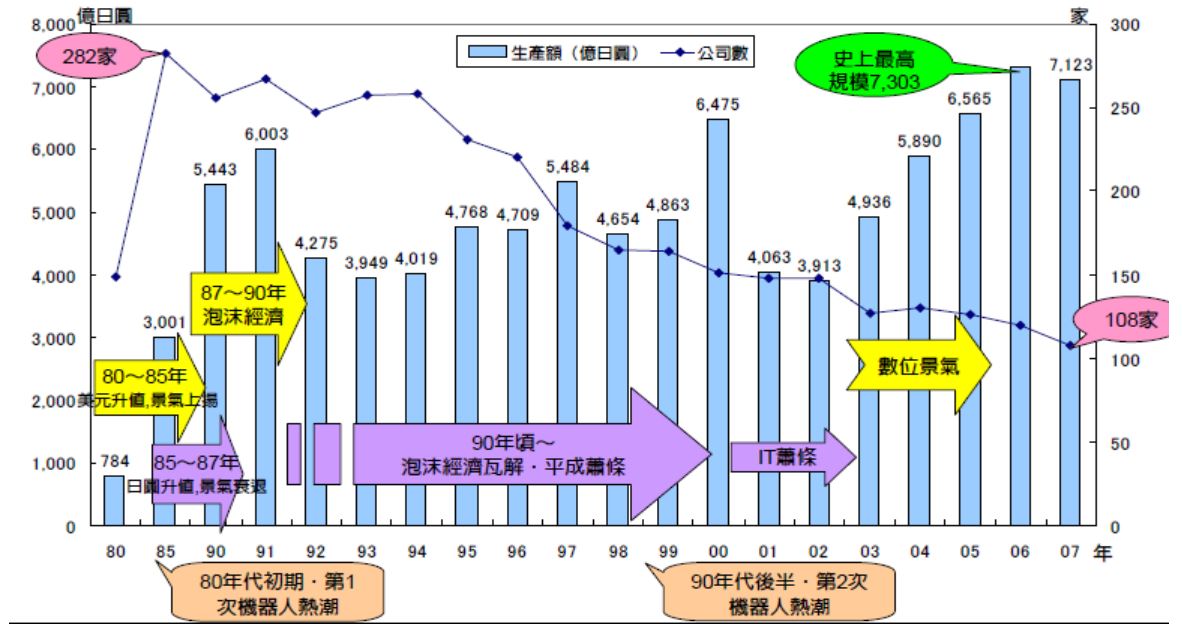
The Golden Decade of the Robotics Industry
The 1980s and 1990s were hailed as the golden age of Japan's economy.Golden Development Period, not only in the automotive manufacturing industry, but also in various fields such as healthcare, communications, and transportation, there has been significant development. The robotics industry is certainly no exception.
In the late 1960s, Japan’s economy was in a period of rapid growth, with an average annual growth rate reaching 11%. This swift economic expansion also exacerbated the severe shortage of labor. In 1967, Kawasaki Heavy Industries of Japan introduced robots and related technology from the United States, and in 1968 developed the first Japanese-made “Unimate“Robots. After a series of processes involving digestion, absorption, and innovation, Japanese industrial robots rapidly transitioned from their nascent stage in the 1960s to a period of practical application in the 1970s.”
1980 was known as Japan's “The Year One of Robot Proliferation”, Japan began to promote the use of robots in various fields. The period from 1980 to 1991 marked the first boom in Japan’s robotics industry, with production value reaching its first historical peak of JPY 600.3 billion in 1991. From 1992 to 2000, the industry entered a phase of stable development; driven by exports in the late 1990s, Japan experienced its second robotics boom, with shipment value hitting a second peak of JPY 647.5 billion in 2000. Since 2001, thanks to the gradual recovery of the Japanese economy and strong export demand, the industrial robotics sector has regained momentum, with shipment value reaching an all-time high of JPY 730.3 billion in 2006. In terms of export destinations, Asia is the primary market for Japanese robots.
However, driven by the maturity of the industrial robot market and the accelerating aging of the population, Japan has begun to accelerate the development of service robots, leading 2013 to be hailed as “Year One of Service Robots.” The Ministry of Economy, Trade and Industry (METI) projected that the market size for service robots in Japan would surpass that of industrial robots by 2020, reaching approximately USD 10 billion, with long-term projections (by 2035) estimated at around USD 50 billion. Service robots are poised to become the strategic high ground of Japan’s future robotics industry. Against this backdrop, Cyborganics Inc. has gradually stepped into the spotlight.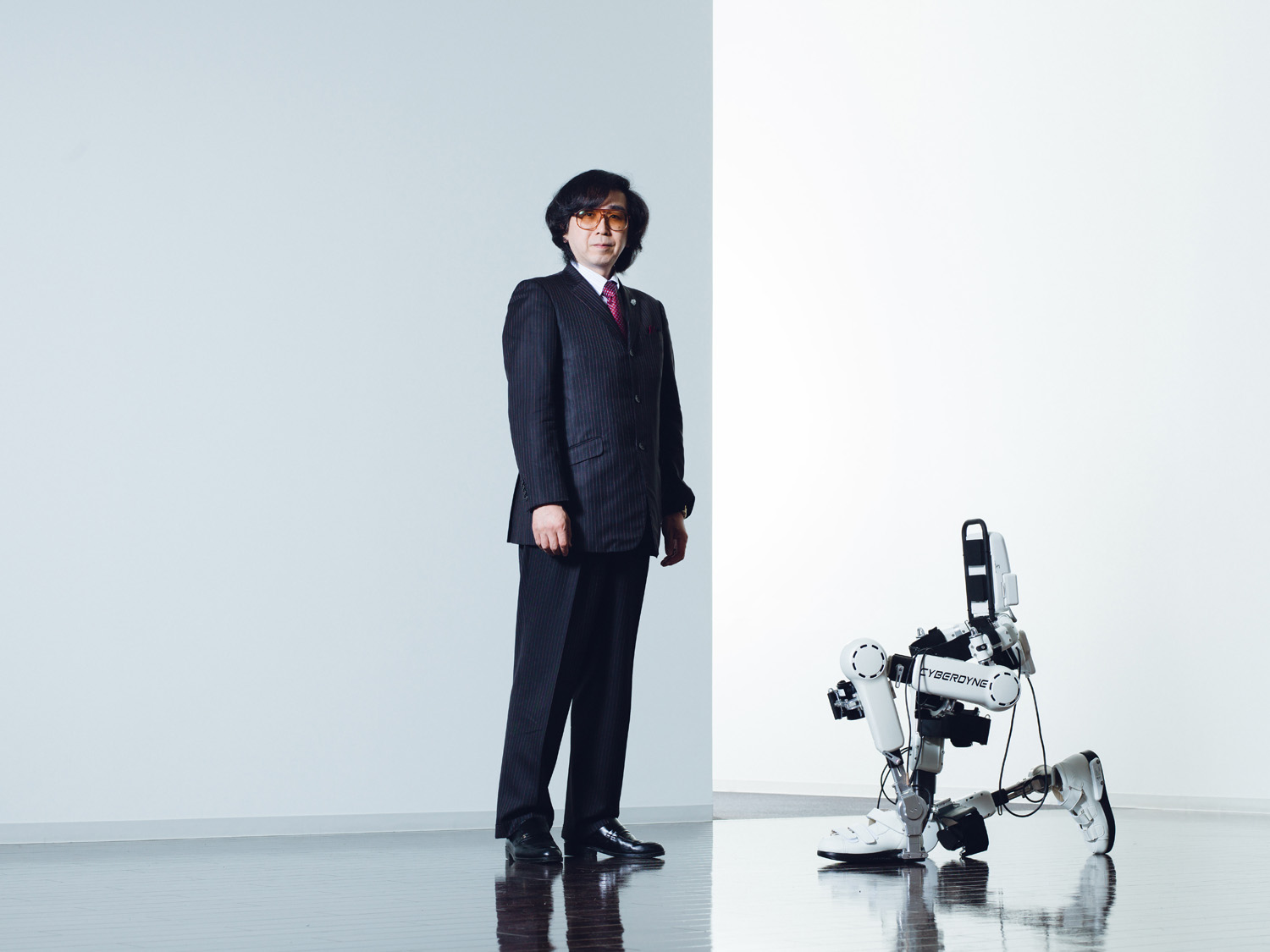
By No Means Accidental: The Rise of Cyberdyne
With the development of Japan's economy, it faces a prominent problem, which isRapid Population AgingMoreover, the total population is continuously declining, while the costs of healthcare and elderly care are soaring. It is evident that public policy alone cannot resolve these issues; market forces are required. Over the past few decades, demographic challenges have become an intractable predicament for Japan, leaving government authorities at a loss and yielding minimal results. Japan has the highest proportion of individuals aged 65 and above worldwide, resulting in substantial social and economic burdens.
In this context, the country has entered uncharted territory. Over the next decade, government spending on elderly care in Japan is projected to double, reaching $175 billion annually. Additionally, the working-age population providing support for the elderly is shrinking. The UN Population Division predicts that by 2050, every 100 working-age individuals in Japan will bear the burden of supporting 72 elderly people, compared with 41 in 2013. Meanwhile, the corresponding figure for the United States in 2050 is expected to be only half that of Japan.
Where there is demand, there is innovation. This statement remains highly apt in this context.
In 1991, Yoshiyuki Sankai, a professor at the University of Tsukuba in Japan, (Yoshiyuki Sankai) established Japan's premier intelligent robotics research center, the Center for Cybernics Research.
Later, Yoshiyuki Sankai began pursuing his doctoral degree at the University of Tsukuba. In 1995, by integrating “cybernics” technology, he invented a flagship product with a science-fiction flair, namedRobot Suit HAL(Hybrid Assistive Limb, Note: hybrid-assistive limb) mechanical exoskeleton; of course, at this stage it was only a prototype. “Cybernetics” is an interdisciplinary technology involving bionics, electronics, and physics, aimed at creating intelligent devices that assist human movement. As time goes by, when people’s limbs become unresponsive or their bodily functions are impaired, such intelligent prosthetic limbs employing cybernetic technology will take their place.
In 2001, Professor Yoshiyuki Sankai and his research team at the University of Tsukuba in Japan officially launched the HAL (Hybrid Assistive Limb) series of hybrid assistive exoskeleton robots. The full-body exoskeleton system is designed to meet varying user needs: the lower-limb exoskeleton provides assistance to users with leg weakness, while the upper-limb exoskeleton enables users to lift loads weighing up to 100 kg.
To date, according to VCBeat’s previous analysis:《Policy, Technology, and Funding: Understanding the Three Major Barriers to Entrepreneurship in Internet Healthcare》With all three of these skills already in his possession, starting a company was a natural next step.
In 2004, with funding from the Japanese government, Professor Sankai foundedCyberdyneThe company’s flagship product, HAL, made its debut at the 2005 Aichi Expo and is currently Japan’s most renowned robotic exoskeleton. HAL was officially launched in 2008 and became the world’s first robotic exoskeleton to receive safety certification (ISO/DIS 13482) in 2013. In March 2014, Cyberdyne listed on the Tokyo Stock Exchange’s Mothers market, becoming the first Japanese company producing robots for medical and social welfare applications to go public. The company obtained CE certification for clinical use in 2013, actively promoting its products in the European market, and is currently planning to apply for U.S. FDA approval.
At this point, Cyberdyne seemed firmly on the fast track to having its CEO marry into wealth and beauty. So why is it still losing money and continuously issuing new bonds? To understand this, we must examine the company’s financial situation.
Valuation & Financial Analysis and Shareholding Structure
“Do No Harm”At the core of Mitsuyoshi Miyuki’s philosophy on conducting business. He stated that he maintains firm control over the company to ensure its technology is used exclusively for peaceful, non-lethal, and non-military purposes. When Mitsuyoshi Miyuki first sought investors, he raised $55 million through a private placement of non-voting shares. When the cyborg company went public last year, it issuedTwo Types of Stocks: One class of ordinary shares and one class of special shares; this structure enables Sanjie Jixing to hold 86.4% of the voting rights despite owning only 39.7% of the outstanding shares.
CYBERDYNE raised approximately JPY 3 billion (USD 35 million) upon its initial public offering. These funds will be used to expand its product lineup and develop service-oriented businesses, among other initiatives. One month later, the company raised nearly USD 9 million through a secondary stock placement. The company adoptsDual Voting Rightsstructure can help Sanjie Jixing firmly maintain control over the company, because companies adopting this structure are difficult to become takeover targets.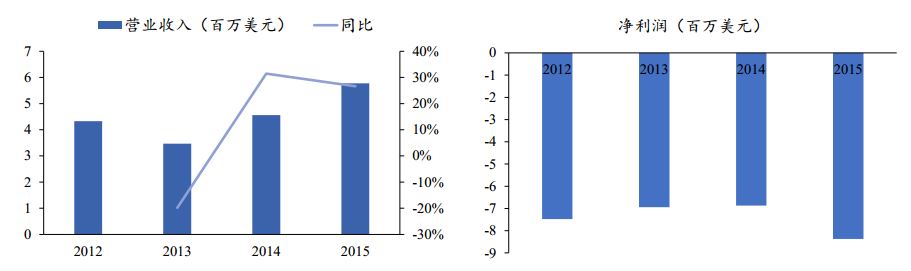
Currently, the company has a market capitalization of approximately $1.8 billion and has not yet achieved profitability. Its operating revenue for the fiscal year 2015 was $5.8 million, representing a year-on-year increase of 26.6%. Similar to other exoskeleton development companies, its net profit remains negative, indicating it is still operating at a loss.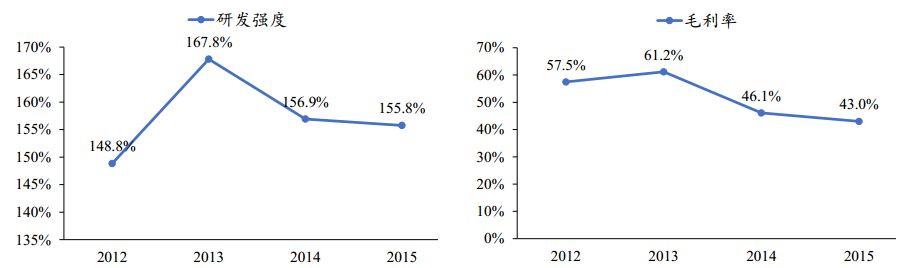
This is because, on the one hand, to address future broad market demand and technological advancements, the company has maintained a high R&D intensity, at around 150%. In comparison, Cyberdyne has a relatively high gross profit margin. However, significant expenditures on items such as regulatory certifications have led to high operating expenses, thereby raising concerns about the company’s profitability. As certifications are obtained and the consumer market expands, the company is expected to achieve break-even in the future. On the other hand, the key driver of the company’s expenditure growth lies in securing additional regulatory approvals for HAL as a medical device, which would enable its inclusion in insurance coverage and expand the applications of this technology. For example, one use case could be health monitoring to detect early signs of stroke. Germany has already approved HAL for treating injured workers and allows them to cover the costs through workers’ compensation insurance.
Phase III Trial Outlook: With FDA Approval, Bionic Humans Are Expected to Achieve Profitability in the Short Term.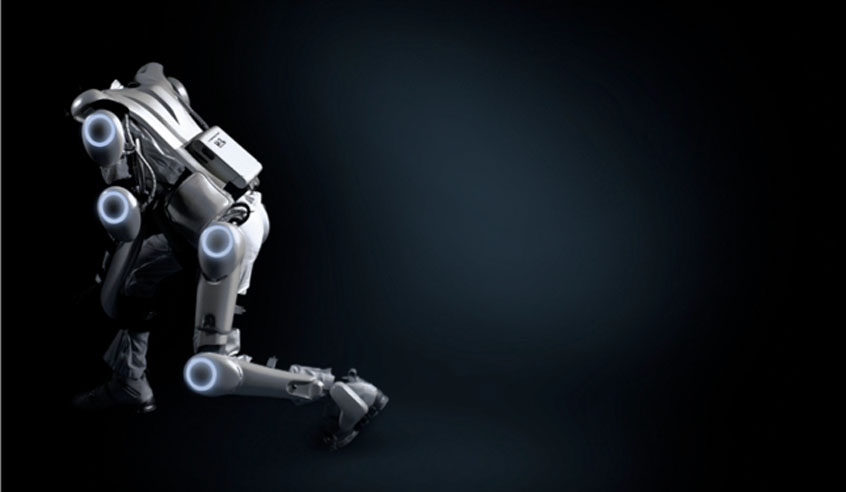
.Technology, Representing Everything
Cyberdyne’s flagship product, HAL, has undergone five generations of development to date. In 2010, the research division at the University of Tsukuba proposed designing exoskeletons based on the concept of bionic ergonomics. Unlike other exoskeleton designs, HAL places greater emphasis on integration with the human body, operating on the principle that the HAL system should serve as a natural extension of the human body rather than merely an assistive device. To this end, HAL is equipped with a “bio-signal detection” function, enabling the exoskeleton to detect muscle activation points and intervene accordingly, thereby augmenting muscular strength to assist in task performance. In 2009, the research team categorized HAL-5 into several types to better facilitate walking assistance.
HAL-5 is a wearable robot, standing 1,600 mm tall and weighing 23 kg. Powered by a rechargeable battery (100V AC), it offers an operating time of nearly 2 hours and 40 minutes. Known as a "robotic suit," HAL-5 is the world’s first human-machine integrated system.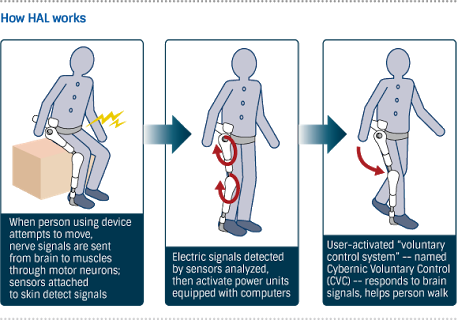
It features a voluntary control function that enables it to act in accordance with the wearer’s intent, as well as an autonomous mechanical control function. It integrates the human brain-nervous system and musculoskeletal system with the robot into a unified structure, allowing it to function as an extension of the human body. The most compelling aspect of this product is its mind-controlled operation. The device moves in response to motor commands sent from the brain to the musculoskeletal system. During movement, weak bioelectric potential signals leak onto the skin surface; HAL detects these surface bioelectric signals and activates actuators installed at the joints to provide assistance.
In terms of functionality, it assists the wearer in performing actions such as standing, walking, climbing, grasping, and lifting heavy objects, enabling the completion of nearly all daily activities with the HAL-5. Equipped with a hybrid control system, the HAL-5 delivers robust performance both indoors and outdoors. When wearing Cyberdyne’s exoskeleton, users do not feel its self-weight of 130 pounds (approximately 59 kilograms), as the device bears this load for them.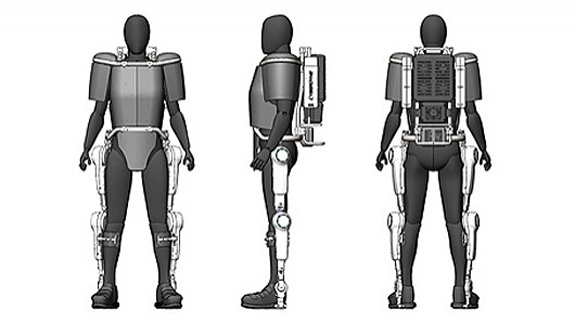
Compared with ReWalk, the HAL system developed by CYBERDYNE has a broader range of applications. It includes not only medical lower-limb exoskeleton systems designed to help paraplegic patients walk, but also civilian full-body exoskeleton systems for strength enhancement in healthy individuals, as well as exoskeleton systems for use in disaster relief scenarios.
From a sensor perspective, ReWalk is driven by gravity sensors. Once the system detects the user’s center of gravity leaning forward, it controls the lower-limb exoskeleton to perform a series of combined movements, including leg lifting, forward extension, and foot placement. In principle, ReWalk functions as a more advanced version of the SoloWheel unicycle. In contrast, HAL is driven by bioelectric sensors. The system collects bioelectrical signals from the skin, identifies the user’s intent, and drives the exoskeleton to perform corresponding actions. In other words, HAL is mind-controlled.
In 2010, Yasushi Uchida, a 48-year-old Japanese man who had been paralyzed in both legs due to a car accident, successfully summited the Breithorn in the Swiss Alps at an altitude of over 4,000 meters with the aid of the HAL exoskeleton system, bringing widespread fame to CYBERDYNE and HAL!
Currently, the HAL system’s brain-computer interface (BCI) control technology represents the world’s most cutting-edge advancements, underscoring CYBERDYNE’s formidable expertise in this domain.
Market Demand: The External Driving Force
Currently, Japan’s demographic profile can be characterized as “ultra-aged.” As a nation with high longevity, statistical data from 2003 reported an average life expectancy of 78.36 years for men and 85.33 years for women, with the population aged 65 and above accounting for 19.24%—a proportion that continues to rise. Experts project that by 2050, the share of the population aged 65 and older will increase to 33.7%.
It was projected that Japan’s service robot market would reach ¥252 billion by 2020. Thus, despite the limited number of manufacturers producing exoskeletons for the elderly and their high price tags, these devices have gained market acceptance.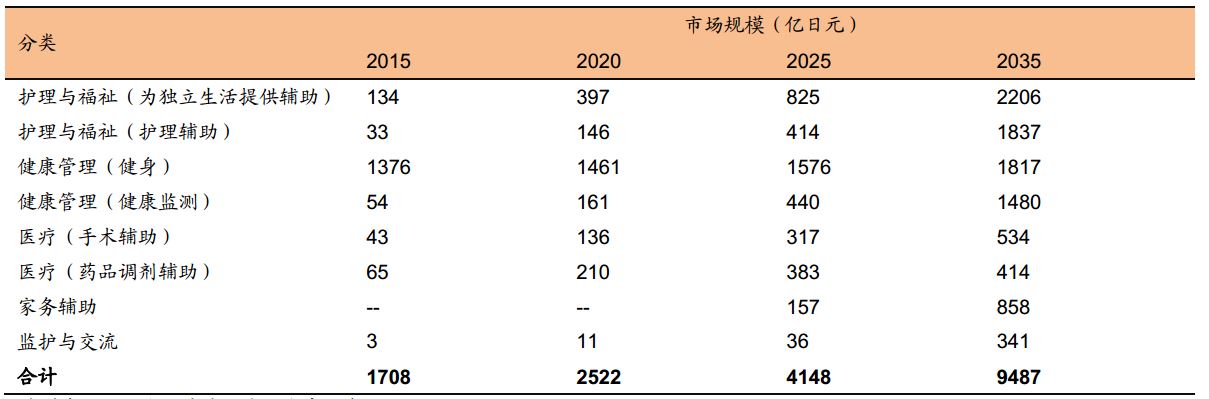
In Japan, more than 400 units of HAL have been sold, with a price of approximately $150,000 per unit. The HAL 3 model provides leg-only functionality, whereas the HAL 5 offers comprehensive exoskeletal support for the arms, legs, and torso. In the future, Cyberdyne plans to develop robotic suits designed for specific joints such as the elbows and knees, as well as wearable robotic suits for children.
Due to the high cost of using the product, the company has adopted a leasing model to distribute the substantial expenses. According to official data from Cyberdyne, since 2010, 150 hospitals and nursing homes in the Tokyo area have cumulatively leased 330 HAL units. After paying an initial implementation fee of approximately $5,200 (conceptually equivalent to an installation fee), users can lease the device for about $1,700 per month (with lower monthly rates available for leases exceeding one year). This flexible leasing arrangement has been well received by medical institutions.
Although these devices are currently very bulky (weighing up to 80 pounds) and expensive, Ji Xing has been committed to developing lighter and more affordable models, with the belief that more people will regain mobility through this technology in the future.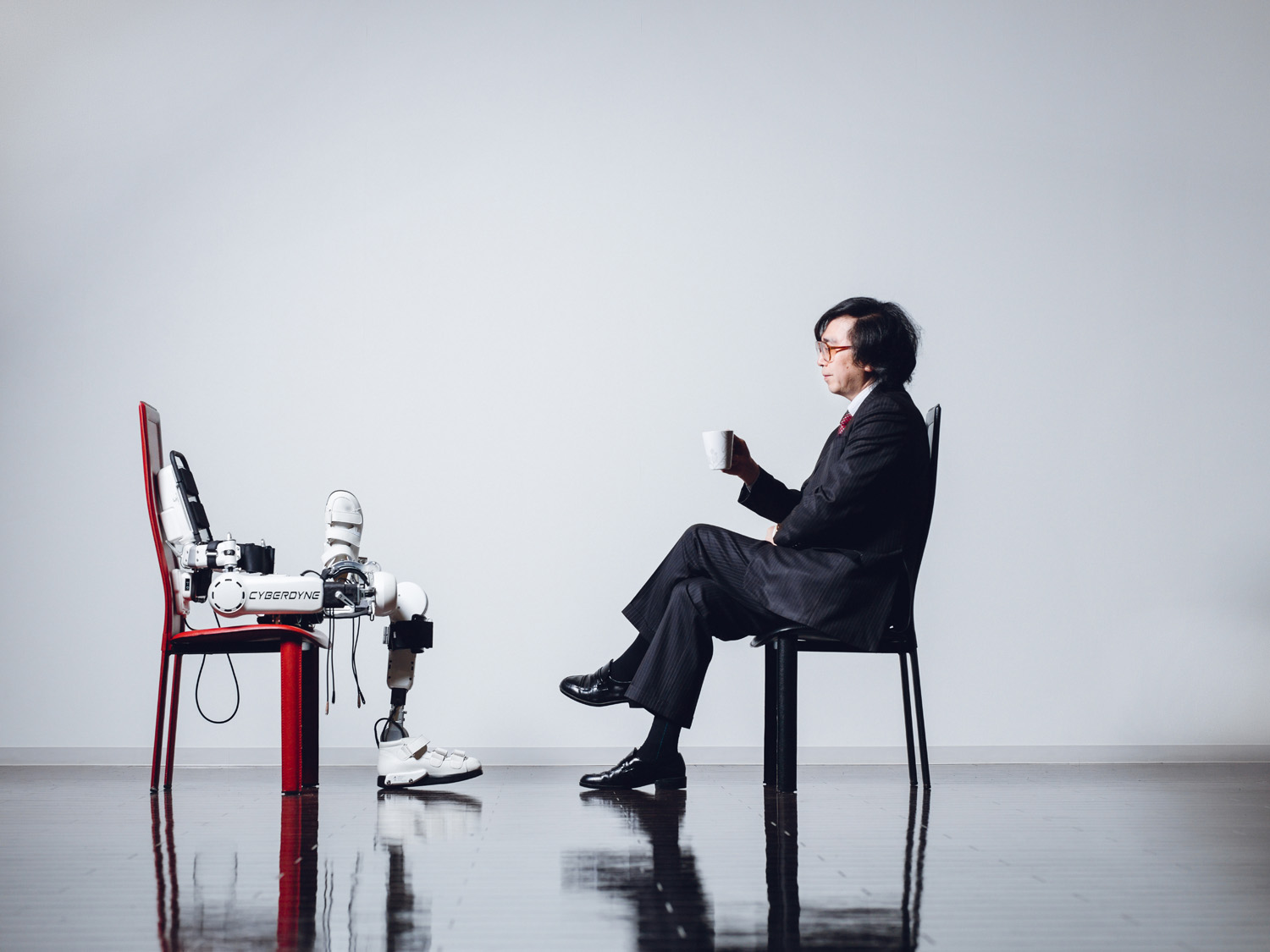
Influence Represents the Future
56-year-oldThree-Tier Good PracticeHe had been delving into robotics from a very young age. In 1997, he created the first prototype of HAL, and after finding a market for his product, he founded Cyberdyne Inc. in 2004. Forbes featured the company in its 2005 special issue on the “E-gang,” and subsequent reports mentioned that Yoshiyuki Sankai raised $15 million to build a 20,000-square-foot research and production center near Tokyo and initiated medical device certification procedures in Europe. Since then, external interest in Yoshiyuki Sankai’s work has surged.
Although the company is currently still operating at a loss, Sanjikai’s vision has been strongly embraced by investors. The company is expected to break even in 2015, as the Japanese government will provide subsidies for the development of more advanced robots to meet the growing demand in its domestic elderly care market.
The company has received substantial support from numerous research institutions and government entities. In Japan, CYBERDYNE has been designated as a key component of the “Japan Life Innovation Grand Strategy,” and the region where the company is based will be incorporated into the Tsukuba National Strategic Special Zone. Currently, there are three rehabilitation centers in Japan, while in Germany, its services have been covered by national health insurance, and in the United States, it is undergoing FDA approval.
According to Forecaster SNS Research, global wearable device revenue is projected to reach $20 billion over the next six years, with a compound annual growth rate (CAGR) of nearly 40%. To embody the spirit of this era, Japanese Prime Minister Shinzo Abe has announced plans to host a Robot Olympics during the 2020 Tokyo Summer Games.
Mission: Earning Respect for Cyberdyne
In 1937, during the Spanish Civil War, Germany and Italy devastated Guernica, an undefended Spanish town. The bombing shocked and inspired many artists, including Picasso, who later created the world-renowned mural of the same name. Picasso’s work is imbued with profound compassion for the tragedies of war, while his anger fueled an extraordinary focus. The result is a highly engaging mural with a strong anti-war sentiment, owing to its intricate sophistication—the integration of symbolism, hidden imagery, fragmented limbs, bestiality, and emotive flames into a single composition constitutes its brilliance.
Similarly, Beethoven’s Fifth Symphony also subordinates all its details to a single overarching theme. The four movements of the entire work—characterized by the “short-short-short-long” motif—ultimately converge like four ceaselessly flowing streams returning to the sea, jointly serving the theme of “Fate.” You may listen to the piece or watch a visualization video to experience the theme of “separation and unity of parts.”
As a pioneer in an emerging industry, an excellent product is its sole means of self-defense. From the first to the fifth generation of HAL, Cyberdyne has remained steadfastly committed to cultivating the rehabilitation market for the elderly and individuals with disabilities. Regardless of its ultimate success, its conviction alone commands our respect.
Company Express
CYBERDYNE Inc. (Cyberdyne Inc.)
Country: Japan
Mission: Dedicated to Rehabilitation for the Elderly and People with Disabilities
Exchange: Tokyo Stock Exchange
Launch Date: March 26, 2014
Code: 7779
Market Capitalization: $1.8 Billion
Latest Product: HAL-5
Introduction: CYBERDYNE, Inc. was established in June 2004 based on the research achievements of Professor Yoshiyuki Sankai from the Faculty of Informatics and the Cybernics Research Center at the University of Tsukuba.