

Tasly Launches RMB 5 Billion Health Industry Fund; Zhongguancun Boosts Medical Startups
Today's Headlines:
Tasly Grand Health Industry Fund Established, Raising CNY 5 Billion
3D Medicines Secures RMB 146 Million in Series D Financing, with Full Funds Received
The Year’s Longest Acquisition Farce—Mylan’s Takeover of Perrigo Ends in Failure
FDA Accepts Marketing Application for First "Digital Pill"
Dario: Turn Your Smartphone into a Diabetes Monitor
Fever Scout: A Wearable Thermometer Designed Specifically for Babies
China’s First ADC Anti-Cancer Drug Enters Clinical Trials
Shenzhen to Implement Online Filing System for Physicians’ Multi-Site Practice
National Health and Family Planning Commission Issues Document: Strict Punishment for Hospitals Involved in Clinical Trial Fraud
Zhongguancun to Vigorously Support Internet Healthcare Startups
Care Robots to Become a “Lifebuoy” for Japan’s Aging Population
Galaxy Bio Raises RMB 7.5 Billion to Bolster Biopharmaceuticals, Targeting Precision Medicine
Investment and Financing
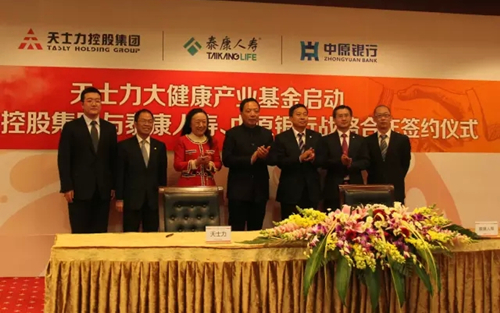
Tasly Establishes Big Health Industry Fund, Raising CNY 5 Billion
Recently, byTaslyInitiated by the Holding Group,Taikang Life Insurance, Taikang Asset Management, Zhongyuan Bank, and other institutional investors, as well as select high-net-worth individual clients, participated in the “Tasly Big Health Industry Fund"Officially established, with a fundraising scale of RMB 5 billion."
It is reported that the main investment areas will include: rehabilitation and specialized hospitals, as well as elderly care institutions integrating medical and nursing services; medical equipment companies, medical device companies, and major disease diagnostic companies closely related to the pharmaceutical industry; traditional Chinese medicine processing and trading enterprises with upstream resources, and health supplement and functional food companies with brand advantages; while also paying attention toTelemedicine、Mobile Healthcare, and projects in emerging fields such as big data platforms for medical services.
“The Tasly Grand Health Industry Fund will leverage post-investment value-added services—including industrial chain upgrading, enhancement of industry standards, institutional innovation, and international expansion—to assist portfolio companies in improving their operations and business models, thereby fostering corporate growth and enhancing the value of target enterprises. By effectively participating in the restructuring and integration of resources across the health industry chain, the fund aims to share the dividends of growth in the grand health sector with investors and maximize investment returns,” said Yan Kaijing, Head of the Strategic Investment Business Group at Tasly.
Since 2008, Tasly has successively launched a series of fund platforms. This “industry + capital” development model has provided strong impetus for Tasly’s transition from modern traditional Chinese medicine to a broader layout in the big health industry. Yan Xijun stated that the big health industry fund raised this time will propel Tasly’s investment and asset management platform into a new era of rapid development.
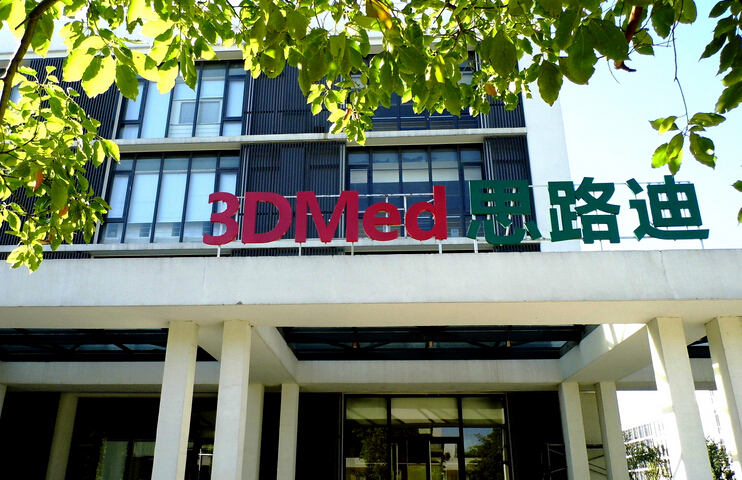
Precision Oncology Group 3D Medicines Secures RMB 146 Million in Series D Financing, with Funds Fully Received
Recently, 3D Medicines, which focuses on precision oncology,Precision Medicine3DMed completed its Series D financing of RMB 146 million in the second quarter of this year, with all funds from this round now fully secured.
Dr. Xiong Lei, the company’s founder, stated that this round of investment involved six institutions. Fangsheng Fund, which led the Series C round, once again co-led this round together with former Tencent CTO Xiong Minghua and another prominent investor. In addition, well-known pharmaceutical company Tasly, Zhongmin International (a subsidiary of China Minsheng Investment Corp., the largest private investment firm in China), and another renowned healthcare-focused fund all participated.
To date, 3D Medicines has secured cumulative funding of hundreds of millions of RMB across four rounds from 14 venture capital firms, becoming the company with the largest financing scale in the field of precision oncology.
Xiong Lei stated that this round of financing will primarily be allocated to the following areas:
Implementation and Promotion of Precision Cancer Prevention Services. With the support of several rounds of early-stage investment, 3D Medicines has established a cancer risk prediction model and will collaborate with Grade A tertiary hospitals and health examination centers to collect data from high-risk populations, thereby delivering personalized cancer-specific screening and prevention services.
Accelerate the national strategic layout of precision medicine services. 3D Medicines will launch China’s largest-scale precision medicine Basket Trial and Umbrella Trial across dozens of Grade A tertiary hospitals, while advancing strategic collaborations with hospitals nationwide.
Advance the preclinical development and clinical trial applications for several existing precision oncology drugs.
Strengthen data infrastructure development, including the construction of large-scale server clusters and the establishment of overseas R&D centers.
Precision medicine has recently become a hot topic in the investment community. In China, however, business models in this field are highly diverse, spanning medical areas ranging from rare disease diagnosis, health risk assessment, and oncology to diabetes and other conditions. In the United States, the precision medicine initiative proposed by President Obama in his State of the Union address earlier this year focuses primarily on cancer. This area is currently recognized as the most mature application of precision medicine and constitutes a key focus of President Xi Jinping’s RMB 60 billion Precision Medicine Initiative in China.
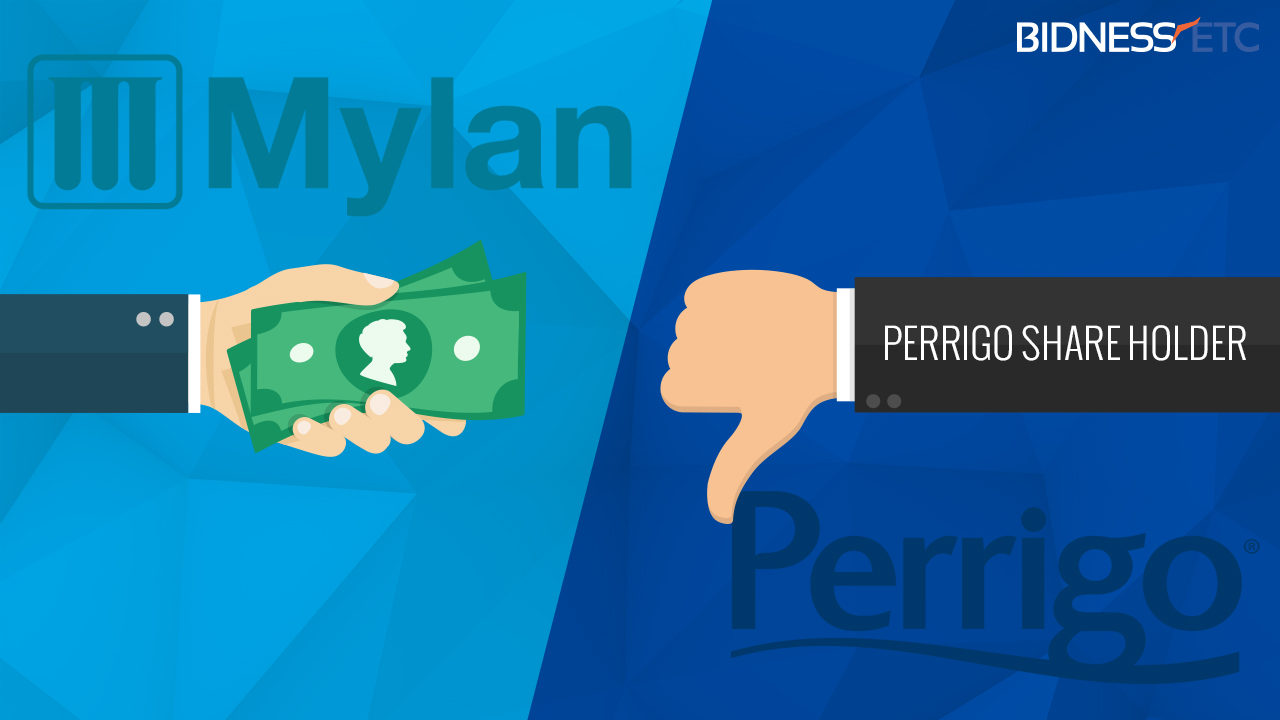
The Year’s Longest Acquisition Farce—Mylan’s TakeoverBaili# The Gao Case Ends in Failure
This year, the pharmaceutical industry’s longest acquisition battle has finally come to an end. Mylan failed to successfully acquire Perrigo, dashing its dream of restructuring to create the world’s largest generic drug and over-the-counter (OTC) pharmaceutical giant.
This merger and acquisition deal has been the talk of the town this year, marked by numerous twists and turns. The two protagonists in this saga are both pharmaceutical giants: the acquirer, Mylan, is the world’s third-largest generic drug manufacturer, while the target, Perrigo, is a leading global supplier of consumer health products and the largest manufacturer of over-the-counter (OTC) medications and nutritional products.
Here is what happened: The acquisition battle began in early April this year when Mylan made a $29 billion takeover offer for Perrigo, which was initially rejected. Unexpectedly, Teva, another generic drug giant, entered the fray with a $40 billion bid to acquire Mylan. To fend off Teva’s hostile takeover or to expand its business, Mylan submitted a new offer to Perrigo, driving the price up to $35 billion. However, none of these parties were willing to be taken over easily. The acquisition war, which lasted from early April until last Friday, has finally come to an end. Mylan secured only 40% of the equity, failing to meet the 50% shareholder approval requirement, and regrettably announced the failure of its acquisition of Perrigo. Mylan will return the 40% stake to Perrigo’s shareholders.
Following the announcement, Perrigo’s stock price fell sharply, yet CEO Joseph Papa remained pleased, as the company’s shareholders stood behind the current management team. The Chairman also issued a statement, noting, “Mylan views Perrigo as a unique opportunity, but Mylan is not an essential partner for our company’s future success.” In its efforts to counter this hostile takeover, Perrigo has racked its brains; just last month, it planned to lay off 800 employees to free up $2 billion for a share buyback, thereby strengthening its equity position.
Analysts who were also skeptical about the merger of the two companies welcomed this outcome: “The failed acquisition is a positive development for Mylan. We believe Mylan overvalued Perrigo, and the long-term returns from the acquisition are questionable. The failure of the merger will instead allow the company to focus on other transactions, such as acquiring Sanofi orPfizergeneric drug business, these transactions all carried lower risk and offered higher returns than the acquisition of Boli High.”
Business is like a battlefield; there are only perpetual interests, and all choices are made to maximize returns. As Joseph Papa, CEO of Perrigo, stated in his letter to employees and shareholders: “The acquisition is behind us. We will continue to create value for our investors. We are confident in Perrigo’s near-term and future growth, and we remain firmly committed to delivering consistent returns to our shareholders!”
New Technologies
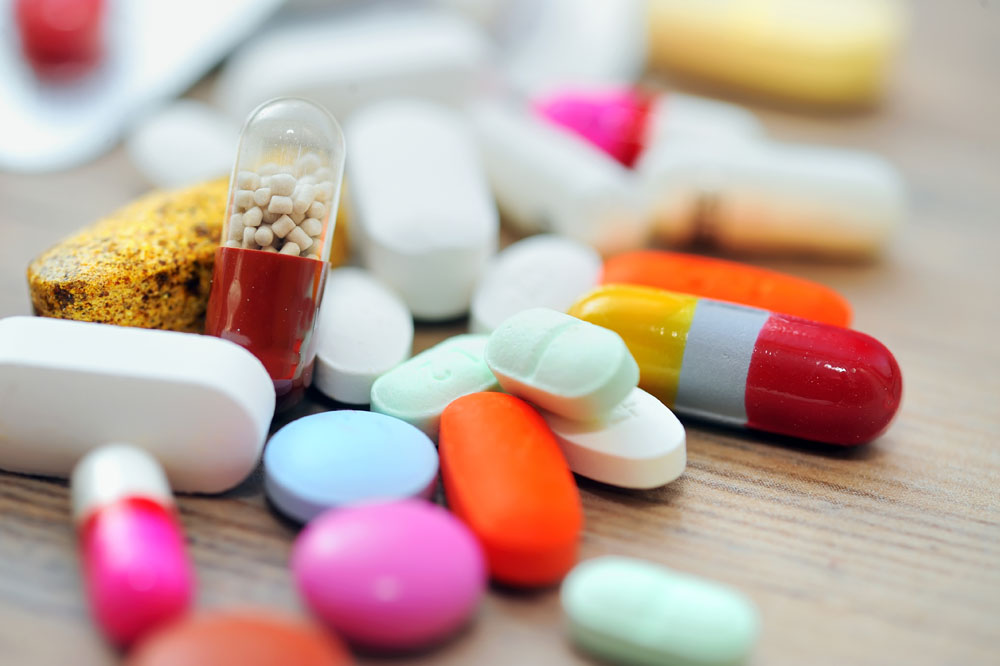
FDA Accepts Marketing Application for First “Digital Pill”
According to a recent report by the Financial Times, the U.S. Food and Drug Administration has accepted the marketing application for the first “digital pill,” bringing digital pills into public view and daily life.
“Digital pills” are also known as “Smart Pills”, is the product of a marriage between the pharmaceutical industry and high technology. Specifically, its principle and procedure are as follows: A sensor (chip) smaller than the tip of a pencil is embedded in the tablet. After the ingested tablet is dissolved by gastric juice, the sensor transmits relevant information to a receiver carried by the patient. This information, along with data such as heart rate, body temperature, and activity duration, is then relayed via Bluetooth or other transmission media to mobile devices used by physicians or at home, thereby facilitating medical treatment or home care.
The UK’s Daily Mail considers this sensor to be “ingestible technology.” It is entirely composed ofEdible MaterialsFabricated to enter the human stomach via the esophagus and become activated through bodily absorption. The sensor itself does not contain a battery; instead, gastric juice serves as an electrolyte solution to generate electricity, thereby eliminating the health risks associated with metallic batteries. Once the pill coating is completely dissolved and absorbed by gastric juice, the sensor undergoes a chemical reaction with gastric acid to produce electrical power, enabling it to commence operations such as data recording, computation, and wireless transmission and reception of sensor information.
In addition to ensuring timely medication and therapeutic efficacy, smart pills can significantly reduce the substantial waste caused by incorrect medication adherence. Statistics show that in the United Kingdom, unused medications cost the National Health Service (NHS) approximately £500 million annually, with even greater waste occurring in the United States. Smart pills enable precise management and real-time monitoring of patients’ medication intake, thereby minimizing such preventable waste.
Nowadays, data and intelligence have become standard features of our times, while internetization and the Internet of Things (IoT) signify larger markets and greater opportunities. As internet-based healthcare transitions from concept to practical application, digital medical technologies have already become ubiquitous—ranging from health-tracking wristbands to computers and chips as small as a grain of rice or even a speck of dust. Technological advancements have not only significantly reduced the size of medical devices but also enabled an increasing number of drugs to become smarter and more effective. Meanwhile, the concept of digital healthcare has fueled boundless expectations for future health management.
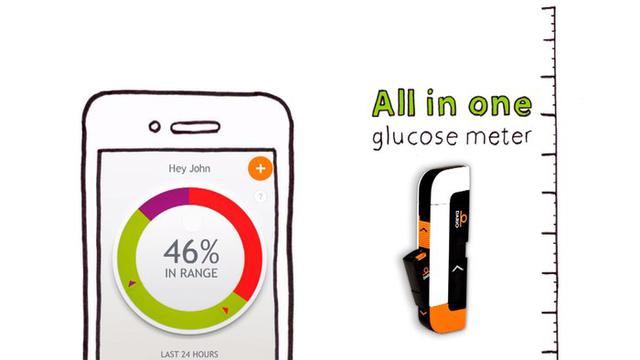
Dario: Turn Your Smartphone into a Diabetes Monitor
Dario Meter is a smartphone-connectedPocket Diabetes Meter, suitable for both type 1 and type 2 diabetes. It is affordable and easy to use, allowing users to record blood glucose levels and other important data through a companion app, while also staying connected with family members and healthcare providers.
This device was designed to make life easier for people with diabetes, offering a single product that tracks blood glucose levels, insulin intake, calorie consumption (via a built-in food database), and physical activity.
The blood glucose meter contains a test strip cartridge with 25 disposable test strips. The reagents on the test strips react with blood glucose to provide a reading. Once the test strips are exhausted, simply remove the cartridge and replace it with a new one.
The device also provides users with a simple health report, helping them understand why their blood glucose levels have changed and how to interpret the estimated A1C—a hemoglobin measurement that reflects average blood glucose levels over an extended period.
Additionally, if a user’s blood glucose levels drop to dangerously low levels, the app will automatically contact family members or healthcare providers. All data is stored in the cloud, and users can authorize family members and friends to view the data by logging into the web portal.
Another piece of good news is that the Dario Meter is affordable. The Lite version (glucose meter only) is priced at £14.95 ($23), while the all-in-one version (glucose meter and test strips) costs £24.95 ($38).

Fever Scout: A Wearable Thermometer Designed Specifically for Babies
At 3 a.m., your child starts crying. You go to their room and find they have a fever. While your heart aches, you realize you have only two options: either insert a cold rectal thermometer into your child’s body—but how can you bear to put them through such distress? Or opt for a surface thermometer, which offers only superficial contact and is unreliable. Even if your child appears fine and falls back asleep during the temperature check, you are likely to spend the rest of the night awake, worried about their health.
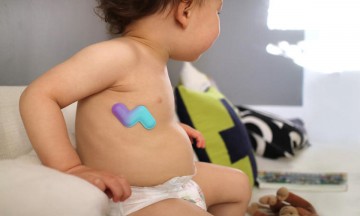
The electronic thermometer market has reached a valuation of $800 million, with Fever Scout emerging as a rising star in the field. Simply attach it to your child’s body to monitor their temperature in real time; the device is also reusable. By connecting via Bluetooth to a companion app, it sends temperature trend charts directly to your smartphone and can even wake you up in the middle of the night if your child’s temperature rises too high.
This adhesive circuit technology comes from Vivalnk, a San Francisco-based company, and has received strong support from NewDealDesign, a product design firm also located in San Francisco. Originally developing wearable devices similar to Fitbit, Vivalnk has recently shifted its focus to baby monitors, bringing science-fiction-inspired technology into production.

China's First ADC Anti-Cancer Drug Enters Clinical Trials
Recently, the National Medical Products Administration issued an approval document, authorizing RC48, a novel antibody-drug conjugate (ADC) anticancer drug developed by Yantai Rongchang Biopharmaceutical Co., Ltd., to enter clinical trials. ADCs represent a new generation of anticancer therapeutics. RC48 is the first ADC drug approved in China to enter human clinical trials. This project holds independent global intellectual property rights. It not only fills the gap in clinical research in this field in China but also marks a breakthrough in China’s capabilities in ADC drug development and industrialization.
Antibody-Drug Conjugates (ADCs) are a class of therapeutics that link monoclonal antibodies with highly potent cytotoxic agents to form complex drug molecules. By leveraging the targeting capability of antibodies, ADCs deliver these potent anti-tumor agents directly into tumor cells, thereby selectively killing them. Characterized by high efficacy and reduced toxicity, ADCs represent a frontier in global oncology drug research. By targeting tumor-specific antigens associated with different cancers and patient profiles, a range of ADCs can be developed to enable personalized and precision cancer treatment.
The development of antibody-drug conjugate (ADC) therapeutics involves a series of key technologies, including antibody-based biologics, highly potent cytotoxic agents, and conjugation methodologies, presenting significant technical challenges and stringent process requirements. Currently, only two ADC drugs from U.S. companies are in clinical use, marking this area as a frontier in novel drug research.
Preliminary studies have demonstrated that RC48 can effectively kill HER2-positive tumor cells, with its cytotoxic effect far superior to that of currently used clinical antineoplastic agents. For instance, in gastric cancer animal tumor models, a single injection of RC48 resulted in the complete disappearance of existing tumors; in breast cancer models, RC48 remained effective against tumors resistant to Herceptin and lapatinib. Therefore, RC48 holds promise as the most potent weapon against HER2-positive tumors, offering new hope for cancer patients.
Healthcare Reform & Industry Dynamics

Shenzhen to Implement Online Filing System for Physicians’ Multi-Site Practice
Starting July 1 this year, Shenzhen has fully lifted restrictions on the registered practice locations for physicians across the city. Clinical, stomatological, traditional Chinese medicine, and public health physicians registered with municipal or district health administrative departments are permitted to practice in any medical, preventive, or healthcare institution holding a Medical Institution Practicing License within the city, thereby achieving “unified registration, citywide validity.”
To further improve the administration of filing for physicians’ multi-site practice, the Shenzhen Municipal Health and Family Planning Commission led the development of the “Shenzhen Physician Practice Management System,” which is integrated with the National Health and Family Planning Commission’s Physician Practice Management System and Physician Periodic Assessment Management System, as well as the Shenzhen Administrative Approval and Supervision System. Online filing for physicians’ multi-site practice has been implemented since November 20 this year.
National Health and Family Planning Commission Issues Document: Strict Handling of Hospitals Involved in Clinical Trial Fraud
Recently, five Grade 3A public hospitals were placed under investigation by the food and drug administration authorities for involvement in clinical trial fraud. The National Health and Family Planning Commission issued a statement in response, urging relevant departments to conduct thorough investigations into the implicated Grade 3A hospitals.
On November 11, the China Food and Drug Administration (CFDA) issued an announcement stating that clinical trial data for 11 drug registration applications submitted by eight companies were found to be inaccurate and incomplete, and therefore decided to reject these registration applications. The problematic clinical trials identified during this inspection involved five public Grade-A tertiary hospitals, all of which have been placed under investigation: Guangzhou Psychiatric Hospital and the Second Affiliated Hospital of Liaoning University of Traditional Chinese Medicine were directly placed under investigation; while the Union Hospital affiliated with Tongji Medical College of Huazhong University of Science and Technology, the Affiliated Hospital of Bengbu Medical College, and Qilu Hospital of Shandong University are each being investigated by their respective provincial food and drug regulatory authorities.
This marks the first time that the China Food and Drug Administration (CFDA) has rejected a drug application on the grounds of fabricated clinical trial data, including unauthorized data modification, underreporting, and lack of data traceability. The CFDA had previously stated that drug varieties for which clinical trial institutions or contract research organizations (CROs) voluntarily reported issues would be exempt from penalties. The hospitals currently under investigation appear to have disregarded this statement.
After learning of the incident, the National Health and Family Planning Commission (NHFPC) issued a notice on November 16 in response, requiring relevant provincial health and family planning administrative departments to cooperate with local food and drug regulatory authorities in conducting investigations into the Grade A tertiary hospitals involved. Strict penalties shall be imposed on the medical institutions and physicians concerned in accordance with the Regulations on the Administration of Medical Institutions and its Implementing Rules, as well as the Law on Licensed Physicians, and the results of such actions shall be reported to the NHFPC. Meanwhile, all medical institutions undertaking drug clinical trials are warned to carry out thorough self-inspections in accordance with the requirements set forth in the Announcement on Conducting Self-Inspections by Drug Clinical Trial Institutions, so as to promptly identify and rectify any issues. These institutions shall also strengthen the management of medical records and data related to drug clinical trials, as required by regulations.

Zhongguancun to Vigorously Support Internet Healthcare Startups
Recently, among startups in Zhongguancun, the “Several Opinions of the General Office of the Beijing Municipal People’s Government on Accelerating the Development of the Biopharmaceutical, Medical Device, and Related Industries in Zhongguancun” has sparked heated discussion. The Opinions outline a five-year plan for medical entrepreneurship in Zhongguancun, aiming to vigorously support the development of industries such as biopharmaceuticals, medical devices, and internet-based healthcare, with projected total industry revenue exceeding RMB 1 trillion.
Currently, the biomedical industry in Zhongguancun is experiencing rapid growth, emerging as a leading hub for internet healthcare with immense development prospects.
The "Opinions" outline a five-year plan for medical entrepreneurship in Zhongguancun, focusing on eight key areas: (1) Biopharmaceuticals. (2) Novel drug formulations. (3) Modernization of Traditional Chinese Medicine. (4) High-end medical devices. (5) Novel clinical diagnostics. (6) Inspection and testing technologies and precision instruments. (7) High-end health foods and cosmetics. (8) Internet-based healthcare services.
To this end, Beijing will establish a market-oriented, diversified investment mechanism. By leveraging equity investment, funds, interest subsidies, and guarantees, and using fiscal funds as guidance, the city aims to attract social capital and form a financial support system covering all stages, including R&D innovation, technology transfer and incubation, and market application. It will support industry leaders, industrial technology alliances, and investment institutions in jointly establishing biomedical, medical device, and related industry investment funds, thereby guiding social capital to increase investment in frontier technologies, the transformation of major scientific and technological achievements, and their industrialization.
Trend

Nursing Robots to Become a “Lifeline” for Japan’s Aging Population
According to a recent report by Singapore’s AsiaOne, Japan’s population aged 65 and above is projected to account for 40% of the total population by 2055. Care robots have become one of the key measures to address elderly care challenges in an aging society. The Japanese government plans to establish approximately 10 centers nationwide in fiscal year 2016 to support the development of care robots that can help older adults live more independently. Since fiscal year 2013, government subsidies for this research and development have covered up to two-thirds of the associated costs.
According to insiders, by establishing facilities, companies can gather feedback from caregivers and the elderly, thereby driving the development of human-centric robots that meet people’s actual needs. Care robots can help older adults live independently or alleviate the burden on caregivers; for example, they can assist with transferring patients, toileting, and bathing.
However, because the robots developed by companies did not fully incorporate feedback from relevant stakeholders, some of their products were either too large or too expensive, ultimately rendering them unused. Therefore, the government aims to assist enterprises in developing more human-centric robots through community-based research and development.
According to disclosures from organizations such as Japan’s Ministry of Economy, Trade and Industry, the national market value of nursing robots was approximately JPY 1 billion (equivalent to RMB 51.78 million) in 2012, but is projected to exceed JPY 400 billion by 2035. The government aims to foster this high-potential industry through a community-based approach, ultimately revitalizing regional economies.
Pharmaceutical Stocks
Galaxy Bio Raises RMB 7.5 Billion to Bolster Biopharmaceuticals, Targeting Precision Medicine
On the evening of November 17, after being suspended from trading for nearly five months,Galaxy BiopharmaIssued a series of announcements. The announcements stated that the company plans to raise RMB 7.552 billion through a private placement of shares to specific investors, including its controlling shareholder, Galaxy Tiancheng Group Co., Ltd. The proceeds will be entirely used for the construction of projects such as the precision medicine and biotherapy industry platform, the R&D and production platform for oncology therapeutics, the R&D and production platform for drugs targeting major non-oncological diseases, and the platform for model organisms and humanized mice.
The investment projects funded by this capital raise include plans to acquire equity through capital injection.Saian ShengItem: 11.11% Equity Interest, Capital Increase, and TransferLongna Biotech35.06% equity interest.
The announcement stated that the Company’s subsidiary, Galaxy Technology, intends to invest RMB 20 million in two tranches to increase its capital contribution to Sai’an Biology. Upon completion of both capital injections, it will hold an 11.11% equity stake in Sai’an Biology.
Data shows that,Sai AnshengThe company specializes in providing “personalized treatment” services based on molecular diagnostics for oncology patients and assists hospital clients in establishing comprehensive tumor molecular medicine (diagnostic) centers. Its expertise in molecular diagnostic technologies and hospital network will create complementary advantages with the Company’s biotechnology resources. The Company will leverage these resources to accelerate the nationwide rollout of its precision medicine and biotherapy industrial platform across China.
Notably, the company favors collaborations with national key laboratories. According to the announcement, on November 17, the company signed an agreement with the State Key Laboratory of Biotherapy at Sichuan University, planning to invest RMB 30 million to jointly develop SKLB083017 and SKLB083019, two Class I novel anti-tumor CAR-T cell drugs targeting human VEGFR-1 and human CD19.
In addition toPrecision MedicineIn addition to its strategic layout in the therapeutic industry, the company is also striving to advance drug research and development for major diseases. According to the announcement, the company’s subsidiary, Galaxy Technology, subscribed to RMB 1.07 million of Longna Biotech’s newly increased registered capital at a cost of RMB 66.67 million, accounting for 25.06% of Longna Biotech’s equity following the capital increase. Additionally, Galaxy Technology acquired a total of RMB 427,000 in capital contributions from existing shareholders of Longna Biotech at a transaction price of RMB 26.67 million, representing 10% of the equity after the capital increase. Upon completion of this capital increase and equity transfer, Galaxy Technology will become the largest shareholder of Longna Biotech, holding 35.06% of the total share capital post-capital increase.
Longna BiotechDedicated to the research and development of innovative traditional Chinese medicine (TCM) anticancer drugs, its core project, “Longqi Capsules,” is positioned as an “oncology therapeutic agent.” Industry insiders believe that “Longqi Capsules” has the potential to become China’s first TCM oncology therapeutic drug, thereby enhancing the market status of TCM in the field of cancer treatment. The company stated that this capital increase and acquisition will help diversify its portfolio of antitumor drugs and strengthen its R&D capabilities in anticancer therapeutics. The product is expected to be officially launched and marketed in 2020.
The company also stated that it aims to successfully complete its transformation in the future, build a comprehensive precision medicine industry chain, and enhance its R&D capabilities for drugs targeting major diseases.