

Medtronic Projected to Become Global MedTech Leader by 2020 with $34.9B Revenue
According toEvaluateMedTechAccording to statistical forecasts, the global medical device market is projected to reach $477.5 billion in 2020, with a compound annual growth rate (CAGR) of 4.1% from 2016 to 2020. EvaluateMedTech predicts that in vitro diagnostics (IVD) will remain the largest subsector by 2020. IVD sales are estimated at approximately $67.3 billion in 2020, accounting for 13% of total global medical device sales. The CAGR for IVD from 2015 to 2020 is expected to reach 6.1%, surpassing the overall medical device industry’s growth rate of 5% during the same period. This research report is based on publicly available data from 300 leading global medical device manufacturers.
According to the "Global Medical Device Market 2015-2020" report released by Evaluate MedTech, Medtronic is projected to become the leading player in the medical device industry by 2020, capturing a 7% share of the global market with annual sales reaching $34.9 billion, while Johnson & Johnson’s sales are expected to amount to only $27.5 billion. The report notes that this shift in leadership is driven by Medtronic’s aggressive acquisition strategy targeting smaller medtech companies, highlighted this year by the completion of the largest acquisition in the industry’s history—the $49.9 billion purchase of Covidien. Since announcing the deal with Covidien, Medtronic has executed 11 additional acquisitions totaling $1.6 billion. In contrast, the former industry leader, Johnson & Johnson (J&J), is pursuing the opposite strategy by divesting its medical technology segment to further sharpen its strategic focus.
Although the ultimate goal for some medical device companies in their early stages of development remains to be acquired by larger corporations, maintaining independence and pursuing an initial public offering (IPO) is becoming a market trend. In the first half of 2015, IPOs in the medical device sector raised a total of $800 million, representing a 41% decline from the $1.4 billion raised during the same period in 2014. By 2020, the global medical device market size is projected to approach $500 billion, with in vitro diagnostics (IVD) products remaining the largest segment.
Key Highlights
2020 GlobalPharmaceutical SalesRevenue is expected to reach $477.5 billion
The global medical technology market is expected to be larger thanPrescription Drug MarketGrowth was slower, with a compound annual growth rate (CAGR) of 4.9% for prescription drugs between 2013 and 2020.
Total for the First Half of 2015M&A TransactionsValue surged 166% to $84 billion; in January 2015, Medtronic’s $49.9 billion acquisition of Covidien became the largest deal in the history of the medical device industry
Following the completion of Covidien’s acquisition effective January 1, 2015;MedtronicStealing the Top Spot: Company’s 2020 Sales Projected to Reach $349
Johnson & Johnson Continues to Lead the Orthopedics Market, with 2020 Sales Projected to Reach $10.5 Billion
In Vitro DiagnosticsIt remains the subsector with the highest share, with sales expected to reach $67.3 billion in 2020; Roche is projected to lead the IVD industry in 2020 with $11.9 billion in sales.
GlobalPharmaceutical R&DExpenditure is projected to grow by 3.5% annually, with medical device sales expected to reach $30.5 billion by 2020.
MedtronicRanked No. 1 in R&D Investment in 2020, with Expenditure Expected to Reach $2.5 Billion
PMAsand HDEIncreased by 43% to 33; 510(k) increased by 5% to 3,244
By the end of August 2015, the FDA had approved 30 newPMA, a 50% increase from the same period in 2014; heart disease remains predominant
Q1 2015Startup FinancingDecreased by 14%, with the number of transactions down by 13%
Medical TechnologyIPOActivity declined, but the overall trend remained upward.
Global Medical Device Market Size in 2020
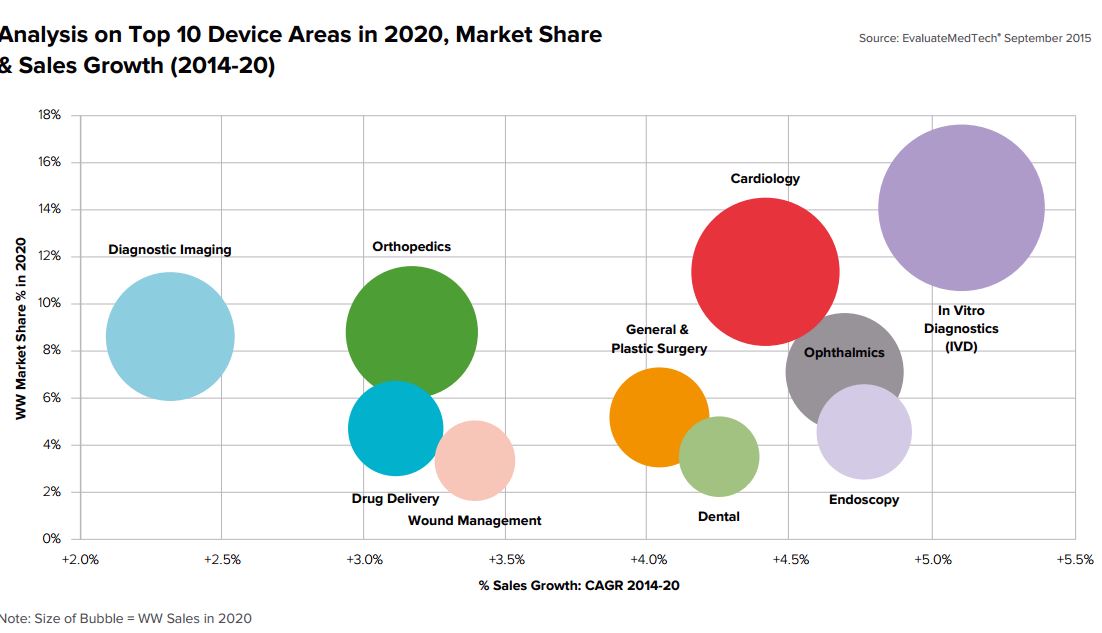
The global medical device market is projected to grow at a compound annual growth rate (CAGR) of 4.1% from 2015 to 2020, with global sales expected to reach $477.5 billion in 2020.In Vitro Diagnostic (IVD) ProductsIt will remain the largest sub-sector by market size, with sales reaching $67.3 billion by 2020, accounting for 14.1% of the global medical device market. During the same period, the IVD market is projected to grow at an annual rate of 6.1%.
The fastest growth rate will beNeurologyProduct Market: This category is projected to grow at a compound annual growth rate (CAGR) of 6.9%, reaching a market size of USD 9.5 billion by 2020.
Top 20 Global Medical Device Companies by Sales in 2020
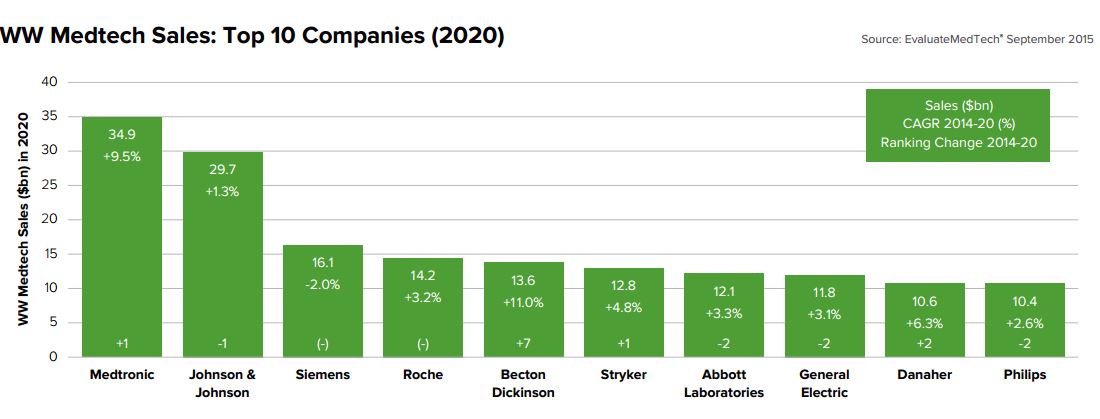
Medtronic is projected to become the largest medical device company by sales revenue in 2020, with sales reaching $34.9 billion and capturing a 7% global market share. As Johnson & Johnson’s clinical diagnostics subsidiary, Ortho-Clinical Diagnostics, is set to be acquired by a private equity firm, its market share is expected to decline from 7.8% in 2014 to 6.4% in 2020.
Excluding companies involved in major mergers and acquisitions, most companies are expected to see their valuations shrink in 2020, due to the depreciation of the euro against the US dollar in 2015.
Global Medical Technology Sales vs. Prescription Drug Sales (2007–2020)
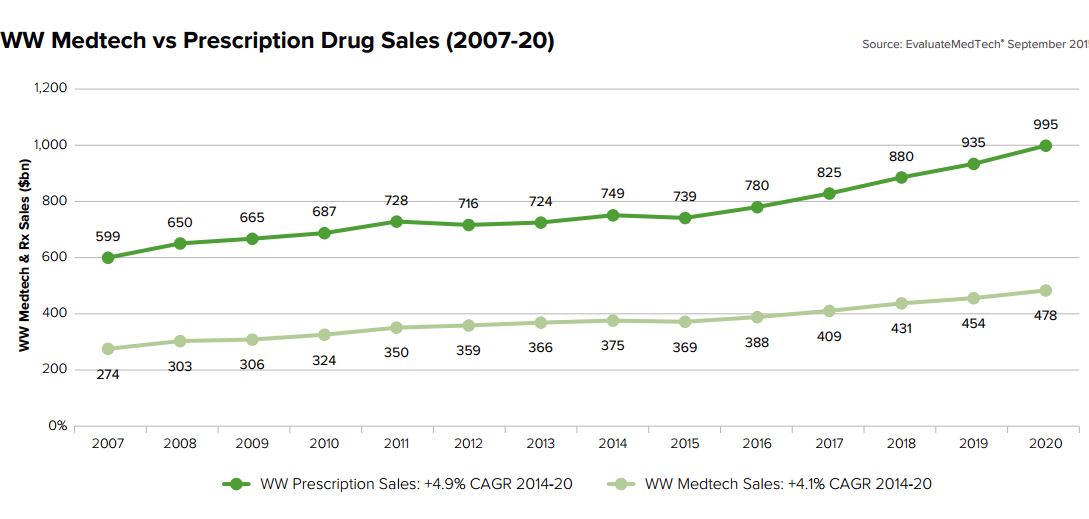
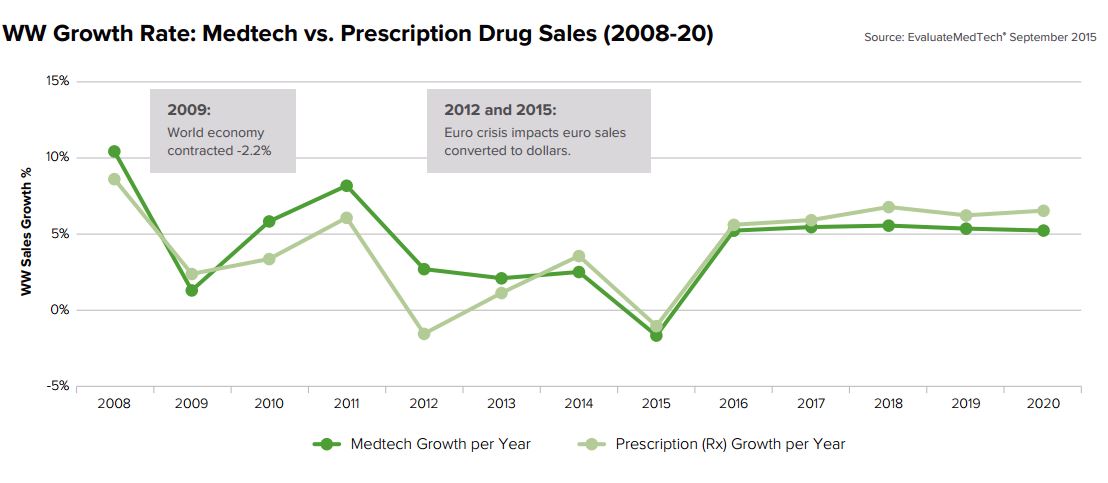
With the advent of the patent cliff and growing confidence in the biotechnology industry, the prescription drug market has outpaced the medical device sector in growth since 2015 and 2016. EvaluateMedTech forecasts that the compound annual growth rate (CAGR) for prescription drugs from 2013 to 2020 will be 4.9%, surpassing the 4.1% growth rate of the medical device market. In 2013, medical device sales accounted for approximately 50.7% of prescription drug sales, declining to 49.7% in 2014. Meanwhile, the growth rate of prescription drugs is expected to exceed that of medical devices in 2016.
Global Medical Device Market R&D Investment (2007-2020)
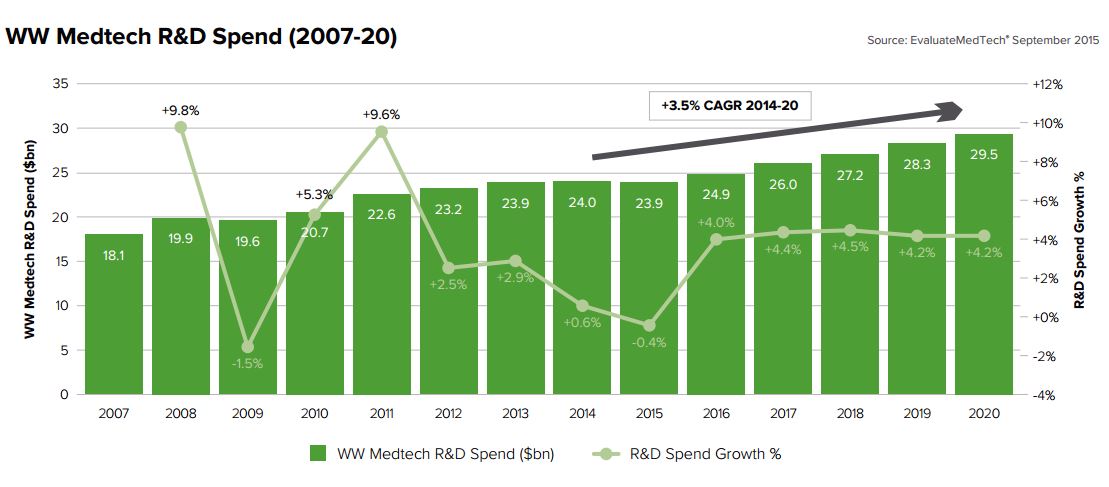
From 2015 to 2020, R&D investment in the global medical device market is projected to grow at a compound annual growth rate (CAGR) of 3.5%, which is lower than the growth rate forecasted in 2014. By 2020, sales revenue from medical devices is expected to reach $30.5 billion. The global R&D intensity for medical devices is anticipated to be 6.2% in 2020, down from 6.4% in 2014. The R&D expenditure of the top 20 companies globally will be slightly higher than the overall average.
Top 20 Medical Device R&D Investments in 2020
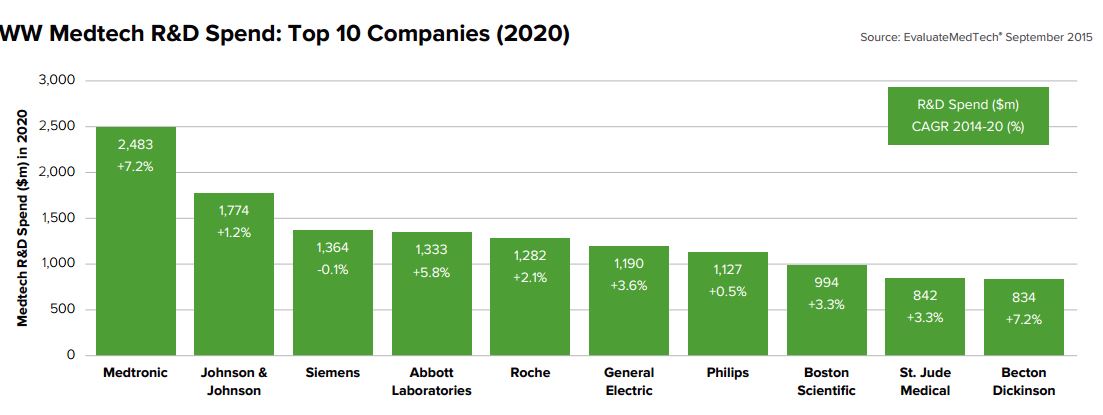
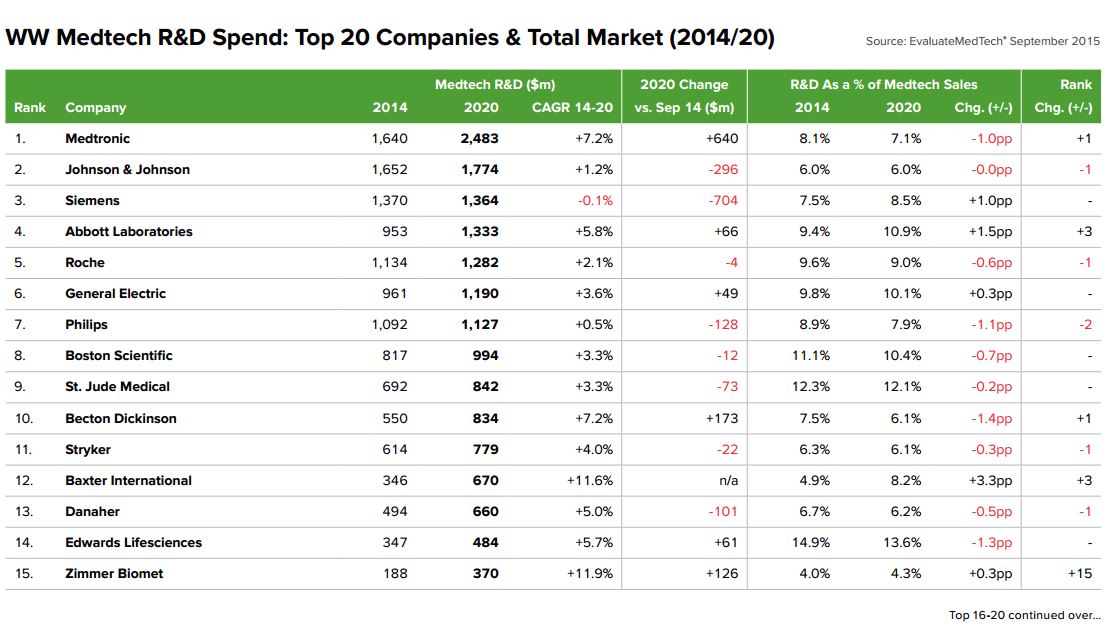
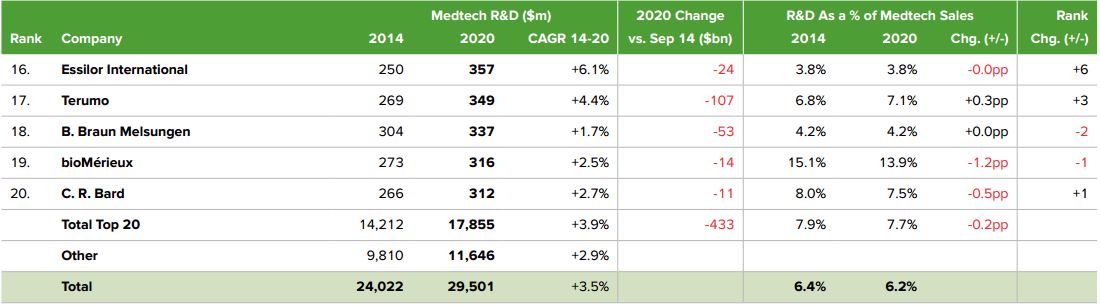
Following the acquisition of Covidien in January 2015, Medtronic is set to surpass Johnson & Johnson in 2020 to become the global leader in medical device R&D investment, with R&D spending reaching $2.5 billion and a compound annual growth rate (CAGR) of 7.2% from 2015 to 2020.
Among the top 20 companies in R&D investment, France’s bioMérieux will have the highest R&D intensity as a percentage of revenue, with an R&D investment rate of 19%, whereas Essilor, the ophthalmic lens manufacturer, has an R&D investment rate of only 3.8%.
2015 FDA Approvals: Status of PMAs, HDEs, and 510(k) De Novo Requests
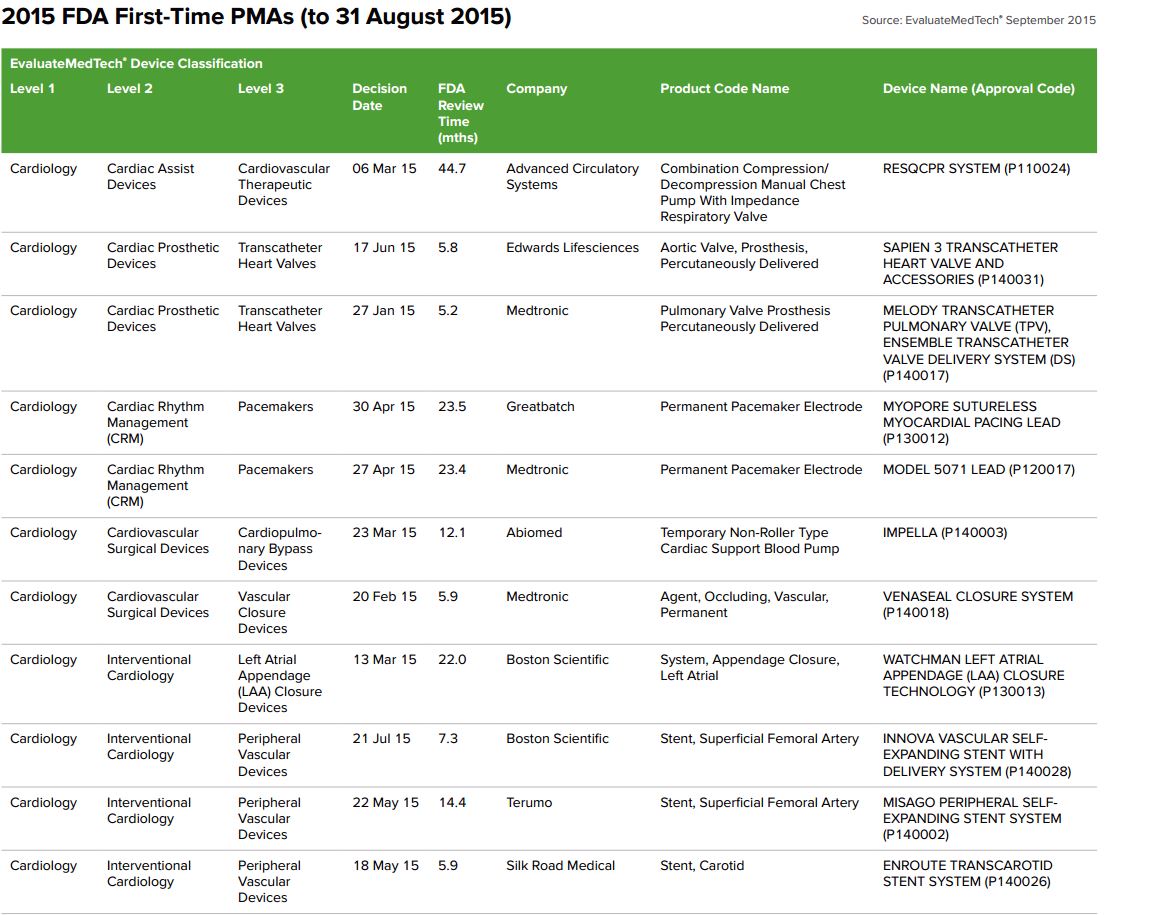
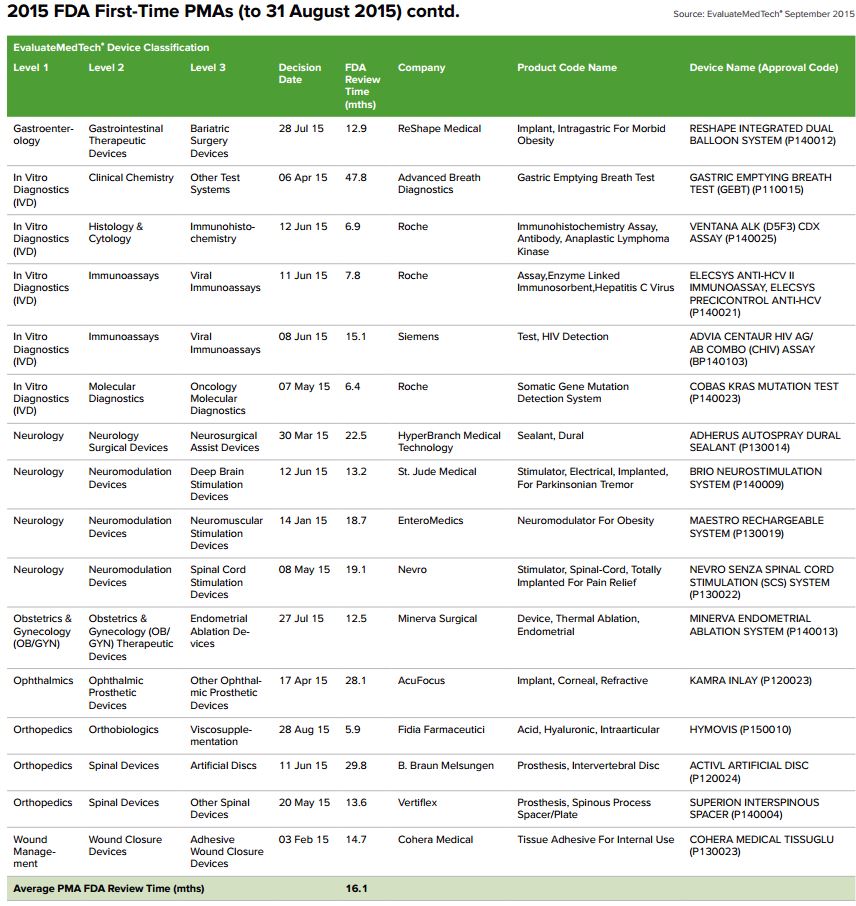
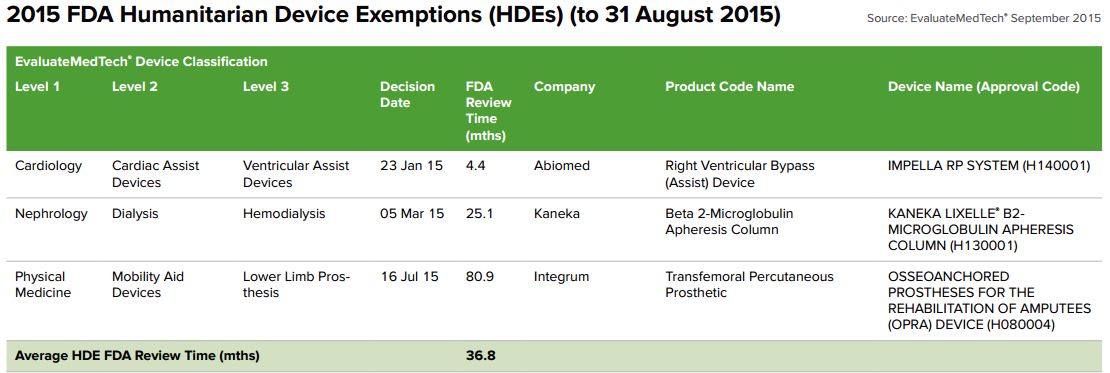
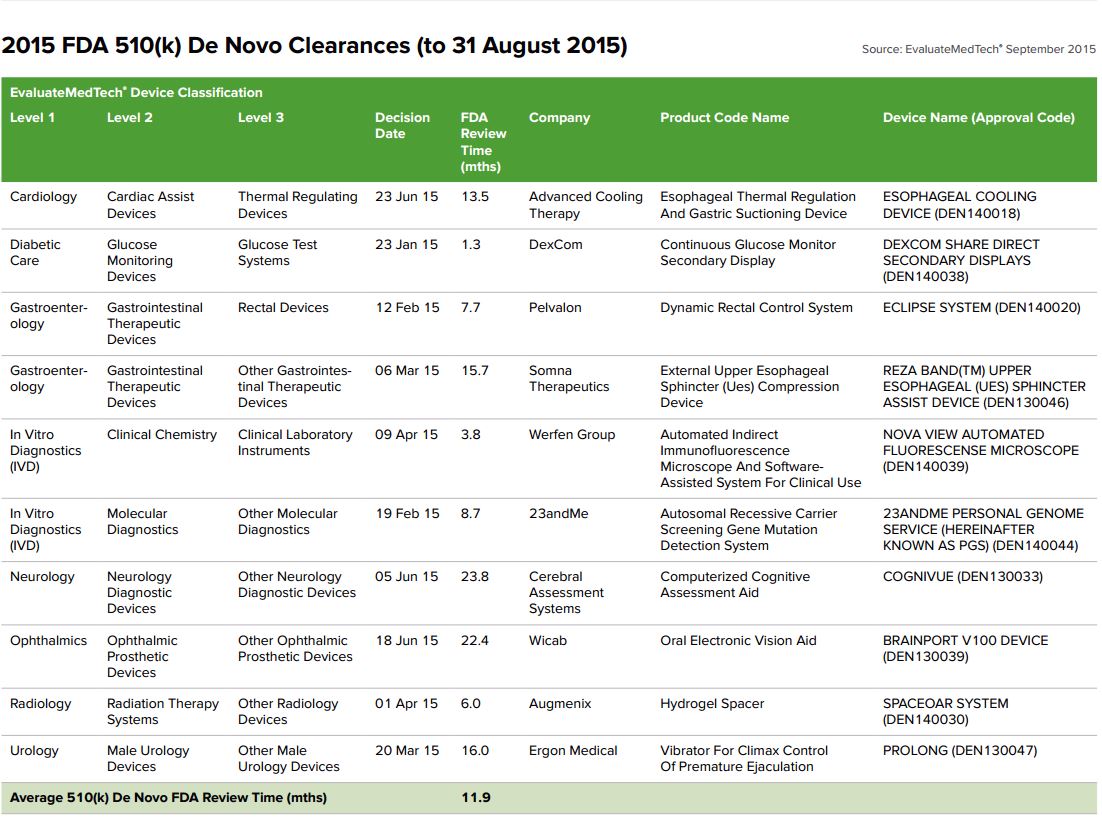
In the first eight months of this year, the FDA has approved 30 new Premarket Approvals (PMAs), representing a 50% increase from the 20 approvals granted in 2014, with cardiology devices dominating. Additionally, there were three Humanitarian Device Exemptions (HDEs), bringing the total number of these approvals to match the full-year figure for 2014. Both regulatory pathways are designated for high-risk medical devices that incorporate genuinely novel technologies, distinguishing them from products already on the market.
This is a positive sign for the medical device industry, as companies are striving to produce game-changing products and are being rewarded for addressing unmet medical needs. The total global sales of the medical technology industry are projected to reach $477.5 billion by 2020, with the continuous emergence of novel medical devices playing a crucial role in achieving this target.
2020 IVD (In Vitro Diagnostic) Market
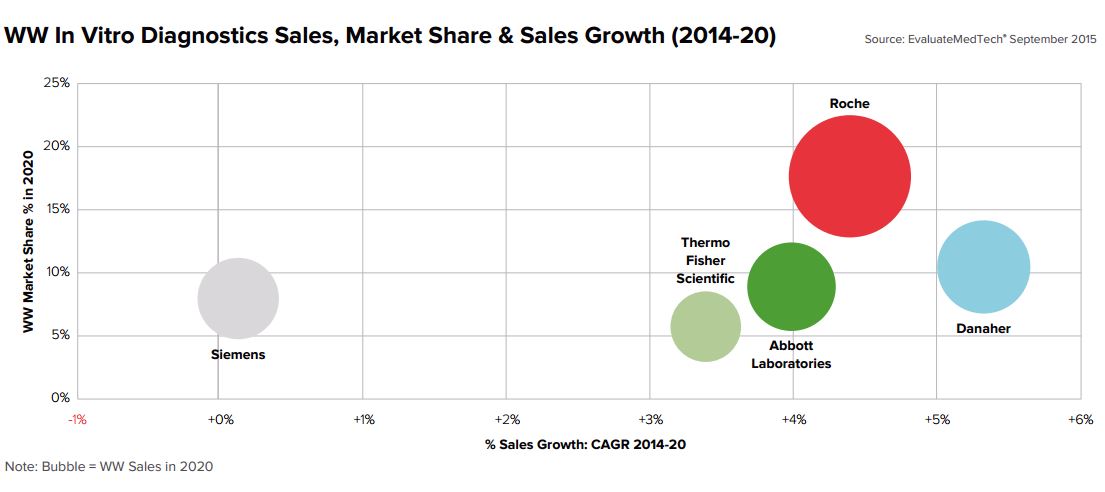
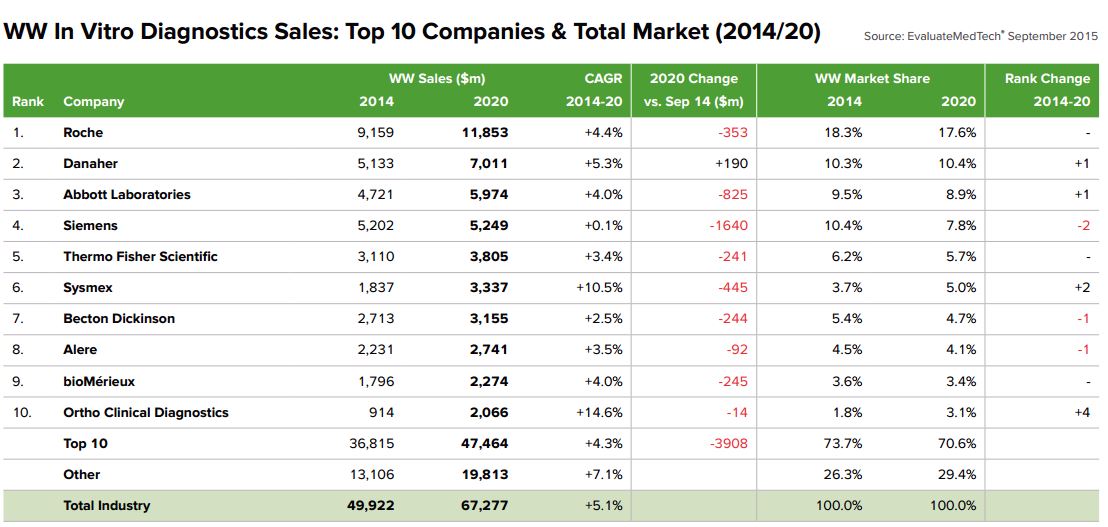
In 2020, Roche will continue to hold the top position in the global market share of in vitro diagnostic (IVD) equipment, accounting for 17.6% of the global market, with revenue reaching $11.9 billion. Meanwhile, Japan’s Sysmex Corporation is expected to be the fastest-growing company during this period, with a compound annual growth rate (CAGR) of 10.5%, and is projected to rank sixth in 2020.
EntireIn Vitro DiagnosticsThe market growth rate will reach 5.1%, and the market sales are expected to reach $67.3 billion in 2020.
2020 Cardiology Market
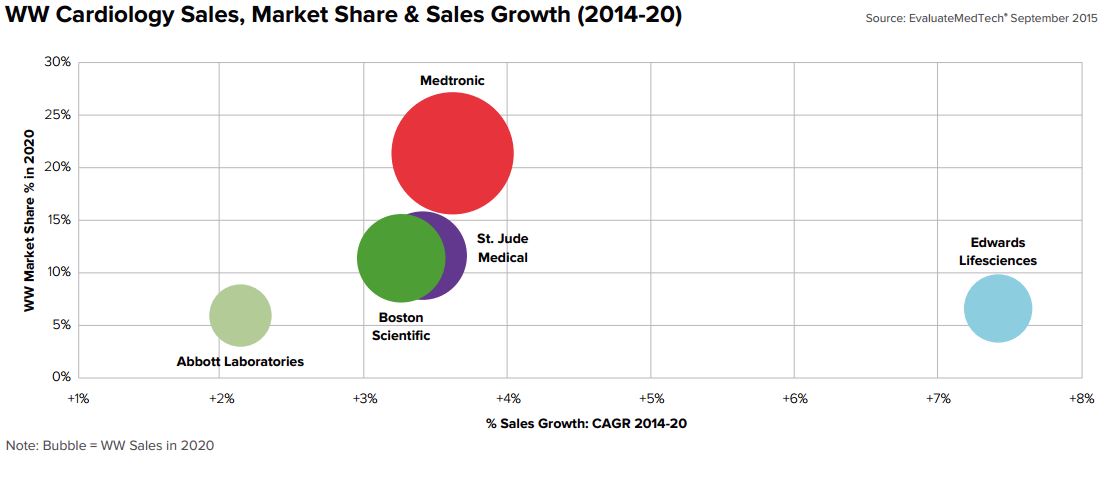
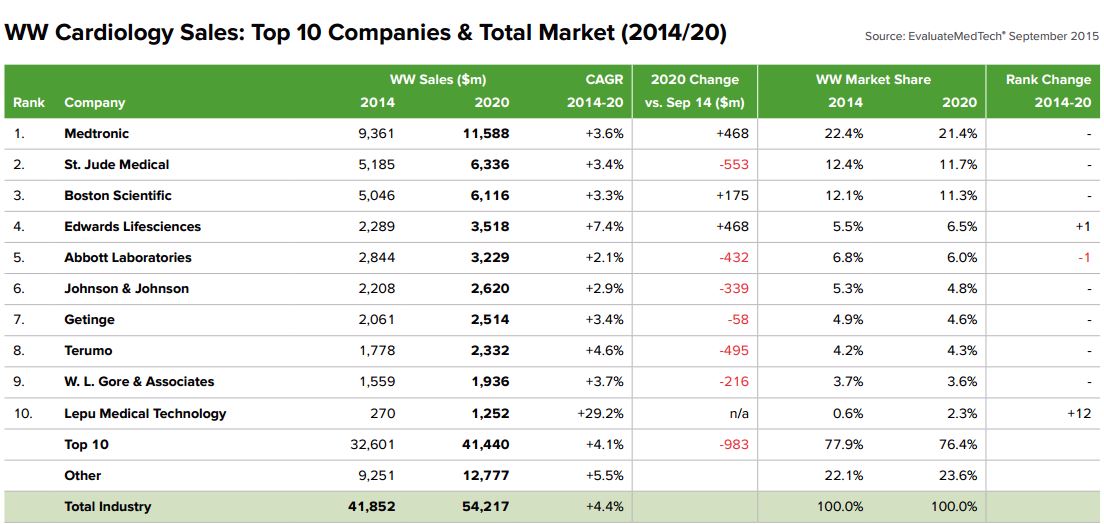
Medtronic’s leading position in the field of cardiovascular medical devices remains irreplaceable. In particular, its status in the cardiology sector has been further consolidated following the successful acquisition of Covidien. Medtronic’s sales in this segment are projected to reach $11.6 billion in 2020, accounting for 21.4% of the global market share—nearlySt. Jude Medicatwice the market share.
CardiologyThe market is projected to grow at a compound annual growth rate (CAGR) of 4.4%, reaching $54.2 billion in sales by 2020.
2020 Orthopedics (Plastic & Reconstructive Surgery and Orthopedic Surgery) Market
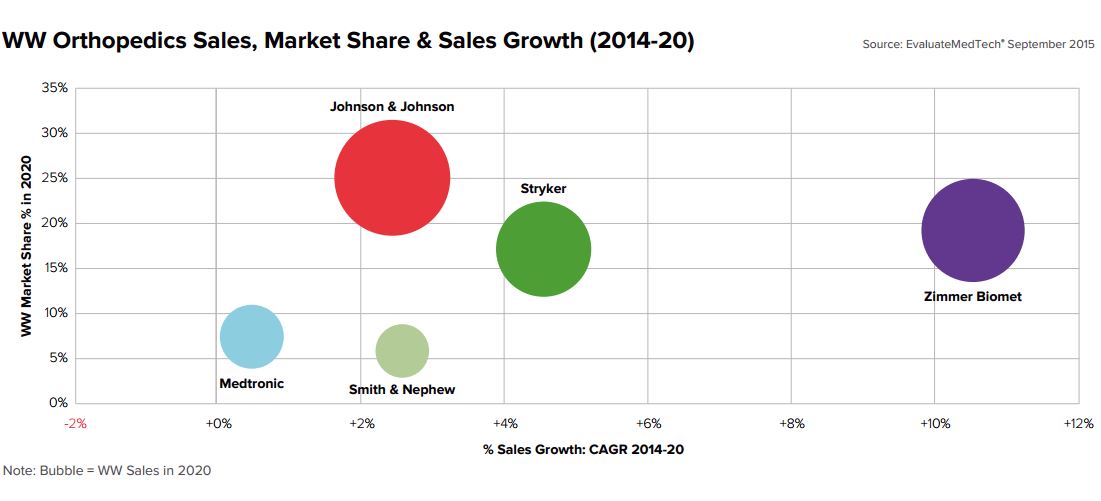
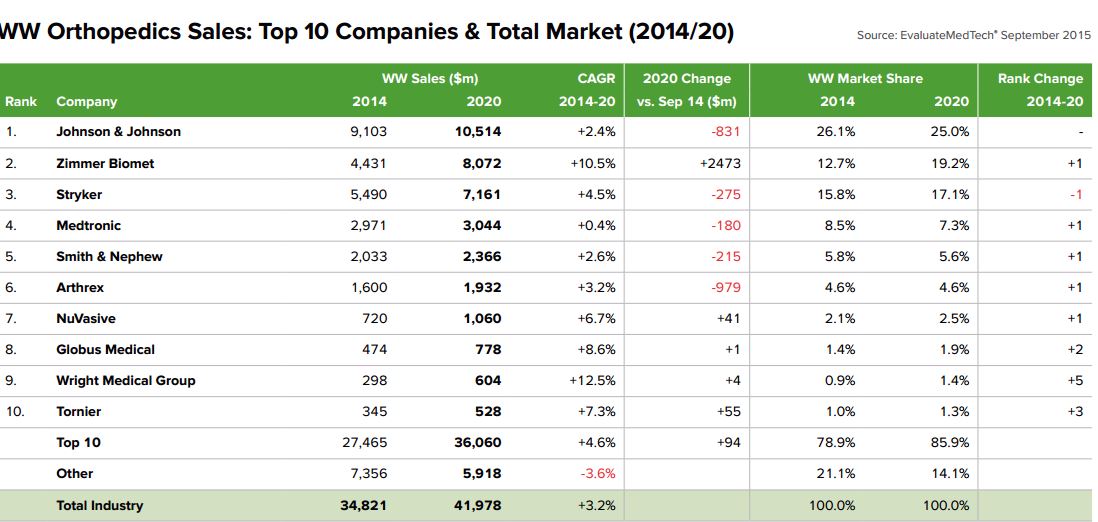
Johnson & Johnson will continue to lead the orthopedic products market, with sales reaching $10.5 billion in 2020 and a compound annual growth rate (CAGR) of 2.4% from 2015 to 2020, far below market expectations. Meanwhile, its market share is projected to decline from 26.1% in 2014 to 25%. AsZimme$13.4 Billion Merger and AcquisitionBiometCompletion; it is projected to rank second with $8.1 billion in sales.Strykerwill rank third with $7.2 billion.
Overall, the orthopedics market is projected to grow at an annual rate of 3.2%, reaching RMB 42 billion by 2020.
2020 Diagnostic Imaging Market
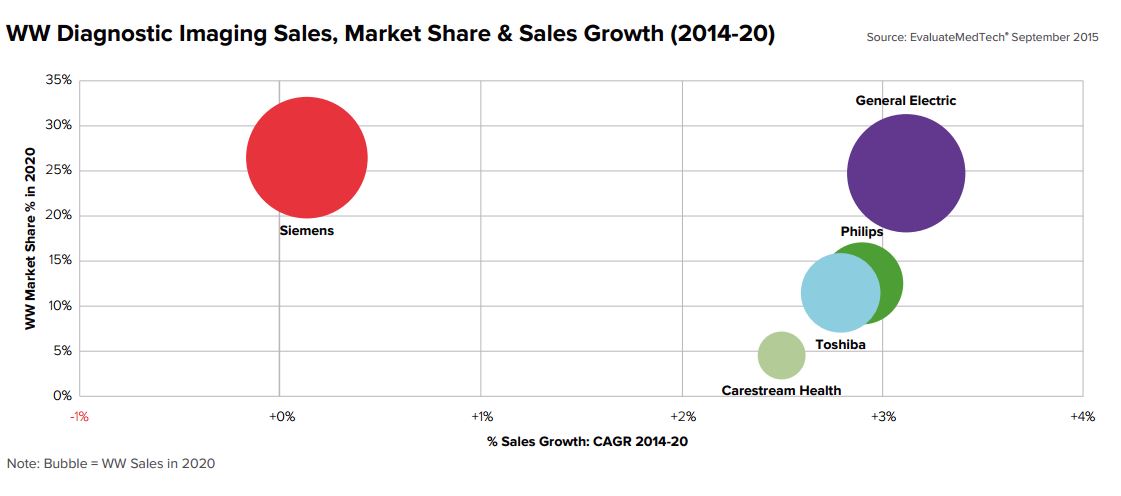
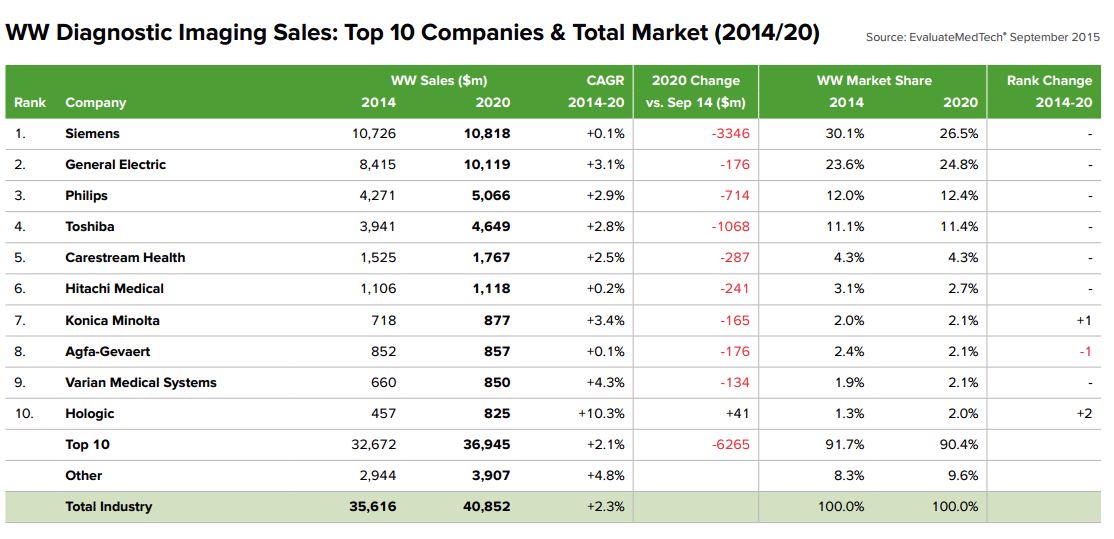
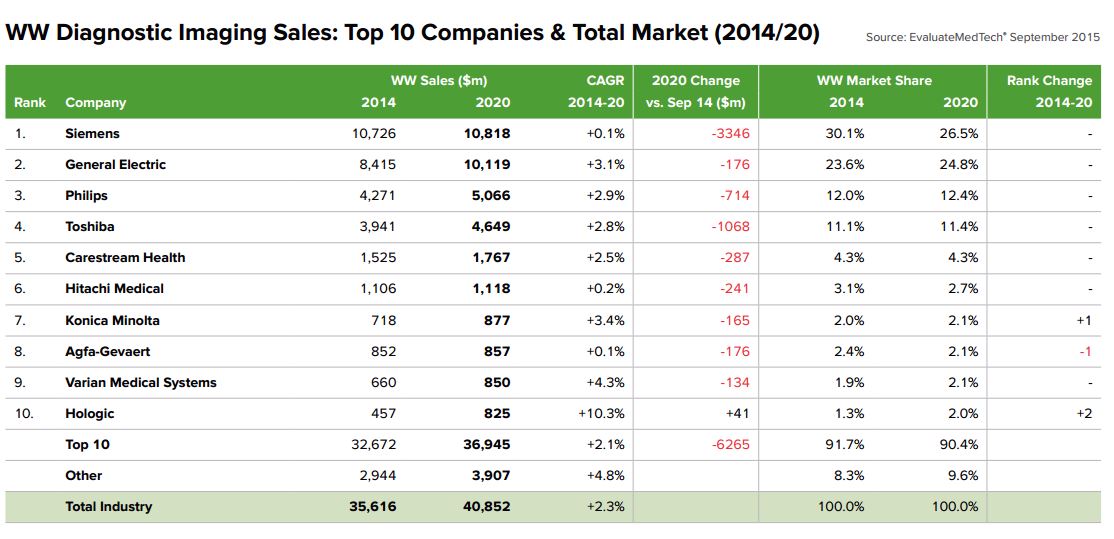
By 2020, Siemens will take the lead in the field of imaging diagnostic equipment, with sales reaching $10.8 billion and a market share of 26.5%. General Electric, growing at an annual rate of 3.1%, is expected to surpass Siemens, ranking second with $10.1 billion in 2020.
2020 Ophthalmology Market
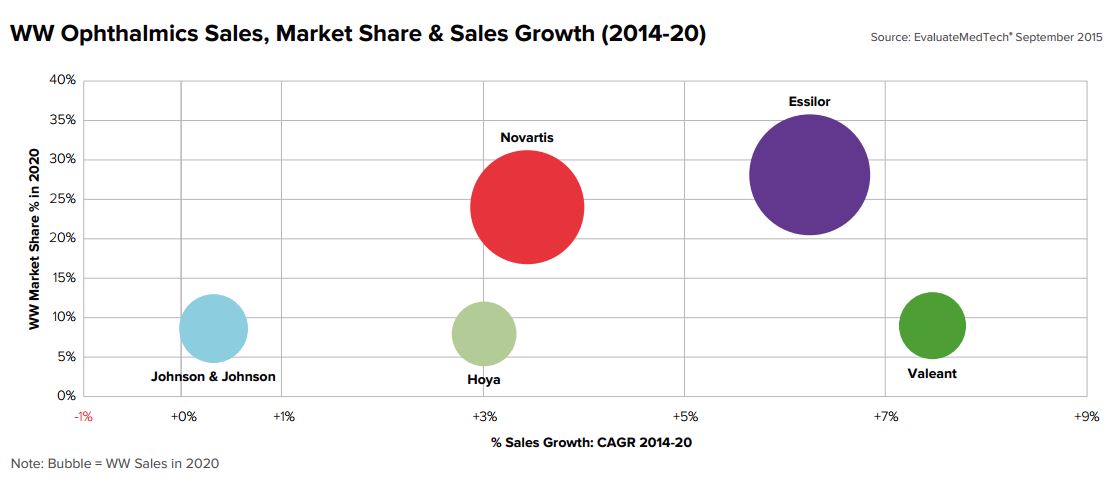
2020 French Optical Lens ManufacturerEssilorThe company will surpass Novartis, with $9.5 billion in sales compared to Novartis’s $8.1 billion, to become the world’s largest ophthalmic company.
The fastest-growing isCooperThe company is expected to achieve an annual growth rate of 8.7%, with sales reaching $2.3 billion in 2020, primarily driven by its mid-year acquisition of a contact lens specialist for $1.2 billion.sauflonPharmaceutical Company
Investment and M&A Analysis (Q1 2010–Q1 2015)
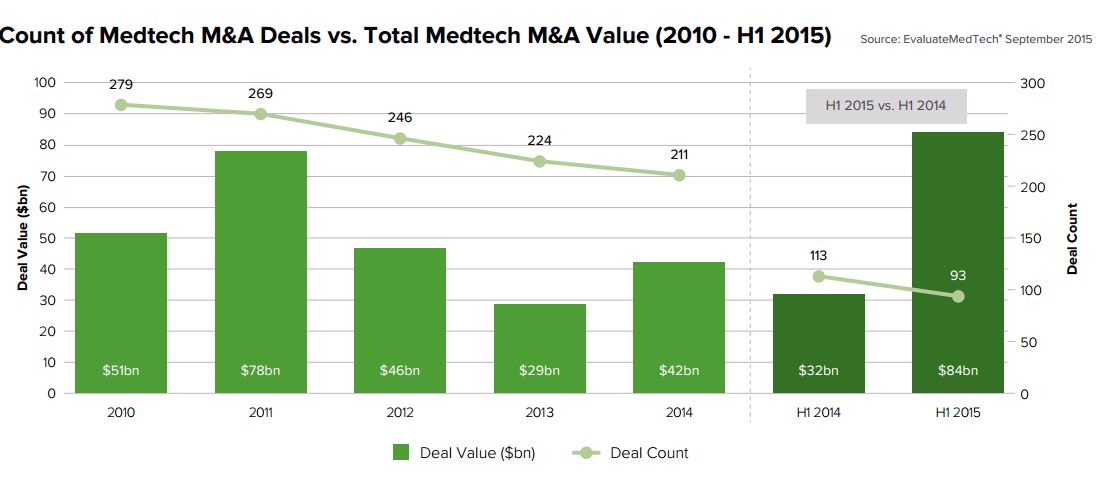
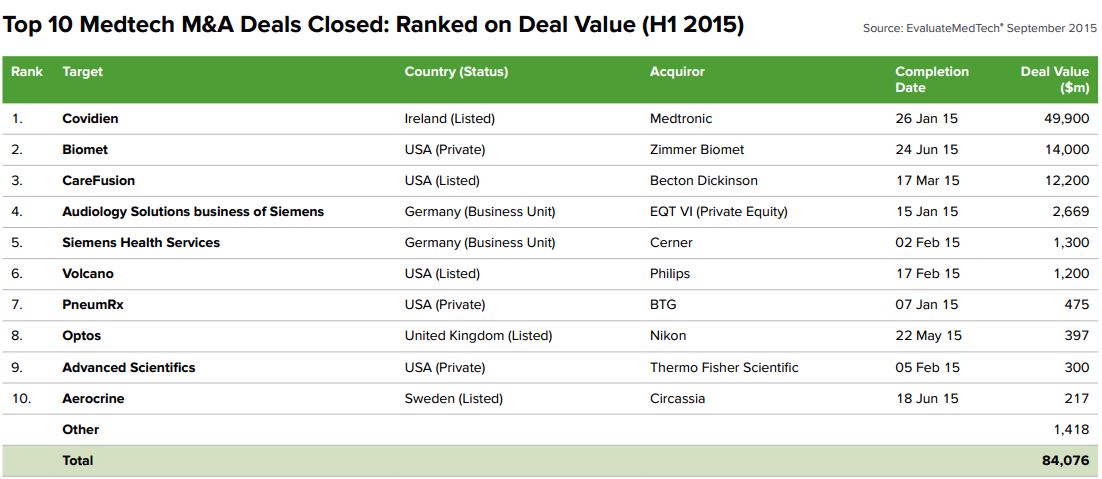
In 2015, the medical device industry truly captured widespread attention. In the first quarter alone, the total value of completed mergers and acquisitions (M&A) in the sector reached a staggering $84 billion, representing a 166% year-on-year increase from 2014. This quarterly M&A volume surpassed that of any previous period, and projections indicate that the total transaction value for the medical technology industry this year will likely exceed $100 billion.
Despite a significant surge in the total value of healthcare mergers and acquisitions (M&A), the number of M&A deals fell by 18% to 93. This disparity was largely driven by Medtronic’s $49.9 billion acquisition of Covidien, which skewed the overall transaction value upward.Zimmer$14 Billion AcquisitionBiomet、Becton Dickinson$12.2 Billion AcquisitionCareFusionThese major healthcare mergers and acquisitions have led to.
Risk Financing Analysis (Q1 2010–2015)
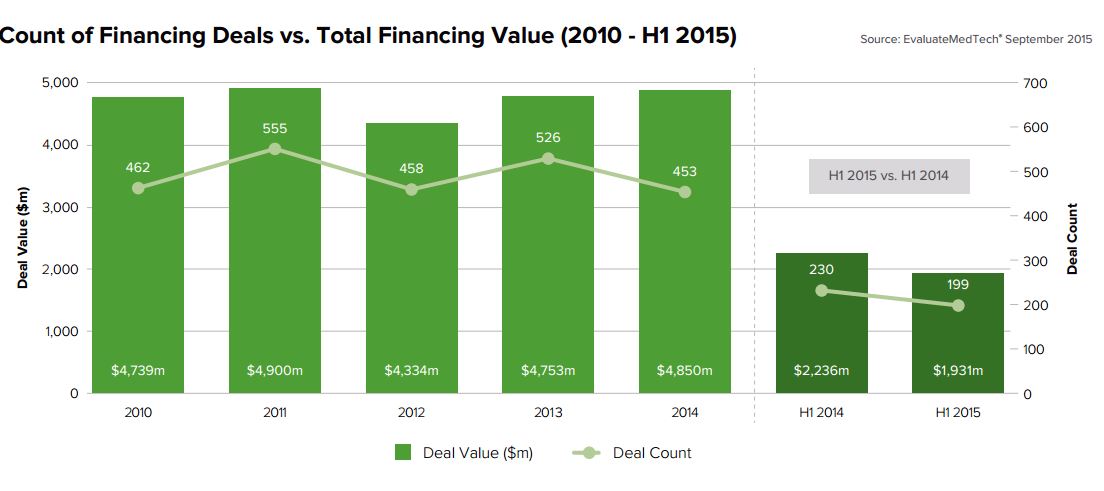
Venture capital investment amounts in the first quarter of 2015 declined significantly compared to the same period in 2014. Startup financing totaled $1.9 billion in Q1 2015, representing a 14% year-on-year decrease. Meanwhile, the number of investment deals fell to 199, a 13% decline from the 230 deals recorded in the same period of 2014.
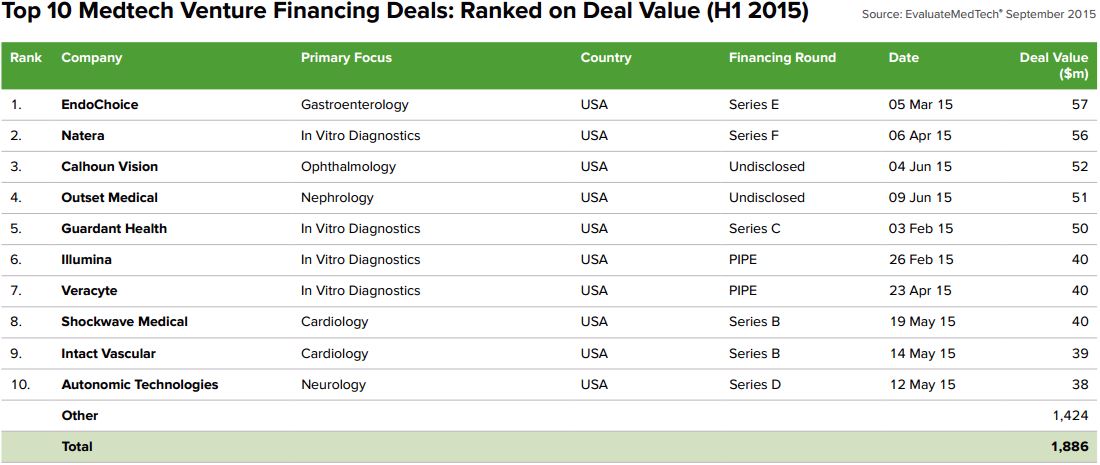
Among these 199 investment cases, the largest was in a gastroenterology company.EndochoiceSeries E financing round, involving an amount of $57 million.
IPO Analysis (Q1 2013–2015)
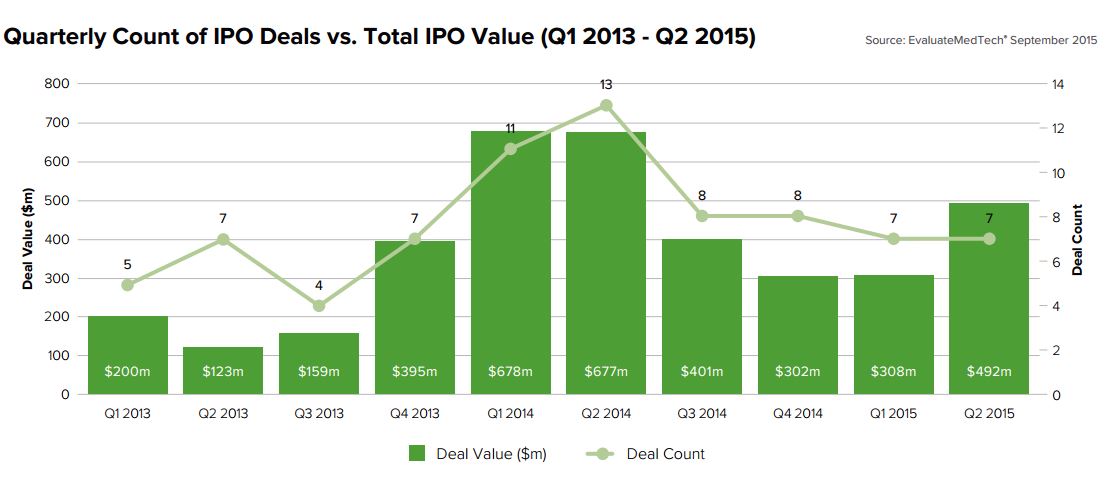
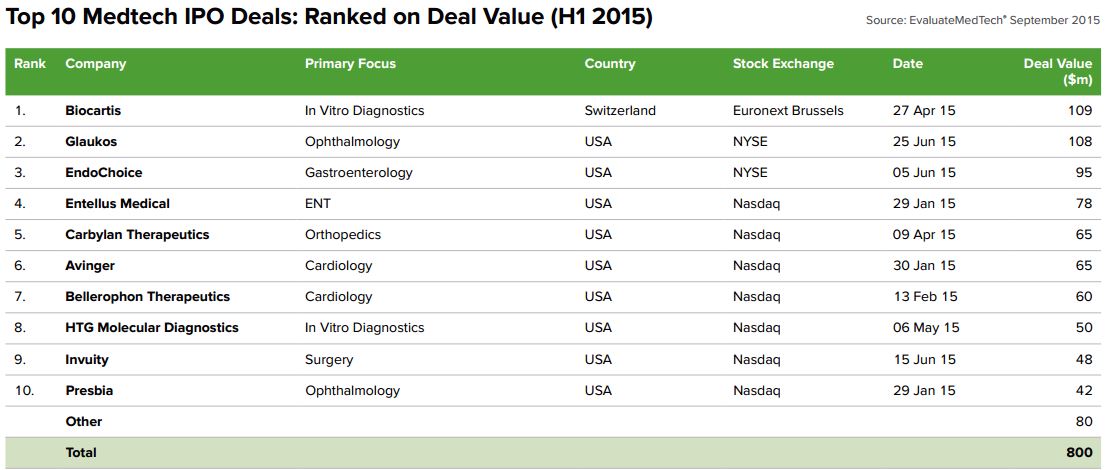
IPOs cooled in the first quarter of 2015, but overall, the number of IPOs has shown an upward trend from 2013 to the present. Compared with the $1.4 billion raised in the first quarter of 2014, fundraising in the first half of 2015 declined significantly, by approximately 41%.
The largest IPO in the first half of 2015 was that of a Swiss molecular diagnostics company—BiocartisThe company. The ophthalmology company, which treats glaucoma, raised $109 million in April.GlaukosRanked second in fundraising amount, with a total of $108 million.
Enterprise Value Analysis (H1 2015 vs. Same Period in 2014)
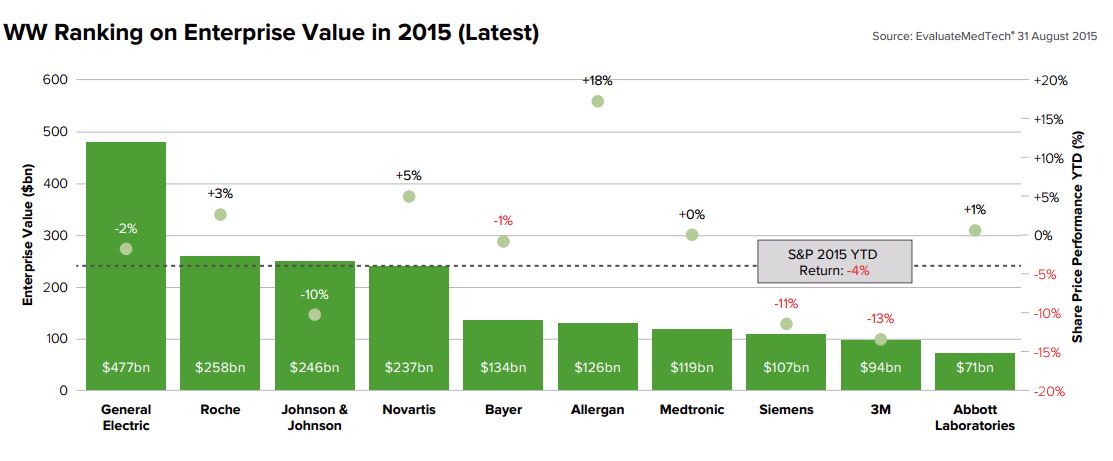
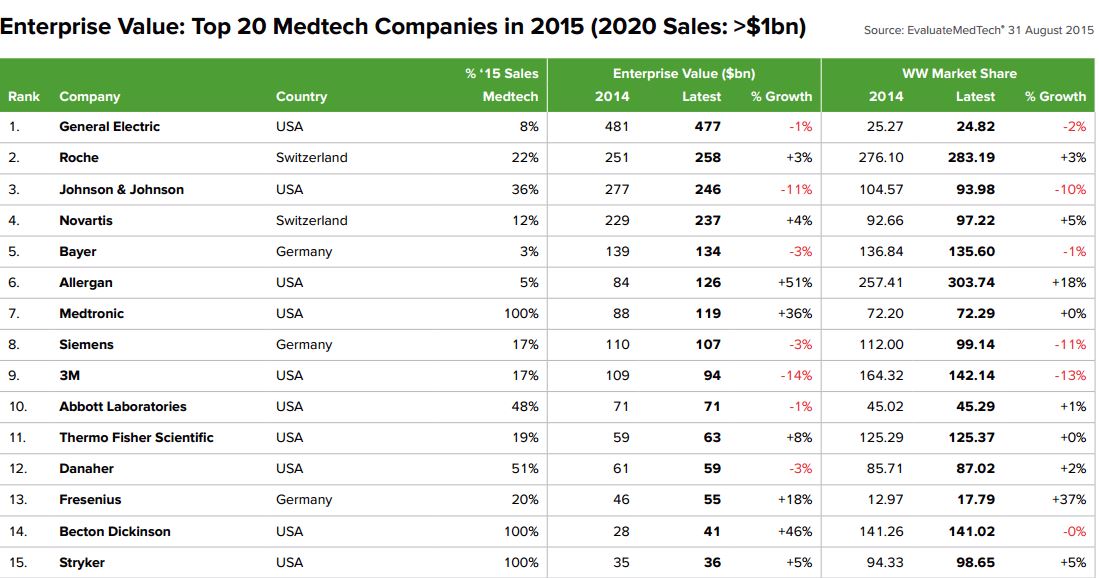
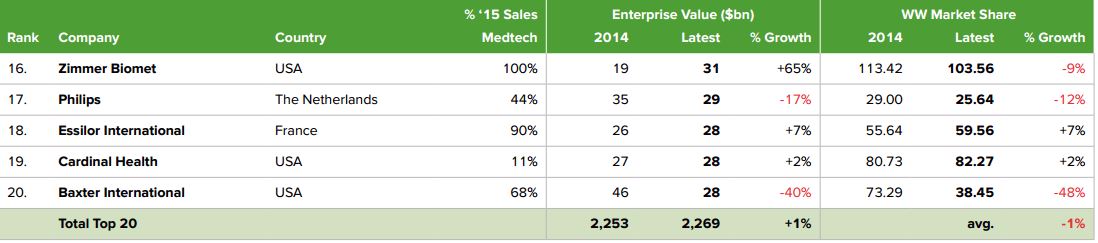
As of August 30, 2015, General Electric topped the corporate value rankings with a valuation of $477 billion, followed closely by Roche Group, valued at $258 billion.
However, none of these are pure-play medical device companies, as they all have varying degrees of involvement in non-medical businesses. In terms of valuation for purely medical device enterprises, Medtronic, valued at $119 billion, should rank first, primarily due to its successful acquisition of Covidien.