

Luye Medical Acquires Healthe Care for $688M; Fosun Pharma to Build Geriatric Hospital; a16z Backs Nootrobox; Yiwu Plans $7B MedTech Hub; IBM Watson Expands in India; Gene Editing Ethics Set; Myoelectric Prosthetic Hand Unveiled; Martin Jetpack Debuts in China
Today's Headlines:
GreenLeaf Healthcare Signs Agreement to Acquire HEALTHE CARE, Australia’s Third-Largest Private Hospital Group
Fosun Pharma Plans to Invest RMB 250 Million to Establish Wenzhou Geriatric Hospital
Andreessen Horowitz Leads Nootrobox’s $2 Million Seed Funding Round
Yiwu City Plans to Build a Large-Scale Medical Device Market with an Estimated Total Investment of RMB 5 Billion
Entering India! IBM Watson Announces Deep Collaboration with Manipal Hospitals, India’s Third-Largest Hospital System
Drawing an Ethical "Red Line" for Human Gene Editing
Prosthetic Hand Exclusively for People with Disabilities: Controlled via Muscle Vibration
The World’s First Resorbable Heart Valve Debuts! Xeltis May Reignite Investor Enthusiasm
Martin Jetpack Makes Maiden Flight in China; Can Be Used in Medical and Other Fields
Healthcare has been explicitly designated by Beijing as a key area for public-private partnerships.

Greenleaf Healthcare Signs Agreement to Acquire Australia’s Third-Largest Private Hospital Group, HEALTHY CARE
Under Luye GroupLuye Medical Group(Luye Medical Group Co.) announced a few days ago that it has officially signed an agreement with Australia's Archer Capital Fund to acquire the third-largest private hospital group in Australia—Healthe Care Australia Pty Limited(hereinafter referred to as “Healthe Care”). The transaction amount was US$688 million. This acquisition represents a significant breakthrough for Luye Medical’s business, marking Luye Medical Group’s major entry intoInternational Medical Services Sector, and bring Luye Medical into ChinaThe Largest International Integrated Private Healthcare GroupRow and column.
Healthe CareIt is the third-largest private hospital group in Australia. Healthe Care operates 17 healthcare facilities across major cities and regional areas in Australia, with nearly 2,000 beds, more than 50 operating rooms, and 4,500 employees, generating annual sales of approximately RMB 3 billion. Healthe Care’s 17 hospitals fall into four categories: tertiary hospitals, mental health facilities, specialty hospitals, and regional hospitals. Its key specialties include orthopedics, cardiovascular care, neuropsychiatry, oncology, rehabilitation, obstetrics and gynecology, and general medical services. Equipped with cutting-edge diagnostic and treatment technologies and staffed by highly skilled professionals, the group provides both overnight and day surgeries. It offers innovative therapies in fields such as orthopedics and mental health, and delivers specialized rehabilitation services for postoperative patients, those with injuries, and patients recovering from cardiac events and stroke.
Liu Dianbo, Chairman of Luye Group, stated that the acquisition of an international healthcare group of Healthe Care’s scale represents a rare and valuable opportunity for Luye Healthcare. He remarked, “We have the capability and confidence to further expand Healthe Care’s business, ensuring its continued leadership in the Australian healthcare sector. We remain committed to the patient-centric philosophy of healthcare service, dedicating ourselves to providing first-class health services to patients. I firmly believe that Healthe Care’s advanced international medical system, along with its high standards of patient care and operational excellence, provides Luye Healthcare with a strong platform to establish and develop superior healthcare service systems both in China and globally.”
Liu Dianbo stated, “This international acquisition holds profound significance for the exploration and growth of new business ventures within Luye Medical Group in the future. It will strongly propel the development of Luye Medical’s operations in the Chinese market. By leveraging and introducing advanced international medical technologies, operational models, and management systems, Luye Medical will deliver high-standard, internationally aligned healthcare service experiences to the Chinese people, thereby meeting their growing demands for health and wellness. This effort will contribute significantly to improving public welfare and promoting comprehensive social development. Upholding its mission of ‘Serving Human Health with Professional Expertise,’ Luye Group is committed to becoming a most-respected, world-leading enterprise in the pharmaceutical and healthcare sector.”
Green Leaf Group, founded in 1994, is committed to investment and industrial development in the health sector with the mission of “serving human health through professional expertise.” Its China headquarters is located in Shanghai, and its international headquarters is in Singapore. The group ownsLuye Pharma, Luye Medical, Luye InvestmentThree Major Business Segments.Green Leaf GroupLuye Medical began exploring the healthcare industry in 2011, formally established its Healthcare Business Division in 2013, and rapidly expanded its medical services across China. Currently, Luye Medical has partnered with multiple internationally renowned specialized medical brands from countries such as South Korea and Singapore, and has built its own healthcare development network in cities including Shanghai, Chongqing, Yantai, and Wuhan. In the future, the company plans to establish therapeutic specialty platforms, including a Cardiovascular Center, an Orthopedics Center, and an Oncology Center, and gradually develop integrated healthcare complexes in key cities nationwide, striving to build world-class medical centers.
It is reported that this acquisition could be the first for a Chinese private healthcare group inLargest Scale OverseasThis medical business acquisition is also the largest healthcare investment project by a Chinese enterprise in Australia. This acquisition enables China’s healthcare sector to draw greater experience and insights from Australia’s private healthcare system, which boasts advanced and comprehensive hospital management systems, cutting-edge operational models, and superior medical technologies and service standards, thereby contributing to the development of healthcare in China, the enhancement of operational and managerial capabilities of medical institutions, and the advancement of China’s healthcare reforms.
Fosun Pharma Plans to Invest RMB 250 Million to Establish Wenzhou Geriatric Hospital
According toFosun PharmaRecently announced, its wholly-owned subsidiary, Fosun Hospital Investment, has signed a cooperation agreement with Wenzhou Traditional Chinese Medicine Hospital. Accordingly, both parties plan to jointly invest in establishingWenzhou Geriatric Hospital, the hospital will proceed in accordance withGrade A Tertiary Specialized Hospital for Geriatric DiseasesStandardized construction; as a for-profit medical institution, it plans to open 500 beds within five years of cooperation.
It is reported that the proposed registered capital of the new company is RMB 355 million (hereinafter referred to as “RMB”). Fosun Hospital Investment intends to contribute RMB 250 million in cash, accounting for 70.47% of the registered capital, while Wenzhou Traditional Chinese Medicine Hospital plans to contribute assets valued at RMB 105 million, including medical equipment, real estate, and land use rights, representing 29.53% of the registered capital.
Since 2009, Fosun Pharma has successfully invested in six hospitals in the healthcare services sector. The company has become the largest single shareholder of United Family Healthcare, a premium medical institution. Its four controlled hospitals are Chancheng Hospital in Foshan, Jimin Cancer Hospital in Hefei, Zhongwu Hospital in Suqian, and Guangji Hospital in Yueyang. Additionally, it holds a minority stake in Guangzhou Nanyang Cancer Hospital.
Guo Guangchang, Chairman of Fosun Group, has stated that most of Fosun’s investments revolve around industrial upgrading and urban functional enhancement, with the health sector being one of the company’s key investment focuses. Over the next five to ten years, it plans to invest in dozens of hospitals.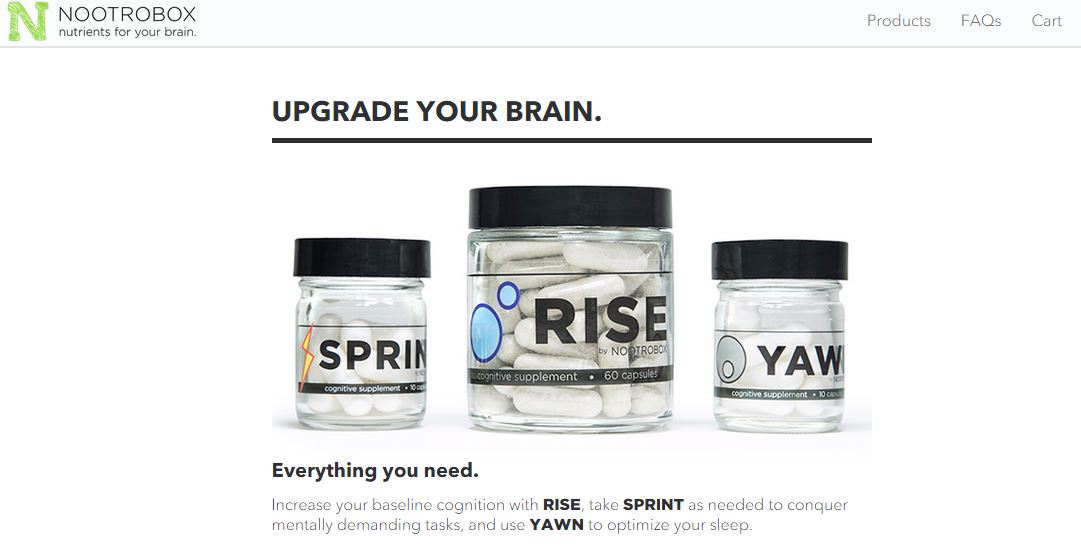
Andreessen Horowitz Leads Nootrobox’s $2 Million Seed Funding Round
Since its inception,Andreessen HorowitzMany of the invested companies have achieved significant success, includingFacebook、SkypeandAirbnb. And this venture capital firm has recently placed its bets on a nootropic drug manufacturer. The startup’s product aims to enhance memory or boost energy and attention by keeping users in a positive “flow state.” The drug is branded asRise. According to the instructions for Rise, this pill contains three ingredients:Bacopa monnieri(can enhance the brain's memory and comprehension),L-Theanine(which can increase dopamine and serotonin levels in the brain) andCaffeine(Relieves fatigue and restores alertness). Prices range from $9 to $53 per month, depending on the content per package. The U.S. Food and Drug Administration (FDA) has evaluated all ingredients of this drug. According to the FDA, all ingredients in this drug are generally recognized as safe and can be used as dietary supplements.
Nootropics are substances that enhance brain function, and the founders of Nootrobox describe them as “Biohacking"As part of the initiative, this approach treats the human body as software, continuously refining it through iterative adjustments. This sector has drawn enthusiastic interest from across the internet industry, in"Redditattracted tens of thousands of readers, includingBulletproofFounderDave AspreySuch entrepreneurs.
According to Woo, currentlyNootroboxThe company has already become profitable. It plans to use the new funds to develop new products, conduct more research, and expand its market.
But the company is still planning for the long term, striving to avoid the worst-case scenario. Woo said, “We don’t want to be seen as just a passing dietary fad.”
Yiwu City Plans to Build a Large-Scale Medical Device Market with an Estimated Total Investment of RMB 5 Billion
Yiwu Small Commodities City announced on December 4 that the company recentlyChina Association of Medical Equipment, Sinopharm China Scientific Instrument Co., Ltd., Zhongshi Maofa Investment Co., Ltd.Strategic Cooperation Framework Agreement on the Joint Development of a National Unified Market for Online-Offline Integration of Chinese Medical Devices and a Global Health Industry Platform, with an Estimated Total Investment of RMB 5 Billion
Under the agreement, the large-scale marketplace will be established in Yiwu City. It will provide professional third-party market-oriented services to medical institutions at all levels and to domestic and international manufacturers and operators. The marketplace will offer market access, financing, and value-added support services to manufacturers of medical devices and health products, with a target of onboarding 10,000 medical device manufacturers, 4,000 pharmaceutical manufacturers, and 6,000 health and wellness product manufacturers. The total construction period for the marketplace is planned to span three to five years, with the total investment across various domestic and international market segments expected to reach RMB 5 billion.
All parties will work together to establish Yiwu City as a core market for China’s healthcare industry and the world’s largest base for the healthcare industry.
Expanding into India! IBM Watson Announces Deep Collaboration with Manipal Hospitals, India’s Third-Largest Hospital System
Recently, IBM in IndiaBangaloreAnnouncing India’s Third-Largest Hospital SystemManipal HospitalsWill useWatson for OncologyAssist oncologists in cancer diagnosis and treatment.
In a country like India, with a population of 1.2 billion, there is a significant shortage of doctors, particularly oncologists. According to data from the World Health Organization, 680,000 people in India die from cancer each year, and there are as many as 1 million new cancer cases annually, a figure projected to rise by 2020. The ratio of oncologists to cancer patients in India is 1:1,600, compared to 1:100 in the United States.Manipal HospitalsComprising 15 hospitals and 3 clinics, it serves 20,000 cancer patients annually and holds a significant position in India, particularly in southern India.
What is more concerning is that, in the face of constantly emerging research and information, these physicians have no time to keep up with new developments and are unable to provide patients with the most advanced treatment options.
Data shows that in 2015 alone, 44,000 research papers on oncology were published, averaging 122 articles per day. With medical knowledge expanding at such a pace, it is likely beyond human capacity to read all of this content. “Doctors in India are already pressed for time and are among the busiest in the world. Therefore, these physicians cannot possibly read all the literature on innovations in the medical field,” said Rob Merkel, Vice President of IBM Watson Health, in a telephone interview.
Previously,Watson for OncologyAlready with New York'sMemorial Sloan Kettering Cancer CenterIn collaboration, it has indexed 15 million pages of medical content, including 200 medical books and 300 medical journals. Moreover, Watson can continuously learn from future research and information releases.
By using Watson for Oncology, physicians at Manipal can search for similar treatment protocols based on patient conditions; combined with the system’s analysis of the patient’s status, clinicians can derive personalized treatment plans tailored to individual patients.
Angela Merkel stated that tasks which previously took oncologists and cancer specialists hours or even days to complete can now be accomplished in just minutes using devices such as the iPad. Doctors in India will be able to leverage this vast ocean of knowledge to promptly identify solutions for specific patients.
Dr. Ajay Bakshi, CEO of Manipal Hospitals, stated in an interview, “India is at a tipping point, with a sharp rise in cancer patients and a severe shortage of physicians. Meanwhile, the rapid pace of technological advancements worldwide makes it difficult for us to keep up. Under such immense pressure, we seek a technology-driven solution to deliver top-tier cancer care to our patients. By leveraging Watson for Oncology, our physicians will be able to provide patients with the most advanced, effective, and cost-efficient treatment regimens.”
Neither party has disclosed the financial terms of this collaboration. Bakshi stated that Watson’s services will go live in the first half of next year, ultimately extending to affiliated hospitals and medical institutions beyond the Manipal system.
Given India’s large population and Manipal’s significant market share, this collaboration with India will represent a major deal for IBM. Earlier this year, IBM Watson announced its partnership withCVS, Medtronic, Johnson & JohnsonandAppleCollaborating with industry leaders, this move into India will further solidify IBM’s position in the healthcare sector.
Drawing Ethical “Red Lines” for Human Gene Editing
The fervor surrounding human gene-editing technology is sweeping the globe, yet it has also sparked profound unease and criticism. Where should gene editing head? Should it be paused or even banned? Could it lead to “designer babies”?International Summit on Human Gene EditingRecently issued a statement in Washington, clearly drawing a “red line” that must not be crossed:Prohibition on the Use of Gene Editing Technologies to Alter Human Embryos or Germ Cells for Reproductive Purposes. The primary driver behind the surge of interest in human gene editing technology is CRISPR, hailed by the industry as “gene scissors.” This powerful technology enables rapid and efficient trimming, cutting, replacement, or addition of deoxyribonucleic acid (DNA) sequences in living cells, including sperm and egg cells.
The new technology offers high precision, low cost, and ease of operation, significantly lowering the “barrier to entry” for gene editing.
In theory, gene editing can alter specific genetic traits, thereby enabling the modification of fetuses to ensure they no longer carry familial defective or pathogenic genes. However, as an editorial in Nature pointed out, many people worry that “gene therapy for germ cells may go beyond its original scope—not merely eliminating lethal or severely debilitating genetic diseases, but gradually extending to the elimination of disabilities and minor ailments, and even enabling changes to physical appearance and various enhancements—ultimately leading to ‘designer babies.’”
Under these circumstances, the establishment of guidelines for gene-editing research was rapidly prioritized. The International Summit on Human Gene Editing, held in Washington from December 1 to 3, provided a platform for open debate on this issue. Co-hosted by the U.S. National Academy of Sciences, the U.S. National Academy of Medicine, the Chinese Academy of Sciences, and the Royal Society of the United Kingdom, the conference brought together more than 200 scientists and ethicists from 22 countries and regions. Participants engaged in vigorous discussions on gene-editing technology, covering over a dozen topics including its development, current status, future applications and risks, related ethical, legal, and social implications, as well as international and national regulatory frameworks and principles.
In a press release issued after the conference, the Chinese Academy of Sciences stated: “The primary focus of discussion at the conference was whether the international scientific and technological community should develop gene-editing techniques for human embryos with medical applications, or whether measures should be taken to prohibit the development of such technologies. The majority of scholars and experts attending the conference believed that although human gene-editing technology may pose certain risks and uncertainties to human genetic resources, given its significant potential and benefits in treating numerous genetic diseases, it should be developed and refined cautiously, and relevant basic research should be conducted, under appropriate regulatory frameworks.”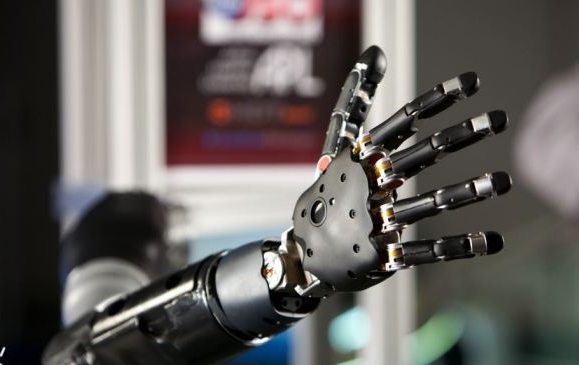
Prosthetic Hand for People with Disabilities: Controlled by Muscle Vibrations
Although someRobotic ArmThe deployment of certain technologies may be detrimental to humanity, but the introduction of some robotic arms is undoubtedly a boon. Take the following example:
Recently, Imperial College London released aNew Robotic Arm, its equipped sensors directly detect minute vibrations in the arm’s muscle fibers, allowing users to easily control the device through simple muscle responses and arm movements. This technology holds promise for the future development of more advanced and cost-effective mechanical prosthetics for individuals with disabilities.
Previously, most mechanical prosthetic limbs were controlled by electrical signals generated by muscle activity. This requires sensors to contact the user's residual limb and detect these electrical signals. However, such signals are highly susceptible to interference; for instance, perspiration can disrupt signal transmission, thereby impairing the control of the mechanical prosthesis. Furthermore, the manufacturing, debugging, and calibration costs associated with these devices are relatively high, hindering their widespread adoption.
Experts at Imperial College London stated that the robotic hand developed by their team employs a more reliable and straightforward control mechanism: slight movements of the user’s residual limb are detected by novel sensors worn on the stump, which directly sense minute muscle vibrations and convert them into command signals transmitted to the prosthetic hand, thereby enabling it to perform corresponding actions.
Furthermore, the researchers equipped the robotic hand with a motion sensor to further refine its control modes. By performing a series of simple muscle responses and arm movements, users can control the robotic hand to pick up objects of varying sizes. An amputee volunteer has conducted preliminary trials with this robotic hand and expressed considerable satisfaction with its performance.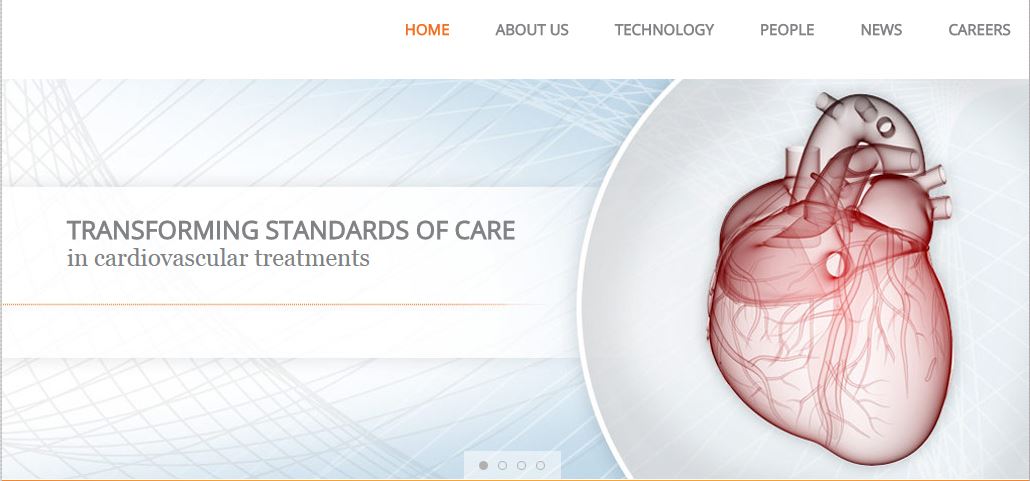
The World’s First Resorbable Heart Valve Debuts! Xeltis May Reignite Investor Enthusiasm
Traditional heart valve replacement surgery is subject to numerous factors beyond the surgical procedure itself. For instance, the long-term implantation of exogenous materials in the body can easily trigger postoperative inflammatory responses, potentially necessitating reoperation. This inevitably imposes a heavier financial burden and greater medical risks on patients.
Swiss Medical Device CompanyXeltisRecently, good news was announced that the world’s first bioabsorbable heart valve has been independently developed. This valve is composed of absorbable porous matrix biomaterials, which promote tissue growth and natural healing; as new tissue forms, the valve is gradually absorbed and dissolved. Currently, Xeltis has successfully completed its second feasibility study for this heart valve, with promising data captivating investors.
Xeltis also plans to submit an application for the CE mark for its other pulmonary valve product to the European Union in 2018, with the aim of obtaining the rights to promote and sell the product in the EU region.
According to the official introduction from Xeltis, the company currently possessesEndogenous Tissue Repair Technology(ETR), primarily based on the Nobel laureateJean-Marie LehnThe Professor’s Research Achievements in Supramolecular Chemistry. Essentially, absorbable biomaterials are designed and implanted into the body to serve as cardiac valves, blood vessels, or tissues. Once the corresponding host tissues have regenerated and achieved full functionality, these absorbable biomaterials are naturally absorbed or degraded by the body.
Although the clinical demand for the developed valve repair devices is relatively niche, Xeltis CEOLaurent GrandidierWe remain firmly convinced that the company’s efforts will serve as a cornerstone for the development and advancement of other absorbable biomaterials in the cardiovascular membrane category. Currently, the company’s proprietary platform technology enables the development of numerous materials for cardiovascular replacement valves, and this technological advantage has become the most compelling highlight for attracting investors.
In 2014, the private equity firm LSP raised a substantial €27 million investment for Xeltis through the issuance of Series B private fund units. Xeltis is committed to achieving steady profit growth guided by cost-benefit analysis principles, a business strategy and operational model that has consistently garnered favor from LSP and other high-net-worth investors.
Currently, Xeltis is actively preparing for the market launch of its heart valve product, which is primarily used to correct cardiac malformations in children with congenital heart disease. The company hopes to obtain the relevant marketing authorization approvals as scheduled, thereby benefiting more patients.
“Iron Man Gear”: Martin Jetpack Makes Maiden Flight in China, with Applications in Healthcare and Other Fields
Recently,Kuang-Chi Martin JetpackChina’s First Public Manned Flight Stages “Future Flight Show” at Shenzhen Happy Coast. At 14:46, a senior pilot from AustraliaMichael ReedPiloting the Kuang-Chi jetpack, he slowly ascended into the air, flying across the lake toward the main stage at an altitude of several dozen meters. The downdraft kicked up sprays of water on the lake’s surface, drawing waves of astonishment from the crowd.
Amidst the roaring sound, the jetpack sped forward, turned, and hovered over the artificial lake, stirring up spectacular waves on the water’s surface. During the flight, Michael even released his hands mid-air to wave to the more than 2,000 spectators present. After approximately five minutes, the jetpack landed smoothly on the main stage, eliciting even louder applause and screams from the crowd.
The Kuang-Chi Flight Pack was once rated by Time magazineOne of the 50 Best Inventions of 2010, the flying suit successfully conducted China’s first public flight, marking the official dawn of the personal aviation era. After witnessing the maiden flight, Mr. Lin, a Shenzhen resident, remarked, “Looking back on this day years from now may prove as momentous as looking back on the debut of the first automobile today.”
The Kuang-Chi Martin Jetpack is the world’s first commercialized, practical personal vertical-flight aircraft. Powered by a gasoline engine, it offers a flight endurance of 30 minutes, a payload capacity of 120 kilograms, and a maximum speed of 80 kilometers per hour, making it suitable forEmergency Rescue...and personal experience flights, with a public retail price of 1.6 million yuan in China.
On the same day, in addition to the manned flight pack, another pilot performed with a remotely operated autonomous version. Also unveiled were innovative products from the “Deep Space” family, including the mini version of the aerial loitering platform “Cloud,” the U1 aerial hovering station, and the Photon intelligent food-delivery consumer machine.
It is reported that Kuang-Chi was founded in 2010 by an overseas innovation team upon their return to China, focusing on disruptive, original innovation. The founding team consisted of five returned overseas PhD holders with an average age of under 30. Currently, Kuang-Chi has a total workforce of over 700 employees, with R&D personnel accounting for approximately 70%. Its business operations have expanded across Asia, Europe, the Americas, Oceania, and Africa.
Healthcare Has Been Explicitly Designated by Beijing as a Key Area for Public-Private Partnerships
Recently, the Beijing Municipal Finance Bureau stated that, in light of the characteristics of sufficient stock and large scale of social capital in Beijing, the city has opened its doors wide in the field of public services and determined toMedical, Rail Transit, and Parking FacilitiesFully open channels for cooperation with social capital in 12 key areas.
According to the introduction, these 12 key areas are:Rail Transit, Parking Facilities, Waste and Sewage Treatment, Energy, Water Conservancy, Affordable Housing Projects, Healthcare, Elderly Care, Education, Culture, Suburban Tourism, Expressways。
In the aforementioned 12 sectors, government departments may propose cooperative project recommendations based on economic and social development plans and special-purpose plans, and submit them to the Beijing Municipal Finance Bureau. Social capital may also propose cooperative project recommendations in response to economic and social development needs, submitting them to the Beijing Municipal Finance Bureau through the relevant industry competent authorities. Projects advocated and recommended by both the government and private investors will be transferred from the project reserve pool to the screened project management pool, and will be initiated and implemented in an orderly manner with mechanisms for structured entry and exit.
Currently, multiple projects in Beijing have been included in the second batch of PPP (Public-Private Partnership) demonstration projects approved by the Ministry of Finance. Among them, the Xingyan Expressway has secured RMB 9.7 billion in private capital investment through bidding and contract signing, accounting for 74% of the total investment. This cohort of replicable demonstration projects has also facilitated the launch and implementation of a new wave of PPP initiatives, including the Jingtai Expressway and the Shunyi Campus of Beijing Friendship Hospital.