

2015 Companion Robots: A Retrospective on Care and Companionship in Robotic Form

Perhaps you are still immersed inR2D2,EvaIn the story of Baymax, or when your mood is occasionally stirred by news headlines featuring Japanese humanoid robots, you might think that service robots are still far from your daily life. In fact, you are mistaken. Setting aside the endless research, development, and optimization, service robots have already entered the stage of large-scale commercial application. The door to the RT era has opened, driven by the combined forces of usage environments, market demand, and technological breakthroughs.
As young professionals born in the 1980s and 1990s brave the competitive landscapes of Beijing, Shanghai, Guangzhou, and Shenzhen to make a living, often unable to care for their elderly parents and children left behind, I wonder: Could humanoid robots step in to look after these left-behind seniors and children, providing them with necessary care and companionship when they are ill or lonely? I am not sure if this constitutes an indispensable need, but I do know that many elderly people and children around me truly require such support.
Below, VCBeat will take stock of the mainstream companion robots in 2015. Whether for the elderly, children, or women, we have them all covered to ensure your life is no longer lonely.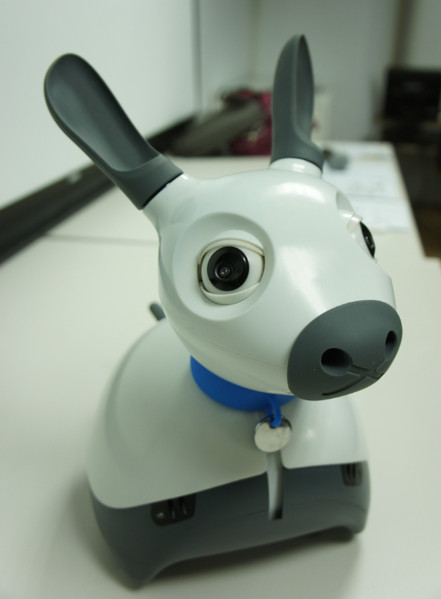
“Miro” Bionic Robotic Pet
The development of the robotics and automation industry in the United Kingdom tends to focus on specific application areas, primarily helping people address challenges in daily life, rather than emphasizing the research and development of humanoid robots as Japan does. Currently, the UK faces a pronounced aging population issue, with many elderly individuals experiencing loneliness due to lack of companionship. However, physical limitations and other factors often prevent them from keeping pets. To alleviate this loneliness, robotic pets have emerged.
Imagine a future day when your companion pet is a robot that can remember past experiences and analyze future actions. It can recognize your voice and movements, and respond with affection just like a real pet...
Ta-da! A Professor of Cognitive Neuroscience from the University of Sheffield, UKTony PrescottIt truly brings us Miro, the latest bionic robotic pet developed by its AI laboratory:Rabbit Ears, Dog Faces, and Body Colors of Marine Organisms... It is said that Tony Prescott intends toMiroDesigned as a “four-unlike,” it integrates diverse behavioral combinations from multiple animal species.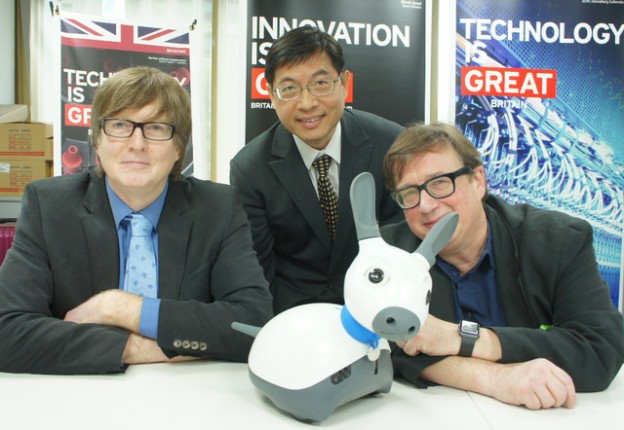
MiRO is equipped with 13 motors throughout its body, enabling it to move with the same agility as a real animal. Its neck can rotate up, down, left, and right; its tail wags up and down to express emotions; and even its ears can bend and twist. With cameras in both eyes, MiRO not only has vision but can also judge distance and position, while blinking poses no issue. Microphones are installed in both ears, allowing it to hear sounds, turn toward their source, and respond. Although it currently lacks speech recognition capabilities, it can be programmed and trained to respond to more than 10 commands, making it smarter than the average pet.
MiRO contains three computer chips: one is placed in the body to serve a function similar to that of a spine, while the other two are located in the head to simulate an animal’s brain using bionic technology. However, it currently lacks an artificial intelligence chip, and its learning capabilities remain undeveloped. Therefore, MiRO temporarily relies on one chip in the head and one in the body to maintain operation, enabling it to possess perception and mobility.
Furthermore, MiRO is equipped with sensors that enable it to identify the direction of sound sources. It continuously emits animal-like vocalizations and engages in emotional interactions with its owner. When you pet it, MiRO’s face turns green; whereas if you shout at it, its face turns red in an “angry” expression, and it quickly scurries away. When MiRO becomes tired, it returns to its charging bed to rest and recharge, closing its eyes as if truly asleep.
Originally, Tony Prescott’s primary research field was psychology before he shifted his focus to artificial intelligence. To date, he has been engaged in robotics research for over two decades. Currently, he and his team have only developed a prototype of a pet robot; more advanced functionalities, such as learning capabilities and language understanding, are not yet feasible. Tony Prescott anticipates that Miro will be launched on the market within a year at a relatively affordable price.
However, Allen has always been curious about why this guyS! O! Ugly!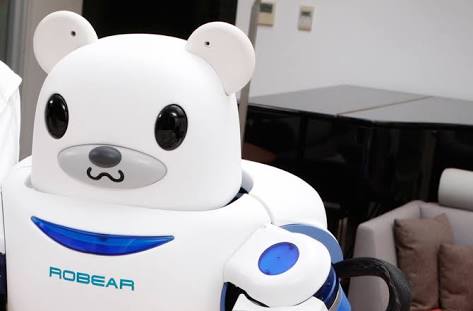
Gentle Bear Nurse “Robear”
Given the consecutive record lows in birth rates, Japan’s aging problem has become increasingly severe. Considering the future acute shortage of young and middle-aged workers, the elderly face a grim challenge of having no one to care for them in their later years. But fear not! The people of Japan have come up with a clever solution:Robot!
Consequently, Japan’s Riken research institute set out to develop a caregiving robot named Robear, nicknamed the “Bear Nurse,” which features an adorable appearance resembling a panda. Allen believes that this bear-like design readily evokes memories of the teddy bears held in one’s arms during childhood. Compared with conventional robots that lack facial expressions, such an “imperfect” robot is likely to provide greater reassurance to care recipients—a notion supported by scientific evidence (see “To Be a Human Companion, Care Robots Need Flaws”).
Later, Robear developers personally confirmed that this appearance makes the robot look both powerful and gentle. Its all-white design also conveys a sense of cleanliness and reliability. Moreover, the final design of ROBEAR was determined through a joint vote by the R&D team and designers. However, do not be misled by its adorably clumsy appearance; it is truly a robust “male” machine.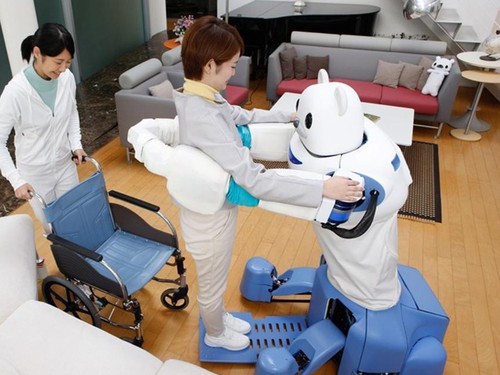
It not only supports caregivers by lifting patients from bed, but also assists those with limited mobility in walking and standing, providing support for their body movements. Robear’s movements are exceptionally gentle, thanks to its built-in capacitive tactile sensors that transmit data to the actuators, enabling them to rapidly detect any resistance exerted by the patient’s body against applied force. These tactile sensors utilize smart rubber developed by Sumitomo Riko, an automotive components manufacturer; the elastic rubber sensors can measure pressure and deformation.
In fact, RIKEN’s ROBEAR is the third-generation care robot. Compared with its predecessor, RIBA-II, ROBEAR is lighter (weighing only 140 kg), which is 90 kg less than the previous model. Moreover, it features a smaller base, allowing for greater mobility and convenience.
Furthermore, ROBEAR has undergone further optimization in its details. For instance, the internal gear actuators have been repositioned lower, enabling the robot’s joints to move with greater precision and speed; additionally, a cushioning brake processor has been incorporated to ensure smoother and slower movements.
In addition to the assistance of built-in processors, the secret to robots becoming “gentle” also lies inSmart Rubber, Tactile SensorsandTorque SensorThese three essential tools enable patient monitoring to prevent injury.
That concludes our brief introduction to the Robear nursing robot. Allen sincerely hopes that this robot will prove beneficial in the caregiving industry, alleviate the workload of caregivers, and bring greater benefits to the care of the elderly and individuals with disabilities.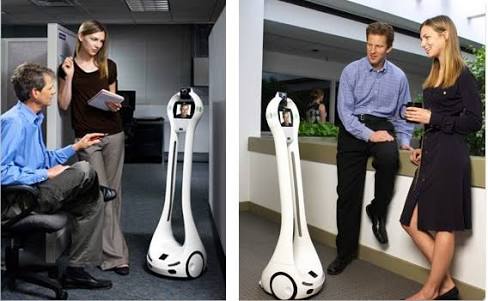
Giraffe Robot “Vgo”
The VGo robot is an intelligent robot developed by the U.S.-based company VGo for telemedicine and home health management. Its designated roles include serving as a physician’s personal assistant, a healthcare specialist’s aide, a family member, and a health companion.
It can assist healthcare professionals in conducting remote disease monitoring and consultations, facilitate personalized medical services and health management between doctors and patients, enable accessible and ubiquitous remote communication, and safeguard patients’ medical information and personal privacy.
Furthermore, VGO facilitates "in-person" communication between patients and their families when physicians or loved ones are unable to visit in person. Family members and friends can conduct remote visits from any location at any time, creating an intimate experience akin to being physically present. This enables visitation in specialized medical settings, such as Intensive Care Units (ICUs), isolation wards, and delivery rooms. Additionally, VGO assists health management specialists in monitoring patient recovery and providing health consultations, including addressing health-related and medical care inquiries within the home environment.
At the “home” of the VGo robot—VGoOn snowy days, approximately half of the company’s employees report to work via VGo robots. Colleagues have grown accustomed to seeing these robots navigating the office corridors; when two robots encounter each other, they pause to “chat,” even though their human operators may be thousands of miles away. The scene is truly picturesque.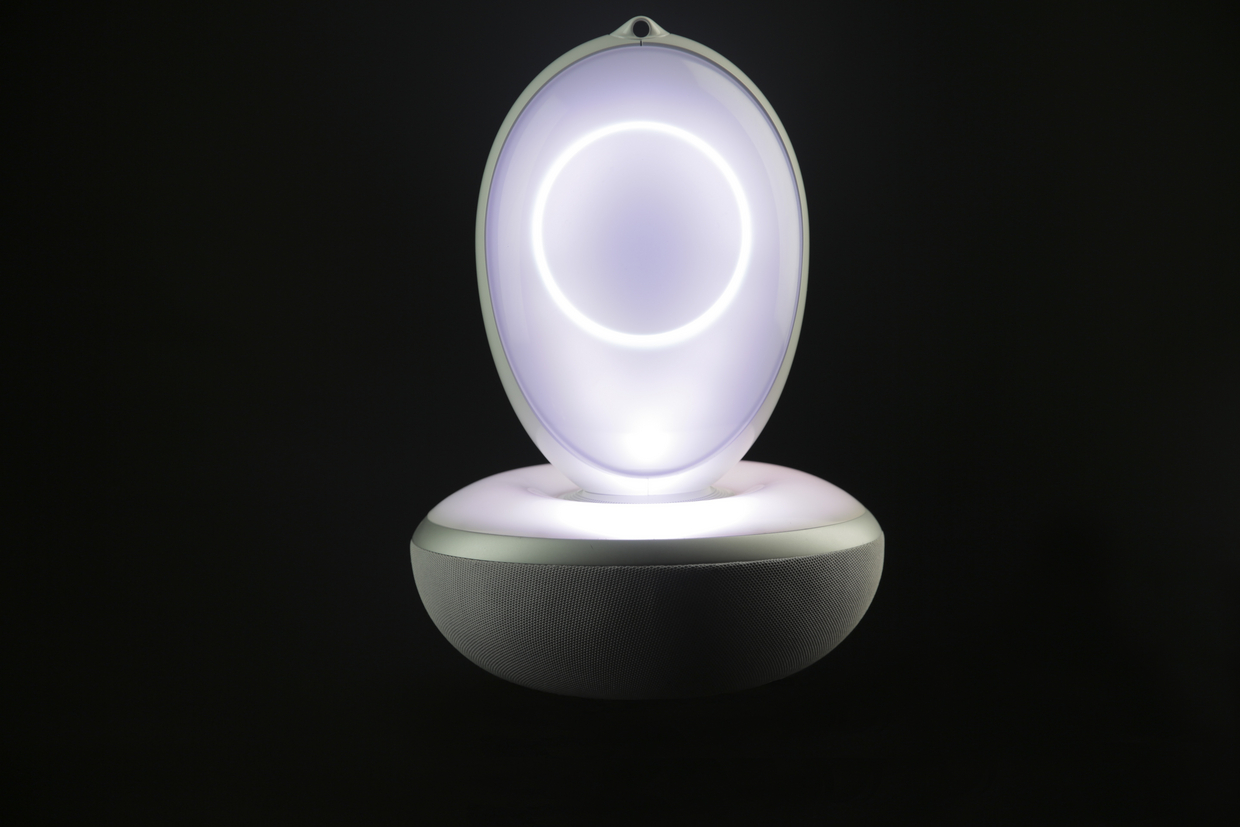
Rokid, A Child’s Trusted Companion
It is said that the name Rokid originates from: Rokid = “Robot” + “Kid,” signifying that the product itself possesses a sense of life, capable of growth and learning.
As a home robot, Rokid is immobile, taking the form of static hardware resembling a three-dimensional water droplet resting on a curling stone-shaped base. Its “water droplet” front face is a high-curvature aspherical shell that displays images generated by an integrated DLP projector and LED array. The upper half of the base, made of the same material as the front face, is also capable of displaying images, while the lower half functions as a speaker. The top of the device is equipped with a 12-megapixel camera, and its midsection houses an omnidirectional array of eight digital microphones.
Compared with the aforementioned robots, the Rokid team places greater emphasis on audiovisual interaction; they have developed for RokidVoiceprint Recognition, Facial Recognition, Gesture Recognition, Motion Recognition, Far-Field Speech Recognition, Sound Source LocalizationandACE Self-Audio Source EliminationWait. In terms of the hardware system, Rokid employs an 8-core CPU and a multi-core co-processor to support all high-speed computations. The scalability of its hardware interfaces facilitates development. Additionally, Rokid provides a graphical tool for secondary development, lowering the barrier to entry for developers on this platform.
Blah, blah, blah. After all that talk, how exactly should you use Rokid?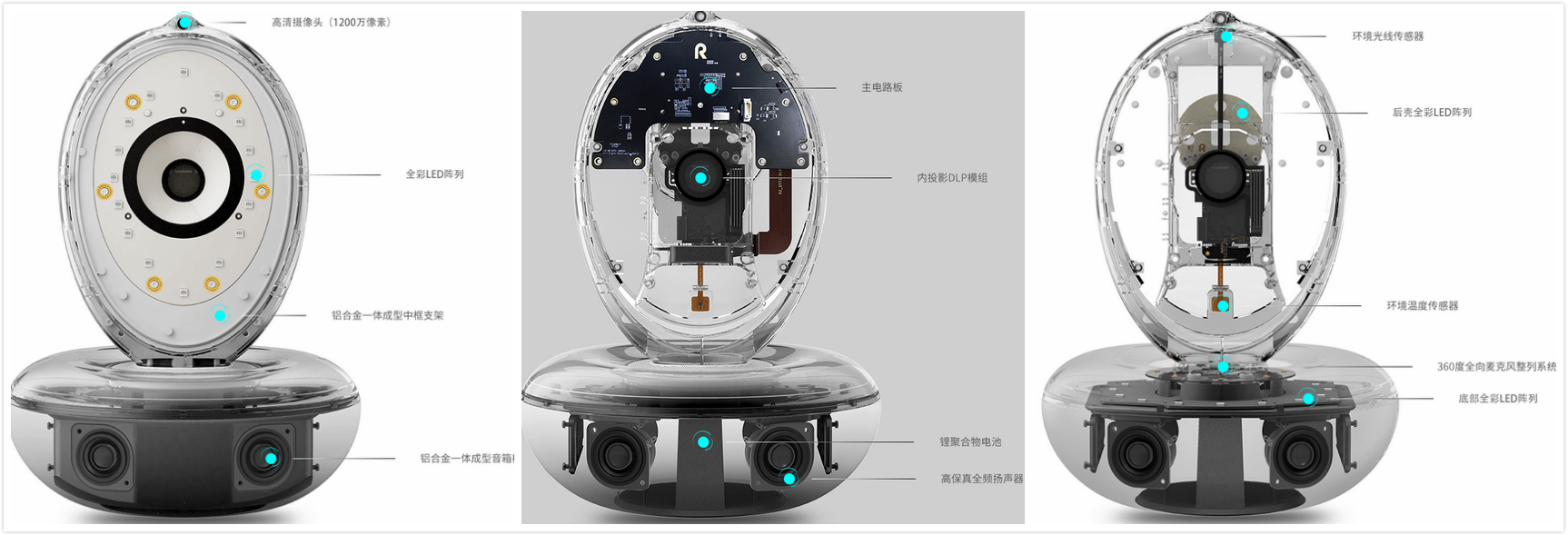
Unlike other mobile home robots, Rokid adopts aVoice Interaction Mode, it displays a 3D star trail animation in standby mode. When you say “Hi, Rokid,” it responds vocally, illuminates the upper layer of its base in the direction of your voice, and displays a circle on the screen to indicate the start of interaction. Additionally, Rokid features gesture-based wake-up functionality via its camera (though less sensitive in low-light conditions). It is currently developing and debugging far-field voice recognition and biometric identification capabilities, including voiceprint and facial recognition. The former enables users to interact with Rokid via voice from a distance, while the latter two allow the device to identify family members through voice and visual cues, thereby delivering personalized services based on deep learning of individual user profiles.
Certainly, robotics companies generally rely on a team with a strong technical background, and the Rokid team is no exception. The company has three founders:Misa、EricandDanMisa was the head of Alibaba’s M Lab, overseeing R&D in deep learning, computer vision, and natural language processing. Eric formerly served as CFO at Kingsoft Software and Goodbaby Group, and as Vice President of Finance and Corporate Treasurer at Alibaba Group. Dan previously held the position of Vice President for Greater China at Nokia, later joined Madhouse Inc. as Chief Operating Officer to manage one of China’s largest mobile advertising networks, and was subsequently invited by Samsung to serve as its Vice President for China, where he was responsible for software and services related to Samsung’s smartphones, tablets, smart TVs, and wearable devices. The company also has an advisory board composed of a professor from the Chinese Academy of Sciences, an associate professor from Zhejiang University, and a former head of production at Apple.
It is reported that the company secured millions in angel funding from Linear Capital at its inception in 2014. Although Rokid has not yet entered formal mass production, its arrival may bring unexpected surprises, especially compared to the subpar hearing capabilities of SoftBank’s Pepper robot in Japan.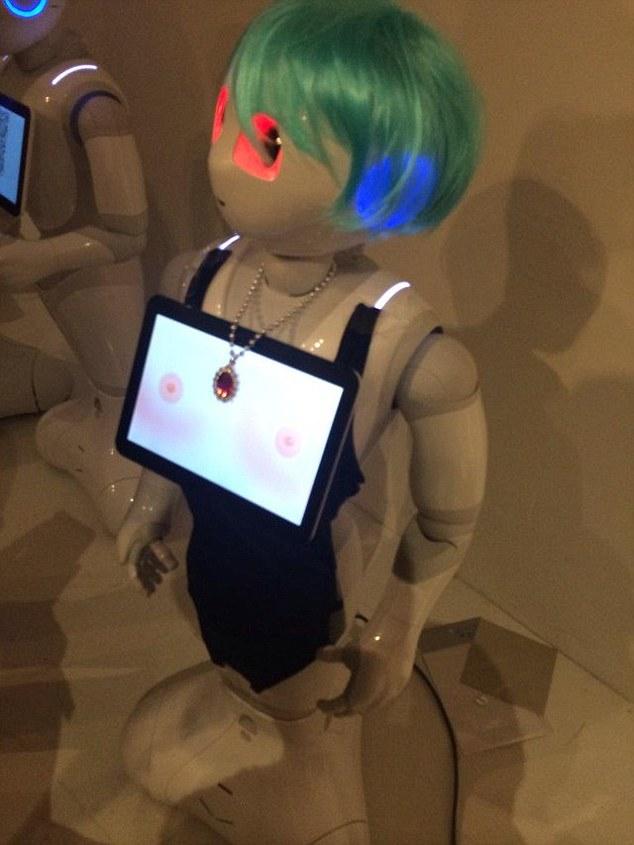
Jack Ma’s New Favorite: “Pepper”
Pepper, the caregiving robot favored by Jack Ma, was jointly established by SoftBank Group, Alibaba, and Foxconn.SoftBank Robotics Holdings CorpDeveloped, it is a pioneer in bringing emotional robots to the masses.
Pepper stands 1.2 meters tall and weighs 28 kilograms. It features a built-in 10.1-inch touchscreen on its chest and moves via wheels embedded in its base. Its eyes change color when it is listening or speaking. During conversations, Pepper gestures with its arms; these highly expressive movements enhance its approachability. However, like other robots, Pepper has limited hearing capabilities. It needs to be sufficiently close to respond and sometimes mishears or misinterprets human speech. Once it understands the spoken words, the tablet on its chest provides further clarification of its response.
Despite some drawbacks, Pepper has an undeniable advantage: it can work 24 hours a day without complaint or tardiness. The robot, which caught the eye of Jack Ma, currently rents for $444 per month (approximately RMB 2,757), andFor Rent Only, Not for Sale。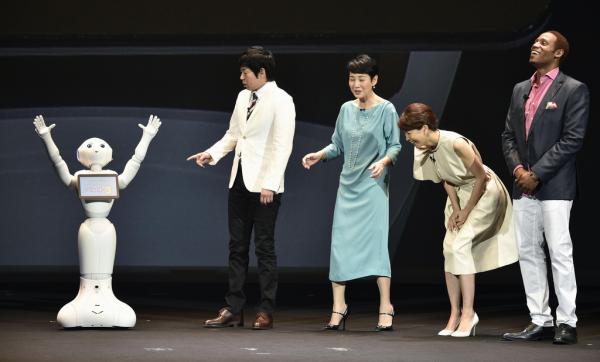
Pepper’s core strength lies in its ability to recognize emotions through human facial expressions and tone of voice. When asked if it can cook, it cleverly replies, “I think I could give it a try, but I don’t think that’s a good idea. I’d rather just be your friend.” SoftBank has currently opened its API to external developers, allowing them to create new features and further enrich Pepper’s capabilities.
Currently, the U.S. team of France’s Aldebaran Robotics is collaborating with researchers from IBM, aiming to equip Pepper with the ability to create recipes by leveraging the Watson platform.
The robot is priced at $2,000, with an additional monthly fee of $200 for cloud-based support; however, the Aldebaran team has not yet disclosed when Pepper will be launched in China.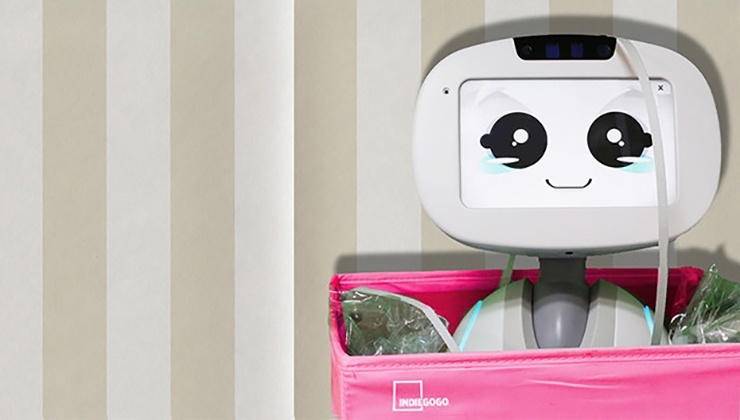
New Family Member “Buddy”: Taking Cuteness to the Max
First, it must be stated that this product hasFrench ancestry~That’s right. I’m just that tsundere—can you blame me for being so adorable?
Although France is a romantic country, it has also mastered the art of being cute. Earlier, a French startupBlue Frog RoboticsIt was once stated that the hope is for everyone to have an AI friend in their own home in the near future. But no one expected that it would bring us Buddy, this adorable little companion, so quickly. Jack Ma would probably be crying in the bathroom if he saw this...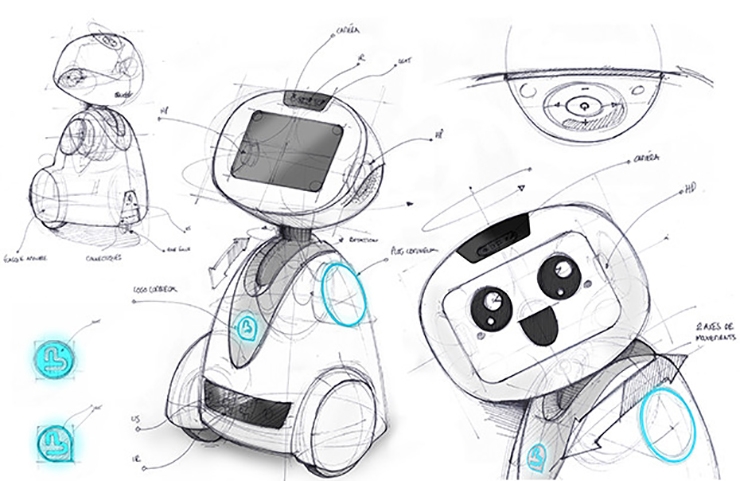
Buddy, this adorable home smart robot, is touted as a social robot suitable for every family member. Standing approximately 22 inches (56 centimeters) tall, it can perform numerous tasks for humans, including video calling, messaging, calendar management, alarm functions, and home monitoring when you are away. Beneath its cute exterior, Buddy remains a sophisticated AI-powered electronic device composed of circuits, sensors, and processors. It features intelligent recognition and text-to-speech capabilities. Once connected to Wi-Fi, it enables remote control and online search, and can perform virtually any function available on smartphones and tablets.
BUDDY is equipped with three wheels, capable of “walking” at a maximum speed of 0.7 m/s and vertically traversing obstacles up to 1.5 cm in height. It can even be summoned or dismissed at command, allowing you to regard it as a family member or a multifunctional pet.
Additionally, BUDDY’s battery life reaches 8–10 hours, meaning it can accompany family members throughout the entire day.
At the same time, Blue Frog also made a wise decision to open-source Buddy.
Its developer version provides a complete SDK, including visualUnity 3DProgramming tools enable users to develop new applications based on BUDDY’s existing hardware and software development environment, while the comprehensive API suite facilitates the integration of third-party hardware.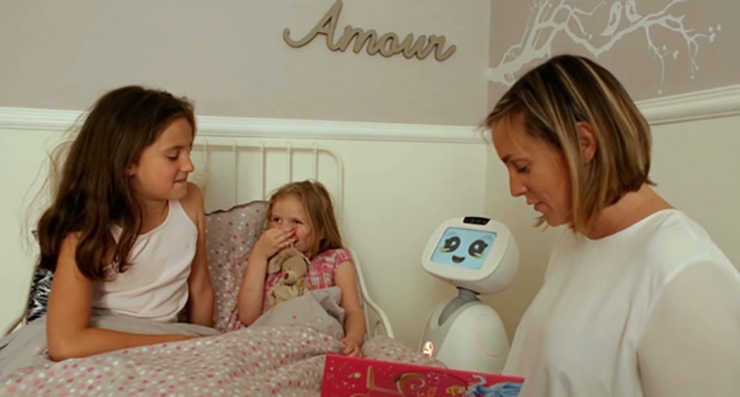
If it were merely about listening to your vents, singing you songs, or taking walks with you, Allen wouldn’t have recommended it. Buddy’s standout feature is its integration with smart home systems, managing various subsystems while continuously tracking the user’s schedule. While engaging children in play, it proactively patrols the house and provides remote monitoring. In the event of a sudden health emergency involving an elderly person, Buddy immediately contacts family members through multiple channels—including phone calls, text messages, and video alerts—to ensure timely intervention.
Seeing such an adorable little one, Allen could only say: "Come into my bowl."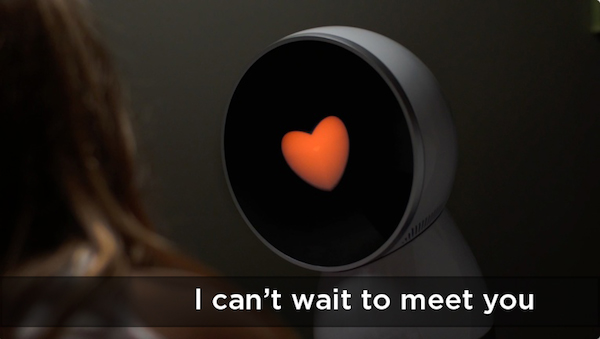
You’ll Fall in Love with Him: The Social Robot Jibo Is Here
It would be fantastic to take on even a minor role at the Personal Robot Group of the MIT Media Lab. The lab is filled with a wide variety of robots, ranging from those resembling plush toys to NEXI, the well-known “interactive emotional” robot that has gained significant attention in recent years. Jibo, too, was designed by Cynthia Breazeal, the professor leading this group.
Earlier, JIBO gained significant traction in the tech community passionate about robotics, reportedly as the world’s first domestic robot. JIBO demonstrated strong efficiency and rapport in human-robot interaction; for instance, it could interpret certain human facial expressions and excelled at telling stories to children.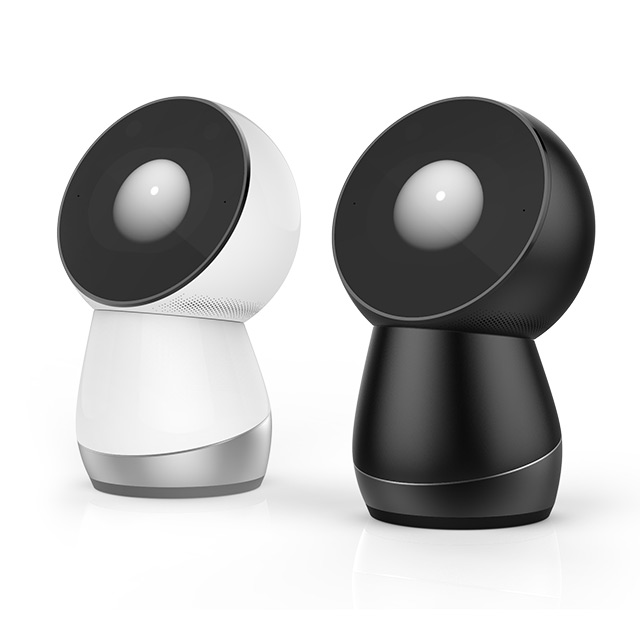
Jibo features a high-definition LCD touchscreen on its face, two built-in cameras, two speakers in its head, and various touch sensors distributed across its body, capable of emitting lights in different colors. You can choose from aluminum, plastic, or glass to customize Jibo’s exterior. Although it cannot move around, its 11-inch stature allows it to make efficient use of space while keeping you company.
By integrating facial recognition technology with 360° sound localization, Jibo can identify each family member, deliver personalized self-introductions tailored to different individuals, and push information aligned with their unique preferences. It effortlessly handles tasks such as reminding children to go to bed or prompting elderly family members to take their medication on schedule. When someone approaches, it automatically plays music and dances by swaying its body. Posing in front of Jibo triggers its thoughtful response to capture photos or videos, ensuring parents never miss a precious moment in their child’s growth.
In 2014, the company launched a crowdfunding campaign on Indiegogo, raising $2.3 million against a target of just $100,000. Now, this robotics startup has announced a substantial $25.3 million in Series A financing.
JIBO has adopted a sales model similar to that of the iPhone and Tesla vehicles—online pre-sales followed by sequential shipments. The difference is that it relies on funds raised through pre-sales to drive research, development, and production. All 4,800 units offered for pre-sale on the crowdfunding platform Indiegogo have been sold out. These orders primarily include two options: a $599 developer edition with an SDK, and a $799 JIBO package, which includes one battery, one charging dock, and an SDK available to any requester. Currently, only black and white color options are available. Orders placed this year will be shipped in April and May 2016, according to the order sequence.
Capable of storytelling and adept at acting cute, Jibo, as a companion robot, has mastered the ultimate techniques for entertaining children. Currently, Jibo primarily targets mid-to-high-end households by providing services for children, with plans to expand into personalized applications in property management, hotel reception desks, and executive suites in the future. Barring any unexpected developments, it is expected to make its debut in China next year.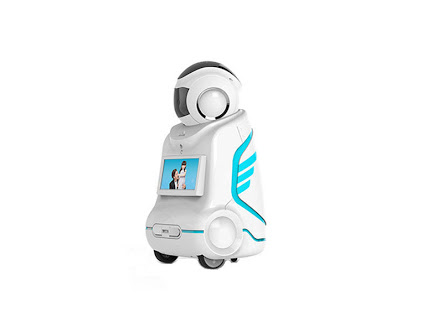
China’s Trusted Partner “Laidi”
With its kawaii, adorable design, it can wake you up, regulate air conditioning temperature, and stream real-time video of your baby at home. It also serves as a household manager, nanny, and security guard. Meet “Lady,” China’s premier smart butler.
Laidi is the collective name for a series of intelligent service robots first launched in China by Hunan Rongle Technology Co., Ltd. The initial lineup comprises seven models, including four home-use robots and three enterprise-oriented intelligent service robots; this reference pertains exclusively to the home service robots.
This robot features an ultra-cute appearance, resembling a lovable robotic baby with a slight resemblance to “Baymax.” It can sing, engage in conversation, and execute quick payments upon command. It provides daily life assistance for the elderly and children at home, performs autonomous patrols within the residence or residential community to prevent accidents, plays back recorded video footage as requested by the user, and conducts cloud-based data analysis and storage. Its most distinctive feature is its autonomous companionship capability, serving as a 24/7 health manager for elderly users. By wearing a smart wristband, users can synchronize four vital indicators—heart rate, blood pressure, blood lipids, and blood glucose—to their spouse’s and children’s mobile devices for convenient monitoring. In the event of sudden emergencies such as fainting while outdoors, an alert will be promptly sent to their children’s phones, and medical institutions will be immediately paged to ensure timely rescue.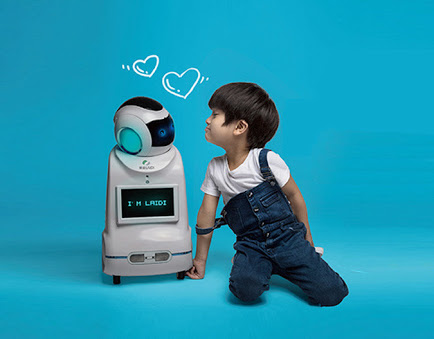
What sets it apart from previous products is that the Lady robot also features human-robot interaction. In simple terms, people can chat with the robot as if they were family members. For example, the Lady Xiaoxing home-care robot can engage in simple conversations with elderly users by observing their facial expressions, cheer them up, and promptly relay their emotional status to their children. Moreover, children working away from home can communicate with their parents in real time via video calls through the robot. The Lady robot app includes a “Care Index” section on their children’s smartphones, allowing them to review video playback of their parents’ daily activities, engage in real-time video chats, and request songs or traditional opera performances for each other. Elderly users can also interact with peers in their community through the Lady Xiaoxing Community feature.
Currently, the “Laidi Intelligent Service Robot” is being crowdfunded on JD.com, priced at under 5,000 yuan.
Nevertheless, Allen would still like to say:So! Ugly!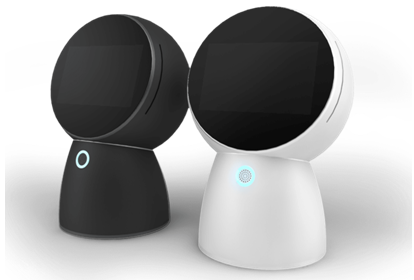
Localization! Roby-Mini Robot, Focused on Companionship Services
Earlier, Shanghai Renzhi Technology launched its new intelligent robot product, Roby-Mini, on Tencent Digital’s Hanwu Plan platform. Designed primarily for following and companionship services, Roby-Mini aims to become a humanized intelligent robot in users’ homes, according to Renzhi Technology.
The Roby-Mini stands 40 cm tall and features a 7-inch display, supporting two-dimensional movement. In terms of design, the Roby-Mini is primarily white and black, with a large head housing a 7-inch screen. The engineering prototype uses an IPS panel with a resolution of 1280×800. A 5-megapixel camera is mounted on top, enabling video calls and remote monitoring. Internally, the Mini is powered by an MTK6592 chipset, equipped with 4 GB of RAM and 8 GB of storage, running on an Android 4.4-based system. The unit incorporates one plus six infrared sensors and 15 touch sensors. These sensors serve not only for obstacle avoidance during robot navigation but also for smart home monitoring, while additionally facilitating human-robot interaction, such as interrupting the robot’s current action.
The iFlytek speech recognition system built into Roby-Mini enables human-machine interaction. When connected to the internet, Roby-Mini supports features such as voice chat, facial recognition, security protection, and module linkage.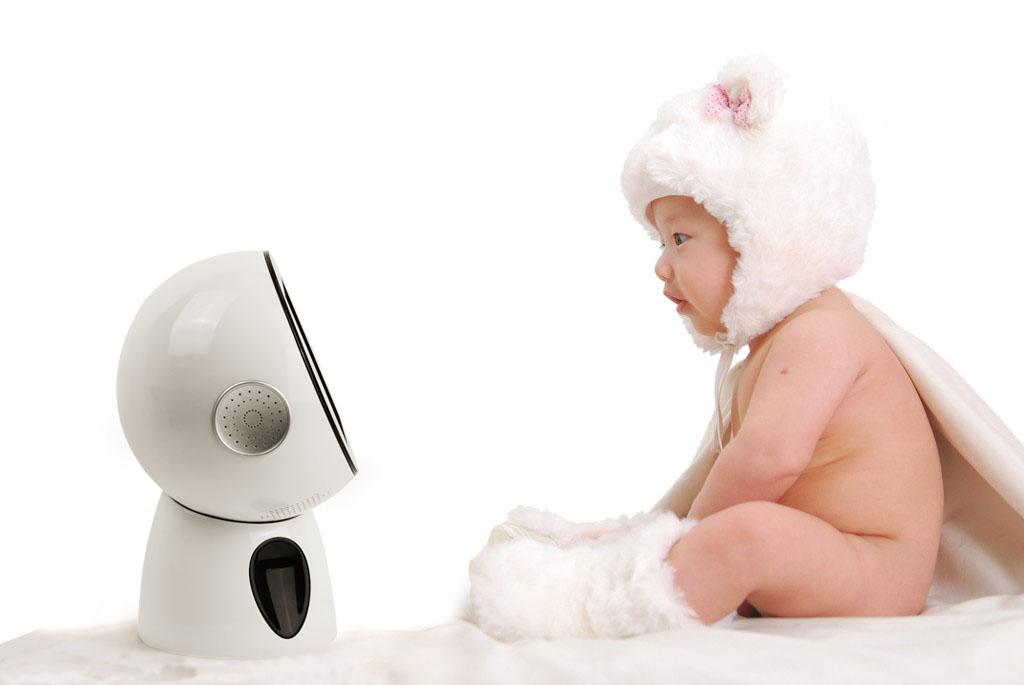
For families with children, it can sing songs and recite poems, providing companionship through play and conversation at any time. For adults, its smart home appliance control and one-touch arming features enhance household security. Additionally, for households with elderly members, its family care and remote photo capture functions enable real-time monitoring, ensuring the safety of seniors living alone. From the perspective of mainstream consumers, the most significant advantage is its affordable price, which makes Roby-Mini more accessible to ordinary households and integrates intelligence seamlessly into daily life.
Take smart home appliance control as an example. Issuing the voice command, “Luobo, please turn on the lights,” triggers an immediate response: Luobo uses an infrared controller to illuminate the bulb and reports to the user, “The lights have been turned on for you.” Perfect. Then, issuing the command, “Luobo, turn off the lights,” encounters a network issue, causing the turn-off instruction to be lost and fail. The light remains on, yet this device still sweetly replies, “Master, the lights have been turned off for you~.” It’s truly exasperating...
Furthermore, if “Dabai” is in an awakened state, it will inadvertently interject, even when you are not engaging in conversation with it. When ignored, it may mutter to itself in a corner...
RenZhi Technology is committed to building an open-source underlying platform for intelligent service robots. Its current product lineup mainly includesRoby ComLobi (General Commercial Edition), Roby MiniXiao Wo (Small Home Version) andRoby EvaEva (Anthropomorphic Load-Bearing Version),Roby-Nana(hotel service version), etc. The company’s predecessor has accumulated extensive experience in the industrial robotics sector for many years. Roby-Mini is their first product targeted at the home market, with a planned sales volume of 10,000 units, and it has already launched on JD.com’s crowdfunding platform.
Seeing so many excellent caregiving robots emerge, Allen smiled happily, although he doesn’t have the money to buy one yet....