

Google Files Patent for Needle-Free Blood Sampling Smart Wearable to Revolutionize Glucose Monitoring
Generally speaking, schools and other institutions organize annual health check-ups. For adults, this is usually not an issue. However, for children or individuals who are more timid, one particular item in the examination can cause significant fear. Yes, it isBlood Draw.
Generally, there are two methods for blood collection: one involves making a small incision at the fingertip for micro-sampling, while the other uses a large-gauge needle to draw blood from the antecubital fossa (inner elbow). For routine health check-ups, the former method is typically sufficient. Regarding innovations in blood collection, the best-case scenario you can imagine isRobotA blood draw technique that’s stable and precise, yet gentle. Now, you can enjoy an even better experience~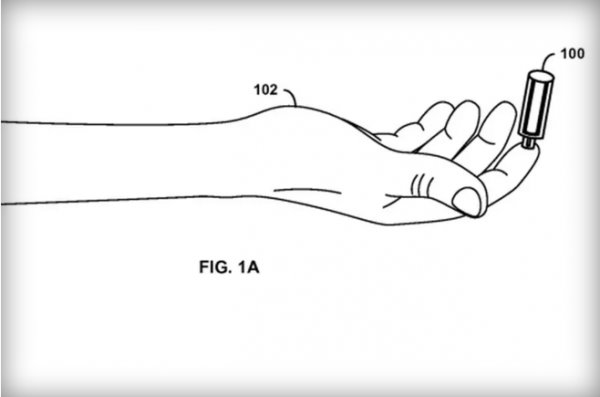
Ta-da~ A medical tech breakthrough has emerged! Recently, Google submitted a patent application titled “Needle-Free Blood Collection"System patent application, this system will be designed as aWrist-Worn Devicesor aHandheld Device, enabling direct blood sampling from people’s fingertips or other body sites. According to relevant reports, this patent is described as a blood-sampling system that operates by using a gas knife containing microparticles within a negative-pressure cylinder to create a minute incision at the fingertip; once blood flows from the skin, it is drawn into the negative-pressure cylinder.
This system will be open to most wearable devices, helping these common smart devices further upgrade into applicable medical devices. Google’s purpose in applying for this patent, besides making blood draws more convenient, environmentally friendly, and less intimidating, is also to integrate it with its previously launched device that monitors the wearer’s blood glucose levels.Smart Contact LensesandMicro Glucose MonitorCo-administration.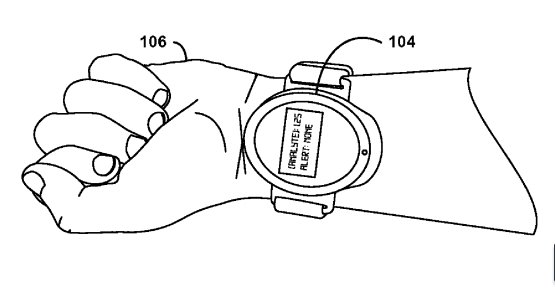
“This system can monitor users’ health data around the clock. The device is designed to measure heart rate, read blood glucose levels and blood pressure, and generate other health-related information. Additionally, it may be used to draw small amounts of blood, for example, for blood glucose testing,” explained Sundar Pichai, Google’s Vice President of Sensors for Android, Chrome, and Apps. This means that the technology could ultimately be used to help patients with diabetes.
Given that Google Life Sciences has previously launched smart contact lenses capable of monitoring wearers’ blood glucose levels, as well as miniature glucose monitors, it is hardly surprising that Google has filed this patent. With at least 29 million people in the United States suffering from diabetes, there is a substantial market within the U.S. alone to support Google’s innovations.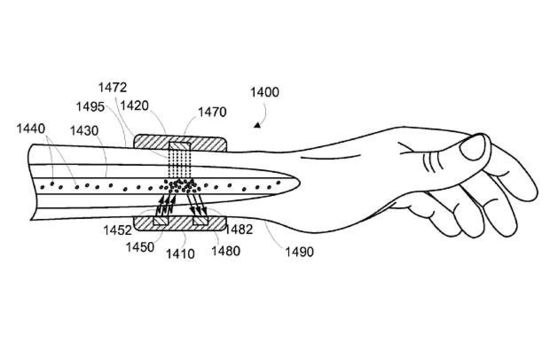
In fact, Google has never stopped its foray into medical wearables. As early as 2014, it developed a smart contact lens capable of reading blood glucose data from diabetic patients. Earlier this year, Google X even invented a high-tech wristband designed for medical applications to detect circulating tumor cells in the human body.
After wearing this wristband, users only need to take two nanoparticle-containing pills per month, secured within the wristband.MagnetiteThese nanoparticles are then collected and analyzed to determine whether they contain cancer cell particles, thereby enabling users to gain early insights into their health status.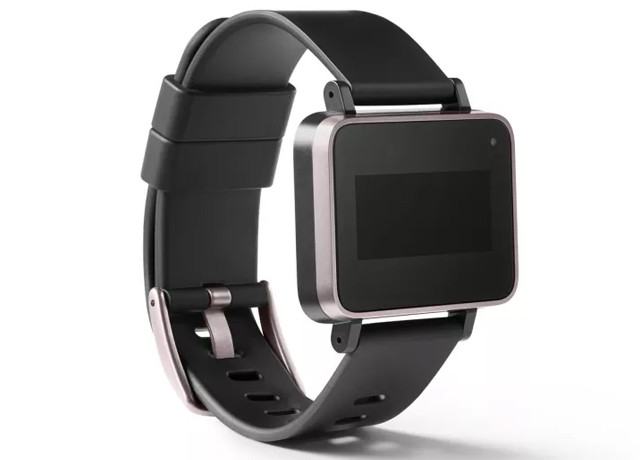
By September, Google X’s R&D division announced that it had developed a device capable ofConduct drug testing and clinical trials...health tracking wristbands, which can help researchers and medical professionals understand minute-by-minute changes in patients' vital signs, enabling faster diagnosis and treatment decisions. In simple terms, this means that in the future, individuals may be able to monitor and manage their own health conditions.
This health band can measure pulse, heart rate, and skin temperature, as well as other environmental data such as ambient light and noise levels. Through the health band, doctors can monitor and assess patients’ health status even when they are not in the hospital. However, the head of the department stated that the Google Band will not be marketed as a conventional consumer electronic product; instead, it will be provided to patients or used in clinical trials as a professional medical device.
In addition to its in-house R&D efforts, Google is also relentlessly pursuing healthcare investments. According to The Wall Street Journal, the number of initial public offerings (IPOs) by health and medical technology companies this year has decreased by 43% compared with last year. Nevertheless, Google Ventures continues to prioritize investments inHealthcareandLife Sciences Companiesinvestment. It is understood that this year, 31% of Google Ventures' deals were directed toward this sector. Although this proportion has decreased from last year's 36%, it remains the largest area of investment.
GoogleDepartment of Life Sciences and MedicineThe head of investments stated that several investments in the medical sector have already yielded returns, includingOncology, Spinal Cord Regeneration, Brain FunctionandAddressing Cognitive Impairment“It would not be unexpected if our investments in the healthcare and life sciences sectors reach $200 million to $250 million over the next 12 to 24 months.” Indeed, a more reasonable target for the next five years would be to invest approximately $1 billion in this sector.
Overall, the shift in investment reflects Google’s various expectations for future medical innovation, such as making healthcare moreTargetedness. Of course, with the diversified development of medical wearable devices, even industry giants like Google are sparing no expense in developing medical wearables, making the future imaginable.