

IBM Teams Up with Novo Nordisk to Develop AI-Powered Virtual Doctor for Diabetes Management
Today's Headlines:
Hansoh Pharma Plans HK Listing Next Year to Raise $11.7 Billion
AstraZeneca Plans to Acquire Biotech Firm Acerta for Over $5 Billion
IBM to Develop Virtual Doctor Using AI to Treat Diabetes
Fujia Mobile Healthcare: “Hospital + Third-Party” Model Redefines the Integration of Medical and Elderly Care
Scientists 3D-Print Brain Tissue for the First Time, Surviving for 30 Days
Medical Robots to Lead a Startup Boom
The Immunotherapy Market Will Exceed $74.2 Billion in 2022
China to Become the World’s Third-Largest Market for Cosmetic Surgery, with Market Size Reaching RMB 800 Billion in 2019
The market size of the Internet of Medical Things (IoMT) in 2020 was nearly RMB 200 billion.

Hansoh Pharma Plans HK Listing Next Year to Raise $11.7 Billion
According to foreign media reports, Chinese pharmaceutical companiesJiangsu Hansoh PharmaceuticalThe company plans to launch its initial public offering (IPO) in Hong Kong in the first half of next year, aiming to raise $1.5 billion (approximately HK$11.7 billion). It has requested investment banks to submit proposals, which will be reviewed next week.
Hansoh Pharma was established in July 1995 and has since developed into an integratedChemical and biopharmaceutical research, synthesis of pharmaceutical intermediates and active pharmaceutical ingredients (APIs), formulation manufacturing, and product salesAn innovative pharmaceutical group integrating multiple functions, it is one of the earliest nationally designated key high-tech enterprises, one of the Top 100 Pharmaceutical Companies in China, and one of the largest R&D and production bases for antineoplastic and psychotropic drugs in China.
Currently, the company has more than 20 products on the market in five major therapeutic areas: oncology, psychiatry, diabetes, gastrointestinal disorders, and antibiotics. The anti-tumor drug “Gemzar”、“Pulaile”、“GaiNuo", psychotropic drugs"Olanine", diabetes medications"Fulaidi”, gastrointestinal drugs“Ruiqi”、“Rebot” and other varieties, with a market share ranking among the top in its category.
In the “2014 Top 100 Chinese Pharmaceutical Companies” list released this year by the Southern Economic Research Institute of the China Food and Drug Administration, Hansoh ranked 19th. Meanwhile, in the concurrently published “Top 10 Most Innovative Pharmaceutical Companies in China” list, Hansoh ranked 3rd.

AstraZeneca Plans to Acquire Biotech Firm Acerta for Over $5 Billion
The Wall Street Journal1 recently cited sources familiar with the matter, stating that British pharmaceutical giantAstraZenecaAdvanced negotiations are underway to acquire a biotech company for over $5 billion.Acerta Pharma BV. The deal is expected to be officially announced as early as this month, but its completion is not yet guaranteed.
Acerta is headquartered in California, United States, and the Netherlands. It primarily develops drugs for treating various cancers and autoimmune diseases, which are the two most significant markets in the pharmaceutical industry. According to market research firmEvaluatePharmaAccording to the released data, global sales of cancer therapeutics totaled $79.2 billion last year, ranking first among all disease areas, while sales of autoimmune disease therapeutics ranked third at $48.8 billion.
Although Acerta is not widely recognized, a blood cancer therapeutic it is developing has demonstrated significant promise in early-stage clinical trials, with analysts projecting it could become a multi-billion-dollar product. In the field of anticancer drug development for similar classes,PharmacyclicsCompany'sImbruvicaConsidered the most likely candidate to become the world’s best-selling anticancer drug, it is projected to achieve annual sales exceeding $5.5 billion by 2020. Earlier this year, AbbVie acquired Pharmacyclics for $21 billion.
Last year, AstraZeneca rejected Pfizer’s $120 billion acquisition offer. Pascal Soriot, CEO of AstraZeneca, stated that the company would consider acquiring small and mid-sized firms to expand its pipeline of drugs in development. Last month, AstraZeneca agreed to acquire ZS Pharma, a California-based biotechnology company specializing in cardiovascular disease treatments, for $2.7 billion.

IBM to Develop Virtual Doctor Using AI to Treat Diabetes
Recently, the biopharmaceutical company Novo Nordisk will collaborate with IBM’sWatson Health(Watson Health) to develop a “virtual doctor” for diabetes patients, providing them withInsulin Dosageand other treatment recommendations.
This Danish diabetes treatment institution aims to use IBM’s Watson supercomputer platform to analyze health data from diabetes patients and assist in their disease management. Jakob Riis, Executive Vice President of Novo Nordisk, stated that continuous blood glucose monitoring data will be uploaded to the internet for analysis, thereby informing treatment decisions. He noted that an increasing volume of data will be integrated into such tools, including information on food intake, physical activity, and the timing and dosage of insulin injections.
ResMed believes that many routine issues can be addressed using artificial intelligence, such asInsulin Injection Dosage, andDiet, Exercise, and Insulin InjectionsMutual influences between them.
Novo NordiskNot the first medical company to adopt the platform, New York's MemorialMemorial Sloan Kettering Cancer CenterIn 2012, a collaboration with IBM Watson was announced to develop a tool designed to help oncologists access vast amounts of clinical data for cancer diagnosis and treatment. Other major healthcare institutions have also adopted similar measures across many disease areas, with pharmaceutical companies joining in as well. Johnson & Johnson has also reached an agreement with IBM Watson Health to jointly develop a “virtual coach” to serve patients undergoing knee replacement surgery.
Novo Nordisk’s partnership with IBM will also extend to other projects. Resh stated that the collaboration will analyze 5,000 anonymized U.S. patient records stored in Watson Health, aiming to determine which therapies are most suitable for different population groups and why certain populations exhibit lower diabetes incidence rates. He further revealed that the partnership will help Novo Nordisk collect real-world data from patients using its medications, thereby strengthening its negotiating position with payers. According to him, this will enable Novo Nordisk to better articulate the value proposition to payers.

Fujia Mobile Healthcare: “Hospital + Third-Party” Model Redefines the Integration of Medical and Elderly Care
Relevant data indicate that China’s population aged 65 and above will increase from 119 million in 2010 to 260 million in 2030 and 387 million in 2050, while the working-age population continues to decline. The ratio of working-age population to elderly population will drop from 7.6 in 2010 to 3.3 in 2030 and 2.1 in 2040.
In the next thirty years, Chinese people’s ““Elderly Care”will become a significant challenge. Against this backdrop, Beijing Rehabilitation Hospital Affiliated to Capital Medical University partnered with Ren’ai Elderly Care Industry Co., Ltd. to explore a new model integrating medical and elderly care services—Fujia Mobile Healthcare, a professional medical service platform that delivers healthcare services directly to users.
Zeng Yongjun, Chairman of Renai Elderly Care Industry Co., Ltd., introduced that the platform will establish a close connection among medical terminal devices (including smart blood pressure monitors and smart ECG devices), end-users (via user-side and monitoring-side mobile apps), and hospitals and physicians (via a physician-side mobile app). This integration will create a cross-sector service chain featuring chronic disease management, early warning for serious illnesses, remote outpatient consultations, and family-oriented interactive services.
The key specific features are as follows:
1、Chronic Disease Management: Users can monitor various physiological indicators such as blood pressure, electrocardiogram (ECG), and blood oxygen levels in real time through medical terminal devices, establish health data records, and transmit the data to designated physicians as needed.
2、Remote Monitoring: For end users, in addition to the user-side app, Fujia Mobile Healthcare has also designed a caregiver-side app. Caregivers can monitor the health status of their wards in real time and locate their current position to prevent them from getting lost or wandering off.
3、Telemedicine Outpatient Clinic: Users can schedule expert consultations online 24/7 and engage in face-to-face diagnosis and treatment with designated physicians via text or video. Based on the appointment, physicians can review the patient’s uploaded medical records, symptom descriptions, and monitoring data within the software, then communicate with the user to provide medication guidance or further treatment recommendations.
4、Reminders and Alarms: The user interface features medication reminders, while the physician interface includes outpatient visit reminders and alarms for critical tasks. When abnormal monitoring data is detected, an alert is automatically sent to the guardian's mobile phone.
It is reported that Fujia Mobile Health, the first hospital-led platform launched in collaboration with a third-party company in China, will begin its online pre-sale on December 31, 2015.
Currently, elderly care is a major social issue in China that urgently needs to be addressed. The traditional elderly care model, characterized by the disconnection between medical and elderly care services, is a significant obstacle hindering the orderly and healthy development of the elderly care service industry. To achieve “Medical-Nursing Integration"The key lies in healthcare reform."
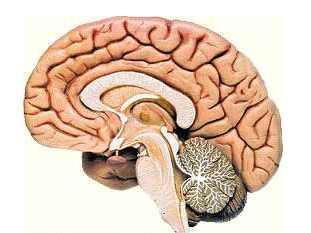
Scientists 3D-Print Brain Tissue for the First Time, Surviving for 30 Days
Recently, a team of scientists from Melbourne, Australia, achieved a truly groundbreaking milestone: they successfully 3D-printedCortical Tissue Block, which is a type of brain tissue.
This achievement was made by a team of scientists from the Centre for Neural Engineering at the University of Melbourne, whose directorStan SkanfidasOptimism has been expressed regarding these small clusters of cells. The brain tissue was fabricated from human stem cells, with scientists employing a specialized 3D bioprinter at the core facility to print six-layered brain tissue. It is reported that the brain cells comprising this tissue have established connections and communicate with one another, even forming folded structures akin to those found in primitive brain architecture. The project’s research team comprises engineers, neuroscientists, physicians, and computer specialists, among others.
Currently, these 3D-printed brain tissues (smaller than a pea) created by scientists, due to the lack of blood and oxygen, inAfter 30 Daysit died. The researchers’ next goal is to extend its survival time to100 DaysThis necessitates the development of new technologies by the team to deliver oxygen and nutrients to cells. Given an appropriate microbial environment, this tissue construct would begin to form a brain, potentially equivalent to that of a 20- to 30-day-old fetus. Moreover, since the brain cells within this 3D-printed tissue have already established networks and connections, scientists can now begin to investigate the interactions among certain genes in the brain—interactions that may underlie some common disorders.
In summary, its potential implications are multifaceted. This research paves the way for scientists to gain deeper insights into the most enigmatic part of the human body. Although we are now in the 21st century, we still do not fully understand how the brain works.

Medical Robots to Lead a Surge in Startups
Recently, the 2015 China Health Industry Innovation Platform Qipu Summit was held at CEIBS, launching the 2015 Guide to the Greater Health Industry—QiPu Blue BookThis event marks another significant gathering organized by the China Health Industry Innovation Platform, following its successful hosting of the “Qipu Awards” ceremony in 2014, which recognized the best “Qipu Award” winners across eight major sectors of China’s health industry.
Professor Zhu Xiaoming from China-Europe International Business School believes that the "singularity" marking a transformative shift in China's health industry and smart healthcare sector is gradually approaching. Machines will possess a certain degree of artificial intelligence, including capabilities such as pattern recognition, machine learning, and deep learning. Smart healthcare and precision medicine will significantly liberate physicians.
At the summit, the Center for Healthcare Management and Policy at CEIBS released International Experience in Healthcare System Reform: An Overview of Healthcare Reforms in Twenty Countries/Regions and the 2015 Qipu Blue Book on China’s Health Industry Innovation Platform. The policy section of the Blue Book reviews and summarizes policy developments in 2015 across four areas—hospitals, physicians, health insurance, and pharmaceuticals and medical devices—and offers specific recommendations for future policy development. The industry section of the Blue Book includesTelemedicine, Mobile Health, Pharmaceutical E-commerce, Physician GroupsResearch reports covering four key areas, along with 18 innovative case studies from each sector, provide a wealth of material for reviewing the innovation trends in the healthcare industry in 2015.
Zhang Haipeng, the former CEO of China Resources Healthcare Group who has drawn significant attention, made an appearance at this summit in his current capacity as Managing Director at CITIC Capital. Zhang joined CITIC Capital on September 1 and is now responsible for a RMB 3 billion healthcare fund, focusing exclusively on late-stage investments in the healthcare industry, akin to Series B, C, and D rounds.
In the past few years, mobile health has become the biggest hotspot in the broader healthcare industry. Regarding mobile health, Sun Qi, a partner at Daotong Investment, believes thatRegistrationThere is little room left, as major players have already established their presence. While light consultation services still offer opportunities, the market is already crowded with similar projects. What he is optimistic about isSecond-Opinion Consultation Projects. Due to the uneven geographical distribution of high-quality medical resources in China, numerous mobile health companies will enter the secondary consultation market in the future.
Wei Jianfeng, co-founder of Zhuojian Technology, believes that the essence of mobile healthcare is anti-hospital and anti-doctor, aiming to reconstruct the current medical system. With advancements in diagnostic technology, devices capable of autonomous decision-making and assisted learning will replace some junior physicians. As platforms further evolve—mirroring the U.S. healthcare model where physicians practice independently—boundary-free competition on the internet will lead to a scenario where 10% of doctors command 80% to 90% of resources.
For investors,The biggest investment hotspot in 2015 was medical devices., Liu Daozhi, founder of Shanlan Capital, provided his analysis.China's Medical Device IndustryThere is a significant gap compared to the United States, which represents the highest international standard. This gap cannot be bridged in the short term, making it a pronounced value depression that is viewed favorably for long-term investment. The global medical device industry has a market size of approximately $400–500 billion, while China’s market stands at several tens of billions of dollars. Liu Daozhi emphasized that investment in medical devices must be specialized. “I only invest with and…”Minimally Invasive Surgery, Jointsetc.Sub-sectorsInvestor engagement.”
RobotIt has become a new focal point in the investment community this year, as the rapid advancement of robotics technology offers significant potential for the healthcare industry. Liu Daozhi believes that investment opportunities are also emerging in China’s medical robotics sector, given that millions of general surgery procedures are performed annually in the country. Robotic systems have seen high adoption rates in minimally invasive surgeries, including cholecystectomy and gynecological resections. “Overseas, 60% to 70% of such procedures are performed using robotic systems. For instance,Da Vinci Surgical Robot“There are over 1,000 units installed in the United States, whereas only more than 20 are in China.” According to Liu Daozhi, top-tier (Grade IIIA) hospitals in China are eager to purchase the equipment, but approval from regulatory authorities is required.

The Immunotherapy Market Will Surpass $74.2 Billion in 2022
Recently, global business intelligence agenciesGBIReleased the latest data, projecting that by 2022,Global Immunotherapy Market Sizewill expand from $61.5 billion in 2015 to $74.2 billion, potentially accounting forOncology Treatmenthalf of the market.
According to the forecast report, by 2022, the global immunotherapy market will witness the simultaneous launch of numerous originator drugs and intense competition. Meanwhile, weaknesses in biosimilar development urgently need to be addressed, with technology and regulatory frameworks remaining two major constraints on R&D progress. Therefore, GBI predicts that the compound annual growth rate (CAGR) in this field will remain stable at 2.71% in the coming years.
Dominic Trewartha, a management analyst at GBI, stated that the current immunotherapy market remains a major hotspot for investment in drug development. Currently, up to 7% of the population in Europe suffers from chronic immune-mediated diseases over the long term, and immunotherapeutic agents can now effectively delay the progression of such conditions.
According to statistics, there are currently approximately 1,896 immunotherapy drugs under development, with 73% of them in the early stages of research and development, while 85 drugs have entered Phase III clinical trials for efficacy evaluation.
The GBI forecast report also points out that among numerous immunotherapy drugs, although some “high-potential candidates” currently have sales figures far below those of current best-sellers, they still possess strong long-term market prospects and are expected to ascend to the “blockbuster” tier in the future.
The report points out that Humira biosimilarsAPB-501Poised to surpass $1 billion in annual sales. Trewartha explained that monoclonal antibodies are currently the most clinically effective and best-selling among numerous immunotherapies, such as AbbVie’s Humira (adalimumab) and Janssen’s Remicade (infliximab). Humira is the first anti-TNF-α monoclonal antibody approved globally and ranked as the world’s best-selling drug in 2014. APB-501, developed by Amgen, is a biosimilar of Humira. GBI predicts that APB-501’s sales will reach $1 billion in 2022, positioning it to become a next-generation blockbuster off-patent drug.

China to Become the World’s Third-Largest Market for Cosmetic Surgery, with Market Size Reaching RMB 800 Billion in 2019
On one hand, there has been a significant increase in failed cases of plastic surgery among Chinese patients traveling to South Korea; on the other hand, China’s medical aesthetics industry is experiencing rapid growth and becoming increasingly standardized. According to recent reports by German media, the demand for cosmetic procedures in China is growing by 30% annually. The Chinese Association of Plastics and Aesthetics predicts that China will become the third-largest country in terms of cosmetic surgeries. Data shows that in 2014, the number of Chinese citizens traveling to South Korea for plastic surgery had already reached5.6tens of thousands of people. However, according to a set of data released by the Chinese Association of Plastics and Aesthetics in March this year, the incidence rate of accidents and disputes involving Chinese citizens undergoing cosmetic surgery in South Korea is currently increasing at an annual rate of 10% to 15%.
At the “2015 China Plastic and Aesthetic Surgery Industry Trends Conference and Press Release on the First International Supermodel’s Breast Augmentation Surgery in China,” held on November 23 this year, Du Xiaoyan, Deputy Secretary-General of the Chinese Association of Plastics and Aesthetics, revealed that China’s plastic and aesthetic surgery industry has been growing rapidly in recent years, with an annual growth rate of 30%. The market size of China’s plastic and aesthetic surgery industry is expected to reach RMB 800 billion by 2019, potentially surpassing those of the United States, Brazil, and other countries or regions.
However, in reality, many South Korean doctors, upon entering China, often don the “South Korea's Renowned Plastic Surgeon”“Asian Star-Making Expert” glamorous facade. Regarding this phenomenon, it is acceptable for domestic institutions in China to collaborate with Korean brands; indeed, integrating Chinese and Western medical approaches can be viable if performed by genuinely skilled Korean physicians. However, I hope to see a decline in the number of physicians engaging in freelance moonlighting practices, as such practitioners often act without due restraint, potentially causing disastrous consequences for aesthetic seekers.
It is reported that many South Korean doctors promoted by private hospitals and aesthetic clinics are short-term “gold diggers” who fly in with their luggage, perform a few surgeries in haste, and then depart. They typically move from one surgical site to another and are unable to remain stationed at a single hospital for an extended period.
Currently, national regulatory authorities, including the National Health and Family Planning Commission, the Hospital Administration Department, and local health bureaus, are demonstrating increasingly high operational efficiency. Issues such as the formulation of industry standards, access requirements for medical aesthetic institutions, qualification criteria for plastic surgeons, and continuing medical education for physicians are being addressed with meticulous detail, resulting in regulations that are significantly stricter than those in South Korea. Furthermore, the implementation of the new Advertising Law, hailed as the strictest in history, marks another positive development for the industry. However, transforming the current landscape is not something any single institution can achieve alone. It requires coordinated efforts at both the national and industry levels, with physicians exercising self-discipline and the public providing effective oversight.
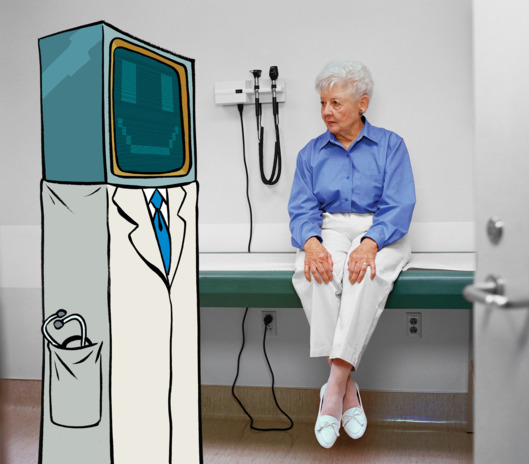
In 2020, the market size of the Internet of Medical Things (IoMT) approached RMB 200 billion.
The Internet of Medical Things (IoMT) has permeated multiple domains. Broadly speaking, it can be categorized intoIn-Hospital Internet of Things (IoT)andOut-of-Hospital IoT, both serve the patient'sDisease Treatment and Health Management. The hospital-based Internet of Things is further subdivided into those directly servingPatient Services, Healthcare Professional Support, and Medical Administration. Out-of-hospital medical IoT is divided intoPatient Health Management, Telemedicine, Chronic Disease Monitoringetc. The Medical Internet of Things (MIoT) revolves around the two major domains of health management and medical services.
Although a comprehensive network has not yet been established, rapid development is underway in the aforementioned sectors. In 2015, the overall market size of the Internet of Medical Things (IoMT) was RMB 41 billion. IDC projects that this figure will grow to nearly RMB 200 billion by 2020, representing a compound annual growth rate (CAGR) of 36.1% from 2015 to 2020.
In terms of providing direct services to patients within hospitals, the deployment of self-service kiosks is experiencing rapid growth, driven by healthcare reforms and the emergence of new technologies. These devices are forming a localized Internet of Things (IoT) network for medical services. IDC projects that by the end of 2015, approximately 16,000 self-service kiosks will be installed in hospitals across China. These kiosks will serve as a critical interface for patients accessing medical care. Functioning much like robots, they can perform multiple tasks, such as self-registration, printing laboratory test reports, making payments, and reviewing medical records. Although self-service kiosks began being deployed in select hospitals several years ago, their adoption is now accelerating. Large hospitals in first-tier cities have already implemented these devices, and as patient usage habits become established, self-service kiosks are expected to become widespread in second- and third-tier cities as well.
Self-Service KioskIt serves as a node connecting multiple networks and information systems. For all-in-one self-service kiosks, they interface with various systems, including Hospital Information Systems (HIS), Laboratory Information Systems (LIS), Picture Archiving and Communication Systems (PACS), Electronic Medical Records (EMR), regional health platforms, insurance payment systems, and banking networks. These networks are integrated into a large Internet of Things (IoT) network through the self-service kiosk nodes. The kiosks not only support bidirectional communication but also feature printing, card reading, data exchange, and medication dispensing capabilities, making them relatively intelligent terminal devices. Equipment from some vendors also supports connectivity with mobile applications, thereby enabling the kiosks to connect to broader networks. Vendors providing self-service kiosks include specialized manufacturers such as Great Wall Information, as well as traditional healthcare IT companies like Neusoft. Neusoft not only provides comprehensive healthcare IT systems but also supplies self-service kiosk hardware. Additionally, Neusoft Xikang offers out-of-hospital medical IoT solutions and daily health monitoring services.
Compared toRegistration and PaymentIn addition to possessing the characteristics of IoT terminals, self-service kiosks and automated medication dispensing systems also exhibit robotic features. Their robotic arms for drug sorting are more intelligent and integrated into the hospital’s information network, thereby creating a closed-loop system for medical care.
In addition to the aforementioned IoT networks for outpatients, in-hospital IoT services catering to inpatients are also developing rapidly, such asBedside Self-Service Kiosk for Patients, capable of simultaneously serving patients and healthcare professionals. Huawei has already launched bedside all-in-one devices for hospital clients.
In the development of out-of-hospital Internet of Things (IoT), for chronic disease monitoringWearable devices and mobile examination equipment, andIts mobile application systems, smart pillboxes for medication adherence management, and remote auscultation systems are currently in the trial phase. These initiatives require the integration of information systems such as personal health records, electronic medical records, and regional healthcare platforms. These localized Internet of Things (IoT) networks are rapidly evolving from conceptual stages to tangible products.
Xiao Hongliang, Senior Research Manager at IDC China’s Industry Research and Consulting Services Division, summarized: “It is anticipated that in future developments, surgical robots, 3D printing, and other technologies will collectively establish localized Internet of Things (IoT) networks. The endpoints of the Medical IoT will realize diversified functionalities, while the underlying systems will be equally varied, encompassing medical diagnosis, treatment, health management, payment, and insurance systems. These systems will provide not only services but also pharmaceutical products, thereby enriching the capabilities of Medical IoT endpoints. Their backend systems will require robust support from cloud services and big data. Furthermore, system security constitutes a critical aspect of the Medical IoT, covering security across devices, data, and communications. It is expected that the Medical IoT will become a typical application domain for the Third Platform and the six major technology innovation accelerators.”