

How Many Wearable Devices Are 'Watching' Your Health?
Today's Headlines:
Ping An Good Doctor Plans Series A Financing, with Valuation Near $4 Billion
European Online Doctor Appointment Platform Doctena Secures €4.5 Million in Funding
Jiuyi 160 Successfully Lists on the New Third Board, Giving Rise to the First Stock in Internet Healthcare
Wanda Information Acquires Jiada Technology for Nearly RMB 1 Billion, Doubling Down on “Internet + Healthcare”
Former DJI Vice President Mr. Pan Nongfei Joins Lifesense
Ping An Bank Partners with WeDoctor Group to Launch Three Core Features for Family Health Accounts
Merck, a Laggard in Pharmaceutical R&D, Invests €250 Million to Stage a Comeback
Johnson & Johnson Recalls Multiple Medical Devices, but There’s No Need to Panic
Smart Bandage That Emits Green Fluorescence Upon Detecting Infection
Powering Up with Urine: Slip on These Special Socks
Will Medical Robots Become the Major Trend? NIH Provides Funding to Support Research on Intelligent Robots
How Many Wearable Devices Are “Monitoring” Your Health
How the World Internet Conference Addresses Healthcare Challenges
Three Major Crackdowns Target Medical Insurance Pharmacies

Ping An Good Doctor Plans Series A Financing, Valued at Nearly $4 Billion
Ping An of ChinaAccelerating the Spin-off and IPO of Its Internet Business. Reporters learned from informed sources that Ping An Good Doctor, under China Ping An, is planning a Series A financing round. The company’s valuation is estimated at USD 3–4 billion, with approximately 10% equity offered for fundraising, aiming to raise USD 300–400 million. Multiple investment institutions have already participated in price inquiries.
According to insiders’ analysis, among the prospective investors, it is possible thatWall Street Investment BanksLed by a consortium of overseas investors and domestic internet venture capital funds, this combination helps improve corporate governance and facilitates future IPOs.
If the aforementioned financing round is completed, it will set a new record for fundraising in China’s internet healthcare sector. It is reported that in 2014, Chunyu Yisheng (Spring Rain Doctor) raised $50 million in its Series C funding, while DXY.net secured a $70 million investment from Tencent. Although the latter did not disclose Tencent’s shareholding ratio, the current financing round indicates that Haoyisheng’s overall valuation significantly surpasses those of Chunyu Yisheng and DXY.net.
It is understood that although Ping An Good Doctor is a subsidiary of Ping An Health Insurance, its senior management team primarily consists of “tech geeks” from Alibaba.
Before joining Ping An, Wang Tao, Chairman and CEO of Ping An Health Insurance, served as Senior Vice President of Alibaba Group and President of Ali Software. Ma Mingzhe, Chairman of Ping An Group, recruited Mr. Wang from this position and tasked him with “leading the internet-based transformation of the Ping An Health Insurance team and building Ping An Health into a leading health management service platform.”
Wu Zongxun, Chief Product Officer of Ping An Good Doctor, is one of the early founders of Alibaba and a co-founder of Ali Software. Wang Qi, Chief Technology Officer of Ping An Good Doctor, formerly served as Vice President of Technology at Alibaba Group, where he led the development of Alibaba’s internet platforms and the construction of Alibaba Loan’s credit data computing platform.
According to Ping An's plan,HealthcareandAsset Managementand are positioned as the two core strategies for the future.
At the Ping An Kunming Open Day, Li Yuanxiang, Deputy General Manager of Ping An Group and Chief Executive Officer of Insurance Business, stated that Ping An has designated healthcare as one of its core future strategies because the total scale of China’s health service industry is projected to exceed RMB 8 trillion by 2020.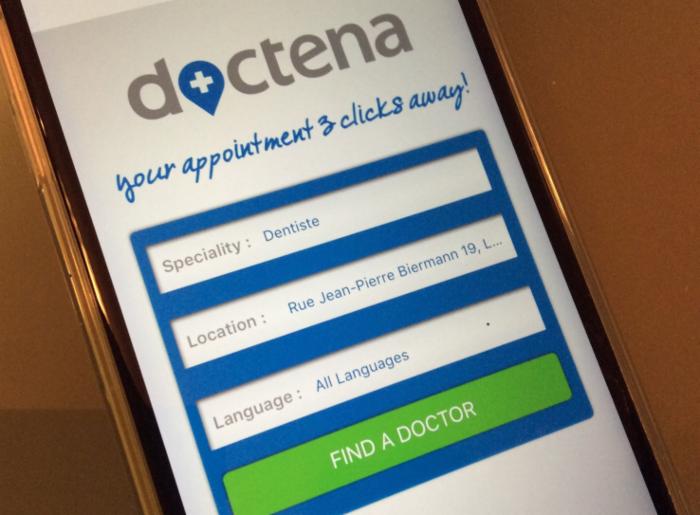
European Online Doctor Appointment Platform Doctena Secures €4.5 Million in Funding
Doctena, a European online doctor appointment platform akin to the U.S.’s ZocDoc and France’s Doctolib, announced it has secured €4.5 million (approximately $4.95 million) in financing from private investors, angel investment firms, and debt financing.
Doctena was founded in March 2013 by Patrick Kersten, who serves as its Founder and CEO. Currently, its services cover Luxembourg, the Netherlands, and Belgium, with its headquarters located in Brussels, Belgium. Following this round of financing, Doctena will accelerate its expansion into other European countries such as Switzerland, while also strengthening its ground sales team and consolidating its existing business operations.
Doctena provides doctor appointment services based on geographic location. Users can select doctors with available time slots via the official website or mobile app. The entire appointment process consists of three steps: 1) Select a medical specialty; 2) Enter geographic location; 3) Choose a language. Currently, Doctena supports German, French, English, and Dutch. For physicians, traditional peak consultation hours are concentrated in the morning, and they are willing to adopt new tools to transform their originally relatively inefficient service workflows.
It is reported that Doctena’s main competitor, ZocDoc, completed a $130 million Series D financing round in August this year, achieving a valuation of $1.8 billion and successfully joining the ranks of unicorns. Although headquartered in New York, ZocDoc has already entered the European market. Meanwhile, Doctolib also closed a $20 million Series B financing round in October this year, co-invested by Accel and Business Angels. The funds from this round will be primarily used for expansion into other European countries.
Similar to online physician appointment platforms such as ZocDoc and Doctolib, this solution enhances the success rate of patients’ appointments from the patient perspective; facilitates schedule management for physicians, smooths out peak and off-peak patient volumes, and increases revenue from the physician perspective; and elevates the overall service quality of the healthcare market from a macroeconomic standpoint.
In terms of its revenue model, Doctena is similar to ZocDoc: it offers completely free services to patients and charges physicians on the platform a monthly fee based on appointment volume. ZocDoc’s pricing structure requires physicians to pay $3,000 per year, whereas Doctolib charges physicians $99 per month.
Regarding the prospects of the online doctor appointment market, Patrick Kersten stated that currently only about 3% of medical service appointments are made online, whereas the online booking rate in the travel industry has reached as high as 55%. In Europe, the online doctor appointment market includes not only Doctena and ZocDoc but also Zesty, headquartered in London, UK; KelDoc, a leading online doctor appointment platform in France; and DocPlanner, headquartered in Poland and covering 25 countries. In China, major online doctor appointment platforms include WeDoctor, which has received substantial investment from Tencent; Haoyayi, focusing on specialized verticals; Mingyi Zhudao; and Youyiku, which adopts a crowdsourcing model.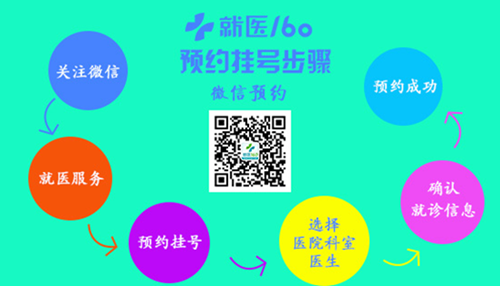
Jiuyi160 Successfully Lists on the New Third Board, Birth of the First Internet Healthcare Stock
Recently, the National Equities Exchange and Quotations (NEEQ) announced that Yijiao 160 had successfully listed on the NEEQ (the “New Third Board”), under the stock name Ningyuan Technology and stock code 834750. This marks the official emergence of China’s first true internet healthcare stock.
As the first internet healthcare company to list on the New Third Board, Luo Ningzheng, CEO of Jiuyi 160, stated that the company would not immediately opt for market-making trading. “We are currently launching our Series C financing round and may conduct a private placement after selecting Series C investors.”
Jiuyi160, which entered the market through registration services, has achieved a user base of 40,000 individuals booking appointments via its platform out of Shenzhen’s 200,000 outpatient visits. Thanks to Jiuyi160, Shenzhen has become the city with the highest volume of online appointment registrations in China. Currently, Jiuyi160 offers three products tailored for patients, doctors, and hospitals. Patients can access comprehensive, end-to-end services on the Jiuyi160 platform throughout the entire healthcare journey—pre-consultation, during consultation, and post-consultation—starting from appointment scheduling. A wide range of processes, including visit guidance, appointment booking, mobile ticket collection, in-consultation payments, mobile access to test reports, post-visit reviews, and chronic disease management, can all be completed on the Jiuyi160 platform.
According to the prospectus, JiuYi 160 reported operating revenues of RMB 7.9769 million for January–June 2015, RMB 13.8012 million for the full year 2014, and RMB 12.6820 million for the full year 2013. The company incurred net losses of RMB 17.81 million, RMB 17.4434 million, and RMB 6.0123 million, respectively, resulting in negative net profits.
To date, Juyi 160 has expanded from cities such as Shenzhen, Dongguan, Changsha, and Guangzhou to over 200 cities nationwide, including Beijing, Shanghai, Hong Kong, Zhengzhou, Hefei, Chengdu, Wuhan, Nanjing, and Haikou. Its appointment scheduling services now cover 31 provinces; it partners with 1,788 hospitals, among which 581 are Grade A tertiary hospitals; it provides access to more than 350,000 physicians; it has over 50 million real-name registered users; the cumulative number of patients who have made appointments exceeds 40 million; and the total number of appointment transactions has surpassed 51 million. Meanwhile, the company is rapidly replicating its mature Shenzhen model across China.
In the future, JiuYi160 will leverage its advantages as a high-traffic entry point to extensively onboard various partners across the healthcare industry chain—including private hospitals, physical examination centers, pharmaceutical distributors, medical device manufacturers, financial and insurance institutions, wearable medical device providers, and health management organizations—to co-build an internet healthcare ecosystem. By collaborating with specialists in fields such as diabetes, cardiovascular diseases, oncology, maternal and child health, hepatology, nephrology, and rehabilitation, the platform will deepen service offerings and enhance user stickiness. This strategy aims to deeply integrate service resources throughout the healthcare industry chain, strengthen the risk resilience of all partners, and jointly create an open, mutually beneficial internet healthcare ecosystem.
Wanda Information Acquires Jiada Technology for Nearly RMB 1 Billion to Bolster “Internet + Healthcare” Strategy
December 14,Wonders InformationAnnounced that it plans to issue 43.24 million shares to the counterparties at a price of RMB 22.99 per share to acquireShanghai Jiada Information Technology Co., Ltd.99.4% equity interest, with a preliminary valuation of RMB 994 million; Wonders Information originally held a 0.6% equity stake in Jiada Technology. Meanwhile, the Company plans to issue shares at RMB 22.99 per share to raise matching funds not exceeding RMB 994 million.
Jiada TechnologyEstablished on November 25, 2015, with an initial registered capital of RMB 600 million at the time of incorporation. Jia Da Technology’s primary assets currently consist of long-term equity investments in companies operating within the “Internet + Healthcare Services” sector. Since its inception, Jia Da Technology has successively acquired equity stakes in Siwei Medicine and Quancheng Health, publicly acquired a significant equity position in Yaogu Pharmaceutical as the sole bidder exceeding the disclosure threshold, and plans to further invest in establishing a cloud business subsidiary based on its consecutive wins in government tender cooperation projects across various regions. Meanwhile, Jia Da Technology intends to leverage existing shareholder contributions and future raised matching funds to carry out the construction of the “Health Cloud” and “Medical Cloud” projects, thereby further consolidating and enhancing the company’s competitive advantages and market position in the “Internet +” healthcare sector.
Wanda Information stated that this acquisition will enable the company to build a one-stop medical, pharmaceutical, health insurance, and healthcare service platform with strong user stickiness through cloud services. By accumulating and analyzing health data, the company will further expand its business market space and business models, which is conducive to achieving sustained and rapid growth in performance. Previously, in articles such as “Wanda Information Wins Bid for ‘Shanghai Pharmaceutical Sunshine Procurement Information System’” and “Private Placement Raises RMB 3.5 Billion,” the company emphasized its efforts to create a “three-medical linkage” model integrating medical care, pharmaceuticals, and health insurance. This model leverages technologies such as the Internet of Things (IoT) and mobile internet to connect and streamline the entire process—from healthy lifestyle management, health prevention, diagnosis, and treatment, to pharmaceutical e-commerce and third-party payment—providing hospitals, doctors, insurers, pharmaceutical manufacturers, and individual users with comprehensive closed-loop healthcare services and full-process health management.
Mr. Pan Nongfei, Former Vice President of DJI, Joins Lifesense
December 15,LifesenseLifesense Announces Appointment of Former DJI Vice President Pan Nongfei as Vice PresidentLifesense has announced the appointment of Mr. Pan Nongfei, former Vice President of DJI, as its Vice President. In this role, he will primarily oversee existing business operations in medically advanced regions such as North America and Japan, while introducing mobile health technologies and health management expertise from developed countries. According to Pan Weichao, Founder and CEO of Lifesense, Mr. Pan had previously collaborated with Lifesense in the field of smart hardware before joining the company. His appointment marks a pivotal step in Lifesense’s transformation from a professional R&D enterprise for health and medical devices into the mobile health sector. Moving forward, Mr. Pan will leverage his extensive experience in software, hardware, and internet technologies to drive Lifesense’s growth. Established in 2002, Lifesense is a national high-tech enterprise focused on health technology and has already expanded into the smart health hardware industry.
Ping An Bank Partners with WeDoctor Group to Launch Three Core Features of the Family Health Account
2ndWorld Internet ConferenceOn the eve of the conference, China’s internet healthcare and financial sectors witnessed a significant collaboration. On December 14,Ping An Bankwith a leading enterprise in China's internet healthcare sectorWeDoctor Group(Guahao.com) signed a strategic cooperation agreement at the headquarters of WeDoctor Group.
Under the agreement, both parties will establish a strategic partnership to leverage their respective strengths and jointly commit to creating for hundreds of millions of familiesInternet Health Finance, delivering more valuable innovations to users. Meanwhile, both parties will also actively explore cooperation in cross-border finance.
At the signing ceremony, Shao Ping, President of Ping An Bank, stated that the Internet has made it possible for the general public to access medical resources in a fair and inclusive manner, and that the achievements of WeDoctor Group have been widely recognized by all sectors of society. Ping An Bank aims to leverage its comprehensive strengths in financial services and other areas to enhance its capacity to serve WeDoctor’s users. The collaboration between Ping An Bank and WeDoctor Group is not only a win-win for both parties’ businesses but also a significant contribution to society.
Liao Jieyuan, Chairman and CEO of WeDoctor Group, also expressed high expectations for the signing of this strategic cooperation agreement: “After five years of rapid and steady development, WeDoctor Group has established China’s largest internet healthcare platform and Guahaowang, the leading mobile internet entry point for medical services, along with a vast user base and abundant medical resources. This collaboration will enable both parties to develop more and better innovative businesses in the field of internet health finance.”
This collaboration also marks a significant move by Ping An Bank to actively expand into the broader healthcare sector, following the official establishment of its Healthcare and Cultural Tourism Finance Division (hereinafter referred to as the “Healthcare and Cultural Tourism Division”) in August this year. The Healthcare and Cultural Tourism Division is the first head-office-level, cross-sector specialized institution dedicated to the healthcare and cultural tourism industries within China’s banking sector. With this development, Ping An Bank has added two crucial components—“healthcare” and “entertainment”—to its five major strategic pillars of “medicine, food, housing, transportation, and recreation,” expanding its overall divisional structure to a “11+6+1” model (comprising 11 product divisions, 6 industry divisions, and 1 platform division). Targeting the “big health” industry, the Healthcare and Cultural Tourism Division has specifically launched Ping An’s healthcare finance product suite—“Ping An E-Medicine Bao + Ping An Rong Yi Tong + Ping An Health Hui”—to comprehensively address the financial needs of the industry.
The collaboration between Ping An Bank and WeDoctor Group has introduced new highlights to the tiered diagnosis and treatment system. According to the agreement, both parties will jointly explore the creation of family health accounts for WeDoctor’s extensive user base, integrating three core functions: medical consultation, payment settlement, and financial services.
Merck, a Laggard in Pharmaceutical R&D, Invests €250 Million to Stage a Comeback
As a well-established biopharmaceutical company,MerckIn recent years, its achievements in the pharmaceutical industry have clearly lagged behind those of its North American “counterpart,” Merck & Co. The company has not had a single blockbuster drug approved in over a decade. This predicament has also forced the company to undergo a multi-year restructuring of its R&D department. Now, Merck KGaA hopes to break free from this impasse as soon as possible.
The German pharmaceutical giant announced that it would allocate an additional €250 million to research and development in 2016, with the vast majority of these funds dedicated to clinical trials of avelumab, a novel PD-L1 inhibitor being developed in collaboration with Pfizer. Merck expects to invest between €150 million and €200 million.avelumaband in some other early-stage clinical studies. If all goes well, the company is expected to officially launch the drug on the market in 2017.
In addition, the company is also focusing its efforts on several related early-stage drug research projects. For example, it is currently conducting a project namedM7824antibody drugs that can simultaneously targetPD-L1andTGF-βTwo targets. This drug is also considered by Merck & Co. to have the potential to become a new blockbuster drug.
Merck’s nightmare began four years ago when its multiple sclerosis drug, cladribine, failed to gain regulatory approval, forcing the company to restructure its R&D operations. The situation was further exacerbated when its cancer vaccine, Stimuvax, suffered setbacks in two consecutive clinical trials. However, in September of this year, Merck announced that it had obtained new data on cladribine, raising hopes for its approval in Europe.
At present, Merck’s biggest bet remains on avelumab, developed in partnership with Pfizer. The latter paid an upfront fee of up to $850 million for this project, underscoring the determination of both parties. However, even if this product reaches the market as scheduled, whether Merck can turn the tide remains uncertain. This is because products from MSD and Bristol-Myers Squibb have already been launched, while similar candidates from AstraZeneca and Roche are already in late-stage clinical trials. At that time,
How much market share cladribine can capture remains a mystery.
Johnson & Johnson Recalls Multiple Medical Devices, But There’s No Need to Panic
Recently, the official website of the China Food and Drug Administration has continuously issued articles to recall, includingJohnson & Johnson, Roche, StrykerandPhilipsTen medical devices manufactured by companies such as [Company Name] were recalled. Among the ten recalled medical devices, four products were from Johnson & Johnson (Shanghai) Medical Devices Co., Ltd. (hereinafter referred to as “Johnson & Johnson”).
According to an announcement by the China Food and Drug Administration (CFDA), the femoral neck screw inserter included in the trauma surgical instrument kits distributed by Johnson & Johnson may have been incorrectly engraved with the external bevel orientation of the screws, which could potentially cause soft tissue injury to patients during surgery. Additionally, the package inserts for the craniomaxillofacial surgical tools and crimping tools for craniomaxillofacial bone plates distributed by the company were mislabeled as “MR Safe.” Since the safety and compatibility of these products in magnetic resonance (hereinafter referred to as “MR”) environments have not been evaluated, and no testing has been conducted regarding heating, displacement, or image artifacts in MR environments, their safety in such settings remains unknown. Consequently, patients with these implanted devices may be at risk of accidental injury when undergoing MR examinations.
Furthermore, the powered surgical systems distributed by Johnson & Johnson may cause serious patient injury due to unintended alterations in the geometric configuration of the aforementioned products. Meanwhile, the intramedullary nail systems distributed by the company may lead to surgical interruptions or even forced termination of procedures due to excessive outer and inner diameters of the threads on the aforementioned products. None of the four aforementioned Johnson & Johnson products are marketed in China, and the manufacturer, Synthes GmbH, has initiated voluntary recalls for these products.
This May, Johnson & Johnson recalled two medical devices in China. Unlike drug recalls triggered by quality issues, which are viewed as severe, industry experts believe that medical device recalls should not be met with undue alarm. Typically, a voluntary product recall is a preventive corrective action taken by manufacturers after investigation and assessment reveal potential risks, aiming to prevent harm. Therefore, a recall may simply indicate that a medical device requires inspection, adjustment, or repair, or even just updates and improvements to its instructions for use. It does not always necessitate immediate cessation of use or return of the device to the manufacturer.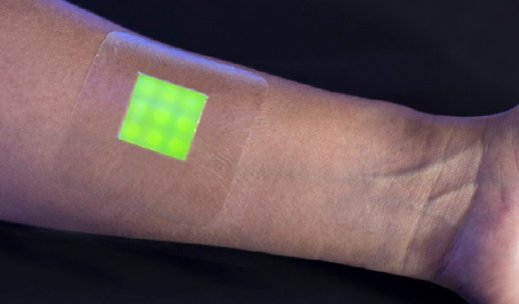
Smart Bandage That Emits Green Fluorescence Upon Detecting Infection
During the wound healing period,Bacterial InfectionIt is a very common yet highly dangerous occurrence. A new type of “smart” dressing has now emerged that emits green fluorescence upon the initial detection of bacterial infection, providing physicians with a valuable early detection system.
UK researchers have recently unveiled a prototype of a color-changing bandage that contains aGel-like Material, the material is embedded with microcapsules that release non-toxic fluorescent dyes upon detection of bacterial species commonly associated with wound infections.
Led by Toby Jenkins, Professor of Biophysical Chemistry at the University of Bath in the UK and inventor of the novel bandage, this study highlights a device that has not yet been tested in humans. However, he states that the bandage can alert healthcare professionals to early signs of wound infection in patients, thereby helping to avoid complications. In some cases, doctors may even be able to reduce their use of antibiotics thanks to this technology.
Jenkins’ team, in collaboration with clinical researchers at the Paediatric Burns Centre at the University of Bristol in the United Kingdom, predicted that this dressing would be suitable for use inBurn TreatmentOne of its applications. Clinicians often overuse antibiotics when treating burns, which can lead to the emergence of antibiotic-resistant bacteria. Bandages capable of detecting bacterial infections can prevent this scenario and provide clear reassurance to doctors and parents that the wound is not infected with bacteria. They can also be used to monitor surgical wounds and traumatic injuries. All wounds are exposed to bacteria and pathogens, but a small number of bacteria are harmless and can be handled by the immune system on its own. However, in some cases, the burden of harmful bacteria is too great for the immune system to manage, necessitating clinical intervention. “We believe that the transition from infection to symptom onset often occurs within hours,” says Jenkins. Early detection will buy time for physicians, potentially enabling the eradication of pathogens before symptoms even appear.
Although the clinical efficacy of color-changing bandages has not yet been confirmed, they undoubtedly represent a major leap forward in current medical microbiology technology.
Powering Up with Urine: Slip on These Special Socks
Recently, New Scientist claimed that by wearing a special pair of socks, the wearer’s bladder could produce approximately 684 milliliters of urine, “through bacteria that generate electrical energy by consuming nutrients, etc.”Microbial Fuel Cell“circulate through the integrated tubing in the (MFC).”
Microbial fuel cells are a type ofBioelectrochemical Devices, it harnesses microbial respiration to directly convert organic matter into electrical energy, with cells functioning as bio-batteries.
These socks are powered by the wearer’s walking, operating via a foot-controlled pump. This pump acts on flexible silicone tubes located in the sole of the sock, which extend to fuel lines near the ankle. Each step taken by the wearer drives the pump.
These socks were inspired by the plight of hikers stranded without any electrical power. In laboratory studies, collected urine was able to generate sufficient electricity to operate a wireless transmitter. The entire device is lightweight and flexible.
The study was conducted at the University of the West of England in Bristol, UK, and the findings were published in Bioinspiration & Biomimetics under the title “Self sufficient wireless transmitter powered by foot-pumped urine operating wearable MFC”.
Will Medical Robots Become the Next Big Trend? NIH Grants Funding for Intelligent Robotics Research
For a long time, robots have been regarded as a symbol of high technology. This technology has also been widely applied across various sectors of industrial production. However, the potential of robots in the medical field remains far from fully explored.
In view of this, recentlyU.S. National Health Center(The NIH) has also “jumped on the bandwagon” by earmarking special funds to support research on intelligent robots in the health sector. Under the plan, the NIH will allocate a total of $2.2 million over the next five years to support research on three intelligent robot projects.
These three projects include: a smart robot developed by Professor Xiangrong Shen of the University of Alabama to assist elderly individuals with walking, which aims to improve their mobility, enable some to break free from wheelchair dependence, and thereby enhance their quality of life; additionally, this intelligent device can stabilize heavy objects, helping older adults improve their weight-bearing capacity; a wearable device developed by Cang Ye of the University of Arkansas that assists visually impaired patients in grasping objects, identifies various dynamic obstacles, and enhances movement safety through a design integrating computer vision and natural feedback mechanisms; and finally, a social intelligent robot developed by Cynthia Breazeal of the Massachusetts Institute of Technology (MIT) to support learning in preschool children.
Grace Peng, an NIH staff member responsible for rehabilitation engineering, commented that while many people do not typically associate the NIH with robotics, the development of robotic technologies indeed plays a significant role in advancing healthcare. The three projects funded this time each possess unique innovations; whether by improving the physical health of older adults or stimulating the learning enthusiasm of minors, they will make substantial contributions to the health industry.
However, the NIH is merely one national agency conducting robotics research. In recent years, other U.S. government entities, including the Department of Agriculture, the Department of Defense, and NASA, have also invested heavily in robotics R&D. Intelligent robots, often featured in science fiction, may soon become part of our daily lives.
How Many Wearable Devices Are “Monitoring” Your Health?
Smart Watch
The launch of smartwatches has painted a brighter future for wearable timepieces. Many products now feature monitoring capabilities that cover heart rate, blood pressure, sleep patterns, and more. However, it is worth noting that due to concerns over the reliability of these monitoring features, Apple reportedly removed health-monitoring functions from its initial iWatch release. According to reports, consistency issues and potential technical flaws ultimately led Apple to abandon health monitoring in the iWatch. This move has drawn significant attention from the industry. In addition, price and water resistance remain key concerns for many consumers when considering wearable watches.
Ring
Rings, which have long been closely associated with fashion, now feature health monitoring capabilities, signaling a growing wellness trend in the jewelry industry. According to relevant introductions, the design of rings as wearable devices is carefully considered; manufacturers claim that because major arteries pass through the base of the fingers, these devices can avoid the instability issues common with traditional wearables during physical activity, thereby providing more accurate health monitoring than conventional devices.
Pacemaker
Implantable wearable devices have currently become a new focal point for many foreign manufacturers in the wearables sector. Some international experts point out that once the capability to control implantable devices is achieved, services such as real-time tracking of tumor growth and drug delivery will become feasible. Pacemakers are among the earliest implanted devices to be widely adopted. If the technology matures, the therapeutic efficacy of such devices should not be underestimated.
Socks
This year, a technology company launched a pair of smart socks designed for fitness enthusiasts. Each sock is equipped with sensors that collect relevant data while the user is running or race-walking. The sensors embedded in the sole of the sock can also measure pressure and foot strike points.
Wristband
Fitness bands serve as a nearly universal form factor for many wearable devices, with major manufacturers such as Xiaomi, Jawbone, and Huawei offering their own health-focused models. Their relatively affordable pricing has also enabled fitness bands to capture a broader market share. Step counting, heart rate monitoring, and sleep quality tracking are common features across most devices. Furthermore, unlike other wearables that often feature limited design options, the availability of fitness bands in a variety of colors has made them particularly popular among fashion-conscious consumers.
Bra
Items that appear unrelated to wearable devices have, in fact, achieved a certain degree of therapeutic effect. For instance, a medication used to treat breast cancer causes significant side effects when taken orally. A master’s student at Central Saint Martins, University of the Arts London, invented a bra made from specialized materials that can slowly release the drug to the wearer. This allows patients to absorb the medication through the skin, thereby eliminating oral side effects while achieving better therapeutic outcomes.
Mobile Phone
Many wearable devices are heavily dependent on smartphone apps, with certain monitoring functions requiring connectivity between the two to operate. Consequently, manufacturers such as Apple have integrated health-monitoring features directly into smartphones, effectively turning the phone itself into a wearable device and making it easier for users to share their step counts on social media.
How the World Internet Conference Addresses Healthcare Challenges
2nd EditionWorld Internet ConferenceRecently convened in Wuzhen, the event has brought together more than 2,000 attendees from over 120 countries and regions across five continents, half of whom are international participants. Medical support services for the conference are being intensively prepared. Notably, cloud healthcare has been implemented in Wuzhen, serving as a bridge to world-class medical service capabilities.
It is reported that Tongxiang Third People’s Hospital proactively upgraded its medical services by partnering with Hangzhou Lianzhong Medical Technology Co., Ltd. and Alibaba Cloud Computing Co., Ltd. to jointly build the “Global Imaging” medical cloud service platform. This initiative enables real-time uploading of all radiological imaging data, including CT and DR scans, to the cloud, thereby achieving cloud-based transmission, storage, sharing, and application of medical data, making telemedicine a reality.
Through this system, clinicians can access and professionally process dynamic imaging on mobile phones or tablets anytime, anywhere, enabling remote diagnosis and treatment. Patients can obtain consultation opinions from provincial, national, and even international experts locally, eliminating the need to expend significant time, effort, and money seeking medical care elsewhere.
Tongxiang Third People’s Hospital holds a unique position: during the World Internet Conference, it serves not only as the designated temporary hospital for patient treatment but also as the primary hub for emergency patient transfers, while continuing to provide daily medical care to local residents. The recently popular Wuzhen Internet Hospital is also affiliated with this institution.
So, how does it interface with thousands of international attendees? It turns out that foreign attendees typically have their own family physicians. Through the “Global Imaging” medical cloud service platform, they can upload patients’ diagnostic imaging data and share it with their doctors abroad, enabling online consultations between the two parties. Such a treatment approach was difficult to implement in the past. During last year’s World Internet Conference, a guest from Sri Lanka suffered a sudden illness and insisted on receiving treatment from his private physician, posing a challenge to the hospital. Now, through collaboration with Hangzhou Lianzhong and Alibaba Cloud, this issue can be resolved in real time.
Three Heavy Blows Striking at Medical Insurance Pharmacies
Cancellation of Qualification Review for Designated Retail Pharmacies under Basic Medical InsuranceThe final decisive move will be implemented by the end of the year. The Ministry of Human Resources and Social Security recently issued the “Guiding Opinions on Improving the Agreement-Based Management of Designated Medical Institutions and Pharmacies under Basic Medical Insurance” (hereinafter referred to as the “Opinions”), which stipulates that qualification reviews for pharmacies participating in medical insurance programs will be completely abolished within the year. Local authorities will manage pharmacies through the signing of service agreements, andConducting spot checks, introducing third-party evaluations, and appointing public supervisorsand other supervisory measures. Under these three powerful initiatives, retail pharmacies will return to a normal development track amid increasingly fierce competition.
Recently, the State Council announced the cancellation of 62 administrative approval items designated by the central government for local implementation. Among these, those pertaining to the pharmaceutical and healthcare industry include the qualification review of designated retail pharmacies for basic medical insurance, the qualification review of medical institutions for basic medical insurance, and the examination and approval of internet-based healthcare and medical information services. The "Opinions" have assigned these tasks to local authorities, requiring their complete abolition by the end of the year.
Canceling approval requirements will break the “iron rice bowl” of some small pharmacies, and streamlining administration and delegating power is conducive to full market competition. Nie Fangning, co-founder of Yaoquna, believes that intensified competition enables consumers to purchase affordable medications and enjoy better services. “I previously went to Hebei’sLaobaixing PharmacyAfter visiting, I found that even large pharmacies with low drug prices and good service still had sluggish business. The small pharmacy across the street, however, was almost always crowded with people queuing up daily due to its medical insurance accreditation, significantly boosting its store valuation.Cancel Approval“It will bring pharmacies back to the same starting line, and small pharmacies that once enjoyed ‘iron rice bowl’ job security will face immense pressure.”
Amid the wave of mergers and acquisitions, pharmacies with medical insurance reimbursement eligibility have become highly sought-after assets for chain enterprises, driving up acquisition prices. In July this year, Laobaixing Pharmacy acquired 55 stores from Kang Yixin Pharmacy, 50 of which held medical insurance reimbursement qualifications. The total acquisition price amounted to nearly RMB 106 million, with RMB 85 million allocated to store transfer fees. Following the abolition of the approval-based system, pharmacies characterized by high drug prices and poor service no longer hold competitiveness in the capital market.
The persistent controversies surrounding out-of-town designated pharmacies for medical insurance stem from the fraudulent use of insured individuals’ cards to purchase daily necessities and the cashing-out of medical insurance funds. Previous exposés have repeatedly revealed that some such pharmacies not only sell health supplements claimed to boost immunity, lower blood lipids, or supplement calcium, but also offer household items such as dishwashing liquid, shampoo, facial cleansers, sunscreens, and even water purifiers. More seriously, the illegal practice of converting medical insurance balances into cash has proven difficult to eradicate. A reporter from Beijing Business Today found hundreds of QQ groups named “Medical Insurance Card Cash-Out,” spanning dozens of provinces and municipalities. One individual claiming to facilitate such cash-outs stated that medications purchased using medical insurance cards could be converted into cash at 60–80% of their value, but refused to disclose the subsequent distribution channels for these drugs.
In addition to administrative departments, the Ministry of Human Resources and Social Security encourages participation from all sectors of society in the supervision of medical insurance. Supervision is strengthened through measures such as conducting satisfaction surveys among insured individuals, introducing third-party evaluations, and appointing public supervisors. Social security departments across all regions must ensure that channels for reporting complaints are unobstructed, enabling timely identification and resolution of issues.