

Ekso Bionics: Ivy League AI Talent Powers the Only Exoskeleton Partner of U.S. Special Forces
Today, we introduce Ekso Bionics, a leading U.S. exoskeleton company. Why is it considered an elite enterprise? Because its predecessor originated from the University of California, Berkeley’s Berkeley RoboticsandHuman Engineering Laboratoryresearch branch, with nearly more than half of its internal staff coming fromThe Ivy League in the United Statesschool, let alone its deep military background.
Ekso was initially focused on the research, design, and manufacturing of exoskeletons aimed at enhancing human physical capabilities, with its primary considerations beingMilitary Use, applications in medical and industrial construction came later. I had initially intended to gloss over this part of the history, but upon deeper investigation, I found that Ekso’s growth trajectory aligns well with the typical Silicon ValleyTechnology-Driven Entrepreneurshipstyle, so I will provide a detailed introduction.
As previously mentioned, the concept of using wearable robots to overcome human limitations actually emerged in the mid-1960s. At that time,Marvel ComicsPublished the first issue"Invincible Iron Man"The comic tells the story of an industrialist named Anthony Edward Stark, who becomes an invincible armored superhero after donning a mechanical suit of his own design. Coincidentally, the U.S. military is also considering similar devices. Six months later, Army engineer Sergei J. Zarudny published a paper titled"Bum Pusher: Exercise Power Assistance"。
At that time, the U.S. military was also grappling with the burden of soldiers’ equipment load.Loading and Transportationis one of the two leading causes of injury and illness in the U.S. military, the other beingInjuries Caused by Improvised Explosive Devices, with casualties caused by excessive load-bearing exceeding those from any other cause. So how can this problem be addressed? It is now widely recognized that we can utilizeExoskeleton Robotto address. Thus, Zarudny’s design inspired the U.S. military, prompting them to embark on four decades of scientific research into exoskeletons in this field. It is important to note that U.S. Department of Defense research demands tangible outcomes; simply submitting a paper would not suffice. However, at that time, it was still inLate Stage of the Second Industrial Revolution, computers were still quite valuable. Furthermore, from a physics perspective, the heat generated by the human body is commensurate with its work output; however, early exoskeletons consumed substantial amounts of energy even just to maintain a standing position. Therefore, given the technological capabilities at the time, people could only integrate exoskeletons withElectricityOrSteam EngineLinked to this mode of energy actuation, they believe that the only way to drive an exoskeleton is to integrate the machineConnected to a power source via cable, or equipped with a high-power gasoline engine on the back, but clearly, no one carries power strips or steam engines into battle. Thus, while the idea was idealistic, reality proved harsh; nevertheless, enthusiasm for this research remained high at the time.
A key technological breakthrough occurred in 2004, or more accurately, a shift in research direction. At that time,At the Robotics and Human Engineering Laboratory, University of California, BerkeleySome young people have been pondering: Why do our exoskeletons consume so much energy even when they are not performing any useful tasks? Common sense suggests that a robot standing still, without doing any actual work, still consumes a significant amount of energy. In contrast, when we stand still, we do not feel tired. Of course, standing all day can lead to fatigue, but simply standing does not leave us breathless.
Therefore, they believed at the time that there must be a way to support our body weight, similar to how our skeletal structure does, without using actuators or consuming significant amounts of energy. Later, three young researchers from the instituteHamein Kazerooni, Nathan Harding, and Lars AngoldThey found this method and called itExoHiker. This is essentially a simple mechanical component, with joints assembled in a specific sequence, that can transfer weight to the ground through its joints, requiring no energy consumption when standing still. Furthermore, it makes full use ofGravity and Energy Recovery Technology. These improvements have made it possible to replace cables with batteries.
Thus, the first pair without attachmentsExoskeletonThus, it was born.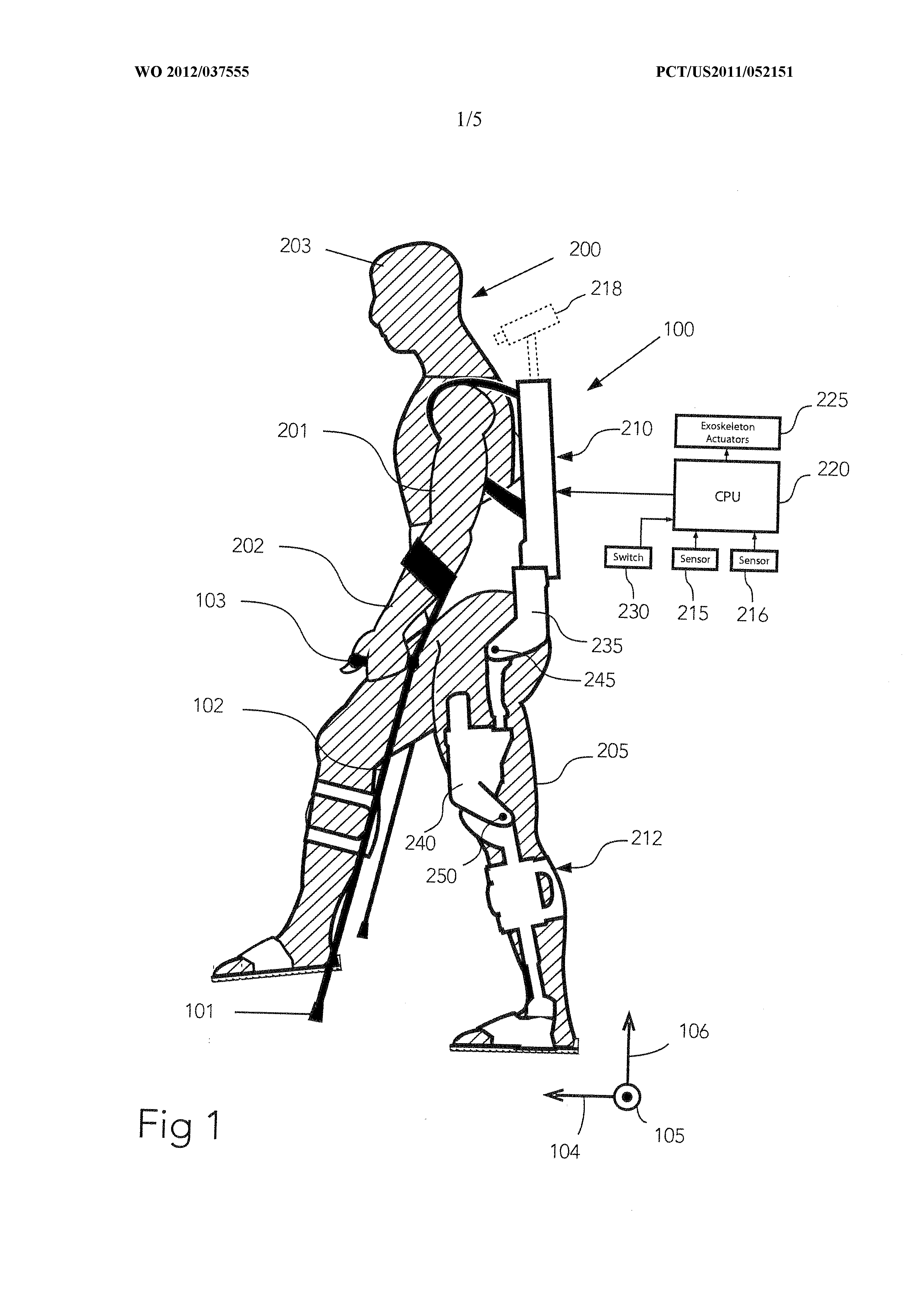
Before long, they recognized that this technology held broad commercial prospects. Thus, in 2005, Kazerooni, Hardin, and Angold establishedEkso Bionics. Three years later, Bruce Borup became the company's CEO. Prior to this, Borup worked at CFC—the fastest-growing in the United StatesDefense Contracting Companyone of them. Leveraging his previously established network, Bolap quickly reached a cooperation agreement with Lockheed Martin. Lockheed Martin improved and manufactured the military version of the exoskeleton, HULC (Human Universal Load Carrier), and a portion of the sales revenue would be distributed as patent royalties toBerkeley Bionics.
Ekso co-founder An Gold had originally only considered military and cargo transport applications for exoskeletons, until he received a harrowing phone call: his brother had suffered a severe neck injury. Later diagnosis revealed that his brother wasC6-C7spinal cord injury, he unfortunately lost strength in his upper limbs; despite having very muscular arms, he cannot even pick up a pencil. His younger brother is a member of the U.S. Navy SEALs, has been awarded the Bronze Star Medal for his service with the SEALs, and has fought in Afghanistan and Iraq. According to statistics, more than among U.S. soldiers in Iraq and Afghanistan35%The musculoskeletal injuries result from excessive weight-bearing loads, and thus can be considered a recurrence of old injuries.
This incident had a profound impact on him. At the time, he was grappling with a single question: how can one walk when only 5% of leg strength remains? It is basically impossible unless an exoskeleton provides the additional power needed to stand and resume walking, thereby creating an opportunity for rehabilitation training and genuine recovery of ambulatory function. This idea lingered in our minds, even as we continued to develop cargo-transport exoskeletons. Indeed, this concept directly led to the company’s subsequent shift in market direction.
So far, Ekso should not have any major technical issues. Next, let’s discuss the company’sFunding Status。
FromSource of FundsFrom this perspective, Ekso appears highly diversified:
DARPA Funding
Lockheed Martin Corporation’s payment for technology licensing;
Donations from Scott Banister (founder of IronPort, an internet information security products company) and others
U.S. National Science Foundation (NSF)
Funding Provided by the U.S. National Institute of Standards and Technology (NIST)
Sales Revenue of Ekso Exoskeleton Devices
As we all know, many startups encounter varying degrees of difficulty in securing financing, and most accept the helping hand offered by venture capitalists. However, it is easy to see from the funding sources mentioned above that Ekso Bionics did not follow this path.
There is only one reason, and that is “freedom.” FromCyberdyneThe Company'sDual-Class Share StructureIt is also evident that a nascent company, particularly one pioneering innovative technologies, requires substantial operational autonomy. High-tech fields such as exoskeletons, in particular, demand proper guidance. Many venture capital firms and other institutions tend to interfere with business decisions to safeguard their return on investment, often leading to disastrous outcomes—a phenomenon all too common in Silicon Valley.
Back in 2005, no one was willing to invest in hardware.Robotics Company, as it typically takes a long time for hardware investments to yield returns. Therefore, it is no small feat that many outstanding U.S. hardware technology companies have survived to this day; they should be deeply grateful for the donations from research institutions. If it were not forDARPA, NSF, and NISTMany companies may never secure the funding needed to achieve today’s results. Therefore, Ekso’s current achievements are inextricably linked to its founders’ scientific research backgrounds.
Funding is available, and the sources are very friendly, but what else does a company need if it wants to “pursue excellence”?Outstanding Product!Yes, so let’s take a detailed look at what sets Ekso’s products apart.
First, let’s take a look at some details of Ekso’s latest model.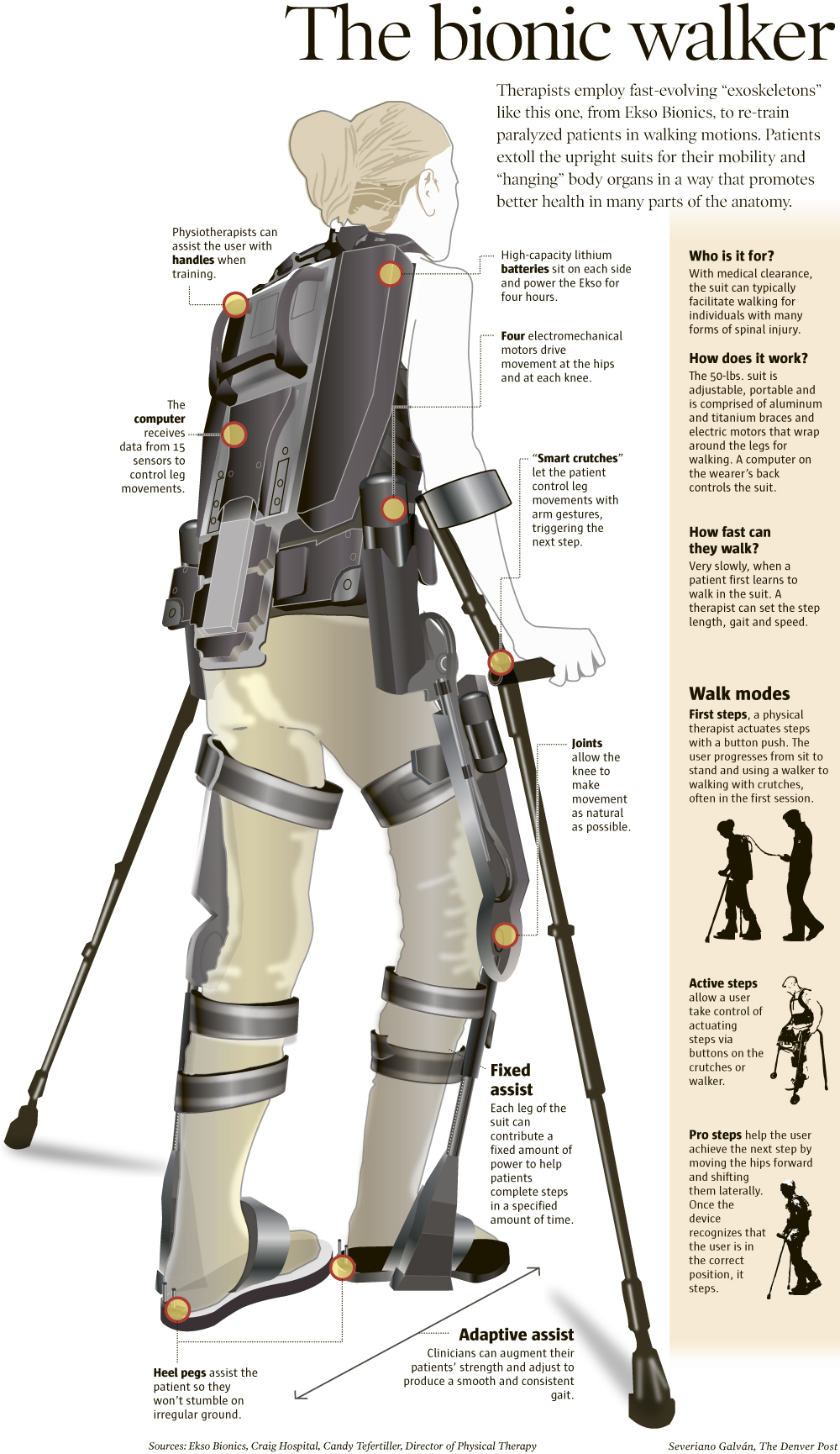
Shoulder Strap
The shoulder straps of the Ekso exoskeleton appear no different from those of a standard backpack, yet they differ fundamentally: they do not transfer weight to the wearer’s shoulders. Their sole function is to stabilize the upper body.
Trunk
A lithium-ion battery is mounted on the back, providing up to 3 hours of walking time on a full charge. Two microprocessors are also installed on the back: one controls 38 sensors, while the other processes control signals.
Hip and Knee Actuators
Servo-controlled electric motors located at the hip and knee simulate human muscle movement. Sensors provide feedback, enabling the motors to adjust joint flexion and extension accordingly.
Donning/Doffing
The hip joints of the exoskeleton can be rotated open to facilitate rapid donning and doffing by the user.
Foot
The exoskeleton transfers weight to the feet and ground through the thighs and lower legs. The entire device weighs 45 pounds, yet the wearer feels no weight at all.
Thigh/Calf
The aluminum thigh and calf sections can support patients weighing up to 220 pounds, and their length is adjustable to fit individuals ranging from 5 feet 2 inches to 6 feet 2 inches in height.
Ankle
Ekso’s ankle is a simple passive hinge joint, made of titanium to bear weight. To handle slopes, a more complex ankle joint design is required.
As can be seen, this exoskeleton is extremelyConcise, with a footrest at the bottomPlatform, with adjustable comfort features along the user's legsStrap, and supporting the user's kneesFlexible Metal Stent. The configured hinge allows users to bend and jump normally. When the exoskeleton component rises to the user's hip level, it has aMetal RingWraps around the user's entire waist. AndBackpack shoulder strapswhich is used to further secure the device to the user’s body, preventing it from slipping off. A columnar support rod in the upper back region can bear a portion of the load, thereby reducing the weight burden on the user. It is worth noting that this kit is entirelyMechanical StructureOh,No Batteries Required.
As for the product’s progress, as we mentioned earlier, Ekso Bionics initially launched itsExoHikerseries, increasing the long-distance load capacity to 150 lbs/70 kg, with a further upgrade to 200 lbs/90 kg in 2007. In 2009, the company launched hydraulic transmissionHuman Exoskeleton Load-Bearing System(HULC/Human Universal Load Carrier), with a load-bearing capacity of 200 pounds/90 kilograms (including weapons, ammunition, electronic equipment, body armor, etc.), significantly enhances individual combat capabilities. It was first introduced in 2010.HULC Civilian Product Prototype, an exoskeleton system primarily designed for lower-limb gait rehabilitation in patients with paraplegiaeLEGS(Exoskeleton Lower Extremity Gait System). The system utilizes specialized crutches for motion control and requires supervision by a physical therapist. In 2011, the company was renamed Ekso Bionics, and eLEGS was also renamedEkso. In early 2012, the first-generation Ekso received FDA approval and obtained CE marking, beginning its entry into major rehabilitation centers across the United States to provide gait rehabilitation training for patients with spinal cord injury (SCI).
In terms of practical application, in addition to the flagship product launched by ESKO in the first quarter of 2012“Ekso”Apart from these, other product categories are under development, Medical Personal EditionSCI-HOME MODELThere is still some distance to go before the IPO, which gives ReWalk a certain time advantage in its market promotion. The military-grade product has already delivered prototypes, and development of the industrial model has entered the pre-delivery phase. If Ekso can secure orders from the U.S. Department of Defense, its revenue will increase substantially. The partner for the military-grade model is Lockheed Martin, and Ekso’s products can provide a loaded operating range of 20 kilometers.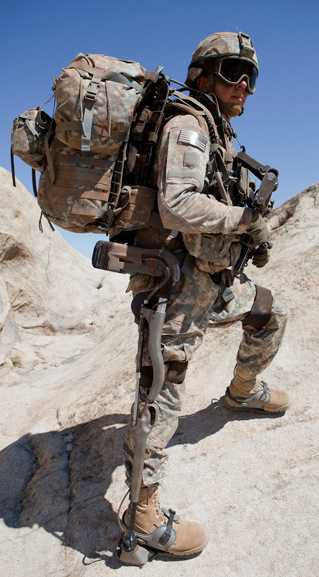
"Iron Man"Tony Stark’s golden armor is bulletproof. Although the Ekso exoskeleton is not bulletproof, this complex mechanical device, priced at over $100,000, remains astonishing. It can be donned and doffed with ease, taking only a few minutes. In addition to mimicking human anatomy, the Ekso exoskeleton incorporates extensive fail-safe designs.
In terms of military applications, before the U.S. military’s TALOS project (Tactical Assault Light Operator Suit) was fully realized, Ekso’sHULCIt can be described as the most powerful individual-powered exoskeleton device currently available, and comprehensive trials are now underway within the U.S. military.
By now, the product introduction has likely gotten everyone excited. But hold on—having money and products alone is not enough. Without consumption, there can be no reinvestment in production, and companies cannot survive. If a company ceases to exist, how can it pursue lofty ideals? Therefore, there must be reasons why Ekso has not only survived to this day but also thrived. So, what are these reasons? In two words: “Requirements", four characters,"User Experience"。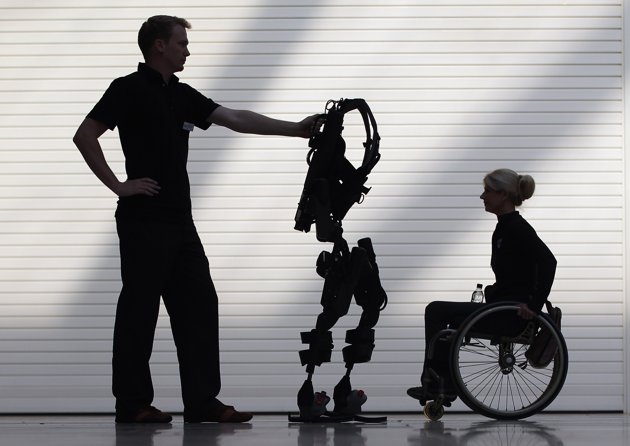
Tamara Mena, a young girl living in San Diego, completely gave up hope of walking again after a car accident at the age of 19, when she was still a student majoring in hotel management.
One day, she and her boyfriend Patrick decided to visit Rosarito Beach in Mexico, just across the border. They had been drinking and did not want to risk driving, so they took a taxi. But they never made it to Mexico.
About two miles from their destination, their car struck a horse. The immense impact sent the horse flying onto the roof of the taxi, crushing it. Patrick and the driver were killed instantly. Meena was paralyzed from the chest down. She spoke with doctors.Stem Cell Therapy, but the cost is prohibitively high, and therapeutic efficacy cannot be guaranteed. Therefore, it had to be abandoned.
Six years after the accident, in an unremarkable warehouse in Berkeley, California, Mina once again stood up on her own two legs and began to walk slowly. Standing on the linoleum-covered floor, she held a cane with a determined expression. The lower two-thirds of her body was encased in an aluminum exoskeleton, secured with Velcro straps at the ankles, calves, thighs, hips, and chest. A physical therapist stood behind her, one hand gripping a panel on Mina’s back, and the other holdingControl Board. The physical therapist presses aButton, located at the joint siteElectric Mini MotorIt moved in a single direction. Just as a healthy individual uses muscle contractions to drive joint movement, the motor propelled one of Meina’s hip joints forward, causing the corresponding knee and foot to lift and then land on the floor. In this manner, she took her first cautious step. Meina isEkso BionicsAs a product test subject, the Ekso exoskeleton has helped Meina realize her wish to walk again.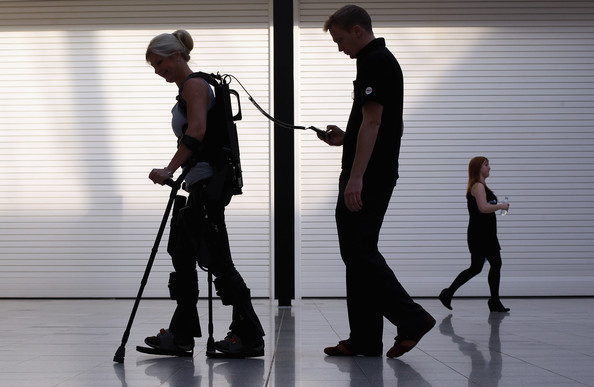
So, why didn’t she choose the same product?Rewalk-IorREX?
The reason is simple, becauseEKSOIt is easier to don across different body types and among various patients. Currently, several American rehabilitation centers have purchased the Israeli device. Frankly speaking, ReWalk does possess certain features that the Ekso exoskeleton lacks, such as climbing stairs and walking on slopes. It is activated by the user’s posture, eliminating the need for a physical therapist to press buttons nearby. However, according to physical therapists who have used ReWalk-I, it is too cumbersome to don and doff, requiring a significant amount of time. This is clearly a critical factor that rehabilitation centers must consider when procuring equipment.
As for Rex, New Zealand-based Rex Bionics has sold several exoskeleton units in the United States and is currently applying to the U.S. Food and Drug Administration (FDA) for marketing authorization of its personal-use version. The Rex exoskeleton features joysticks embedded within the armrests, enabling operation without requiring arm strength, thereby catering to a broader customer base. However, some physical therapists have observed that its gait pattern resembles gliding rather than true walking, which may potentially limit its therapeutic efficacy.
So, just like the competition between JD.com and Taobao, sometimes it is not technology that defeats you, butGood User Experience~
Market DemandIn terms of mobility, data from the U.S. National Center on Health Statistics indicates that over 6.8 million American residents use assistive devices for movement. This includes 1.7 million patients who use wheelchairs or scooters, and 6.1 million users of other mobility aids such as crutches, canes, and walkers. There are 12,000 new cases of spinal cord injury each year, half of whom may be candidates for Ekso. Additionally, there are 800,000 new stroke patients annually.
LikeCraig、Mount Sinai 、KesslerOther rehabilitation hospitals have also begun purchasing their equipment. Each set of the purchased equipment can typically serve 6–8 patients and is primarily used for rehabilitation training to help patients walk and regain their walking ability. This is particularly beneficial for stroke patients, as the best treatment for them is to stand up and walk as much as possible. By wearing this device, these patients can engage in extensive walking exercises, which helps rewire neural pathways and significantly enhances the effectiveness of rehabilitation training.
Among the military population, many veterans suffer from spinal cord injuries, which are among the most costly conditions treated within the Veterans Affairs (VA) system due to the substantial expenses associated with secondary complications. Ekso can help reduce some of these costs, or at least alleviate the burden on the healthcare system. This benefits all parties involved, and regaining the ability to walk significantly improves quality of life.
Industrial Sector, it collaborated with the renowned Lockheed Martin to develop robotic exoskeletons for military-industrial applications.MantisPrototype Shipment: Assisting Shipbuilders in Handling Heavy Loads and Performing High-Difficulty Tasks to Reduce Workplace Injuries.
Civilian MarketIn this regard, EKSO has also made strategic moves, particularly in heavy machinery operation, where it can effectively protect operators. This market lies between manual labor and robotics.Half-Human, Half-Cyborg” model, if this market opens up, it will represent another huge potential incremental growth.
Additionally, EKSO is actively collaborating with U.S. Special Forces to develop next-generation exoskeletons (“Iron Man”). EKSO is currently among theU.S. Special ForcesThe only company we are collaborating with; the red-highlighted portion will be developed by EKSO.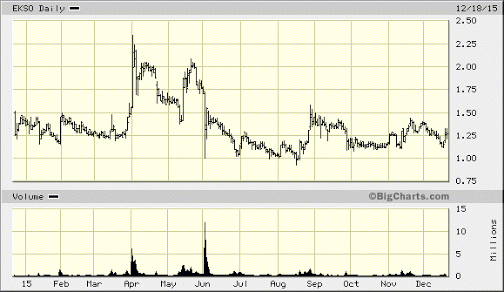
Despite extensive collaborations and excellent products, Ekso BionicsFinancial StatusThe outlook remains grim. According to the company’s disclosed financial reports, its current market capitalization stands at $179 million. In 2014, its operating revenue reached $5.32 million, representing a year-on-year increase of 161% from $3.3 million in 2013. In the first half of 2015, operating revenue amounted to $3.8 million, a year-on-year increase of 68.3%. Although the company has achieved rapid revenue growth in recent years, it mirrors ReWalk in experiencing revenue growth without corresponding profit improvement, remaining in a loss-making position. The net loss for the first half of 2015 was $9.76 million. The reasons are straightforward: FDA approval processes and high R&D expenditures. The company’s R&D expenses alone reached $2.73 million in the first half of 2015, with an annual growth rate of approximately 70% in recent years.
At this point in the analysis, Allen realized that it is not enough for a company to be merely ambitious; it must also be profitable to ensure its continued survival. In the untapped market of exoskeletons, there are no outright victors—those who falter first are the ones who fail.
Beyond financial issues, Ekso has much work to do: it must convinceRehabilitation Therapists and Wheelchair Users, the Ekso exoskeleton is not merely an expensive toy; it must widen its lead over competitors; it must persuade the U.S. Food and Drug Administration (FDA) and insurance companies that individuals with paralysis need to walk. Only after resolving these challenging issues can it truly establish itself in this market.
At the Rehabilitation Institute of Michigan (RIM), physical therapists generally emphasize self-directed rehabilitation. Studies have found that for patients who have regained a small amount of motor function, forcing them to actively use their paralyzed limbs can help form new neuromuscular connections. In contrast, exoskeletons that perform all tasks on behalf of the patient are detrimental to compelling the use of the injured limb.
However, the Ekso exoskeleton is suitable for patients who have completely lost control of their lower limbs. In such cases, conventional rehabilitation therapies are ineffective, and these patients are largely unable to perform lower-limb exercises on their own. This is critically important for their long-term health, as lower-limb exercise helps prevent life-threatening urinary tract infections, skin ulcers, and cardiovascular diseases, while also promoting bone density, muscle strength, and physical flexibility. For patients with complete loss of lower-limb motor function, exoskeletons are indeed beneficial; from this perspective, I believe this constitutes a compelling argument to persuade them.
Another issue is that each exoskeleton currently sells for $130,000, making it affordable only to the wealthy. Moreover, even affluent customers expect insurance companies to cover part of the cost. Therefore, securing health insurance reimbursement is a prerequisite for strong product sales. The iBot wheelchair, launched in 2003, serves as a cautionary tale. Designed by renowned inventor Dean Kamen and manufactured by Johnson & Johnson, this wheelchair features four-wheel drive, two-wheel self-balancing capability, stand-assist functionality, and stair-climbing ability. However, its price tag reached $29,000. While Medicare recognized this new invention, it did not classify it as medically necessary durable medical equipment. As a result, buyers were reimbursed only $6,000—the amount covered for a conventional wheelchair. In 2009, production of the iBot was discontinued.
If it cannot demonstrate advantages that are unmatched by other relatively inexpensive products—such as standing wheelchairs—the Ekso exoskeleton may face a similar fate. Therefore,Rehabilitation CenterThe collected test data will be critical.
Of course, the most critical question is whether wheelchair users actually want personal exoskeletons. Many individuals with spinal cord injuries often refuse to acknowledge that they are patients in need of repair. There are millions of people who live comfortably in wheelchairs and believe thatExoskeletons are too slow and exorbitantly expensive compared to wheelchairs.。
As a high-tech enterprise, whether it isEkso, ReWalk, or Rex, they are constantly facing the threat of being replaced by newTechnological Obsolescencethreat. At Vanderbilt University, automation expert Michael Goldfarb has developed a lightweight and potentially more affordable exoskeleton using new types of batteries, motors, sensors, and novel manufacturing methods. When disassembled, it can fit into a small backpack. The device combines electrical stimulation therapy, delivering low-level voltage through the wearer’s skin to induce leg muscle contractions. Goldfarb plans to sign technology licensing agreements with manufacturers as early as this summer. His device has received rave reviews from physical therapists and patients alike, but its brand recognition remains far lower than that of other competing products.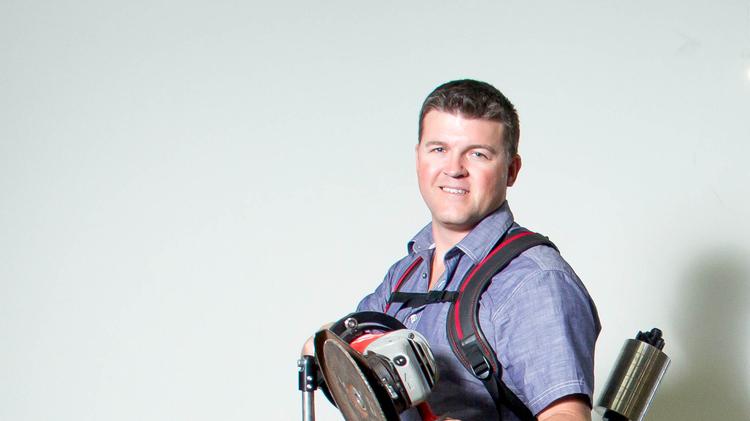
In any case, Ekso’s founders remain highly optimistic about the company’s prospects, or rather, they take a very long-term view. They believe that exoskeletons are aPlatform, equipped with differentSoftwareSubsequently, it can help stroke patients relearn how to walk; enable fully equipped soldiers to move with remarkable agility; and assist outdoor enthusiasts in summiting Mount Everest. They aim to develop the Ekso exoskeleton into"Jeans of the Future", rather than just a single rehabilitation medical device. In fact, this is not far-fetched; what he is referring to is the recently popular soft exoskeleton.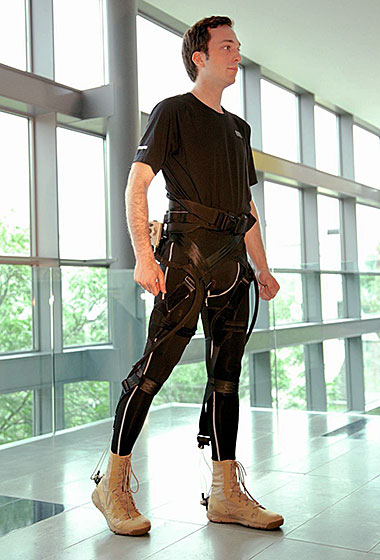
Next, they need to persuade people—including healthy individuals—that they need this product capable of turning them into “superhumans.” The medical market is merely the beginning; as envisioned, miners, dockworkers, and construction workers will all wear specialized exoskeletons in the future. By then, each of us will want to own an exoskeleton for entertainment and sports purposes, granting the wearer superhuman strength and endurance.
Looking to the future, Ekso Bionics’ founders like to compare their invention to the Ford Model A, which was launched in 1903. “There are many expensive, low-quality devices that look impressive during demonstrations, much like the Model A,” said Nathan Harding. “But what people truly want is an affordable and practical ‘Model T.’ Once successful, it will open up a new market.”
From the current perspective, if Ekso medical devices can truly reduce secondary complications, I believe this would benefit everyone—patients, hospitals, and health insurance companies. It would save costs, while patients would enjoy better health and an improved quality of life, creating a win-win situation for all parties involved.
Meanwhile, Ekso’s development for the industrial sectorEkso WorksThe kit will also officially enter the market in 2016 at a price of tens of thousands of U.S. dollars, with some financial analysts estimating that the device will be priced at $12,000.
Ekso Bionics hopes that within a few years, this exoskeleton suit will become as ubiquitous on construction sites as the large tools brought to job sites by major construction companies. If Ekso Bionics’ projections are correct, Ekso Works will generate substantial profits for the company—a goal that has remained elusive over the past decade.
Therefore, from a positive perspective, Ekso’s founders have good reason to be confident; perhaps in the future, we will indeed need such a system.Professional "Jeans"—Practical, stylish, and streamlined; you could even wear it to run a marathon or climb Mount Kilimanjaro, as technological advancements are always unpredictable.