

Which Internet Sector Paid the Highest Salaries in 2015?
Today's Highlights:
In 2015, which internet industry sector offered the highest salaries?
BGI Genomics Is Finally Going Public! CSRC Releases Pre-disclosure Prospectus
$4 Billion! AstraZeneca Announces Acquisition of 55% Stake in Acerta Pharma
Top 10 Substantive Changes in the Pharmaceutical Industry
Former Google Scientist Explains Verb Surgical’s Innovative Robotic Surgery Technology
Shanghai Kehua Bio-engineering Completes Acquisition of Italian Company Technogenetics
Pudong Hospital Uses Telemedicine Robots to Bring Medical Care to Your Doorstep
Which Industry Had the Highest Salaries in 2015?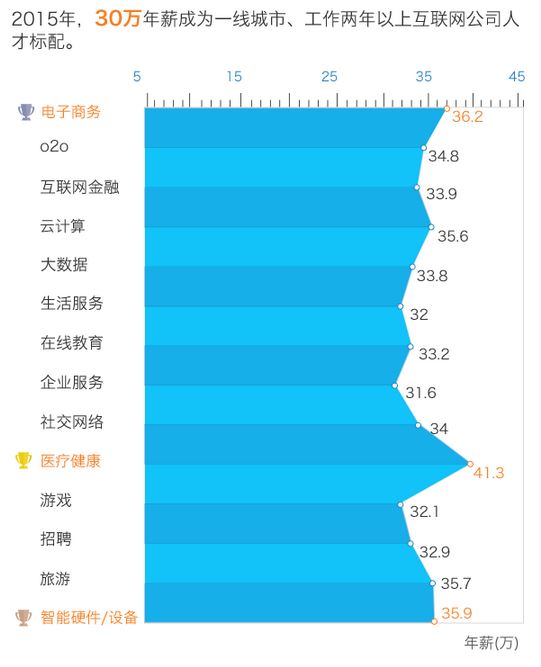
Data curated from 11,000+ top-tier internet companies & 210,000+ premium positions
Since 2014,Internet HealthcareA surge in sector financing has driven up salaries in this industry this year.HealthcareIt has become a new hub for internet wealth, with an average annual salary of RMB 413,000. Not to mention the field of medical AI hardware, which has clearly emerged as a new area fervently embraced by investors and capital.These sectors, fierce in their talent acquisition, have not only driven up industry salaries but also raised the bar for talent quality.So,The more a company crosses the moat, the more popular it becomes.?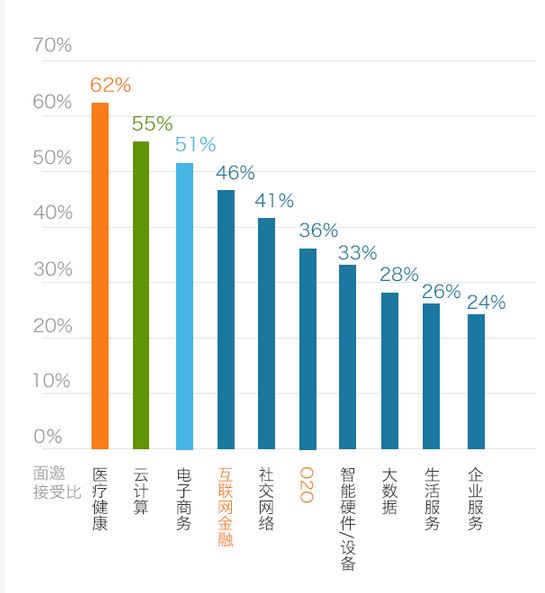 High-end talent prioritize different factors when selecting industries; from a salary perspective, healthcare and e-commerce, among others,Higher Salary, naturally favored~ Additionally, fromDevelopment Prospects and Capital FlowsFrom this perspective, high-growth sectors heavily favored by investors—such as healthcare and internet finance—hold considerable appeal for top-tier talent.
 BGI Genomics Is Finally Going Public! CSRC Releases Pre-disclosure ProspectusToday, the CSRC website disclosedShenzhen BGI Genomics Co., Ltd.Prospectus for the Initial Public Offering of Shares on the ChiNext Board (Submission Draft, submitted on December 11, 2015).In accordance with Article 21 of the Securities Law, Article 58 of the Administrative Measures for Initial Public Offerings and Listing of Stocks, and Article 40 of the Administrative Measures for Initial Public Offerings and Listings on the ChiNext Board, the issuer shall pre-disclose the prospectus (submission draft) on the website of the China Securities Regulatory Commission (CSRC) after the application documents are accepted and before review by the Issuance Review Committee. This indicates that BGI Genomics, long rumored to be preparing for an IPO, has finally taken concrete steps. Contrary to earlier rumors of a listing in Hong Kong, the company now intends to list on the mainland’s ChiNext Board. The following are brief excerpts: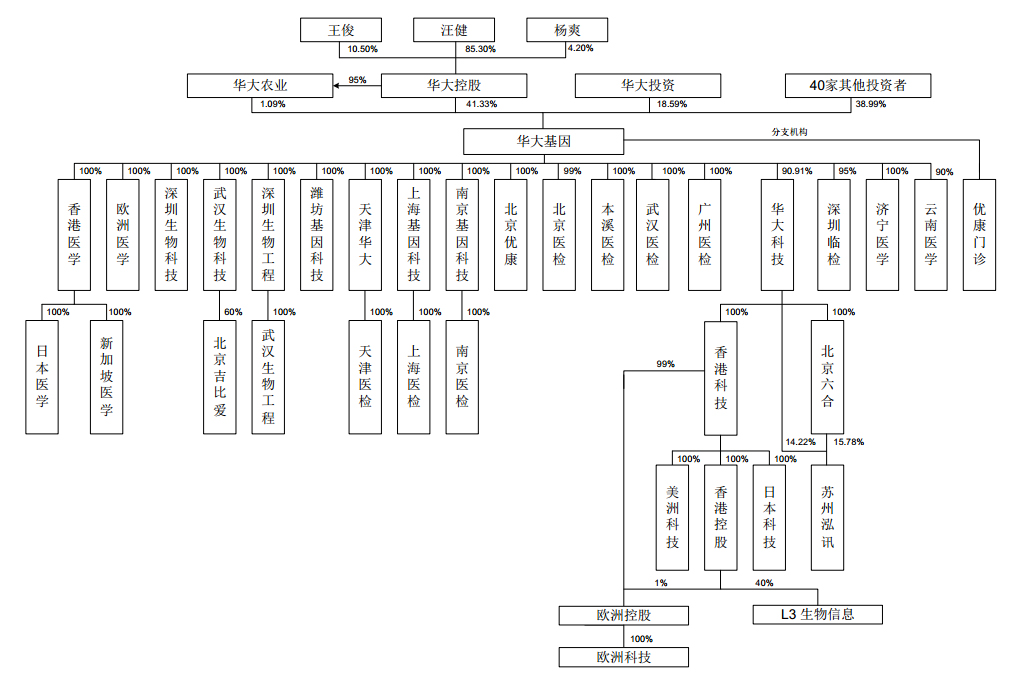
BGI Group’s Overall Architecture
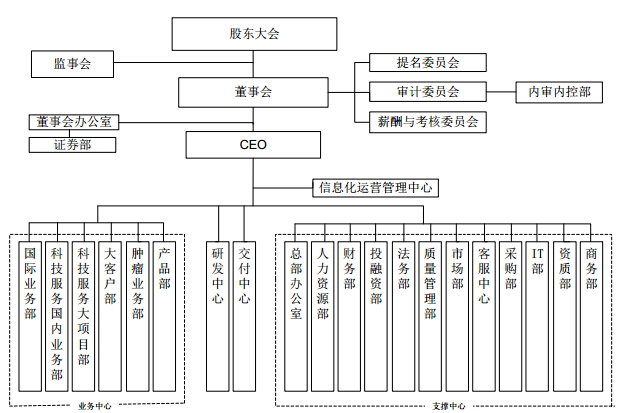
BGI Internal Management Structure
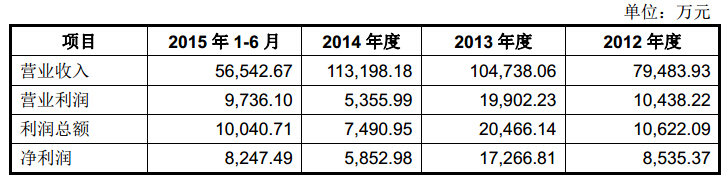
BGI Genomics' Financial Data for the Past Three Years
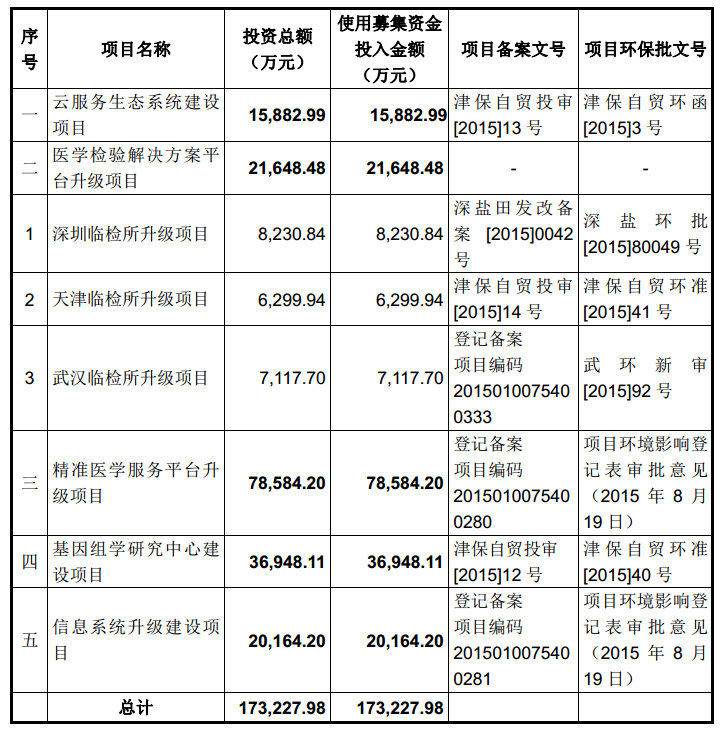
Use of Proceeds
 $4 Billion! AstraZeneca Announces Acquisition of 55% Stake in Acerta PharmaPreviously, industry rumors circulated that AstraZeneca would acquire for $5 billionAcertaRumors have finally been confirmed, with the difference being that AstraZeneca’s actual offer is $4 billion to acquire a 55% stake in Acerta. Acerta is a little-known biotechnology company with no marketed drugs to date, focusing primarily on the development of therapies for cancer and autoimmune diseases. Acerta’s investigational BTK inhibitor, acalabrutinib, has been granted orphan drug designation by the FDA for the treatment of mantle cell lymphoma, drawing optimistic projections from many analysts.Under the agreement, AstraZeneca will pay Acerta an upfront fee of $2.5 billion, and thenacalabrutinibUpon FDA approval or by the end of 2018, an additional unconditional payment of $1.5 billion will be made.Under the agreement, AstraZeneca acquired only a 55% equity stake in Acerta, but retains the option to purchase the remaining 45% from Acerta’s shareholders. The exact timing of AstraZeneca’s full acquisition of Acerta remains uncertain and depends primarily on the simultaneous approval of acalabrutinib in both the United States and Europe. Once the conditions are met, AstraZeneca intends to pay a net amount of $3 billion to acquire the remaining 45% equity stake.A review of the agreement makes it evident that acalabrutinib is the core drug driving this merger and acquisition. Currently, acalabrutinib is undergoing clinical trials for various types of leukemia and lymphoma and has also been tested in combination with Merck’s oncology immunotherapy drug Keytruda (pembrolizumab). Acalabrutinib is a BTK inhibitor with a mechanism of action similar to that of AbbVie/Janssen’s hematologic cancer drug Imbruvica (ibrutinib) and is widely expected to achieve peak sales exceeding $5 billion.Early clinical data for acalabrutinib have also been encouraging. Results from Phase I/II clinical trials recently published in The New England Journal of Medicine showed a response rate of 95% in patients with chronic lymphocytic leukemia (CLL), the most common form of leukemia in adults.Pascal Soriot, CEO of AstraZeneca, stated that acalabrutinib, as a small-molecule drug for the treatment of hematologic cancers, effectively complements existing immunotherapies. In the future, AstraZeneca will work closely with the Acerta team to leverage its specialized clinical development expertise and bring acalabrutinib to market as soon as possible.This acquisition clearly reflects AstraZeneca’s recent strategic intent to focus on acquiring small and medium-sized enterprises to enhance its long-term growth prospects. Just last month, AstraZeneca announced plans to acquire the U.S. biopharmaceutical company ZS Pharma for $2.7 billion. ZS Pharma holds a blockbuster cardiovascular drug with the potential to effectively treat hyperkalemia, a condition characterized by high potassium levels in the blood that increases mortality risk in patients with chronic kidney disease and heart failure due to coronary artery disease.The transaction between AstraZeneca and Acerta is expected to be completed by the end of the first quarter of 2016.
 Top 10 Substantive Changes in the Pharmaceutical Industry1. The quality standard policies and matters for pharmaceuticals are numerous; in the future, Chinese pharmaceuticalsQuality Standardswill reach a significantly higher level;2. In the pharmaceutical industryConcentrationRapid improvement; the new GMP and GSP standards eliminated a large number of enterprises;3.Strengthened Implementation of the Bidding SystemThis would reduce the profit margins of pharmaceutical companies, potentially leading to the risk of diminished drug quality;4.New Advertising LawThe implementation has severely impacted many enterprises reliant on traditional media, causing them to temporarily lose their fundamental business models;5. The market share of pharmaceuticals in medical institutions is gradually declining,Prescription DrugsOut-of-hospital sales will be gradually strengthened;6.Commercial Briberybehavior has not been fundamentally curbed, but has become more covert, with many activities now cloaked in the guise of academic promotion;7. Following the issuance of the 2014 guidelines, online sales of prescription drugs sparked a frenzy; however, substantive policies have yet to materialize, leaving many companies engaged in “Internet Plus” initiatives thoroughly disheartened. Consequently, those engaging in regulatory arbitrageOnline Sales of Prescription DrugsSuch practices have become widespread, with an unspoken understanding among all parties and silence from regulatory authorities.8. Pharmaceutical companies andHealth Supplement CompaniesThe business model is fragmenting. Companies that merely sell products or rely solely on advertising are gradually shifting toward meeting consumer demands, delivering greater value-added services, and engaging their entire workforce in the broader health and wellness sector. However, these efforts often resemble blind men touching an elephant—lacking a comprehensive understanding.9. IndustryOperational RisksWarning lines are being raised, accounts receivable are mounting, profits are declining, competition is intensifying, and inertia-driven operational and marketing models are gradually losing their footing, accelerating the forced transformation of enterprises.10. PassedBidding AgencyIt has become a major trend for drugs, medical devices, and consumables to reduce prices to win bids, while many drugs and home-use medical devices in non-public medical institutions have seen price increases. The inflated prices of many products included in the bidding catalog are being gradually squeezed out, especiallySanming ModelOnce nationwide restrictions are lifted, it will cause major upheaval in the pharmaceutical and healthcare industries.
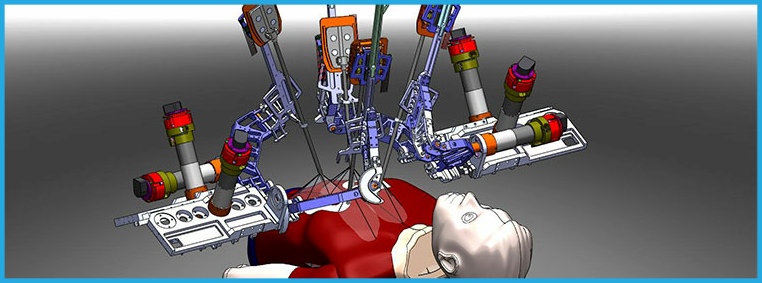 Former Google Scientist Explains Verb Surgical’s Innovative Robotic Surgery TechnologyVerb SurgicalThe company has been quietly planning the development of a new generation of surgical robots since MarchJohnson & JohnsonFollowing the collaboration, only partial details were disclosed. However, Babak Parviz, a former scientist at Google, is now developing new technologies, presenting a rare opportunity for the company’s innovation process. In 2010, while Babak Parviz was with Amazon, the company joined forces with Alphabet’s Google X division to develop the Google Glass wearable computer. During this period, he also proposed several concepts for robotic systems in operating rooms, including a plan to create autonomous surgical robots that perform procedures via joysticks while assisting surgeons throughout the operation.Parviz told Medium that while we have traditionally relied on surgeons’ dexterity, we now recognize that machine operations are more precise than manual ones. Leveraging machines could provide surgeons with enhanced capabilities, moving beyond the traditional reliance on manual manipulation. Surgical robots can expedite procedural steps and achieve faster response times. Traditional surgery is fundamentally limited by the time humans require for decision-making and instrument manipulation, whereas surgical robotics can address many of these challenges, facilitating quicker performance of procedures such as vascular repair.Currently, this technology holds significant application value for developing countries.VB Inc.It appears to reflect the early concepts of researcher Babak Parviz. The company recently stated that its aim is to develop a comprehensive surgical solutions platform, which may integrate cutting-edge robotic capabilities with state-of-the-art medical device technologies in the laboratory. Gary Pruden, Global Chairman of Johnson & Johnson Medical Devices, noted in a statement, “We believe that Verb Surgical has the potential to transform the future of surgery, extending beyond robotic surgery alone. The research team has already made substantial progress in the development of its robotic platform.”Entering the field of surgical robotics can help Verily capture significant revenue in a rapidly growing market, which is projected to reach $20 billion by 2021. Other companies, such as Intuitive Surgical and Stryker, have also made considerable advances in this area. Verb still has a long journey ahead in the field of surgical robotics technology. It is believed that in the near future, surgeons will be able to make timely decisions, while surgical robots will execute procedures based on those decisions.
 Shanghai Kehua Bio-engineering Completes Acquisition of Italian Company TechnogeneticsRecently, ChinaIn Vitro Diagnostics (IVD)One of the Product DevelopersShanghai Kehua Bio-Engineering Co., Ltd.Announcement: The Company Completes Transaction with Technogenetics, an Italian Innovator in Immunodiagnostic Products. The transaction involves the acquisition of the Italian company as well as the in vitro diagnostic (IVD) assets of Altergon Italia, a manufacturer and developer of innovative drug formulations.Under the terms of the agreement, Shanghai Kehua Bio-Engineering Co., Ltd. paid €28.8 million to acquire 100% equity interest in Technogenetics, with €18.8 million allocated for the acquisition and the remaining €10 million designated for business development within 18 months following the closing of the transaction. By combining Technogenetics’ R&D operations in innovative immunodiagnostic products with Shanghai Kehua Bio-Engineering’s 30 years of recognized expertise in IVD manufacturing, a new Italian entity, Technogenetics Holdings, has been established.Following Shanghai Kehua Bio-Engineering’s acquisition of Technogenetics, Altergon Italia injected its spun-off IVD business into the new company, including its R&D assets located in Southern Italy (Avellino) and China (Qingdao and Shenzhen). Shanghai Kehua Bio-Engineering will hold an 80% equity stake in the joint venture, while Altergon will retain the remaining 20%.
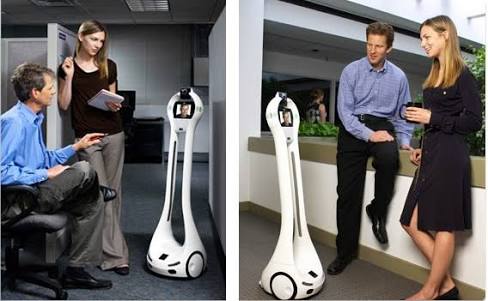 Pudong Hospital Uses Telemedicine Robots to Help You See a Doctor at Your Doorstep"China's first telemedicine robot, standing approximately 1.2 meters tall with a large round face and an S-shaped curve,"Wei Hu,” has been working diligently at Pudong Hospital for 10 months. Both doctors and community residents affectionately call it “Xiao Bai.”Currently, “Xiao Bai” and its four counterparts are stationed at the Huinan, Datuan, Laogang, and Nicheng Community Health Service Centers, respectively, providing convenient medical services to hundreds of thousands of residents. How exactly does “Xiao Bai” operate? As an assistant to healthcare professionals, what role will “Xiao Bai” play in the doctor-patient relationship?"Expert Endorsements in the Community"“Dr. Zhu, I’ve been experiencing frequent chest tightness recently. What could be the cause?” At the Huinan Town Community Health Service Center, 72-year-old Mr. Wu consulted Dr. Zhu Zhongsheng, Director of the First Department of Cardiology at Pudong Hospital, via the video call system embedded in the head of “Xiao Bai.” Dr. Zhu provided his assessment based on the electrocardiogram (ECG) uploaded by community physician Wang Junmei: “You may be suffering from coronary heart disease and angina pectoris. It is advisable to undergo coronary angiography to facilitate the formulation of a further diagnosis and treatment plan.”Mr. Wu expressed sincere admiration, saying, “Technology has truly advanced. It is so convenient to consult specialists from major hospitals right here in the community.” The physicians at the Community Health Service Center described “Xiao Bai” as their reassurance: “We feel much more confident now. Whenever we have questions about diseases or test reports, we can seek advice from experts at Pudong Hospital via video call at any time.”Gong Min, Director of the Medical Consortium Department at Pudong Hospital, introduced that “Xiao Bai” is equipped with an internal computer system and wireless connectivity. Its integrated camera and screen enable real-time face-to-face consultations between doctors and patients. Additionally, “Xiao Bai” is mobile and can observe patients up close through a 360-degree rotating camera. From Pudong Hospital, located over ten kilometers away, physicians can remotely control the robot for ward rounds using smartphones or iPads.Currently, the tightly integrated healthcare collaboration platform for the southern region of Pudong, led by Pudong Hospital and involving 11 community health service centers, has become increasingly mature. Gong Min stated that following the current pilot phase, “Xiao Bai” will be gradually expanded to all 11 sub-districts and towns, effectively addressing the “last mile” barrier in residents’ access to medical care.“Xiaobai” Services Should Be Included in Medical Insurance“Xiao Bai” as an assistant has established a model of interaction between physicians and between physicians and patients, connecting specialists, community doctors, and patients. This not only conserves medical and health resources but also promotes the professional training of community doctors. Yu Bo, General Manager of the Pudong South Area Medical and Health Collaboration Network and President of Pudong Hospital, believes that its greatest contribution is realizing the concept of tiered diagnosis and treatment—“initial consultation at the primary care level, upward referral, and coordinated linkage between different levels”—from the source.Yu Bo stated that “Xiao Bai” has even greater potential: it can assist doctors in providing specialized medical care in “high-risk zones,” such as remote consultation and diagnosis for patients in fever clinics and infectious disease wards; it can also go deeper into residents’ homes to “stand guard” for patients with mobility impairments. It is understood that Pudong Hospital is currently screening patients, such as those with ostomies. “If ‘Xiao Bai’ visits patients’ homes, it can provide both ostomy care guidance and psychological counseling, helping patients reintegrate into society more effectively.”“Xiao Bai” is a doctor’s assistant and a patient’s friend. Will robots eventually replace doctors? Yu Bo indicated that “Xiao Bai” serves only as a medical aid, with physicians remaining the primary providers of diagnosis and treatment; therefore, there is no need to “demonize” its capabilities. He showed reporters the slot interface on the robot’s inner waist, stating, “Currently, we can only call this ‘Xiao Bai Version 1.0.’ In the future, modules for measuring vital signs such as blood glucose and blood pressure, and even detecting emotions, will be added to bring richer and more practical medical assistance to community residents.”Yu Bo admitted that while the use of “Xiao Bai” has alleviated difficulties many residents face in accessing medical care, there are still many areas needing improvement. “Although robots can keep patients within community hospitals for diagnosis and treatment, shortages of doctors and medications ultimately force them to visit large hospitals, which could otherwise be avoided.”He called for expanding the range of medicines available at primary healthcare institutions to truly implement the tiered system where “serious cases are treated in hospitals, while minor illnesses and rehabilitation are managed in the community,” thereby retaining more patients within the community. Meanwhile, remote diagnosis and treatment services conducted via medical robots are not yet covered by medical insurance. Relevant policies should be introduced to legalize telemedicine, ensuring that “Xiao Bai” is utilized to its full potential and enhancing the capabilities of community health service centers.