

Is It Time to Bet on VR + Healthcare?
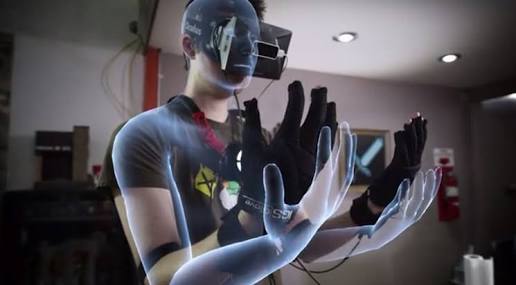
Foreword:
Recently, Goldman Sachs released a VR/AR report stating that VR and AR have the potential to develop into an industry with annual revenues of tens of billions of dollars, which may be as far-reaching as the advent of computers.In fact, VR is nothing new; it experienced waves of hype in both the 1980s and the 1990s. To this day, apart from well-funded giants such as Sony, Facebook, and Google, which are heavily investing in R&D, other startups remain on the sidelines, patiently waiting, as certain upstream supply chain issues have yet to be resolved. Therefore, there is no need to be overly enthusiastic about this technology; a rational approach is advisable. While VR is undoubtedly revolutionary, few dared to venture into the mobile computing market when mobile phones were still in the "brick phone" era. The primary reason is that VR research and development are extremely capital-intensive. In five to ten years, this field will be transformed, but for now, we must continue to wait.Let’s Share Some Thoughts on VR in Healthcare~
Content is King
To date, domestic media have devoted considerable time to exploring the application scenarios of VR, ranging fromFrom movies and sports to socializing and travel...and others. But what truly prompted me to reflect and write this article was its connection withMedicalCombined with the chemical reactions that will occur. I am fascinated by technologies in history that have helped improve human life, and I want to study their origins and development. Because from these unfamiliar technologies, we can gain many useful insights. Fundamentally speaking, which part of VR do you think truly helps improve our life experience? The HMD? The VR operating system? The game development engine? Or the content distribution platform? Actually, this is not hard to figure out. VR’s current situation is like that of early mobile phones. But now, which part of the entire mobile ecosystem do people think has the greatest impact on us? Is itContent,Namely, the layer closest to consumers. In the healthcare sector, applications of varying scales—such as Chunyu Yisheng, WeDoctor, JiuYi 160, and DXY—have helped bridge many gaps in offline services, making the medical consultation process more convenient. VR is poised to play a similar role. Currently, however, VR remains positioned at the upstream end of the industry chain.Hardware Break-instage, while also targeting VR launchesBrowser, Games, MoviesAlthough the intent is strong, technical capabilities remain insufficient (referring to the situation in China; overseas markets are a different story), with many solutions still at the demo stage. Since we are discussing healthcare, suppose you have on hand aoculus Rift CK1, a PC with Wi-Fi enabled, the device has been configured with the help of Uncle Wang next door. What would you like to do most at this moment?Registration, it seems too troublesome;Teleconsultation, Can doctors accept wearing a head-mounted display weighing over 0.5 kg every day?Fitness, it seems pretty good. Isn’t it highly motivating to see your virtual reality avatar with a 24-pack of abs?!Medical Simulation Surgery, it seems that costs can be saved; psychotherapy or physiological therapy should be the main focus;Remote Surgery, the major trend in surgery;Rehabilitation Therapy, VR should be able to serve as an effective adjunctive therapy. At this point, you may have noticed that these applications share certain common characteristics: they are conducted indoors, require no running, are semi-automated, and rely on visual deception. Human senses are divided intoVision, Hearing, Smell, Taste, TouchIn essence, VR technology aims to immerse you in another world by deceiving your senses. No matter how innovative VR medical applications become, they still requireDeceptionThe brain creates illusions to achieve therapeutic effects. Virtual reality primarily acts onThe Human Brain, most people’s understanding of virtual reality is limited to only the five sensesVision, HearingFrom a sensory perspective, this also aligns with our daily habits. In fact, there is a scientific basis for using brain deception to assist in treatment. As a computational platform, the human brain has many flaws. It is so elusive and inaccurate that it often rejects an obvious and correct answer, replacing it instead with a carefully crafted lie that it prefers, while never forgetting that these lies are not real.But why should we choose VR?Immersive Experience!Just like watching an IMAX movie, but taken a step further, the fully enclosed head-mounted display elevates this experience to a whole new level. Whether for virtual training or rehabilitation therapy, it leverages VR’s exceptionalImmersive ExperienceWriting an article. Above, we have generally understood some principles of VR applications. Next, let’s talk about some medical applications of VR that are suitable for commercialization.
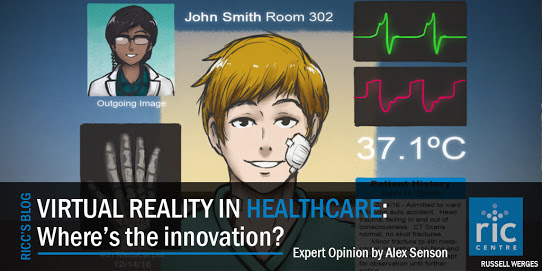
VR Medical Application Scenarios
Mixed Reality Medical Training (Virtual Simulation)“A 54-year-old male patient presented with angina after alcohol consumption, with suspected myocardial infarction. Current blood pressure is 120/80 mmHg.” “Administer oxygen, have him chew 300 mg of aspirin, and administer nitroglycerin injection.” … “Not good, cardiac arrest has occurred; initiate chest compressions immediately.” “Resuscitation efforts were unsuccessful; the patient has died.” In real-life clinical practice, patient death resulting from resuscitation errors would constitute a serious medical malpractice incident. Fortunately, this scenario took place only in a physician’s ICU training room. The “deceased” was merely aSimulator, or virtual human. Laerdal Medical, a Swedish company, specializes in producing "simulators" for physician training. Over the past decade, simulator technology has evolved from first-generation models that could only respond to the effectiveness of cardiopulmonary resuscitation (CPR) compressions to those capable ofPre-programmingThe third generation, designed to respond to complex clinical scenarios. Their product portfolio includes not only patient simulators capable of documenting case histories, but also a range of other products such as “infant simulators” and “pregnant woman simulators.” Most of these products are used inMedical Training Center, and in some Grade A tertiary hospitals in China, its primary application is to enable physicians to train in more realistic virtual environments, thereby reducing the harm inflicted on animals in traditional surgical training. While enhancing the skills of medical novices is one aspect, virtual reality technology also helps hospitals and healthcare institutions cut costs, given the substantial expenses associated with medical professional education. With the volume of medical knowledge doubling every six to eight years, hospitals have a steady demand for specialized training. Augmented Reality and Virtual Reality CompaniesNext Galaxy has been engaged in this endeavor. It, through itsMiami Children's Hospital(Miami Children's Hospital) collaborated to jointly develop a virtual reality software designed for medical guidance, helping healthcare professionals better master cardiopulmonary resuscitation (CPR), nasogastric tube insertion, intubation, wound care, and the Heimlich maneuver. Leveraging Leap Motion’s haptic feedback mechanism, Next Galaxy enables trainees to quickly identify their errors. Virtual reality technology creates a fully immersive and realistic experience from the ground up. After training in this VR environment, recent graduates have rapidly transformed into seasoned experts. So why can virtual reality provide such significant benefits to the healthcare industry? As previously mentioned, fundamentally, it is stillVisual Deception, achieving the goal of brain training through visual exercises combined with neural information transmission. Medical training is quite unique, as it is a discipline that heavily emphasizes practical skills. However, due to the limited number of patients available in many cases, new practitioners often face delays in becoming fully operational. Virtual reality technology has effectively filled this gap. Nevertheless, virtual simulation still faces significant challenges (particularly in emerging countries). The greatest challenge lies in whether healthcare professionals with surgical experience can quickly adapt to such virtual training. After all, more than a decade of clinical practice can easily lead to a strong reliance on real-world experience.Physiological TherapyThe human brain is intensely stimulated by virtual reality, a “reality” that is more immersive, powerful, and engaging than films or video games. Although VR does not deliver direct therapeutic effects—such as physiologically restoring post-stroke injuries, alleviating chronic pain, improving motor function in patients with Parkinson’s disease, or reducing persistent neck pain—the interconnectedness of the five senses allows us to harness it for treatment. For instance, seeing fire can evoke a sensation of heat (a crossover between vision and touch). By designing virtual scenarios that divert patients’ attention, we can achieve therapeutic outcomes; I refer to this approach as “consciousness anesthesia.” Loyola University Hospital in the United States has been faithfully implementing this concept, utilizing a system named "SnowWorldVR games alleviate pain in burn patients, which is obviously much more engaging than conventional physical therapy. The game features a virtual icy world with frozen rivers, waterfalls, snowmen, and penguins. Patients can soar across snow-covered canyons or throw snowballs, fully immersing their attention in the icy environment and leaving no mental space to focus on their pain. Austin Mackay, a 25-year-old patient with third-degree burns, tried this therapeutic program. In the virtual reality environment, Mackay was completely absorbed, barely feeling the pain caused by body movements during treatment, and was even unaware that he was undergoing therapy.PsychotherapyImmersiveDepression TreatmentAttempts were made long ago, and this time it is to assist astronauts.Alleviating HomesicknessHave you ever experienced homesickness? That deep-seated feeling of missing the people you know and the places familiar to you. It doesn’t feel good, does it? Now imagine astronauts aboard the International Space Station (ISS)—orbiting 320 kilometers above Earth, confined in a cramped space, seeing only the same few individuals day after day for months on end. In such an environment, maintaining psychological well-being is no small feat.This is precisely what researchers at Dartmouth College and the University of Birmingham are addressing. They are developing a virtual reality (VR) experience designed to alleviate astronauts’ longing for Earth during deep-space missions. This psychological strain stems from the isolation astronauts endure. Perhaps escaping into VR landscapes filled with natural beauty can offer them some relief.Dartmouth’s Digital Arts Leadership and Innovation (DALI) Lab has already developed VR products, with support from NASA, that help mitigate depression and anxiety. In this project, researchers from Dartmouth and the University of Birmingham are focusing primarily on using VR to reconnect astronauts with nature. They aim to determine which types of VR scenarios are most effective and why.The project is divided into two parts: the first focuses on using 360-degree virtual videos, while the second involves reconstructing picturesque scenes from Australia and Ireland using 3D imagery within a VR environment.The researchers believe there is an inherent connection between humans and nature—a notion that certainly holds merit, as evidenced by the time people devote to protecting and enjoying the natural world. National parks, zoos, hiking, and safari tours—these experiences in nature are truly precious, helping us alleviate feelings of depression and anxiety.Health ManagementIn addition to actual treatment,Health Management MarketIt can also leverage virtual reality, which may be easier to monetize. However, the concept of combining exercise with video games is hardly new. Years ago, Nintendo launched the Wii Balance Board and offered exergames such as Wii Fit. There are otherVirtual Physical ExerciseEquipment such as Pro-Form indoor exercise bikes. However,IcarosIts creative design surpasses that of previous devices, incorporating a new form factor—the virtual reality (VR) headset. Led by HYVE Innovation Design, the company previously brought us solutions such as the carbon-fiber Gridboard and electric skateboards. Although Icaros may look like a torture device or something out of a dystopian nightmare, rest assured it is simply a functional piece of fitness equipment. Place your elbows and knees securely on the supports, kneel on the Icaros, and grip the handles firmly. This wireless gaming system includes a handle-mounted control unit that manages track movement and interfaces with games running on PCs and mobile devices. By donning an Oculus Rift or Samsung Gear VR headset, you are transported into a digital world where you can fly and float with ease. Icaros allows you to slide your legs and arms to one side, tilt forward and backward, and roll from side to side, thereby controlling your in-game actions and guiding the entire exercise process.WiderunThis is a system that enables you to fulfill your dream of cycling across vast rivers and mountains in a virtual world. It not only simulates an authentic outdoor cycling experience but also allows users to interact with the environment. Sensors on the bike monitor wheel speed and steering, reflecting these actions in VR. When you turn left, your avatar turns left in the visual display; head movements allow you to view the scenery from different angles. The interaction between the environment and the user is manifested through increased cycling resistance when ascending slopes in the simulation, with resistance levels adjusting according to the gradient. At maximum power output, it can simulate the resistance encountered by an 80-kg cyclist climbing a 15° incline. Although the application of VR technology in healthcare remains in its early stages, unlike previous medical solutions, this is the only areaEngaging with ordinary consumersIn this field, whether in terms of development speed or adoption capability, monetization potential is currently the fastest.Pharmaceutical IndustryThrough augmented reality and virtual reality devices, such as Google Glass or Oculus Rift, digital information can present us with a completely new visual experience. If you have used virtual reality devices, you can compare the difference between browsing information on web pages and in three-dimensionalThe Allure of How Drugs Work, you will realize the immense potential of virtual reality for the pharmaceutical industry. Another innovation is the gamification of health, which makes it easier to motivate individuals to adopt healthier and more positive lifestyles. Currently, the methods employed by pharmaceutical companies to encourage patients and healthcare professionals to use specific products are long outdated; they need to adoptGamification Approachto meet the needs of online users, while also enhancing user loyalty to the product and maintaining the company's image.Telemedicine and TelesurgeryIn telemedicine, the adoption of virtual reality technology allows various physiological parameters of patients in remote locations to be reflected on virtual patient models presented to medical experts in major cities such as Beijing, Shanghai, and Guangzhou, or even abroad. This enables experts to make timely diagnoses and recommend appropriate treatment measures. Thus, through telemedicine technologies, patients in remote areas can access consultations with experienced physicians, particularly for complex and rare conditions that local doctors are unable to manage. Telesurgery is a crucial component of telemedicine, as previously discussed. During telesurgical procedures, surgeons operate within a virtual patient environment, controlling robotic systems that perform surgery on actual patients at distant locations. Currently, experts from the Medical College of Georgia and the Georgia Institute of Technology have collaborated to develop robots capable of performing remote ophthalmic surgeries. Under the control of experienced ophthalmologists, these robots enable safer completion of eye surgeries without requiring the physical presence of the surgeon on-site. In addition toMicrosurgical RobotsIn addition, some experts abroad have even proposed thatSensors, Expert Systems, Remote Surgery, and Virtual EnvironmentsA virtual surgery system, composed of various components, serves a dual purpose in the event of sudden disasters: it enables remote surgeries for certain critically injured patients and functions as a specialized remote expert consultation platform. Using this system, frontline physicians can promptly transmit patient conditions to experienced specialists at rear facilities during examinations. These backend specialists can then present treatment plans through a virtual environment directly to the frontline doctors’ view, thereby ensuring timely medical intervention and reducing casualties. Additionally, it is worth noting that cardiologists previously used Google Glass to clear a blocked right coronary artery in a 49-year-old male patient. Coronary computed tomography angiography (CTA) images and three-dimensional data were displayed on the Google Glass screen, allowing the physician to successfully restore blood flow to the artery based on these visualizations. However, this technology is not virtual reality (VR), but ratherAugmented Reality (AR)Brain Injury Rehabilitation TherapyDr. Albert Rizzo of the University of Southern California’s Institute for Creative Technologies recalls that in the 1990s, he helped a patient with brain injury undergoRehabilitation Therapy, patients often struggle to maintain the enthusiasm needed to cooperate with treatment. However, when playing the handheld game Tetris, they can remain fully focused for extended periods. This observation inspired him to begin researching digital therapeutic solutions. Over the following years, Rizzo collaborated with colleagues in the field of computer science to investigate whether simulated training conducted in virtual reality could translate to the three-dimensional world and produce tangible effects in real-life scenarios. To explore this question, Rizzo dedicated nearly two decades, ultimately proving that the answer is yes. In 1998, Rizzo used virtual reality technology to simulate a Vietnam War battlefield. The simulation of landmarks such as plants and helicopters was quite rudimentary. After a Vietnam veteran walked through this virtual environment, he asked, “Bill, what did you see?” The other person replied, “I saw rice paddies, Vietnamese soldiers in the jungle, and a water buffalo.” In fact, these elements were not part of the simulation; the participants filled in the gaps with their own memories, perceiving the simulated environment as if it were a real scene.Vision Therapy (Strabismus or Amblyopia)A San Francisco entrepreneur believes they have cracked the code for treating common visual impairments through virtual reality. Through their companyVivid VisionJames Blaha ultimately plans to offer VR-based vision therapy game software for patients with strabismus (commonly known as “crossed eyes”) or amblyopia (“lazy eye”), both of which can result in limited depth perception. In terms of funding, he raised over $20,000 through an Indiegogo crowdfunding campaign last year and subsequently secured $700,000 in seed funding from investors. According to Quartz, Blaha was born with strabismus and experimented with the Oculus Rift virtual reality headset to improve vision in his amblyopic eye by delivering different images to each eye. After nearly two years of experimentation, he regained 80% of stereoscopic vision in that eye. Treatment for this condition typically involves patching the stronger eye during childhood to stimulate recovery of the amblyopic eye; however, this approach is not effective for everyone. Once a child exceeds seven years of age, this treatment becomes significantly less effective. The belief that this critical age threshold cannot be overcome is highly arbitrary, and I think it is the reason why people have not conducted in-depth research for a long time—they assumed the condition was irreversible. Blaha’s company is currently conducting a nine-month trial to assess the software’s impact on participants. The software is also being tested in several vision therapy clinics. Following the release of the Oculus CK1 this year, Blaha has accelerated the deployment of his software.Treatment for Being Single!!!Imagine this: late at night, you live alone, blindfolded with an eye mask and wearing headphones. All you can see is an abandoned old mansion; looking around, there is not a soul in sight. Bats occasionally fly out from beside you, while eerie music and the crying of children play in your ears. Would you dare to move forward? That’s right—this is a highly popular VR game abroad.《affected》The scenes within are said to have helped everyone who tried this game quickly escape singlehood. No Oculus? No problem—Cardboard works too. Just head left to the Oculus Store; those who use it know best~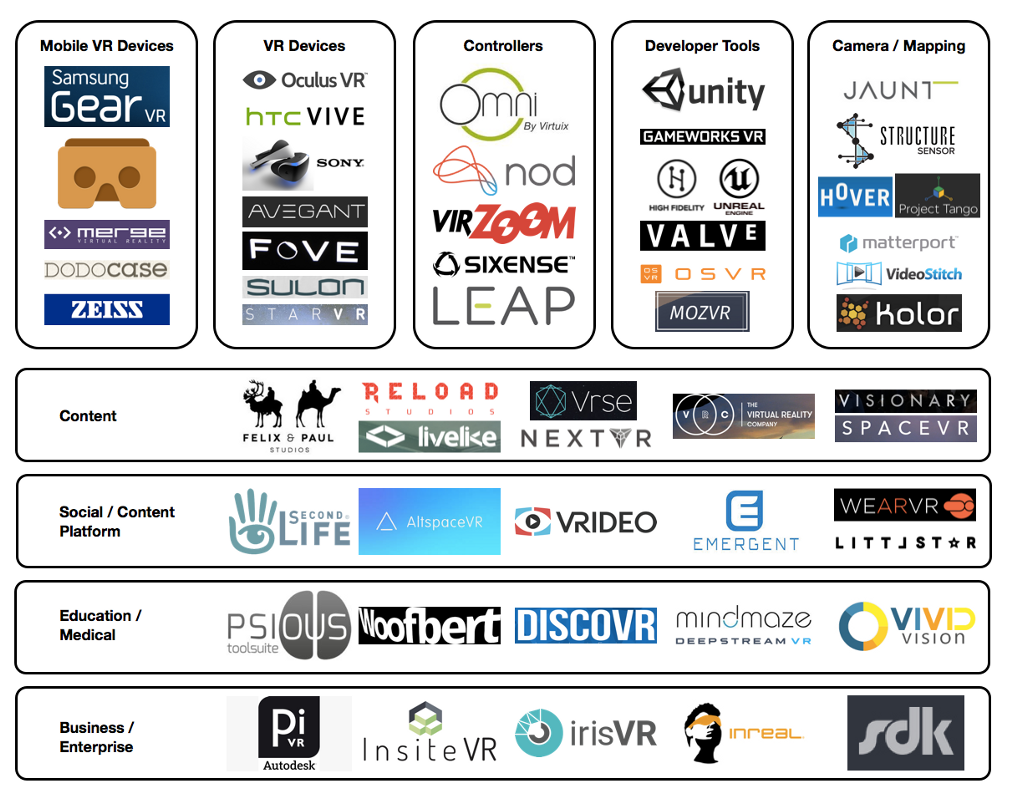
# About the VR Ecosystem
Hardware - Mobile VR Operating Systems - VR Input/Content Creation Devices - Content (Movies, Games, Music Videos, Medical Applications) - Content Distribution PlatformsThese elements largely constitute the fundamental components that the VR industry should possess. The prospects for VR in gaming and interactive entertainment are already clear. For many, this has been the reason they have not given up on the technology over the years. However, VR holds even greater potential—to become a true ecosystem that changes the world, much like the smartphone. Although this vision has persisted for decades and occupies a prominent place in the narrative of virtual reality, the path to widespread adoption and impact on the mass market remains less clear. What would a killer medical application look like? Which use cases will become mainstream sooner, and which will lag behind? As an adjunctive therapeutic tool, the survival of VR medical applications will depend onWidespread Consumer Acceptance and High Penetration of Head-Mounted Devices. Without the large-scale adoption of a significant number of upstream HMD auxiliary devices, the development of VR+ healthcare would be extremely challenging. However, this is not absolute; once this hurdle is overcome, the vast market size will propel it to the forefront of industry trends.
On the VR Capital Market
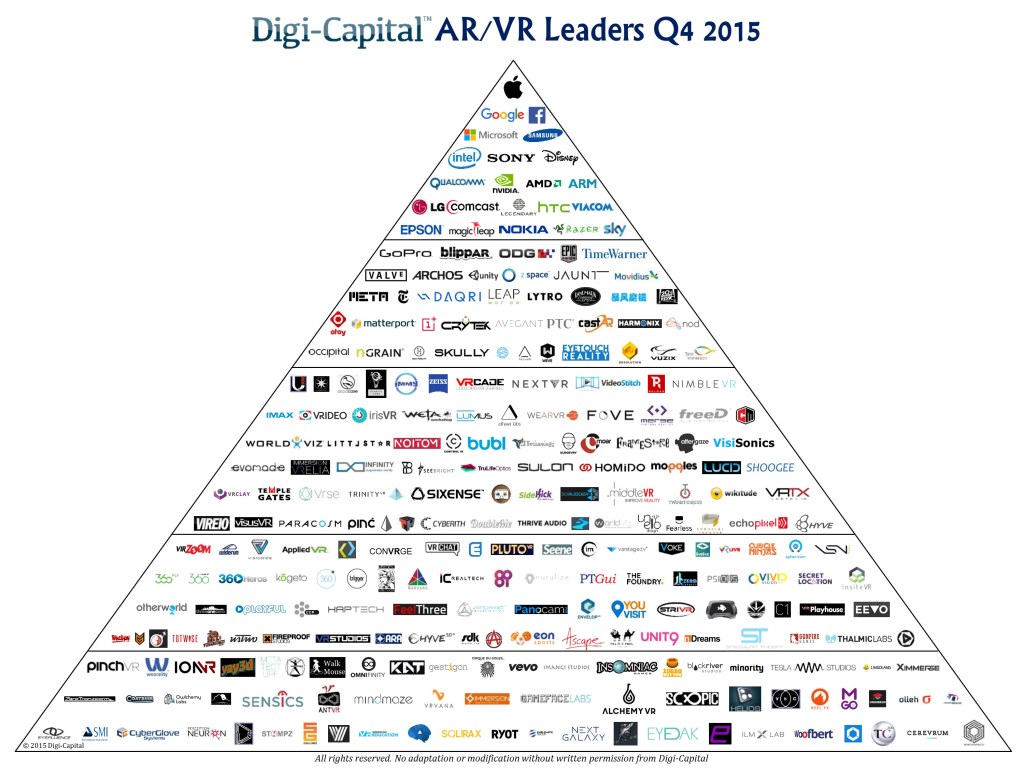
At the beginning of the year, the retail price of the Oculus Rift was set at $599. On the hardware front, Oculus is striving to make its products accessible to the mass market. Backed by Facebook’s substantial financial resources, the company plans to sell hardware at cost to rapidly jumpstart the VR ecosystem. This aggressive push for VR technology adoption truly reflects the privilege of having deep pockets. Consequently, this has also fueled a surge in VR-related stocks.It was the weekend when Aunt Wang from next door came over for a visit.Aunt Wang: “Young man, Ms. Wu from Building 20 mentioned that a stock called ‘Fengbao Technology’ looks promising. It has been rising for nearly two months. Since you understand these things, could you take a look for me?”I was taken aback: “You mean Baofeng Technology? It has indeed been performing well recently, driven largely by conceptual hype. The risk is too high; it’s not suitable for you.”Aunt Wang continued: “I heard they have some ultra-high-tech glasses, even more amazing than 3D. It’s the current trend; I should buy a few lots!”I replied: “That’s called VR, or Virtual Reality. The technology is still immature; it’s far from ready.”Aunt Wang insisted: “It’s the current trend; I should buy a few lots!”I: ……Most people have forgotten that reality is harsh, let alone virtual reality.There is currently a somewhat melancholic joke circulating online: A master-level investor specifically purchased a bundle of domestically produced VR devices. After testing them, he found them all to be subpar. Following diligent and detailed grassroots research, he concluded: “It seems that before the release of Oculus, VR can only remain a pure concept.” He shared his findings with peers on his social media circle. Everyone agreed it made perfect sense, and as a result, they collectively missed out on the booming VR market rally...Who was left behind? Chinese aunties and new investors who ended up holding the bag. What a bubble...However, jokes aside, the prospects for VR in healthcare are still very promising. Capital markets will eventually treat any technology with genuine value rationally.
Summary
From a personal perspective, I believe that virtual reality should first be applied toMedical Treatment, for a simple reason: strong monetization potential. Healthcare is a vast sector, and currently, there is a clear imbalance between supply and demand for medical resources in China. VR can help optimize the allocation of these resources. With the rise of the domestic middle class, the demand for high-quality medical services will become increasingly urgent, and people will also have the financial capacity to afford such expenses. This constitutes the foundation for the growth of VR+ healthcare.No person is perfect, and no piece of writing is flawless. If you wish to offer criticism, please do so gently~
But before you take the picture, can’t you just hit the like button first!!!
If you are also interested in virtual reality, feel free to contact us on WeChat: DMD766