

AlphaGo, Where to Go? From Historic Victory to Future Applications
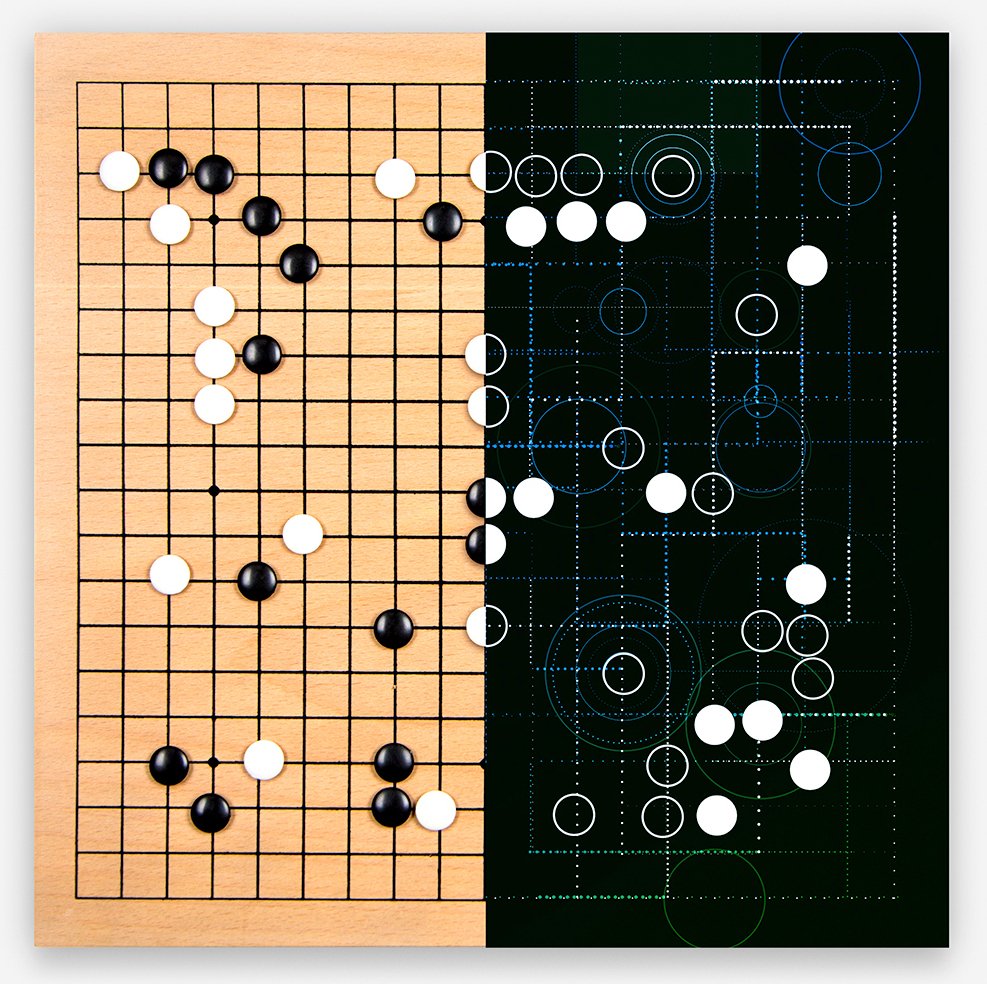
AlphaGo VS Lee Sedol
During this period, people (mainly from China, South Korea, and the United Kingdom) have been paying close attention to Go.Human vs. AI. Looking back now, the outcome really isn’t that important; in fact, from the first roundAlphagoAfter winning,GoogleThe objective has thus been achieved—killing two birds with one stone, as it were: not only was Google’s program tested, but artificial intelligence was also propelled from industry-specific discourse into the public arena. Therefore, regardless of the outcome, the significance no longer lies in victory or defeat itself. Google was not so bored as to spend vast sums merely to create a system that could defeat master players, nor did it launch such an extensive publicity campaign for that purpose alone. Rather, its primary aim was to determine whether its program was truly robust and whether the previous trajectory of algorithmic improvements was correct. This event was merely a prelude; greater ambitions lie in applying these capabilities to specialized professional fields in the future (such as healthcare, as Google itself has stated), where they can help humans perform tasks more effectively. As for how this assistance will be realized, we must begin by examining AlphaGo itself.
What is AlphaGo?
This year'sNatureThere is an article that provides a detailed introduction to AlphaGo (http://www.nature.com/nature/journal/v529/n7587/full/nature16961.html), which essentially states that AlphaGo is a meticulously designed system optimized for the game of GoDeep Learning Engine, using neural networks plusMonte Carlo Tree Search, and leveraged massive Google Cloud computing resources, combining CPU and GPU processing with capabilities derived from expert game records and self-learning. This system achieved an improvement of nearly 1,000 points over previous Go-playing systems.Elo(Go ranking), from amateur 5-dan to a level capable of defeating professional 2-dan players, surpassing previous predictions in the field of Go and achieving a significant milestone in the field of artificial intelligence.
But it was not long ago that they defeated the European champions.Fan HuiHow could AlphaGo improve so rapidly, winning two consecutive games against Lee Sedol in their recent matches? To understand this, we must first examine the system architecture of AlphaGo. In simple terms,AlphagoIt is essentially a black box, but it integrates various machine learning techniques, including game record analysis and self-learning, making it highly scalable.architecture(to fully leverage Google’s computational resources), an integration that harnesses the combined strengths of CPU and GPU parallel processing. This “engineering” framework not only incorporates world-class machine learning technologies and highly efficient code, but also leverages Google’s powerful computational resources.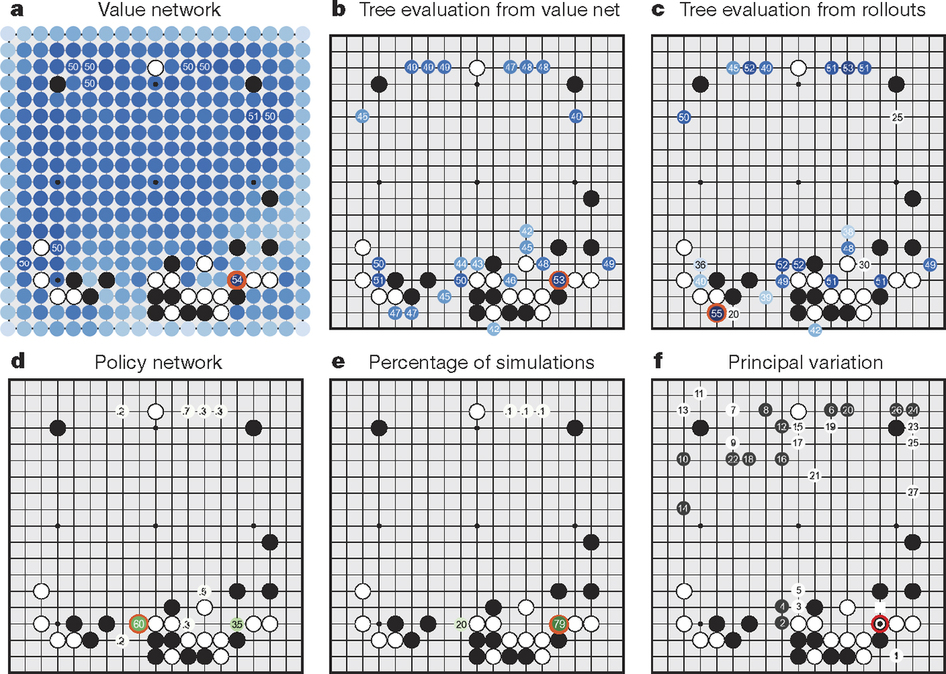
Specifically, this system mainly consists of several components:
1. Policy Network: Given the current board state, predict/sample the next move.
2. Fast rollout: The objective is the same as in 1, but it should be 1,000 times faster than 1, at the cost of appropriately sacrificing move quality.
3. Value Network: Given the current board state, estimate whether White or Black will win.
4. Monte Carlo Tree Search (MCTS) integrates the above three components into a complete system.
Of course, continuing the explanation would involve discussing the basic principles of computer chess and the two core modules that assist computers in playing Go: the “move selector” and the “position evaluator.” However, this seems to be straying somewhat from the topic, so let’s stop here. (For those interested in how AlphaGo works, you can refer to this article:)http://www.dcine.com/2016/01/28/alphago)
The Underlying Game
“The only way a chess computer program can win a game against a human master is to wait until the master is dead drunk, playing 50 games simultaneously, and makes a mistake that he would typically make only once a year.”
“Computers will never be able to defeat a Grand Master.”
“Computers will never be able to defeat a grandmaster of formidable strength.”
“Perhaps computers can defeat strong grandmasters, but they will never be able to defeat the World Chess Champion, Garry Kasparov.”
“AlphaGo’s chances of beating Lee Sedol in this match are rather slim.”
“AlphaGo can never defeat strong Chinese Go players, because it cannot even connect to the server!”
It has been quite a challenging journey for artificial intelligence. From the early days of Deep Blue to the present era of AlphaGo, AI scientists have constantly sought ways to prove their worth. But as things stand today, just how advanced has AI actually become? Starting from this perspective to analyze the underlying strategic dynamics of this chess match seems particularly fitting.
First, inReinforcement Learningaspect. In AlphaGo, the role played by Reinforcement Learning was not as significant as commonly imagined. Ideally, we would expect an artificial intelligence system to dynamically adapt to the environment and the opponent’s moves during gameplay, devising counterstrategies accordingly. However, in AlphaGo, reinforcement learning was primarily employed to generate higher-quality samples for Supervised Learning, thereby facilitating the training of more robust models. Consequently, AlphaGo exhibited limitations in this regard.
andEmotionIn this regard, no information scientist or biologist has yet been able to prove that the role of sensibility is strategically disadvantageous, despite the myriad emotions inherent in humans. However, a highly rational approach can indeed yield advantages in localized strategies. If we consider another perspective, our general ability to empathize with others’ feelings and emotions creates an alternative channel for information transmission and expression. Within social networks and groups, this process of emotional perception and expression can confer long-term strategic advantages, such as those derived from artistic cultivation, literary refinement, and empathy. Compared to direct rational advantages, these benefits can be illustrated by the crying behavior of young children. Children understand that sensibility must be conveyed to specific emotional targets to be comprehended; thus, they cry to their parents but never to an iPad, likely because previous attempts yielded no emotional response.
and the perceptualResponse StrategyThe previous explanation was rather vague, making it difficult to define the true strategic significance of the response; thus, we generally refer to it as an emotional response. From a game-theoretic perspective, this involves the deployment of information and strategy. However, since human behavior arises from the interplay between emotional and rational systems, it is even more challenging for AI to comprehend each of Lee Sedol’s moves. Although these decisions are generated by the same neural network, they are subject to multiple influences, including hormones, experience, and emotions. For AI, these moves may embody deeper strategic intentions, yet Artificial Neural Networks (ANNs) are purely algorithmic and mathematical constructs, lacking the capacity to interpret the comprehensive information conveyed by Lee. Consequently, during their match, only a small fraction of his actions could be effectively addressed by the AI. During the KBA broadcast, Lee Sedol involuntarily turned to look at AlphaGo, a nuance that AlphaGo was unable to comprehend. Human gameplay has never been the product of pure rationality; rather, it results from the intricate interweaving of rational and emotional factors. When two human players gaze at each other, they engage in a multifaceted comparison involving rationality, emotion, social dominance, and physiological advantages. In contrast, AlphaGo remains merely a tool for playing Go; in the realm of emotion, humans hold the advantage.
FromComputational LoadIn terms of measurement, I believe the computational load and information input are comparable for both sides. However, AlphaGo’s energy efficiency ratio is likely higher. Lee Sedol’s energy consumption is 225 kilocalories per hour, whereas AlphaGo’s energy consumption is approximately 280,000 watt-hours. From an energy efficiency perspective, Lee is the more environmentally friendly Go master.When measured by neural computational information volume, Lee’s total neural system capacity is smaller than that of AlphaGo, comprising 200 million neurons. AlphaGo has approximately 20 billion computational units (with each binary 0/1 switch counting as two operations). The most significant challenge is that Lee Sedol can only mobilize 1–3% of his neurons during gameplay, while AlphaGo can utilize 90–100% of its total installed capacity. Thus, there is a functional biological gap in their computational power.This disparity is constrained by biological oxygen demand, as activating large-scale neuronal systems requires substantial energy; engaging the entire brain’s neural network demands more oxygen than human respiratory capacity can supply. Furthermore, excessive oxidation leads to aging and glycation. Therefore, from an energy efficiency standpoint, this was an uneven match.
Overall, while AI has to some extent approached the natural structural architecture of humans, the human system is overly complex; achieving a high degree of imitation or even surpassing the human system remains challenging, even for the most easily mimicked aspects.Nervous System, it is difficult to surpass in terms of physical environment, medium, energy consumption, and complex systems. This seems inconsistent with the facts, after all, AlphaGo won another game just yesterday. However, as mentioned earlier, Lee was playing chess against a machine, or more precisely, against an algorithm, so these advantages turned into disadvantages under certain circumstances.
Most of us laypeople would likely find these topics difficult to understand and lack the interest to engage with them, given their perceived distance from our daily lives. In fact, there is one question that has long puzzled me: Why are AI scientists so determined to steer robots toward the development of emotions? Let’s discuss this issue together.
Mind Your Own Business
Looking at Apple’s Siri, Microsoft’s Cortana, and Xiaoice in terms of natural language understanding, one must acknowledge the tremendous progress made in recent years; however, they still fall far short of human-level language proficiency.
The AI we refer to here is not truly akin to humans, possessing independent thought and the capacity for autonomous judgment. Currently, all so-called AI systems lack such capabilities; they merely involve geniuses encoding pre-designed mathematical models in a manner comprehensible to computers, enabling pattern recognition and the execution of specialized functions based on these models. Of course, during this process, the model itself may be refined, which is what is known as "Self-Directed Learning"
Thus, a human-versus-machine match can be understood as a chess grandmaster facing a group of mathematical prodigies—yes, indeed, a whole group. This collective of prodigies analyzes vast amounts of game records and other data to construct an extensive and complex system, ultimately leading to modeling. This process then leverages the formidable computational power of computers. In this context, AI first benefits from a strong research team behind it, yielding substantial research outcomes; second, these outcomes are delegated to computers for judgment and processing based on actual conditions; and third, it relies on the computer’s powerful computational capabilities. Throughout this process, AI enjoys distinct advantages, initially by circumventing the fact that computers lackIndependent Analytical Abilitydisadvantages, with professionals directly inputting the analysis results into the computer. Secondly, it fully leverages the computer’s strength in mathematical computations. Compared to the human brain, which may only perform a few addition operations per second, a computer can execute hundreds of millions or even billions of operations per second. This is perhaps what is meant by “diligence can make up for lack of innate ability.”
The advantage of the human brain lies inAbstract Thinking, Analytical, and Comprehension AbilitiesFor instance, if you haven’t seen an old friend for ten years and then meet them one day a decade later, their appearance and attire may have changed significantly. Yet the human brain can still rapidly recognize them as “my former classmate/colleague/supervisor.” Compared to computers, this capability is not just streets ahead—it’s an infinite number of universes ahead.
Therefore, there is a fundamental difference in the advantages between humans and machines, so why notLet machines do what they are good at, and let humans handle human tasks.? If so, would claims about machines replacing humans become obsolete? These are merely questions raised; their answers still await scientists in the AI community.
Getting back to the main topic, after the results of the second match in yesterday’s human-versus-AI showdown were released, I noticed that many friends, while excited, also felt a chill down their spines, exclaiming that AI would dominate humanity or that AI intelligence would surpass human intelligence in the near future. I believe this perspective is misguided and stems from an incorrect angle.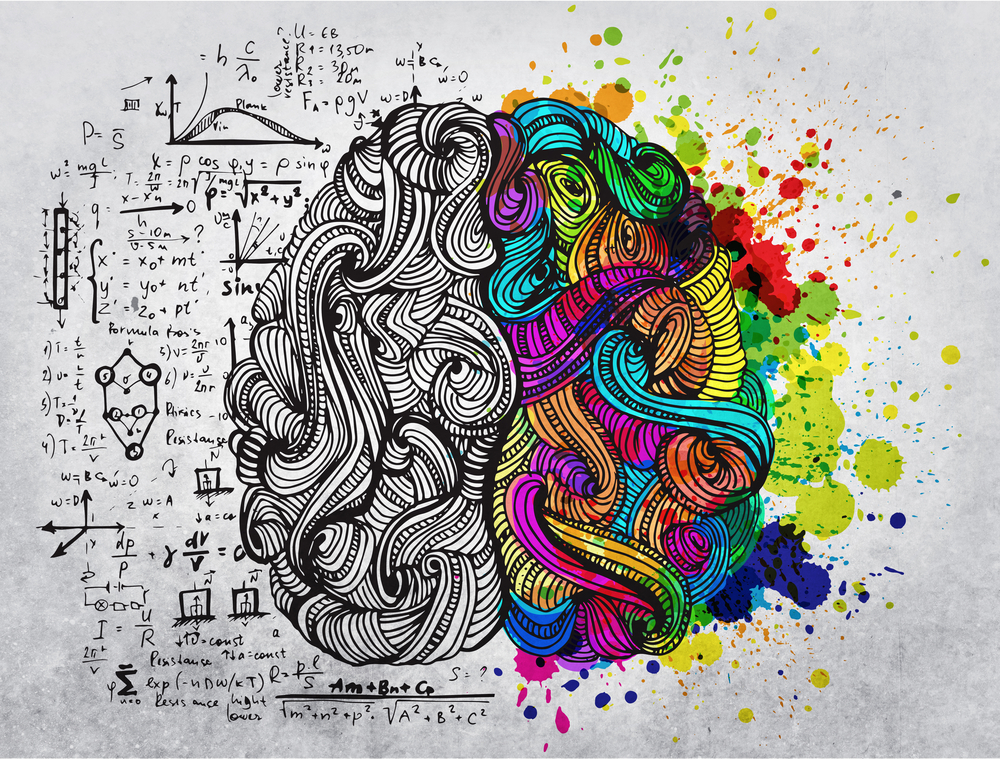
Artificial Intelligence and Human Intelligence
When computers defeated the world chess champion, they effectively ruined the sport of chess, leading to a significant decline in its popularity. This time, the protagonists are artificial intelligence and Go. Although human-versus-human matches will continue after this contest, only the players themselves know the extent of the psychological trauma inflicted and how their own perception of the game has been altered.
Yesterday, a chess-playing friend posted on their WeChat Moments: “Could the future ‘God of Chess’ just be a machine? OMG~”
In fact, if you look at it from another perspective, this matter is quite interesting. As many may know, compared to earlier Go-playing systems, AlphaGo relies less on domain-specific knowledge of Go, yet it is still far from being a general-purpose system. Professional Go players can grasp an opponent’s style and adopt corresponding strategies after observing just a few games, and seasoned gamers can quickly get the hang of a new game after only a few plays. However, to date, artificial intelligence systems still require training on large datasets to reach human-level performance. It is fair to say that without the millennia-long accumulation of expertise by countless Go players, today’s Go AI would not exist.
This means that if we are unable to continue improving ourselves, according toPattern LearningFrom this perspective, even with several additional months, the volume of new game records from top human Go players that can be collected and utilized would not increase significantly, thereby limiting the potential improvements achievable through this mechanism. This is analogous to two amateur 1-dan children: while they might improve to 2-dan through continuous mutual play, without access to higher-level expertise (such as professional game records or instructional guidance), they would still be unable to reach 4-dan or 5-dan, even if they played ten million games against each other every day.
One major bottleneck of current machine learning technology is the need for a large volume of high-quality samples to build robust models; however, humans can often significantly enhance their capabilities in many tasks with only a few samples, which remains beyond the reach of present-day machine learning techniques.
On the other hand, AlphaGo is not yet a system that canAutonomous Operating System, human involvement is still required; that is to say, in the course of the advancement of human intelligence, through continuous feedback from input and output, the human brain’sHardware StructureIt is not directly subject to external intervention, and human thought (algorithms) is entirely dependent on the hardware composed of various cellular and molecular components. In contrast, AlphaGo may not be capable of modifying its own algorithms through feedback from inputs and outputs (it is unclear whether this reflects the actual situation), but instead relies on a team of human designers to optimize the algorithms. The progress of human knowledge has always beenLamarckian inheritanceOr calledAcquired Inheritance, therefore, at least for nowAlphaGo should still be regarded as an extension of human knowledge accumulation aided by computer hardware, rather than a simple parallel or competitive relationship.。
Therefore, we should remain optimistic (this is a great opportunity to drive our progress).Machines are created by humans, and the pace of improvement in machine learning depends on us. We should focus more on recognizing the limitations of machines and the strengths of humanity from this competition.Today, Lee received his first sample of AlphaGo (from a machine learning perspective, the AlphaGo from several months ago and today’s AlphaGo are no longer the same entity). How will he leverage this sample to enhance his ability to compete against AlphaGo? To what extent can he improve? This is truly worth observing, as it reflects, to some degree, the learning capacity of top human experts in this domain.
Alpha go ,where to go
In fact, this is the part that concerns the author most, namely:How to Make the Most of AlphaGo?
In fact, Hassabis had previously made his views quite clear: “At present, I am not heavily involved in AI programming; instead, I focus more on intuitive thinking about the company’s future. In my spare time, I reflect on what I have read in articles and news that day, considering how our research can be integrated with those developments. After all, commercialization is the future direction for every company. Currently, most artificial intelligence systems have very ‘narrow’ applications, relying on machines trained with preset programs to perform specific tasks, and little beyond that. However, we are committed to building a ‘general-purpose learning machine’—a set of flexible, adaptive algorithms capable of learning like biological systems, mastering any task from scratch using only raw data. I hope that ultimately we can apply these technologies to address important real-world problems, such as”Climate ModelsorComplex Disease Analysis, pretty cool, isn't it?"
When it comes to disease analysis,WatsonThis should be considered a paradigmatic application of AI in this field, with its first truly serious use case being as an adjunctive diagnostic tool in oncology. Since 2011, Watson has been assisting oncologists by conducting in-depth analyses of patient medical records and cross-referencing and filtering them against other stored relevant records, clinical expertise, and academic research. This capability enables Watson to independently derive treatment plans that even physicians may not have considered—tasks that have long been beyond full human mastery but are remarkably straightforward for machines. However, given Google’s characteristic ambition, the scope likely extends far beyond this. Setting aside speculative elements, let us organize our thoughts by examining the moves made by major technology companies (credit to netizens in the investment community who have already compiled this information; thanks!):
Google
2013: Acquired DNNresearch, a deep neural network company.
2014: Acquired the deep learning company DeepMind.
2015: Unmanned vehicles began road testing, with commercialization expected by 2020; the code for the open-source deep learning system TensorFlow was released.
2016: Google DeepMind’s AlphaGo system defeated a Go master; Google partnered with the semiconductor startup Movidius on deep learning for mobile phones; and sought to integrate the RankBrain neural network into its search engine.
Microsoft
2014: Launched the personal voice assistant Cortana.
2015: Launched the Asian chatbot Xiaoice; acquired Revolution Analytics, a commercial provider of R language solutions, and Equivio, an Israeli text analytics startup; launched the age-estimation application http://how-old.net and the twin-identification application http://TwinsOrNot.net.
2016: Acquired intelligent input company SwiftKey; open-sourced CNTK, a deep learning toolkit for speech and image recognition; launched the “What kind of dog are you?” app at http://What-dog.net.
IBM
2012: Acquired the human resources management company Kenexa. By 2014, Watson had been applied in healthcare, finance, law, academia, and cooking.
2015: Acquired natural language processing service provider AlchemyAPI; IBM announced the open-sourcing of its machine learning platform, SystemML.
2016: SoftBank Robotics’ Pepper has successfully integrated IBM’s supercomputer Watson.
Facebook
2015: Officially established an artificial intelligence research team; unveiled the AI assistant M; announced and open-sourced the AI hardware framework Big Sur; acquired voice recognition technology company Wit.ai.
Late 2016: Build an AI assistant; train an artificial intelligence system to play Go.
Apple
2013: Acquired Novauris, an automatic speech recognition technology company.
2015: Acquired speech recognition startup VocalIQ and image recognition startup Perceptio.
2016: Acquired Emotient, a startup specializing in facial and emotion recognition technology; hired software engineers to teach Siri about sports knowledge.
Tesla
2014: Invested in Vicarious, an artificial intelligence company that mimics the human brain.
2015: Invested in the non-profit artificial intelligence center OpenAI to prevent AI from harming humanity; launched an autonomous driving system for electric vehicles.
Amazon
2012: Acquired Kiva Systems, a provider of robotic warehouse equipment.
2013: Acquired text-to-speech company Ivona and speech recognition app Evi Technology.
2015: Leveraged artificial intelligence to detect fake reviews and ratings; launched the Echo voice assistant; released the Alexa Skills Kit.
From this perspective, AI is still primarily engaged in fundamental tasks, namely logical computations. As a tool, I believe this is the ideal role for AI.Imagination and CreativityIt is a patent unique to us humans, because machines lack independent thought; their thinking is merely the product of our design.
Although large corporations appear to have made limited moves in AI-driven healthcare, it is undeniable that this remains a blue ocean market. Currently, relying on artificial intelligence to perform traditional Chinese medical diagnostic methods—namely inspection, auscultation and olfaction, inquiry, and pulse-taking—still seems unreliable. However, leveraging artificial intelligence to address the core challenges facing healthcare:Safety and Quality, Management and Efficiency, is achievable at present. For instance: Can AI be leveraged in medical diagnostic systems to standardize workflows, thereby elevating the physician’s role to one of system monitoring and error correction? Currently, startups such as Enlitic, 3SCAN, and ENTOPSIS have demonstrated commendable progress in this area. In the field of drug evaluation, software tools like ADMET Predictor are already available, utilizing computer simulations to assess drug pharmacology, metabolism, and side effects. Therefore, can we leverageArtificial Intelligence/Machine Learning + Supercomputing + Clinical Trials & Medical Big DataBy leveraging “fuzzy testing concepts,” can we help isolate the targeted action sites of viruses, bacteria, or tumor cells, thereby facilitating the discovery and accelerating the development of various novel drugs? Or could it optimize the efficacy of existing medications? Alternatively, might it reduce the costs of personalized medicine? Apologies, as this question is beyond the expertise of a non-specialist like myself. I welcome insights and guidance from esteemed experts in the field.
At this point, it is appropriate to bring this discussion to a close. The foregoing content essentially represents the author’s perspectives on these issues:
1. Why Did AlphaGo’s Victory Seem So Earth-Shattering?
2. What does this human-versus-machine showdown signify? What benefits can it bring us? What deeper meanings lie behind the game?
3. What exactly are the differences between machine and human thinking? Is AlphaGo truly mimicking the human brain in playing Go?
4. What makes Demis Hassabis, head of DeepMind, unique in his views on how artificial intelligence impacts culture, life, and work?
5. What stance should we take toward human-AI competition?
It is truly fortunate to live in this era, witnessing the discovery of the Higgs boson, the detection of gravitational waves, and now, landmark milestones in artificial intelligence. Yet it is also deeply unfortunate, for no one can predict what will emerge once these Pandora’s boxes are opened.
For AlphaGo, the matches of the past few days were merely an insignificant addition to its vast database of Go samples; for Lee Sedol, however, it was a profoundly different experience. Even if AlphaGo ultimately prevails, I still believe in the potential of humanity. Keep fighting, Lee!