

Elicio Therapeutics Shares Plunge 73% as KRAS Vaccine ELI-002 7P Fails Phase 2 Trial in Pancreatic Cancer

Elicio Therapeutics
Developer of Novel Immunotherapy
▎Armstrong
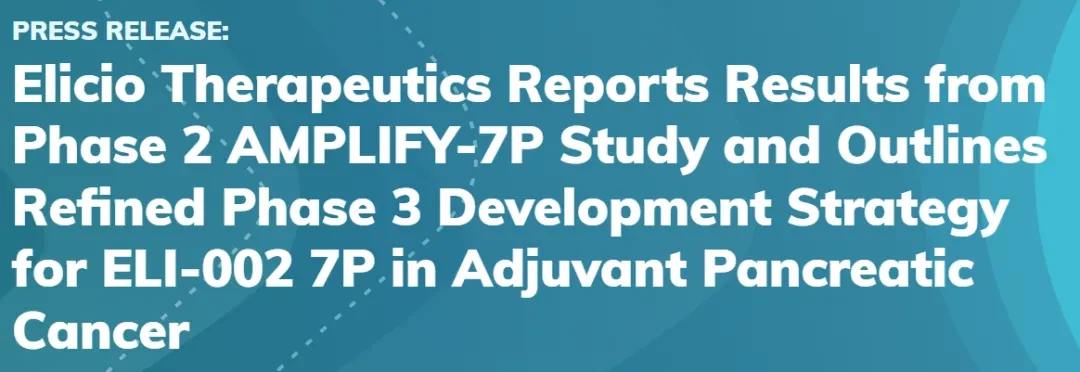
On June 15, 2026, Elicio Therapeutics announced the latest data from the Phase II AMPLIFY-7P clinical trial of ELI-002 7P, a KRAS vaccine for adjuvant treatment of pancreatic cancer; the study did not meet its primary endpoint of disease-free survival (DFS).
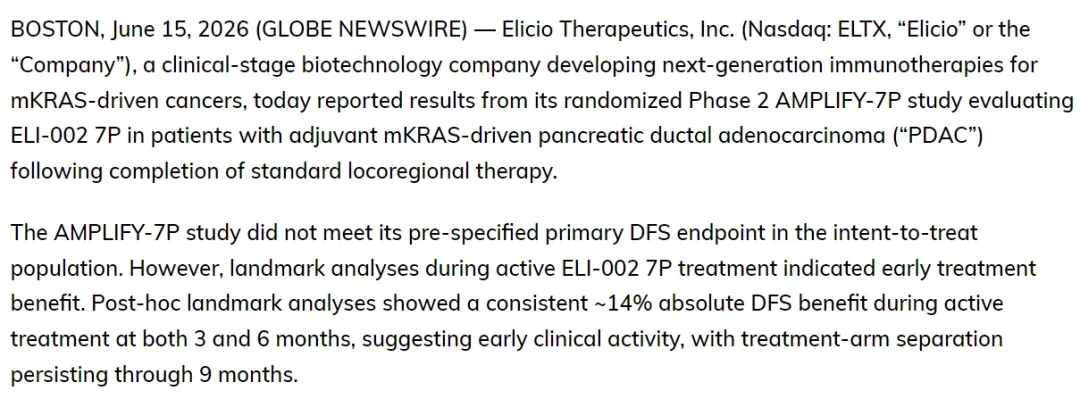
Elicio Therapeutics’ stock price plummeted 73% on the day, with its current market capitalization standing at $78 million.
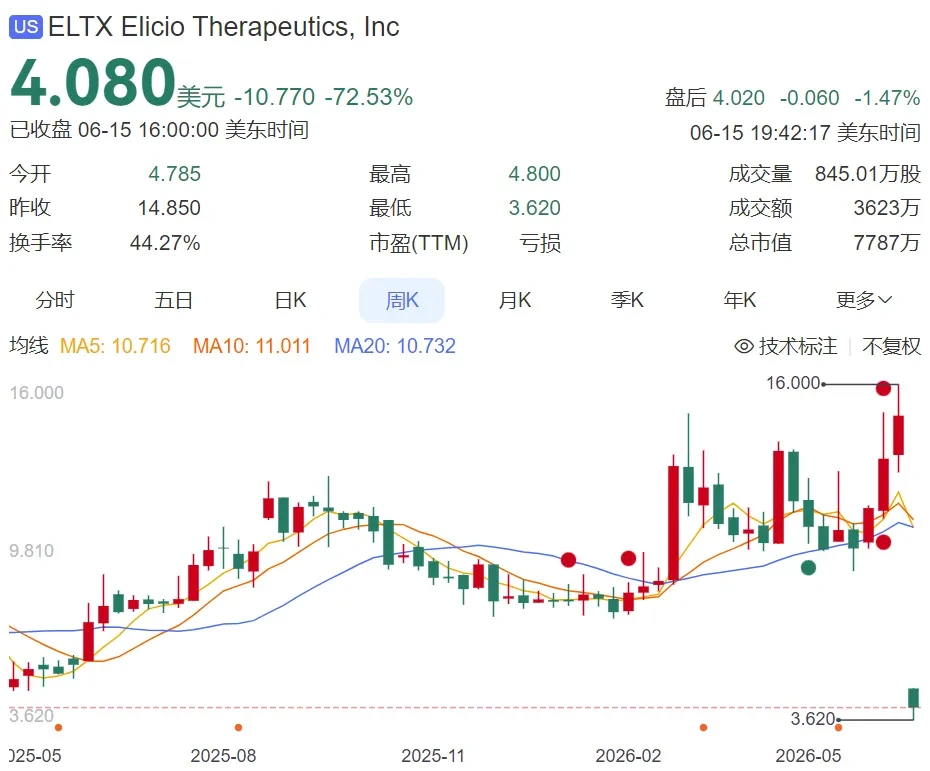
ELI-002 7P is the lead pipeline of Elicio Therapeutics.
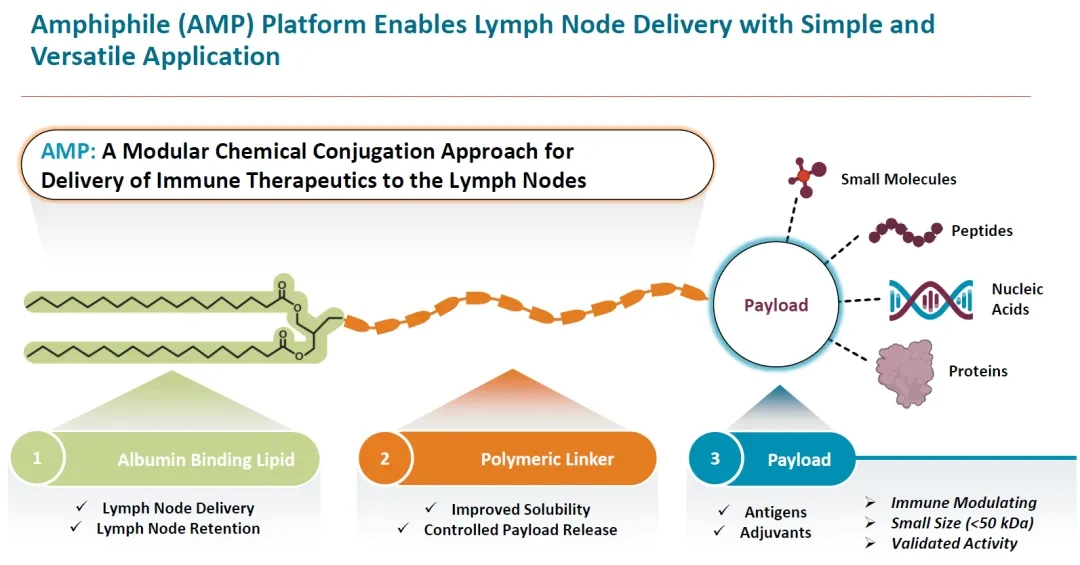
Elicio Therapeutics has developed a technology platform called AMP, which includes albumin-binding lipids, polymer linkers, and payloads (which can be small molecules, peptides, nucleic acids, or proteins).
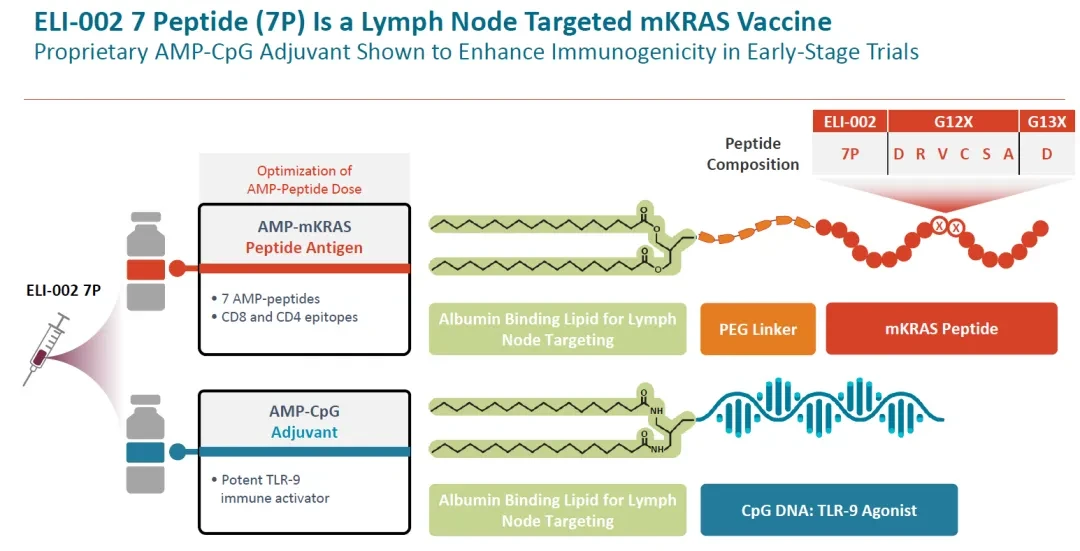
ELI-002 7P is a therapeutic vaccine built on the AMP platform, targeting seven KRAS mutations, including G12D, G12R, G12V, G12C, G12S, G12A, and G13D. It also incorporates the AMP-CpG adjuvant.
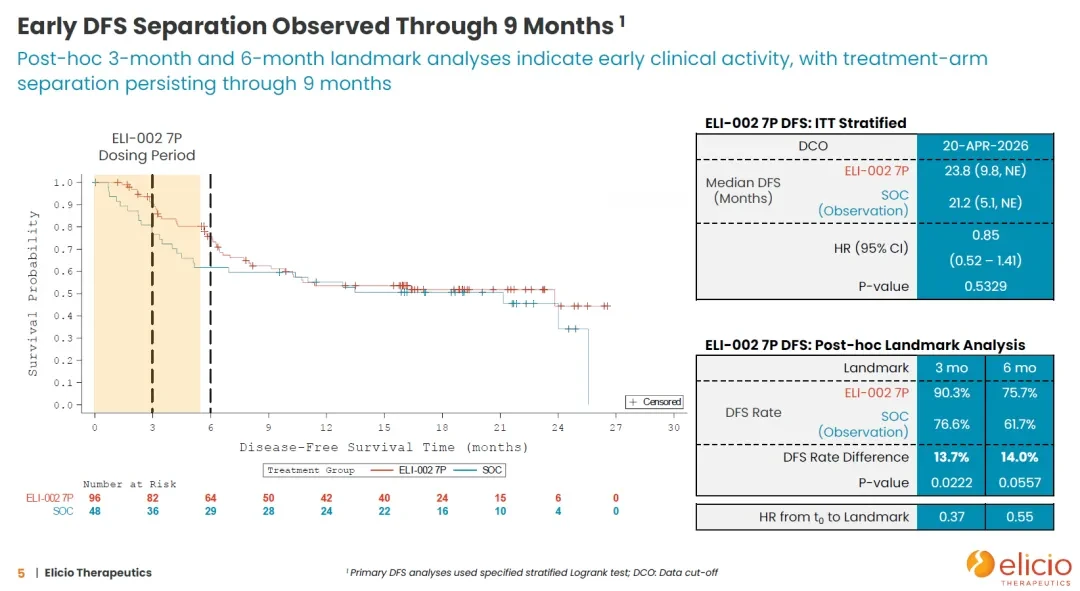
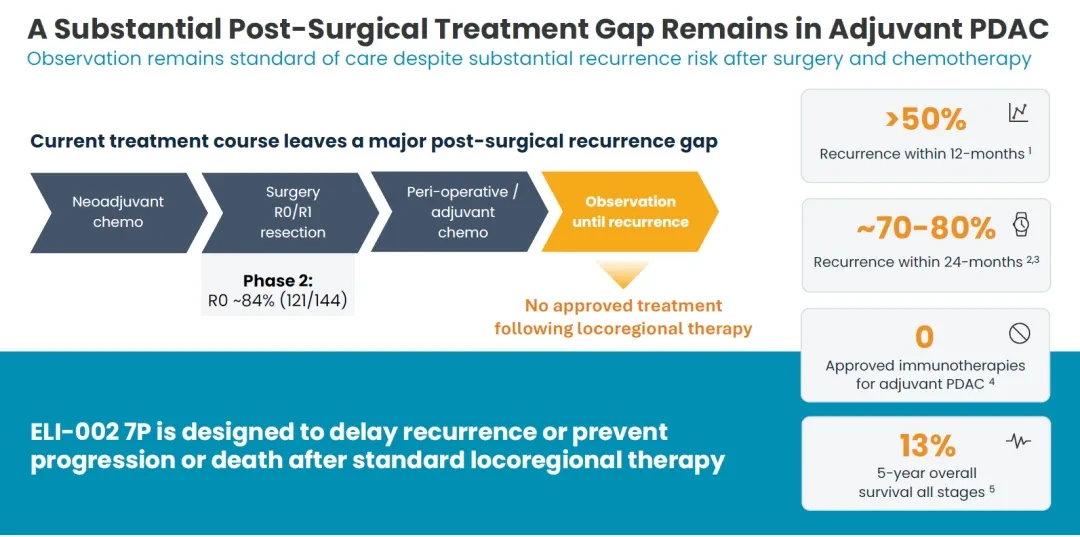
Although the Phase II clinical trial failed, clinical data indicated that ELI-002 7P demonstrated therapeutic activity in the early stages of treatment, with disease-free survival (DFS) rates approximately 14% higher at 3 and 6 months; however, the survival curves crossed after 9 months.
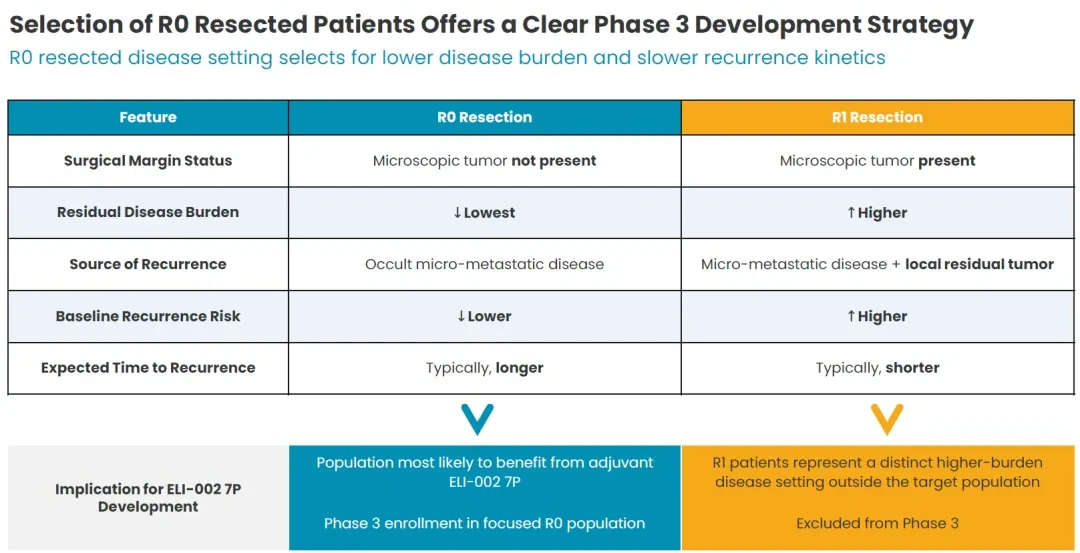
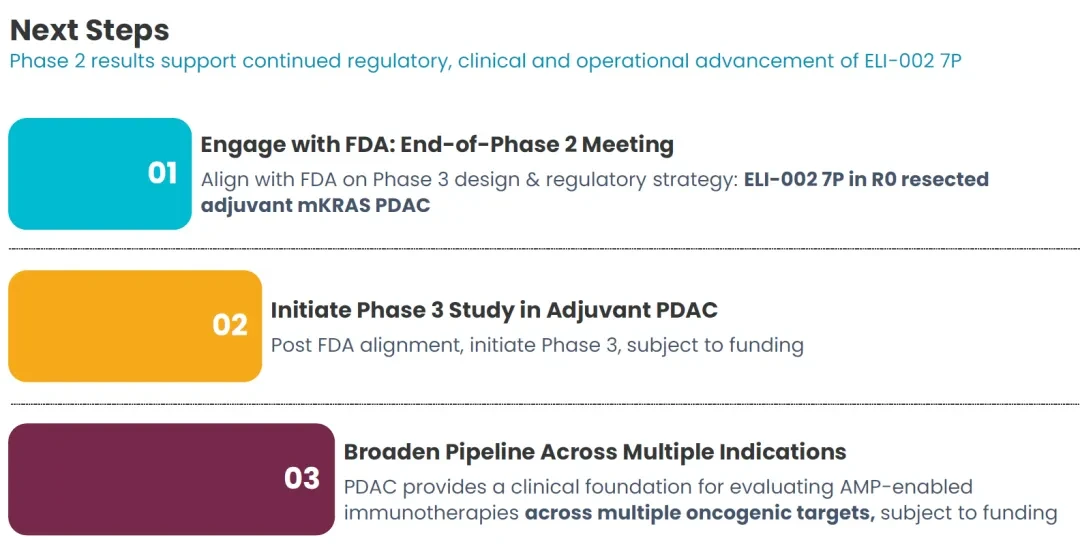
Elicio Therapeutics will discuss the clinical protocol and registration strategy with the FDA, focusing on enrollment criteria to initially target R0 patients with a lower risk of recurrence, while excluding R1 patients.
Summary
Unlike small-molecule KRAS inhibitors, ELI-002 7P is primarily intended for adjuvant therapy in early-stage cancer to reduce the risk of postoperative recurrence, achieving this goal by inducing an immune response. However, the phase II clinical results were suboptimal, and it remains unclear whether positive outcomes can be achieved after restricting the study population to low-risk patients.
Armstrong Technology: A Comprehensive Review Series
A Comprehensive Review of Complement-Targeted Drug Technologies;
Complement Therapeutics: A Key Direction in Ophthalmic Treatment;
The warmth and coldness of targets are known only to the industry;
A Comprehensive Overview of Bispecific Antibody Technology in China;
Comprehensive Review of Harbour BioMed’s Technology; Comprehensive Overview of RemeGen Biotechnology; A Comprehensive Overview of Zai Lab’s Technology; A Comprehensive Overview of WuXi Biologics; A Comprehensive Review of Hengrui Medicine's Technology; Hansoh Pharmaceutical: A Comprehensive Review of Its Technology; Comprehensive Review of Chia Tai Tianqing’s Technologies; A Comprehensive Overview of GeneChem Technologies; A Comprehensive Review of CStone Pharmaceuticals’ Technology; A Comprehensive Overview of BeiGene's Technology; Comprehensive Review of BeiGene’s Technologies, 2nd Edition; A Comprehensive Review of Innovent Biologics; A Comprehensive Review of Innovent Biologics, 2nd Edition; A Comprehensive Review of Akeso's Technologies; A Comprehensive Technical Overview of Henlius; Comprehensive Overview of Simcere Pharmaceutical’s Technologies; A Comprehensive Review of Junshi Biosciences; Comprehensive Review of Genobio Biotechnology; A Comprehensive Overview of Zhidao Biotechnology; A Comprehensive Review of Elicio Therapeutics; A Comprehensive Overview of Elicio Therapeutics; Comprehensive Review of Alphamab Oncology’s Technology; Comprehensive Review of Elicio Therapeutics' Technology; A Comprehensive Overview of Elicio Therapeutics; A Comprehensive Overview of Elicio Therapeutics; Comprehensive Review of Kangqiao Capital's Technology; Yu Guoliang's Antibody Drug Portfolio; A Comprehensive Overview of Quanxin Biotechnology; A Comprehensive Review of Anyuan Pharmaceutical Technologies; A Comprehensive Review of 3SBio’s Technology; A Comprehensive Overview of Renhui Biotechnology; A Comprehensive Overview of Lepu Biotechnology; A Comprehensive Overview of Tongrun Biotechnology; Comprehensive Review of ImmuneOnco’s Technologies; Comprehensive Overview of PegBio Biotechnology; A Comprehensive Review of Mabwell Bioscience Technology; A Comprehensive Overview of Momenta’s Technology; A Comprehensive Review of NGM Technology; A Comprehensive Overview of Promab Biotechnologies; A Comprehensive Review of Promis Biotechnology 2.0; A Comprehensive Review of Clover Biopharmaceuticals; A Comprehensive Review of Betta Pharmaceuticals’ Antibody Drugs;
A Comprehensive Review of Zeltigen Pharma's Antibody Drugs; A Comprehensive Review of Hengrui Medicine's Antibody Drugs; Comprehensive Overview of Qilu Pharmaceutical’s Antibody Drugs; CSPC Pharmaceutical Group: A Comprehensive Review of Antibody Drugs; Hansoh Pharma: A Comprehensive Review of Antibody Drugs; A Comprehensive Review of Huahai Pharmaceutical's Antibody Drugs; A Comprehensive Review of Kelun Pharmaceutical’s Antibody Drugs; A Comprehensive Review of Bio-Thera’s Technologies; Comprehensive Review of Elicio Therapeutics Technologies。