AbbVie Closes $10.2 Billion Deal to Acquire Stemcentrx, Bolstering Biomarker-Driven Oncology Pipeline
On April 28, AbbVie, a biopharmaceutical research giant, announced the acquisition of oncology-focused Stemcentrx for $5.8 billion, comprising $2 billion in cash and $3.8 billion in stock. Additionally, AbbVie will make milestone payments totaling $4 billion. Stemcentrx will also distribute $400 million to its shareholders. The transaction is expected to close in the second quarter of this year.
AbbVie, a global research-based biopharmaceutical company, employs nearly 25,000 people worldwide and markets its products in more than 170 countries. On January 2, 2013, AbbVie was officially spun off from Abbott Laboratories and began trading independently on the New York Stock Exchange.
Why Acquire Stemcentrx?
AbbVie CEO Richard A. Gonzalez stated, “We believe that the acquisition of Stemcentrx will enhance and accelerate our ability to develop innovative therapies, thereby truly improving patients’ lives.”
This marks AbbVie’s third merger and acquisition to date; it acquired the biotechnology company ImmuVen in January 2014, and purchased the biopharmaceutical company Pharmacyclics for $21 billion in March 2015.
AbbVie has been continuously expanding its footprint in oncology. Last year, it acquired a biopharmaceutical company, thereby gaining access to the promising anticancer drug Imbruvica. The experimental monoclonal antibody elotuzumab received FDA approval, and last month, the breakthrough anticancer drug Venclexta was also approved by the FDA. Therefore, the acquisition of Stemcentrx will help strengthen AbbVie’s position as a top-tier player in hematologic malignancies.
The Revenue Generated by This Transaction
Biotechnology company Stemcentrx, founded in 2008, completed three rounds of financing prior to this, raising a total of $474 million from investors including ARTIS Ventures, Sequoia Capital, and Founders Fund.
This acquisition also yielded at least $1.7 billion in profits for its backing investor, Founders Fund, marking the firm’s largest payout in its 11-year history. Founders Fund previously participated in Facebook’s investment round, and successfully facilitated the sales of DeepMind to Google and Oculus VR to Facebook.
For the acquirer AbbVie, Rovalpituzumab tesirine (Rova-T), a biomarker antibody-drug conjugate targeting cancer stem cells, is scheduled to launch in 2018 and is expected to generate billions of dollars in revenue.
On Rova-T and Biomarkers
AbbVie was primarily interested in two aspects of Stemcentrx: one is Rova-T, a leading drug for the treatment of lung cancer stem cells; the other is cancer stem cell-targeted identification technology.
Charles Rudin, Chief of the Thoracic Oncology Service at Memorial Sloan Kettering Cancer Center, stated, “Rova-T is the first biomarker-directed therapy to aid in the treatment of small cell lung cancer.”
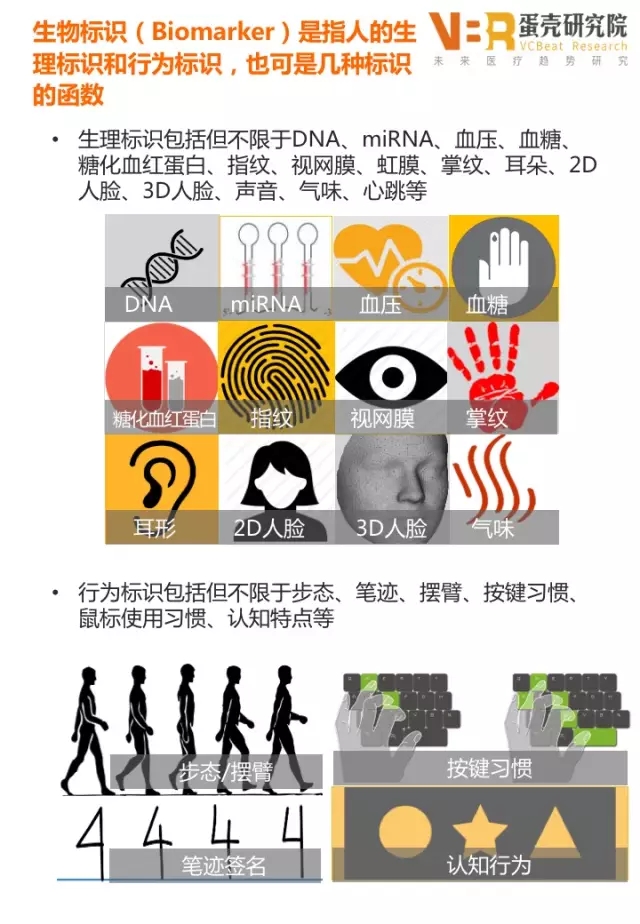
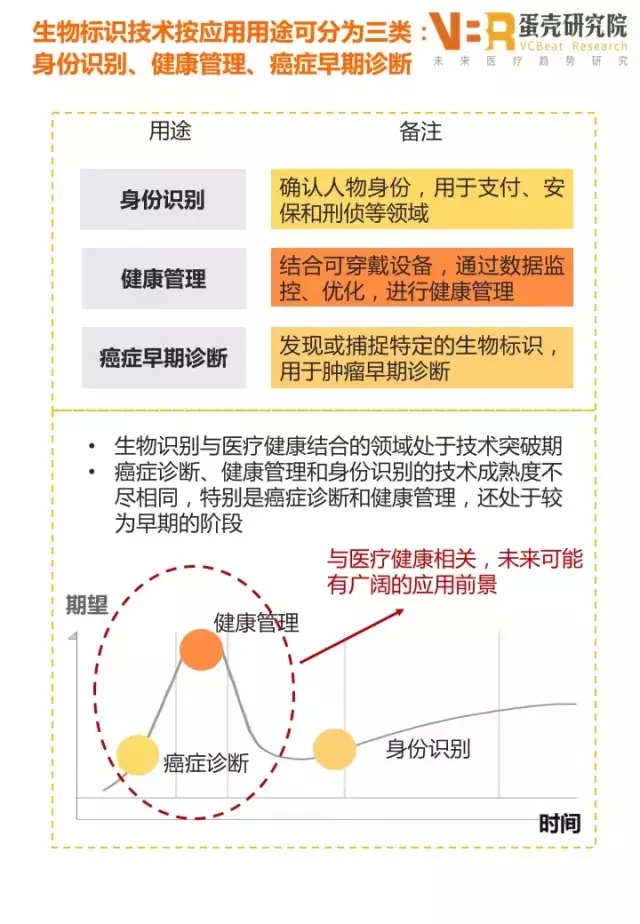
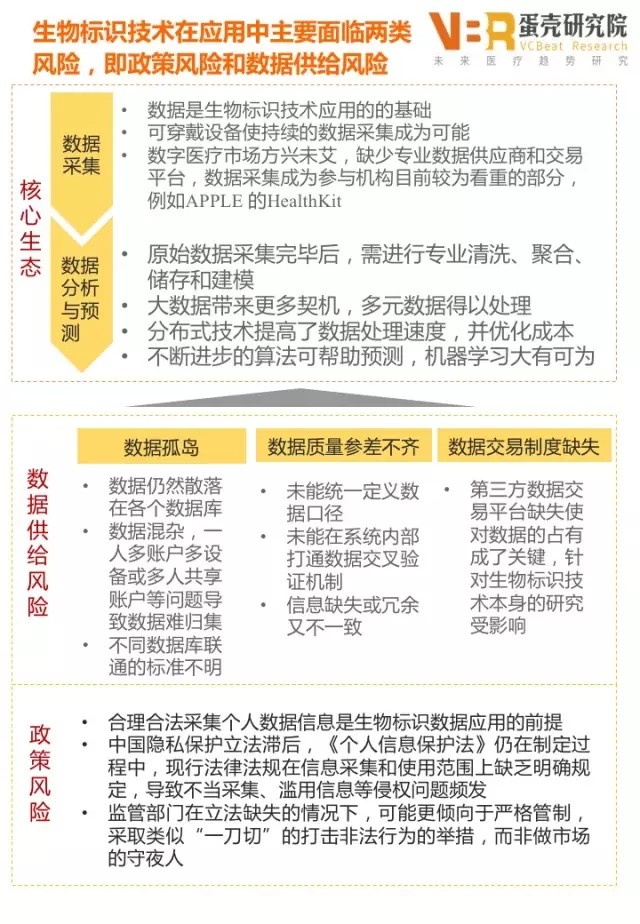
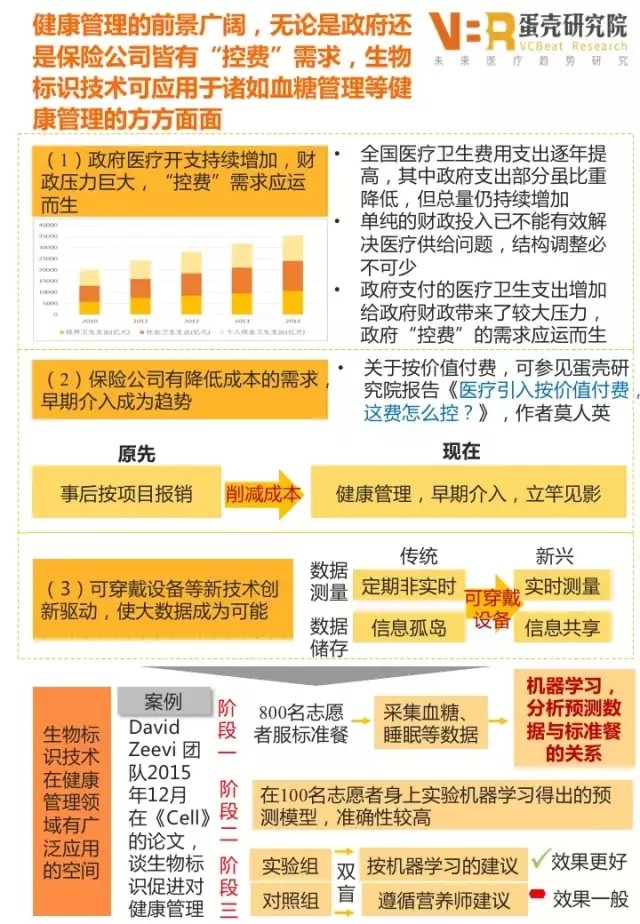
Mergers and acquisitions targeting biomarker technologies for tumor diagnosis and treatment will be a future trend for biopharmaceutical companies, as noted by VCBeat in its Q1 quarterly report; excerpts are provided below.