

Sinocare to Acquire PTS Diagnostics for Up to $200 Million, Expanding Global Chronic Disease POCT Portfolio

Sinocare
Rapid Detection of Chronic Disease: Product R&D, Production, and Sales
On May 2, Sinocare Inc. announced that it had entered into a definitive merger and acquisition agreement with PTS Diagnostics, a privately held company. Under the terms of the agreement, Sinocare will pay up to $200 million in cash to acquire PTS Diagnostics, including contingent earn-out payments of up to $90 million tied to the achievement of specified business revenue targets.
It is reported that PTS Diagnostics, founded in 1992 and headquartered in Indianapolis, Indiana, with a research and development facility in Sunnyvale, California, is a global leading provider of innovative point-of-care testing (POCT) diagnostic devices. The company is committed to delivering professional POCT diagnostic equipment to patients and healthcare institutions, enabling them to obtain the right information at the right time and make informed decisions.
The company’s flagship products include the CardioChek® series of lipid and glucose analysis and monitoring devices, as well as the A1CNow® series of glycated hemoglobin (HbA1c) monitors. Its marketing network spans 135 countries and regions worldwide.
The financial status of PTS Diagnostics over the past three years as disclosed in the announcement:
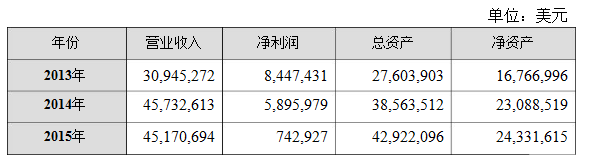
Following the completion of this acquisition, Sinocare will integrate the PTS Diagnostics product line, the Trividia product line, and its proprietary products to create a comprehensive portfolio for point-of-care testing (POCT) covering diabetes and various chronic diseases. This strategy aims to provide holistic products, services, and integrated chronic disease management solutions for hospitals, primary healthcare institutions, and individuals in China, particularly in the context of the implementation of the tiered diagnosis and treatment system.
Mr. Robert Huffstodt, Chairman and General Manager of PTS, stated: “PTS Diagnostics’ core product portfolio (lipid and HbA1c testing systems) will integrate seamlessly with Sinocare’s focused blood glucose monitoring products. The merged company will achieve unparalleled information sharing, which will help improve the diagnosis and monitoring of various chronic diseases. In the future, both parties will jointly focus on transforming business areas such as preventive medicine, biosensing, and connected testing data by providing individuals and healthcare professionals with rapid, easy-to-use, portable, and accurate medical devices and information management systems.”
Sinocare Introduction
Sinocare Inc. is a high-tech enterprise dedicated to the research, development, production, and sales of point-of-care testing products using biosensor technology. Since its establishment in 2002, the company has focused on the field of blood glucose meters and blood glucose management in China. On March 19, 2012, Sinocare raised RMB 580 million and was listed on the Shenzhen Stock Exchange, becoming the first blood glucose meter company in China to achieve a successful initial public offering.
Sinocare’s Lugu Industrial Base is located in the Changsha National High-Tech Industrial Development Zone, with a construction area of 66,000 square meters. Upon completion, the biosensor base will have an annual production capacity of 5 million blood glucose meters and 2 billion blood glucose test strips, making it the largest production base for blood glucose meters and test strips in Asia. In 2013, Phase I of the Lugu Biosensor Production Base was put into operation, marking Sinocare’s transformation from a “promoter of blood glucose meter adoption in China” to a “blood glucose meter expert.”
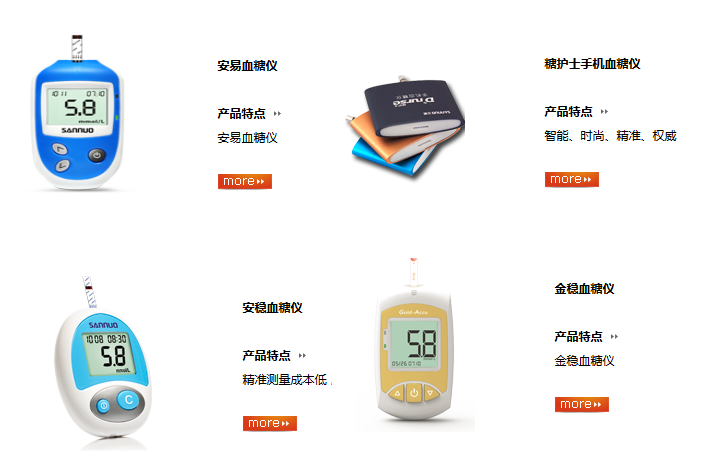
Based on differences in functionality and product tier, Sinocare’s product portfolio primarily comprises several major series: Jinwen, Anwen, Anzhun, and Anyi.
Sinocare’s M&A Journey
In the blood glucose monitoring instrument market, Roche, Johnson & Johnson, and Abbott collectively command nearly 70% of the market share, making it challenging for other companies to stand out from the shadows of these industry giants. In response, Sinocare has opted to boost its market share and acquire technology through mergers and acquisitions.
In early 2015, Bayer announced its intention to divest its blood glucose monitoring business. Sinocare seized this opportunity and, as early as March 2015, suspended trading of its shares to plan a series of major asset restructurings. However, the effort proved futile; in June 2015, Bayer sold its blood glucose monitoring business to Panasonic Healthcare Holdings for €1.022 billion. This failed acquisition resulted in nearly RMB 20 million in intermediary fees for Sinocare. Although the endeavor ultimately came to naught, it served as a valuable learning experience, laying the groundwork for future mergers and acquisitions.
The failure of Bayer’s blood glucose business acquisition did not shake Sinocare’s resolve to develop its overseas market. Thus, in January 2016, Sinocare announced the full acquisition of Nipro Diagnostics, Inc. in the United States for $272.5 million. This successful overseas merger and acquisition propelled Sinocare to become the sixth-largest blood glucose meter company globally, officially entering the ranks of leading global blood glucose meter manufacturers.
Strategic Significance of Mergers and Acquisitions
The successful acquisitions of Nipro Diagnostics and PTS Diagnostics in the United States hold significant importance for Sinocare in both domestic and international markets:
By leveraging the sales networks of both companies across more than 100 countries and regions worldwide, we will significantly expand our market reach and population coverage, thereby realizing our global development strategy and establishing a new paradigm for our company’s globalization.
By leveraging Nipro Diagnostics’ and PTS Diagnostics’ R&D strengths in blood glucose monitoring systems, combined with the cost advantages of manufacturing in China and sales advantages in the Chinese market, we aim to achieve resource sharing and complementary strengths between domestic and international operations, thereby rapidly securing a significant position in the global market.
Acquiring cutting-edge technologies through mergers and acquisitions can accelerate the development of new products, thereby further strengthening the company's core competitiveness.
VCBeat Analysis
In China’s POCT diagnostics market, Roche, Johnson & Johnson, and Abbott continue to hold the majority of market share; however, this does not mean that other companies have no opportunities. As the saying goes, an early lead is not a true victory—sustained success is what truly matters. The aging population trend and the rise of comprehensive healthcare have created vast growth potential for this market, and amid its evolving and uncertain landscape, nothing is yet set in stone. What tests each company is its ability to rapidly secure territory and gain first-mover advantage in the expanding market, as well as to integrate and expand beyond mere hardware manufacturing and sales into broader healthcare and chronic disease management sectors. Whether through mergers and acquisitions or brand and channel development, only those who endure will ultimately prevail.
Winner.