Application of Artificial Intelligence in Healthcare (Part III): Drug Discovery
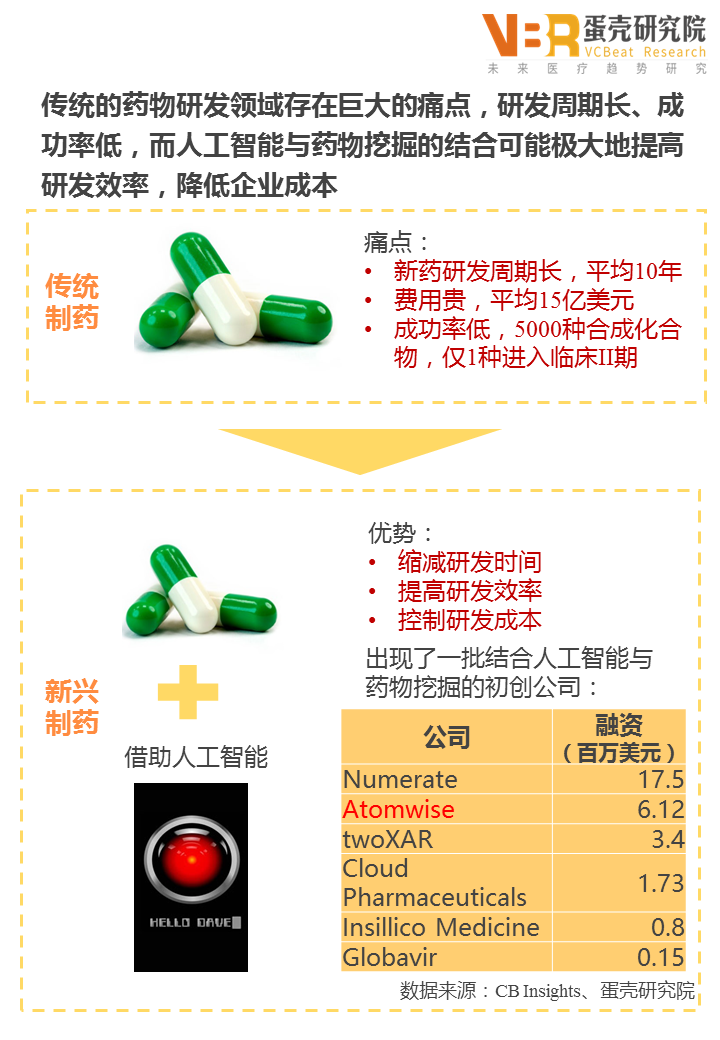
The traditional drug development sector faces significant pain points. First, the R&D cycle is lengthy, with new drug development taking an average of approximately 10 years. Second, costs are exorbitant, with the development cost for each new drug reaching around $1.5 billion. Third, the success rate is low; among roughly 5,000 synthesized compounds, only one advances to Phase II clinical trials.
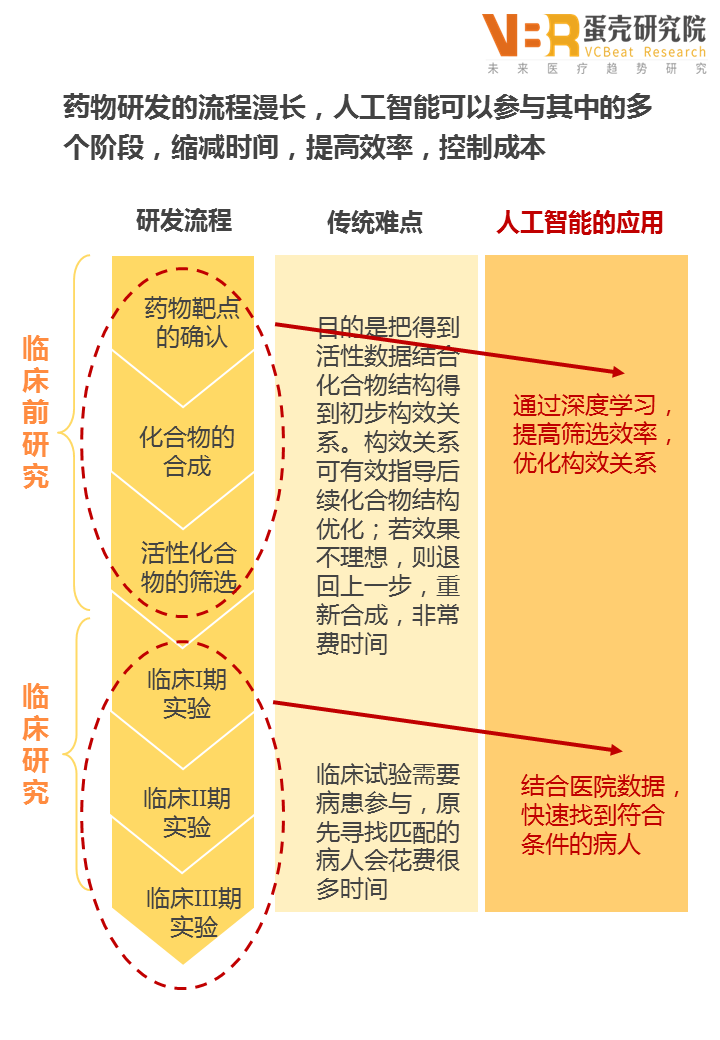
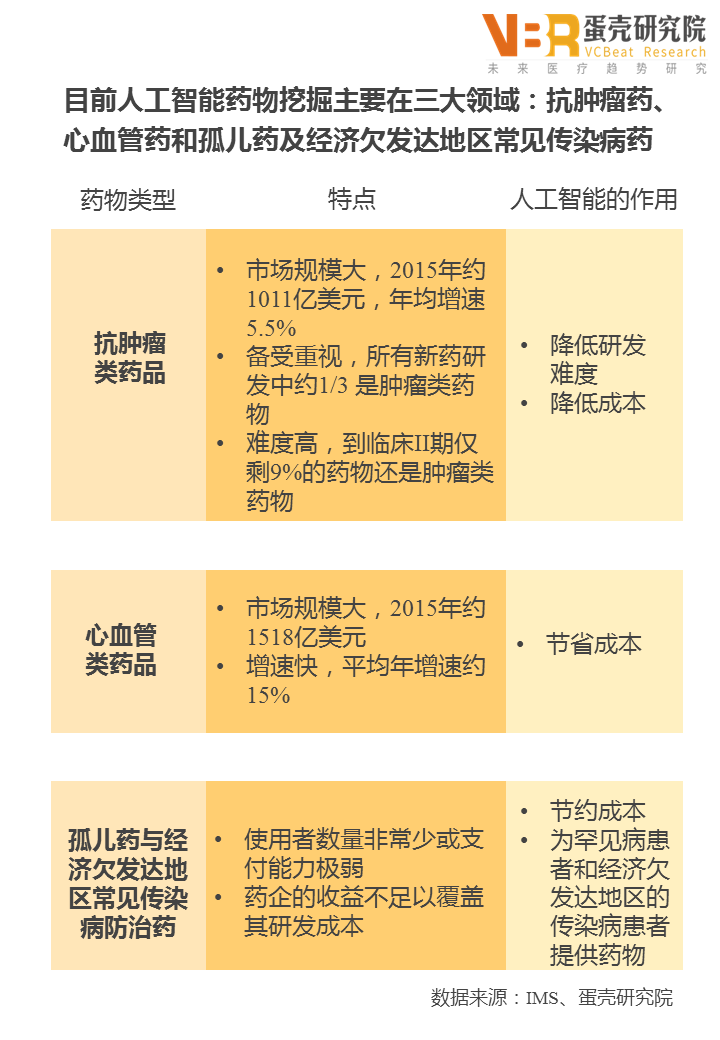
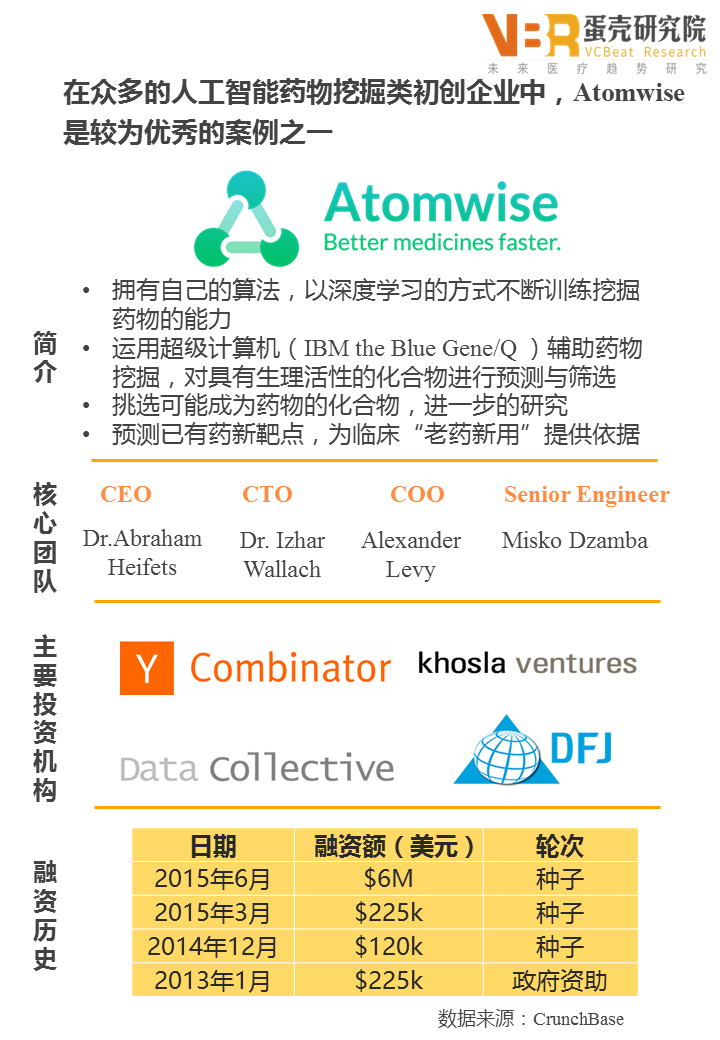
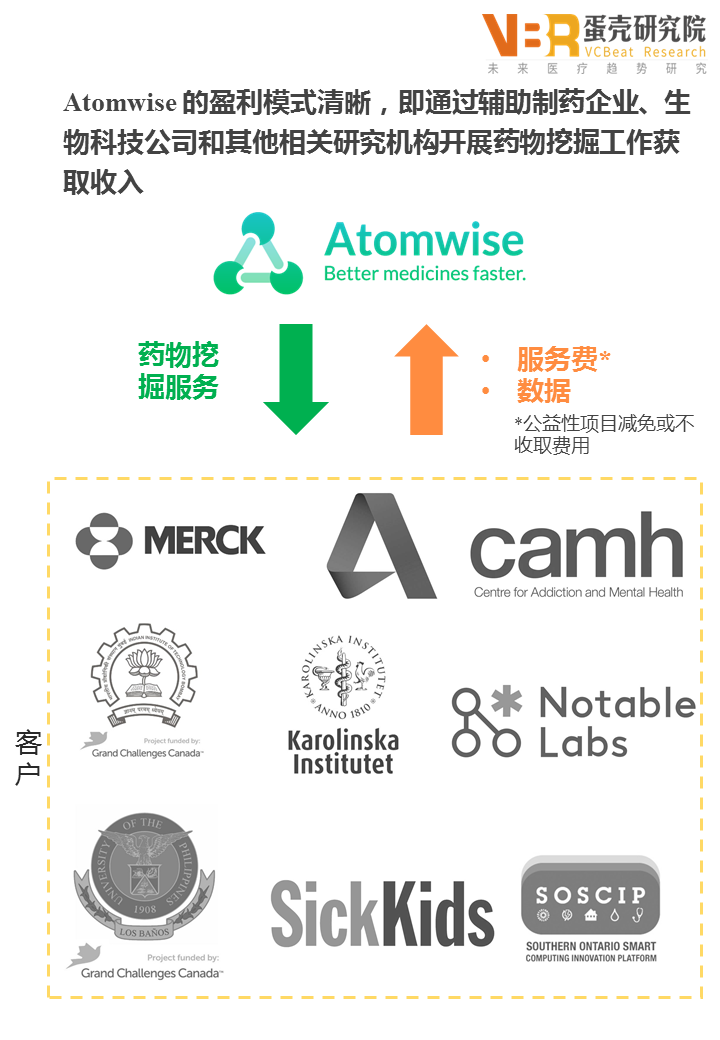
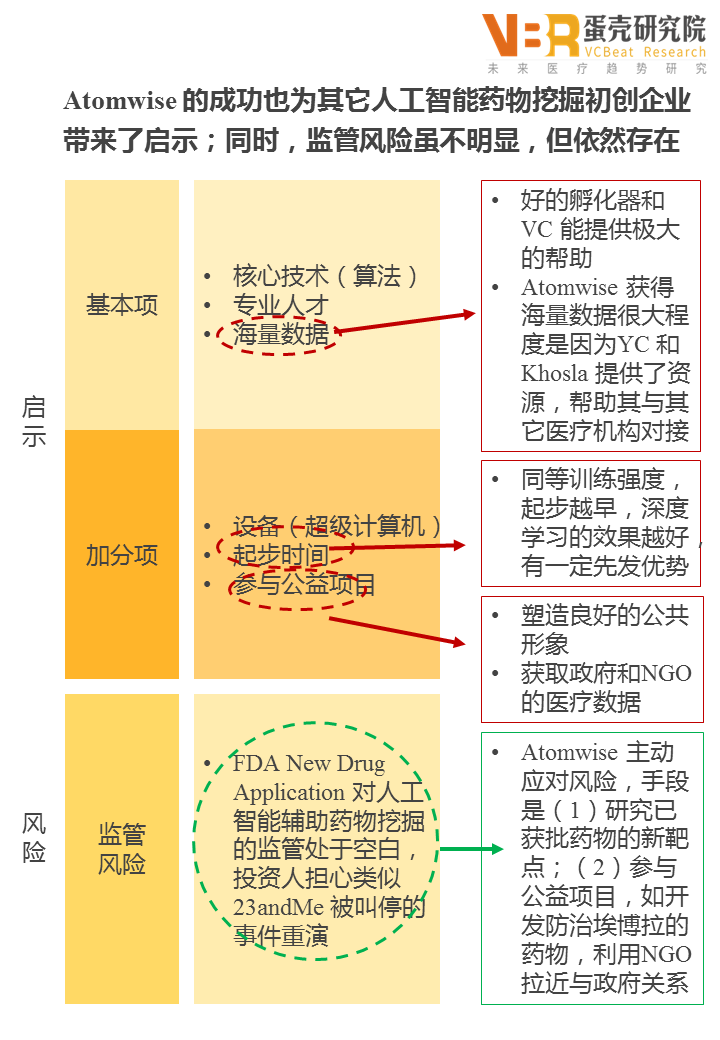
The integration of artificial intelligence with drug discovery has the potential to significantly enhance R&D efficiency and reduce corporate costs. In North America, several technologically advanced startups have emerged, leveraging deep learning to collaborate with traditional pharmaceutical companies such as Merck and medical research institutions. These collaborations have achieved notable breakthroughs in multiple areas, including cardiovascular drugs, anti-tumor agents, orphan drugs, and treatments for infectious diseases prevalent in underdeveloped regions (such as Ebola). Consequently, these startups have attracted interest from prominent incubators and venture capital firms, including Y Combinator, Khosla Ventures, and Data Collective.
VCBeat’s Eggshell Institute has long focused on the integration of artificial intelligence and healthcare, and with the launch of “Applications of Artificial Intelligence in Healthcare (Part I): Virtual Nurse Assistants》《Applications of Artificial Intelligence in Healthcare (II): Medical ImagingFollowing the previous installments, this issue continues with the third article in the series: “Applications of Artificial Intelligence in Healthcare (III): Drug Discovery.” We welcome readers to engage in discussions with us, and we also invite relevant startups and investment institutions to contact us for potential collaborations.