

Opportunities in the Surge of Physician Asset Securitization: The Rise of Medical Groups
This March,CITIC Securities released the report “Special Report on Physician Groups: The Inevitable Path to Optimizing the Allocation of China’s Physician Resources Amid Healthcare Reform” (Parts I and II), which provides a comprehensive and detailed analysis of the background, conceptual characteristics, business models, representative cases, and investment strategies related to physician groups.It is proposed that “the current focus of healthcare reform lies in improving the allocation efficiency of medical resources; the core of enhancing such efficiency rests on the optimized allocation of physician resources; and the inevitable path to achieving independent practice and optimal resource allocation is through physician groups.”Recently, CITIC Securities released a new report on physician groups—“Second Special Report on Physician Groups in the Pharmaceutical Industry: Opportunities for Physician Groups Amidst the Wave of Physician Asset Securitization. VCBeat has summarized the following key points.
This report presents several core viewpoints:
1. Physician resources are the most core element and variable in the evolution of future healthcare service models. The central focus of capital investment in healthcare services lies with physicians. Physicians’ own demands and the opening up of independent practice will accelerate the integration of capital and physicians, while the securitization of physician assets will become a major future trend. In this process, physician groups are expected to absorb physician resources released from public hospitals and serve as platforms for the securitization of physician assets.
2. As entities with multi-channel financing capabilities and the optimal vehicles for securitization, listed companies can and will inevitably participate deeply in the wave of physician asset securitization. By establishing physician group structures with clear hierarchies, rational division of labor, and enhanced efficiency, they can secure physicians—the most scarce factor of medical resources—thereby forming core barriers to their strategic layout in the healthcare services sector.
3. The diversity and scalability of physician group models provide listed companies with ample room for capital operations. Based on industry resources, layout models, and actual progress, we are more optimistic about healthcare service enterprises that have established a systematic framework for physician practice, as well as pharmaceutical manufacturers with resources in prescription drugs for major disease areas, as they strategically enter the physician group sector and deeply participate in the securitization of physician assets.We believe that in major disease specialties amenable to deep vertical integration—such as oncology, orthopedics, cardiovascular and cerebrovascular diseases, and psychiatry—physician independent practice, leading to asset securitization and the formation of physician groups, holds greater value and development potential.
4. Potential Risks of Physician Groups:Payer-side performance, including commercial insurance, fell short of expectations, while management efficiency declined following the expansion of physician groups.
Doctors are the only core element in the healthcare service system that has yet to embrace capital.
From the perspective of the total volume of the healthcare resource system, physician resources are the core of medical practice and resource allocation. Physician resources are characterized by their difficulty to be simply replicated, long cultivation cycles, and scarcity of high-quality talent:
1) Physician resources are not easily replicable: Clinical diagnosis and treatment involve varying degrees of case-specificity and complexity, with many processes resisting standardization and uniformity. Consequently, unlike rehabilitation therapists, physical therapists, and nursing staff, physicians cannot be rapidly trained and scaled within a short timeframe.
2) The training cycle for physicians is relatively long: Excellent physicians need to develop reasonable and cost-effective treatment plans for different types of patients, which requires the accumulation and practice of a large number of clinical cases over an extended period.
3) Scarcity of High-Quality Resources: The total number of practicing physicians in China is less than 3 million. However, the proportion of doctors with excellent clinical diagnostic and treatment capabilities and extensive experience within their specialties remains low. Moreover, the growth rate of the physician workforce has been consistently sluggish, lagging far behind the increases in hospital admissions, surgical procedures, and outpatient visits.
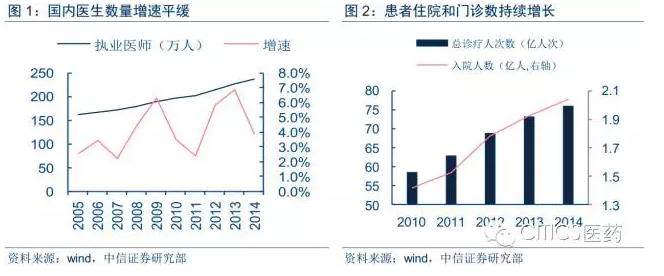
From a longitudinal perspective, In past healthcare reforms, multiple pilot policies were implemented, including reforms of public hospitals in key cities and county-level hospitals; however, none achieved the expected effectiveness or sustainability. We believe that the root cause lies in the insufficient recognition of physicians’ pivotal role as a core factor within the healthcare service system. Only by placing physicians at the center of reform efforts can we truly achieve optimal allocation of medical resources.
Meanwhile, we analyzed the professional status of physicians in overseas markets. In markets such as the United States, most physicians practice independently and enjoy the freedom to choose among different practice settings. This rational, market-driven mobility of physicians facilitates optimal resource allocation. Furthermore, once the physician workforce is properly structured, both the hospital sector and the payment systems are correspondingly streamlined.
 From a horizontal perspective, as the elements of pharmaceuticals, medical devices, hospitals, and payment undergo gradual evolution, their scarcity and criticality within the healthcare service system are progressively diminishing:
1) On the pharmaceutical product side, with the implementation of consistency evaluations and reforms to the bidding system, the market will gradually move towards de-branding of generic drugs and increased industry concentration. In the future, pharmaceutical products, particularly certain non-essential adjuvant medications, will face significant pressure from medical insurance cost-containment measures. Apart from innovative drugs, conventional medicines have reverted to their original essence, no longer serving as the primary vehicles for physician interests or the main tools for clinical treatment as they did in the past.
2) Medical devices have gradually begun to move toward provincial-level centralized tendering, with high-value consumables already subject to such procurement in multiple regions. In the future, as domestic manufacturers enhance their independent R&D capabilities, the scarcity of most medical devices will decline, with the exception of a few high-end equipment categories.
3) The approval thresholds for private hospital licenses and applications for medical insurance accreditation have been significantly lowered. Policies have consistently encouraged social capital to invest in healthcare, making models such as the divestiture of public hospitals or their entrustment to private operators increasingly common. Consequently, the difficulty of acquiring hospital assets has decreased markedly.
Therefore, as a core element of the healthcare industry chain, the status of physician resources within the overall ecosystem is expected to gradually rise in the future.
Hospital Assets Have Embraced Capital; Physician Resources Will Inevitably Be Gradually Securitized
Hospital assets were a key theme in the healthcare services sector between 2013 and 2015, with many listed companies and firms from non-pharmaceutical industries transforming their businesses by acquiring, expanding, or building new hospitals. Examples include Xinbang Pharmaceutical, Fosun Pharma, Jinling Pharmaceutical, Huaye Capital, Aoyang Technology, Qianzu Pearl, and International Medicine.
We believe that, driven by national policies encouraging private capital to invest in healthcare, listed companies seeking to expand their medical service layouts and boost market capitalization, and the need for ample funding to support hospital investments, hospital assets have fully embarked on and achieved a certain degree of asset securitization, attracting deep participation from various types of capital:
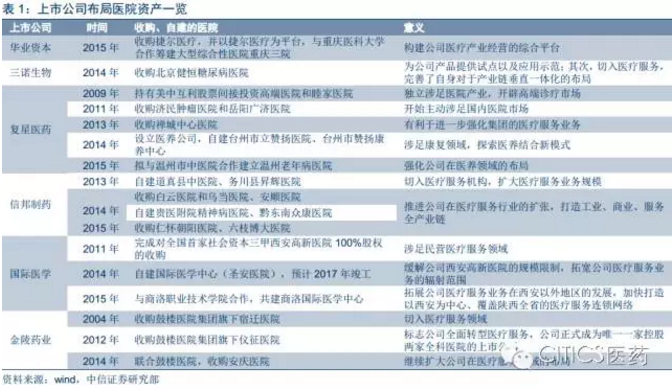
Currently, the vast majority of physicians in China continue to practice within the public hospital system, with income derived from salaries, bonuses, and other sources. As a high-quality, scarce professional technical human resource, the medical profession has not yet seen direct capital participation. Capital typically acquires physician resources indirectly by purchasing or establishing new hospitals, rather than treating physicians as independent, valuable healthcare assets with established investment frameworks.
Only through the gradual securitization of physicians’ assets can their income structure be transformed, aligning with the goals of enabling independent practice, increasing income and standing within the industry chain, and better serving patients.
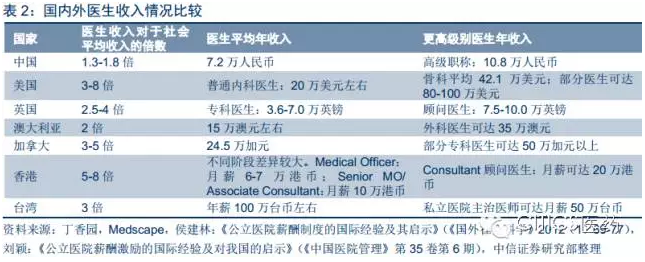
1) Under strict anti-commercial bribery regulations and stringent controls on the proportion of pharmaceutical expenditures in hospitals, physicians’ incomes have been directly impacted. Meanwhile, as medical service prices in public hospitals are unlikely to be fully deregulated, it remains difficult to achieve a substantial increase in physicians’ income.
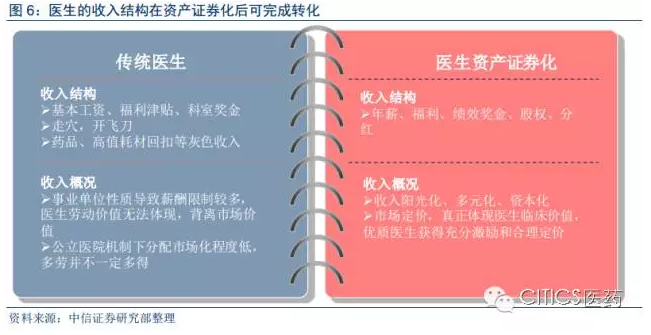
Through the securitization of doctors’ professional assets, their income structure can undergo a significant transformation, shifting from a previous reliance on a single source—namely, institutional salaries and bonuses, along with some informal income—to a market-oriented, transparent model featuring capitalized returns such as annual salaries, equity stakes, and dividends.
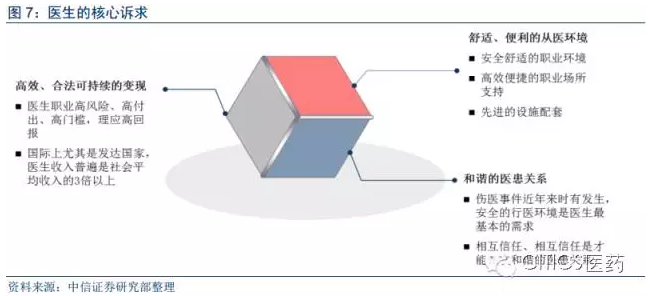
2) Physicians naturally desire a safe, comfortable, efficient, and convenient platform for medical practice. This goal can only be achieved by liberalizing independent practice and granting physicians the right to freely choose their practice models. However, building diverse types of practice platforms requires deep capital involvement, and the integration of physicians with these platforms will inevitably entail a process of asset securitization:
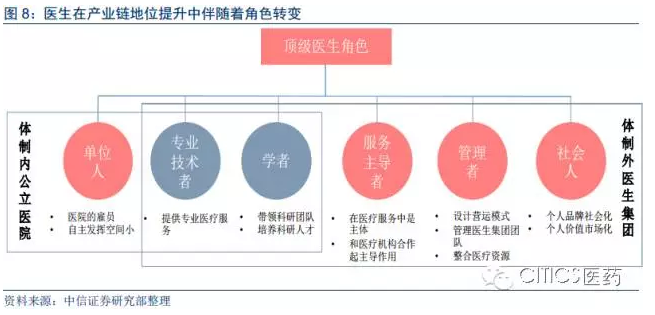
3) Independent practice will inevitably lead to a transformation in the role of physicians and raise pricing issues. The optimal model is to assign reasonable valuations through market-based mechanisms, and enthusiasm among physicians for participating in capitalization models continues to grow:
4) One of the core objectives for regulators in formulating healthcare reform policies is to achieve a more efficient allocation of physician resources. Drawing on healthcare systems in overseas markets, as independent medical practice reaches a certain level and scale in the future, it will inevitably face challenges such as negotiations with commercial insurance payers and platform expansion. Capital participation will help marketize and accelerate this process:
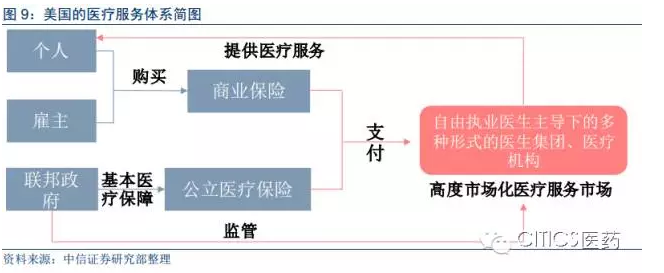
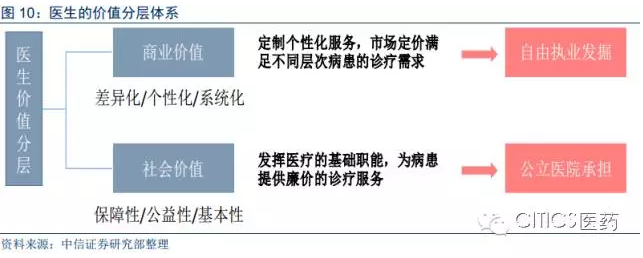
5) The value of physicians should be divided into two components: commercial value and social value. As the marketization of medical services advances, the public healthcare system will increasingly assume social responsibilities characterized by security, public welfare, and basic care, while differentiated, personalized, and systematic medical services will be priced by the market. With the evolution of this process, physician value will be determined more by market mechanisms, inevitably leading to deep capital involvement:
Therefore, we believe that doctors, as resources whose status is gradually rising within the medical services industry chain, will inevitably move toward asset securitization and deepen their integration with capital, thereby accelerating processes such as independent practice and market-oriented reforms.
Securitizing physician resources through physician groups will be the main trend in the future.
1. The Securitization of Physician Assets Is the Greatest Opportunity in the Healthcare Service System
As mentioned above, physician resources represent the last asset class in the healthcare service system that has not yet been truly securitized. We believe that as the share of medical services within the pharmaceutical and healthcare system continues to rise, the securitization of physician assets will become the most significant investment opportunity in the future healthcare service landscape.
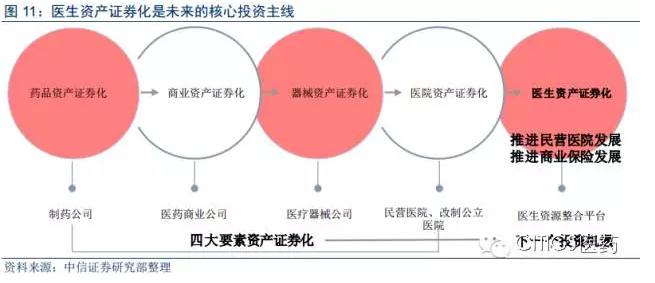
Following the rapid development of China’s pharmaceutical industry and capital markets, pharmaceutical manufacturing, pharmaceutical distribution, medical devices, and hospital assets have all achieved a high degree of securitization, giving rise to diverse models of capital participation. With these four key sectors now deeply integrated with capital, physician resources, as the core element of healthcare services, will become the central focus in the future.
In this process, a significant challenge we must address is how to value physicians. Building on the accumulation of pharmaceutical research over the past decade, clear and mature valuation systems have been established for pharmaceutical industrial assets, healthcare service assets, and pharmaceutical commercial operations. Herein, we attempt to propose a preliminary valuation framework for physicians:
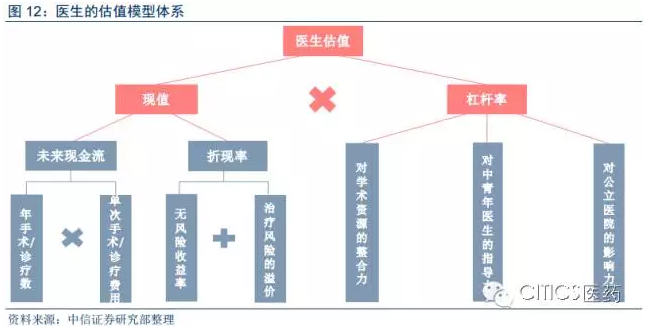
We believe that the valuation of physicians should be divided into two layers: the cash flow value at the base layer and the amplification effect at the leverage layer.
Part I: Cash Flow Value at the Foundation Layer (Here, “cash flow” is not a financial term in the strict sense, but rather an estimate of the value generated by physicians’ clinical practice activities):
1) A physician’s annual treatment revenue can be derived from their annual capacity for outpatient consultations and surgeries, combined with the fees charged per procedure or consultation. After deducting necessary equipment depreciation, treatment, and operational costs, the corresponding operating profit can be estimated.
2) In addition to using the risk-free rate as the discount rate, we believe that a premium for treatment risk should also be included. For independent practitioners who will interface with commercial health insurance in the future, the risk premium is a factor that must be taken into account.
3) Meanwhile, considering that physicians’ consultation and treatment fees will gradually increase with years of practice and accumulated experience before stabilizing at a mature stage after a certain period, the corresponding income growth rate should also be taken into account.
Part II: The Amplification Effect of the Leverage Layer:
1) With the advent of physicians’ independent practice and asset securitization, there is a fundamental need to unleash greater and more comprehensive clinical value. Therefore, high-caliber physicians must not only generate cash flow through their own services but also create a multiplier effect by leveraging medical resources and mentoring early- and mid-career physicians.
2) Leverage depends on the ability to integrate academic resources within the specialty, mentor early- and mid-career physicians, and influence resources in public hospitals.
3) The higher the seniority of physicians, the more significant the value proportion of their leverage layer becomes.
This is consistent with our assertion that physician groups should leverage high-quality physician resources, meaning that the valuation of physicians should include both base value and leverage ratio.
2. Physician Groups Are the Optimal Model for the Securitization of Physicians’ Assets
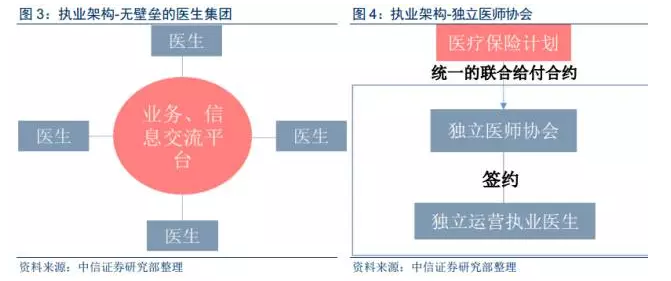
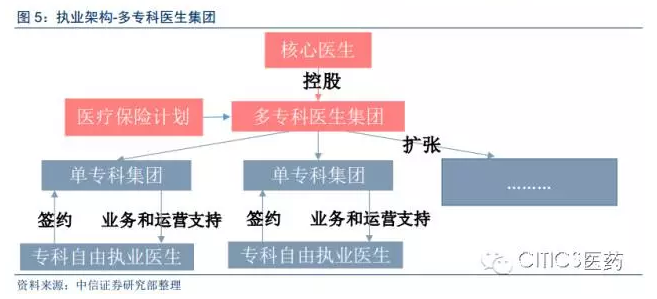
In our inaugural report on physician groups, we discussed the inevitable role these entities play in facilitating physicians’ transition from public hospital systems to independent practice. Leveraging the diversity and scalability of the physician group model, we can effectively aggregate and integrate medical talent, thereby achieving optimized allocation of physician resources.
From the perspective of physician asset securitization, physician groups can provide advantages across four dimensions:
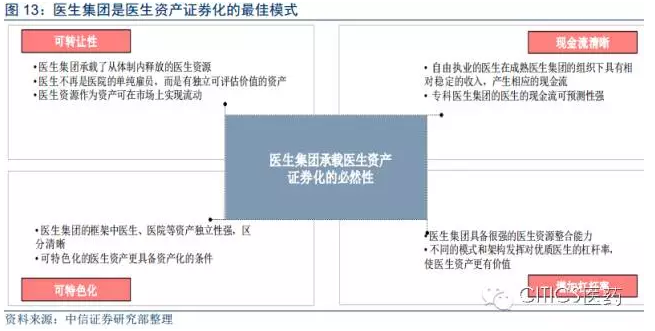
1) Transferability of physician resources: By establishing or participating in physician groups, fragmented physician resources can be integrated into structured physician organizations, thereby transforming physicians from mere employees of public hospitals into mobile medical professionals with the capacity for independent practice.
2) Customization of Physician Practice Models: By establishing physician groups of various types, medical resources across different levels, specialties, and regions can be optimally integrated. This enables the provision of targeted solutions for specific pain points associated with particular diseases, thereby achieving specialized utilization of physician resources.
3) Clear cash flow: By delivering medical services through models such as Physician Hospital Partnerships (PHP), self-built surgical centers, online consultations, and departmental collaborations, physician groups can clearly define their revenue-generating capacity per unit of time. Coupled with factors such as their ability to expand the number of physicians, this allows for a relatively clear projection of their revenue levels.
4) Increasing leverage: High-quality physician resources are scarce and cannot be replicated in the short term. However, by leveraging these top-tier physicians—increasing their leverage ratio, minimizing or eliminating their time spent on redundant operational tasks, enhancing their academic leadership and mentorship for early- and mid-career physicians, and better integrating high-quality resources through their academic assets and influence—we can effectively and reasonably apply leverage to high-quality physicians.
We believe that leveraging the capabilities of high-quality physicians is a core issue for physician groups and healthcare reform as a whole. The existing stock of high-quality physician resources is limited, and cultivating new talent requires a long cycle. Amidst the current sustained rapid growth in healthcare demand and the public’s urgent need for high-quality, reliable medical services, maximizing the value of high-quality physicians, or “leading physicians,” is a critical lever that must be prioritized.
Currently, forward-looking listed companies such as Yibai Pharmaceutical have begun to recognize the value of physician resources. Yibai has implemented the following strategic initiatives:
1) Establish oncologist specialty groups in various provinces and cities to attract high-quality physicians from across the country;
2) Establish a Tumor Medical Technology Research Institute in collaboration with the China Medical Promotion Association to serve as an R&D and training base for tumor diagnosis and treatment technologies;
3) After securing access to high-quality physician resources across various regions, these can be monetized through offline channels such as oncology hospitals, radiotherapy/chemotherapy centers, and diagnostic/imaging facilities.
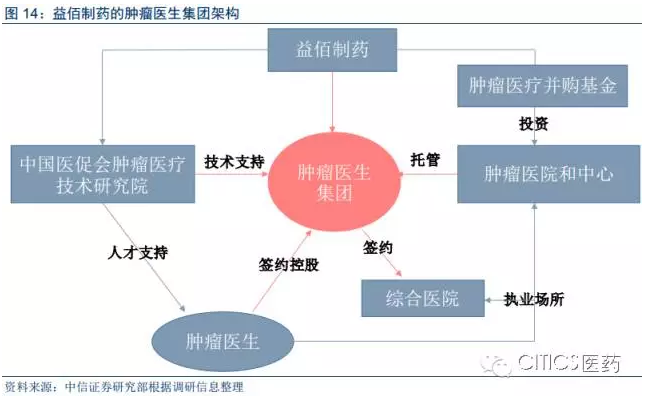
We believe that Yibai Pharmaceutical’s model of establishing specialist physician groups is highly representative. As a pioneer among A-share listed companies in transitioning toward the securitization of physician assets, the company is poised to build a dual platform for physician practice and traffic monetization by optimizing the allocation of oncologist resources and developing offline infrastructure.
Listed Companies Hold Great Promise in the Securitization of Physician Assets
1. The securitization of physician assets must move to the secondary market for valuation
In the long run, the securitization of physician assets is an inevitable choice for integrating physician resources with capital and achieving efficient allocation. In the current market environment, various types of capital are investing in healthcare services and even new models such as physician groups. We believe that the optimal model for physician asset securitization is the physician group. The development and growth of physician groups are a necessary prerequisite for continuously accommodating physician asset securitization and meeting physicians’ demands for independent practice. The development of physician groups requires support in two key areas: funding and essential factors.
1) Capital Requirements: If a physician group remains at the level of a “partnership enterprise” or a “small-scale workshop,” it does not have a strong demand for capital. Physicians with clinical value will enjoy sustained and growing income as their professional technical expertise improves and medical service pricing increases.
However, as physician groups seek further expansion—such as establishing physical medical institutions, replicating and incubating additional subsidiary groups, and expanding into more clinical departments—corresponding funding needs inevitably arise.
2) Factor Requirements: The development of physician groups requires multifaceted resource support from payers, operational levels, and hospitals. The resource endowments accumulated by listed companies in their long-standing core pharmaceutical businesses will serve as the optimal medium.
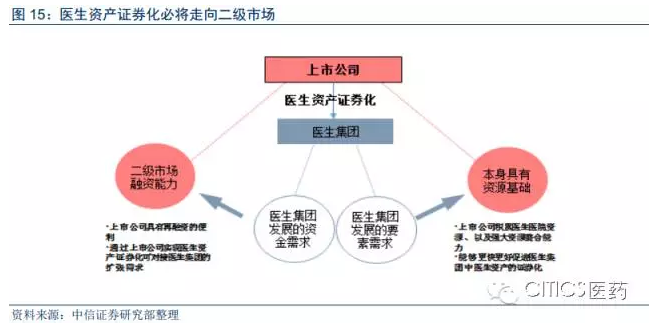
Meanwhile, the securitization of physician assets ultimately requires secondary markets to achieve pricing and liquidity, where listed companies are poised to play a significant role in this process.
2. By establishing physician groups with diverse operational models, listed companies will lead the securitization of physician assets.
In the “Special Report on Physician Groups: The Inevitable Path to Optimizing the Allocation of Physician Resources,” we conducted a detailed analysis of how different types of listed pharmaceutical and healthcare companies are strategically positioning themselves in the physician group sector through various approaches, and we hypothesized about the models best suited to each.
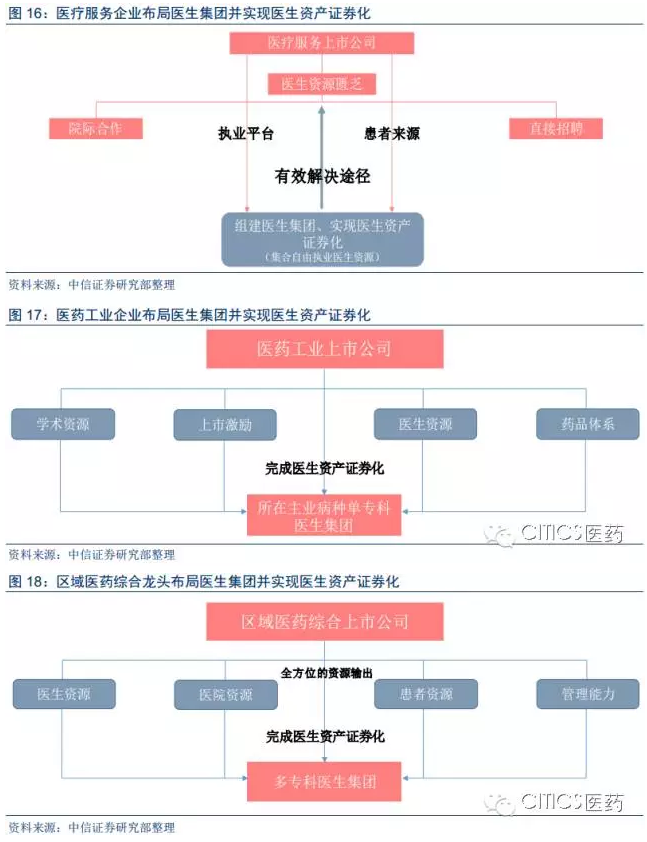
We believe that listed companies of different types are poised to strategically deploy physician groups through models tailored to their respective resource bases, thereby achieving the securitization of single-specialty or multi-specialty physician assets within a region. This approach will enable the construction of a more efficient and monetizable organizational structure for physician resources, ultimately delivering high-quality and efficient medical services.
Source: WeChat account “CITICS Medicine,” reproduced with authorization