

How to Build User Personas for Mobile Health Products: A First-Principles Approach
To effectively implement User-Centered Design (UCD), the conventional approach is to develop “user personas.” When I first joined a company as a product assistant, I spent nearly the first two weeks familiarizing myself with the product and the company’s business operations. During this onboarding process, I identified that the most significant issue with the product was its ambiguous positioning.
This ambiguity resulted in insufficient strategic drive, making our product iterations highly inefficient (primarily focused on fixing bugs in the optimization process, and lacking trial-and-error breakthroughs akin to those seen with Momo, which made us appear rather mediocre by comparison). At that time, I was still a novice, lacking project experience, and nearly all my decisions were based solely on knowledge absorbed from books. Eventually, I mustered the courage to suggest to my boss that we redefine our user personas, but nothing came of it.
Later, when I was helping a friend plan a product, I tried to apply this method. However, during the process, I found that constructing user personas did not seem to bring any fundamental changes to my design solutions.
First-Principles Thinking on User Personas
One day, I heard Professor Luo Zhenyu mention the concept of “first principles” thinking. It suddenly dawned on me that my previous approach to “user persona building” had prematurely fixated on superficial methodologies, failing to capture its true essence. This explained why “user persona building” had not brought about any meaningful changes to our solutions. So, what is the first principle behind “user persona building”?
Through conceptual deconstruction and reflection on related projects, I have distilled the first-principles thinking behind “user persona construction” into a three-step framework: 1) Clarify the product’s true “Who”; 2) Based on the “Who,” uncover the motivations for product usage (What/Why); 3) Examine how they fulfill their motivations through the product (How).
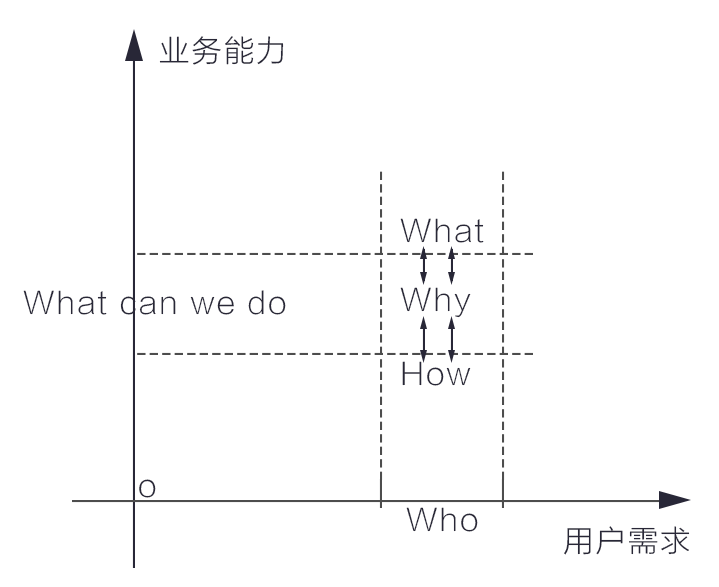
Below, we will use mobile healthcare as an example to elucidate the first-principles thinking behind user profiling.
Why Mobile Healthcare Product Design Requires First-Principles Thinking on User Personas
Currently, common features in mobile healthcare include appointment scheduling, consultation information, self-assessment, medication purchase, medical academia, and medical news. If these features are integrated, can they constitute a mobile healthcare product? Without a core philosophy or shared values to unite them, any collection of people or things is merely a disorganized mob.
How to Formulate Such a Core Philosophy (Business Verticalization)? This is a relatively complex process, akin to putting an elephant into a refrigerator—seemingly impossible at first glance. However, if the entire process is broken down into steps (first open the refrigerator door; then put the elephant inside; finally close the door), the task becomes much more manageable. The first step for mobile health products, accordingly, is to clearly identify who the true “Who” of the product is.
Step 1: Selection of the “Who” for Mobile Health Products
As a key pain point, individuals aged 30 to 39 face significant health challenges. According to the “2014 National Survey Report on Physical Fitness Activities” released by the General Administration of Sport of China, among all age groups of people aged 20 and above who “regularly participate in physical exercise,” those aged 30–39 account for a relatively small proportion, at only 12.4%.
Data supports the health-related pain points of young and middle-aged adults: In 2015, Premier Li Keqiang mentioned in the Government Work Report that “medical and healthcare reforms will continue to be advanced,” while Baidu Index data shows that the primary demographic concerned with “medical reform” consists of males aged 30–39.
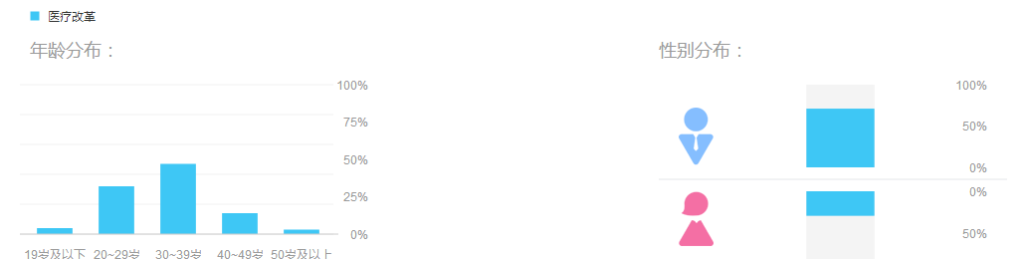
Men aged 30 to 39, representing the young and middle-aged demographic, are the mainstay of the current mobile internet landscape in terms of both purchasing power and user base; therefore, targeting them as the primary audience for the product aligns with market dynamics.
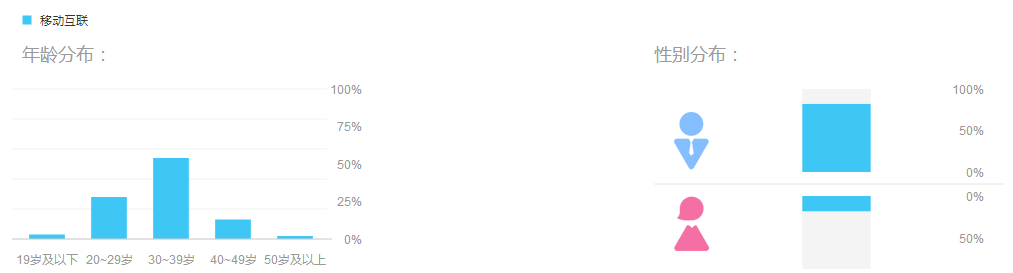
By validating the user personas of typical products in the current mobile health sector—namely, Chunyu Yisheng (focused on doctor-patient interaction), Haodf Online (focused on physician reviews), DXY (focused on the physician community), and Xunyi Wenyao (an enhanced version of Baidu Zhidao)—we have further affirmed the critical importance of defining the “Who” for product strategy. (The primary user base across these platforms consists of males aged 30–39.)

Therefore, we have identified individuals aged 30–39 as the target “Who” for the mobile health products under discussion. The next step is to understand why this middle-aged and young adult demographic would use your healthcare product.
Step 2: Why Middle-Aged and Young Adults Use Your Product (What/Why)
Based on conversations with friends, the most likely motivations for middle-aged and young male users to adopt mobile health products are as follows:
What: User Attributes vs. Lifestyle. As the primary breadwinners of their families, work and earning income occupy the majority of their time. Staying up late, attending social engagements, and irregular eating habits are the most common labels associated with this group’s lifestyle. Poor management of these factors can significantly impact future health. Therefore, they have higher expectations for software to serve as a tool for reminding and regulating their daily routines and lifestyles (health maintenance), similar to the health-building plans featured in “Jieke.”
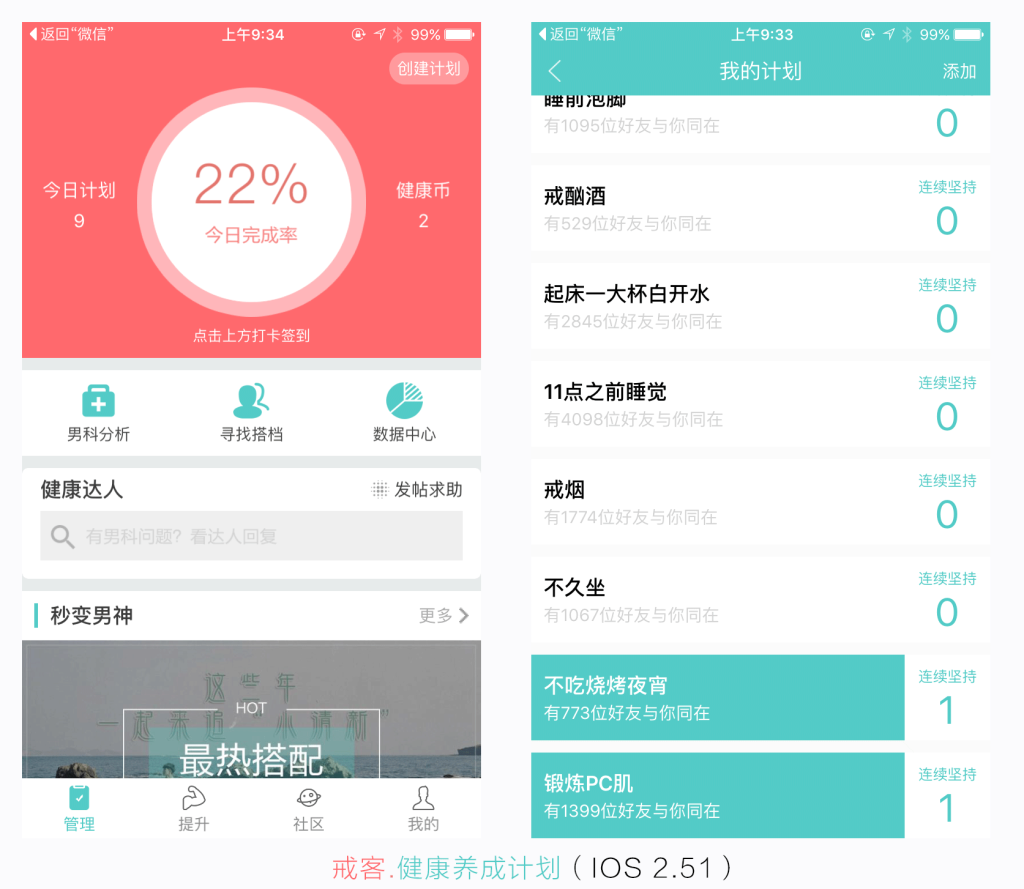
What: User Attributes vs. Healthcare Scenarios. The offline medical consultation process is complex, involving tasks such as requesting leave, hailing taxis, and waiting in line, which impose significant cognitive and physical burdens. In his study of human behavioral patterns, Johnny Depp found that men tend to have lower patience levels than women. This lower patience conflicts with the high cognitive and physical demands.
How to Eliminate Such "Hedging"?
First, categorize the user's medical scenarios.
Scenario 1: Clearly aware of one’s condition, which is a minor illness (e.g., cold and fever);
Scenario 2: Unsure of the specific diagnosis, but the condition does not seem severe;
Scenario 3: Uncertain about the specific diagnosis, but sensing something is wrong (categorized under “How,” thus discussed in the third step).
For Scenario 1, users are more eager to easily access medication information on the platform and enjoy hassle-free home delivery services for pharmaceuticals.

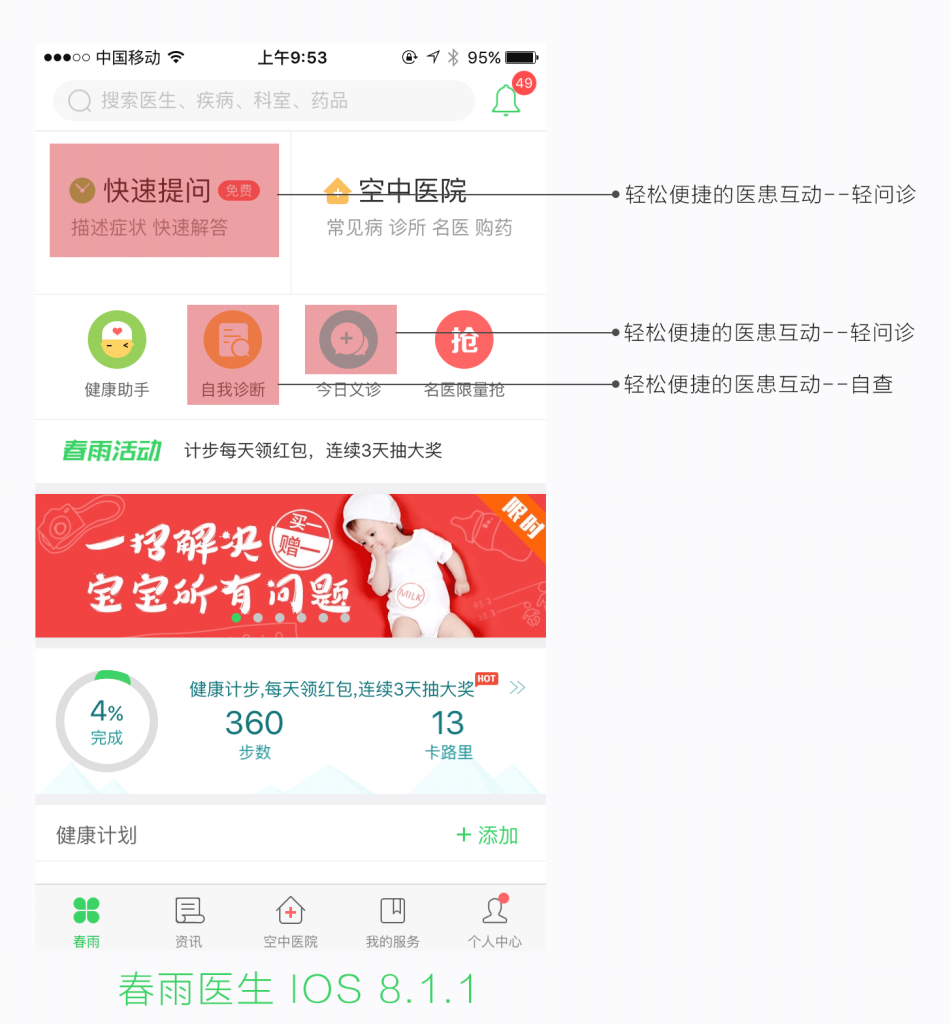
For Scenario 2, users seek convenient and easy access to “doctor-patient interactions” on the platform, including light consultations and self-assessment.
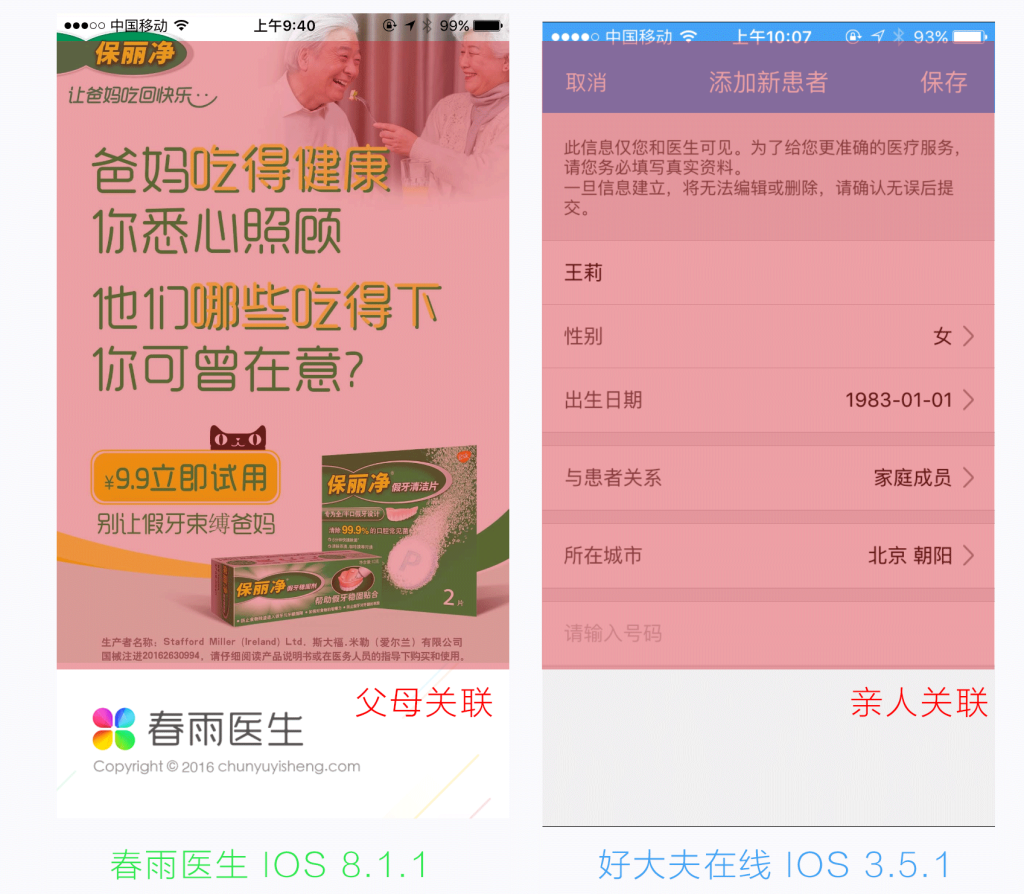
What: User Attributes vs. Community Relationships. According to the Six Degrees of Separation theory, individuals cannot exist in isolation; they are bound by certain community ties. Men aged 30–39 are generally married, meaning their community relationships are primarily centered around the family. Therefore, beyond addressing users’ personal healthcare needs, extending the product’s scope to the family level would undoubtedly be a thoughtful enhancement. Imagine this: when your wife suffers from menstrual pain, instead of perfunctorily saying “drink more water,” you learn a practical remedy on the platform to help alleviate her discomfort. What a considerate experience that would be.
Step 3: How Middle-Aged and Young Adults Use Your Product (How)
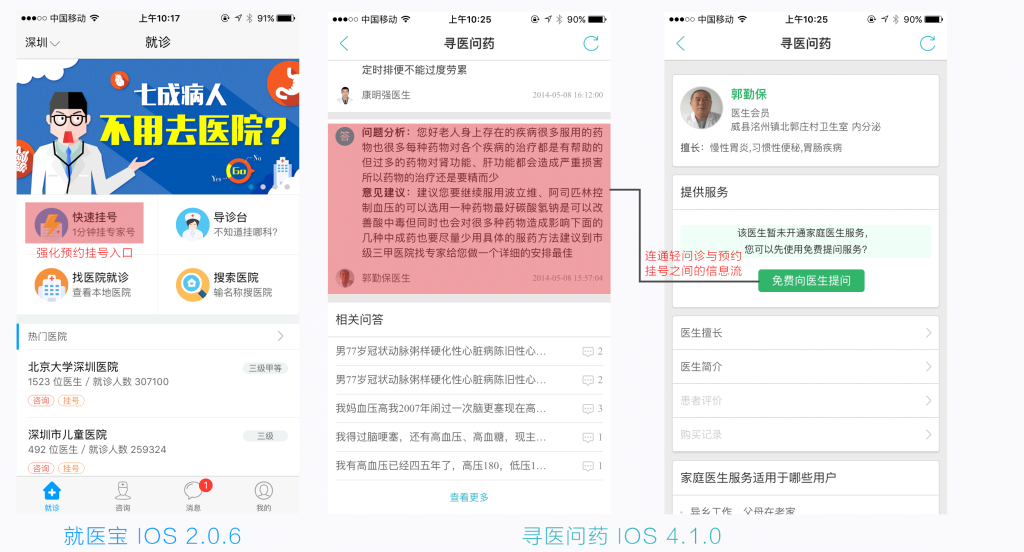
Scenario 3 (Uncertain diagnosis, but a sense that something is wrong) can be further divided into two situations. Situation 1: The user has a strong intent and directly perceives their health issue as serious. Situation 2: This evolves from Scenario 2, where the user initially did not take the matter seriously but, after reviewing relevant information, realizes the condition is relatively severe. Therefore, for Situation 1, the product needs to highlight the appointment registration entry point. For Situation 2, the focus is on the information flow between features, specifically requiring seamless connectivity of information between online light consultations and appointment registration.
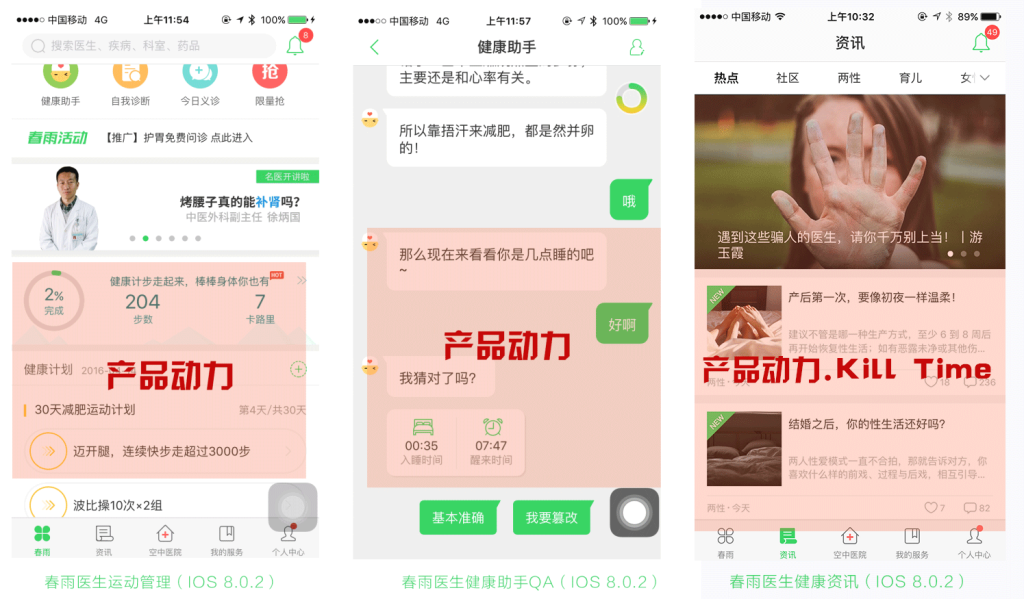
Does utility necessarily equate to user loyalty? Not necessarily. In mobile healthcare, features such as appointment scheduling and online consultations are indeed useful; however, users typically access them only when they are ill. Since illness is inherently a low-frequency event, these features address low-frequency needs (characterized by both low user frequency and low behavioral frequency). How can we bridge the gap between functional utility and user loyalty? One key filler is health management, which involves tracking daily metrics such as physical activity levels and sleep quality—areas that require users’ daily attention. Another aspect is medical information designed for “killing time,” which must be highly relevant to the individual user, such as “sexual health topics,” which see high search volumes among male users. We refer to these highly tailored fillers as “product momentum.” Just as a car requires fuel to run, a product needs this momentum to drive engagement.
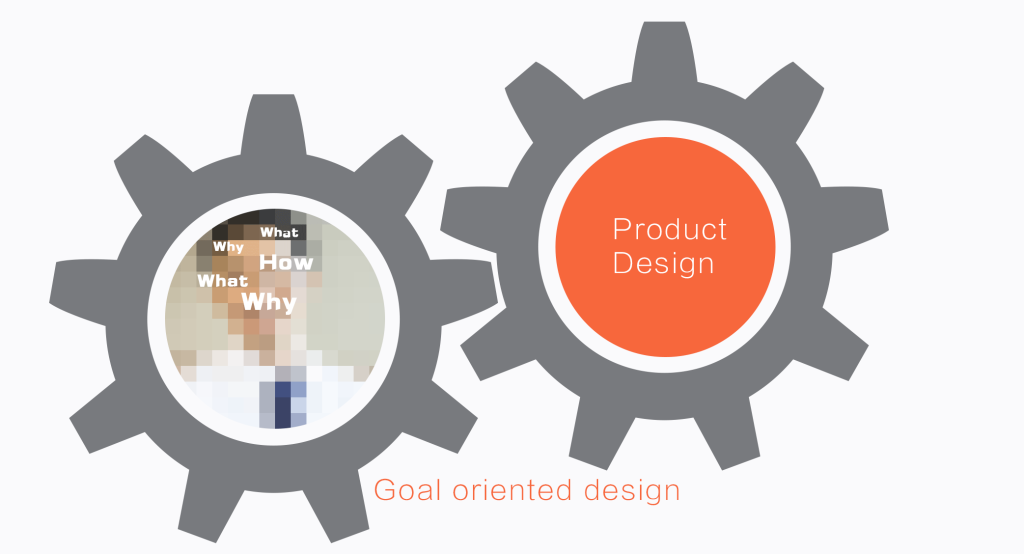
By synthesizing the above three steps, we have collected key product attributes of mobile health solutions targeted at young and middle-aged users. The resulting user profile provides a goal-oriented framework for our product design.
Summary
By identifying the “Who” within the product and exploring why they use your product (“Why”) or what their purpose is in using it (“What”), you can determine the content of the product’s scope layer. By understanding how the “Who” uses your product (“How”), you can define the product’s structure layer. For instance, in the second scenario of the third category under “User Attributes vs. Medical Scenarios”—where users initially do not perceive their condition as serious but realize its severity during a light consultation—the product needs to integrate light consultations with appointment registration. Of course, the scope layer and the structure layer are not isolated; they influence each other. Therefore, changes in the structure layer may also trigger updates in the scope layer. For example, to ensure the product functions effectively, it is necessary to introduce dynamic content into the scope.
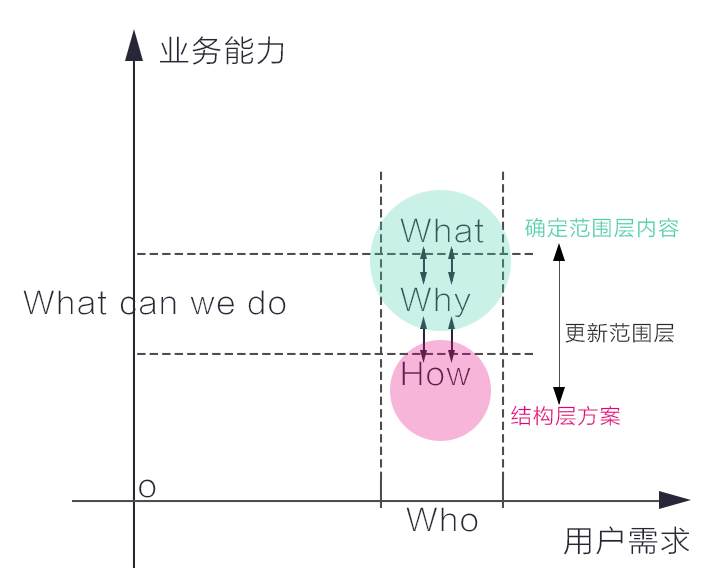
Certainly, “inheriting the first-principles thinking of user personas” serves not only as a referenceable and replicable product design methodology but also as a validation method to assess whether existing products truly adhere to User-Centered Design (UCD).
Author: UE Xiaoniudu, dedicated to the exploration and practice of UX methodologies. This article was first published on the “Everyone Is a Product Manager” website, and reproduction has been authorized by the author.