

National Microbiome Initiative (NMI) Launched by Obama Administration to Advance Microbial Science and Applications
On May 13, 2016, the White House Office of Science and Technology Policy (OSTP), together with federal agencies and private foundation managers, announced the launch of the new National Microbiome Initiative (NMI) to promote research on microbiomes from diverse environments.
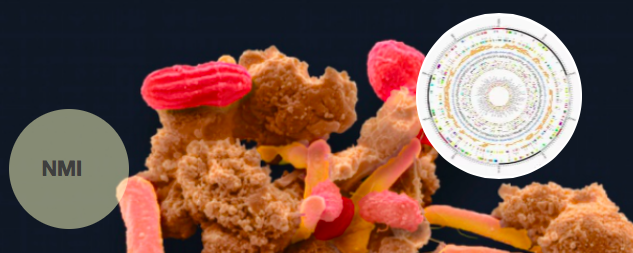
The microbiome refers to the collective community of microorganisms inhabiting humans, plants, soil, oceans, and the atmosphere. Microorganisms play a crucial role in maintaining ecosystem health and diversity, and are closely linked to numerous critical issues, including human health, climate change, and food security. For instance, they are implicated in common chronic human diseases such as obesity, diabetes, and asthma; localized ecological disruption can lead to microbial dysbiosis, ultimately resulting in hypoxic zones like those in the Gulf of Mexico; and many industrial processes, such as biofuel production and food processing, rely on healthy microbial communities. Although awareness of the importance of microorganisms is growing, scientists still lack sufficient knowledge and tools to prevent microbial dysfunction or to restore health to compromised microbial populations.
The National Microbiome Initiative (NMI) aims to enhance understanding of microbial behavior and promote the protection and restoration of healthy microbiome functions. Over the course of a year-long investigation, scientists from federal agencies, academia, and the private sector focused on three areas of microbiome science, which also constitute the goals of the NMI:
1. Support interdisciplinary research: to address fundamental questions about microbes in different ecosystems;
2. Platform Technology Development: Enhance understanding of diverse microbiomes across different ecosystems, accumulate data, and improve access to microbial genomic databases;
3. Expanding the Influence of Microbes: Dissemination through nationwide science popularization, public education, and engagement.
In the future, the NMI will provide robust and sustained federal investment in the field of microbiome research, with plans to launch microbiome research projects totaling more than $121 million over the next two years, including:
U.S. Department of Energy Proposes $10 Million for Interdisciplinary Microbial Research;
NASA’s $12.5 Million New Funding Initiative Aims to Study the Impact of Microorganisms on Earth’s and Cosmic Ecosystems Over Multiple Years;
U.S. National Institutes of Health $20 Million Comparative Study of Multi-Ecosystems;
The National Science Foundation’s $16 Million Microbial Research Program, Covering Ecosystems, Species, and Biomass Spectra;
The U.S. Department of Agriculture’s $15.9 million microbial research initiative aims to enhance computational capabilities for human microbiome research through the Agricultural Research Service.
Furthermore, since the OSTP’s call to action issued in January, more than 100 external organizations have announced their support for microbiome science research today. These measures include:
The Bill & Melinda Gates Foundation will invest $100 million over four years to develop research tools for human and agricultural microbiomes;
University of California, San Diego to Invest $12 Million in Microbiome Innovation for End Users;
OneCodex develops publicly accessible mobile microbiome data, enabling broad access for researchers, clinicians, and other professionals;
Biocollective will partner with the Health Ministries Network to invest $250,000 in establishing a microbiome database and biobank;
With support from the Howard Hughes Medical Institute and Procter & Gamble, the University of Michigan will invest $3.5 million to provide new research opportunities for undergraduate students in microbial engineering.
The data volume of the microbiome is far more extensive than that of the human genome. The launch of the National Microbiome Initiative (NMI) marks a new milestone in microbiomics and lays the foundation for the comprehensive application of microbial metagenomics in future precision medicine. The NMI will facilitate further upgrades in the sequencing industry, expand data storage capabilities, and drive a comprehensive overhaul in the field of data mining and analysis.
Reposted from: Yuanma Gene Official WeChat Account