Five Major Trends Shaping the U.S. Telehealth Services Market
Article reposted from the Beijing Representative Office of the Global Doctors Organization (sasctm)
Prior to the 2016 American Telemedicine Association (ATA) Annual Conference, the ATA released the top five trends in U.S. telehealth services for 2015. Certain insights are worth drawing upon for reference. Although the healthcare systems in China and the United States differ, patient needs (market demand) and business opportunities (service provision) remain similar.
Establishing a specialized telemedicine service model and realizing its efficacy requires the following five aspects:
1) Government policy support;
2) Patient or market demand;
3) Professional medical resources;
4) Hardware and Technical Environment;
5) Practice Standards and Guidelines.
These are the five core points summarized by the author in “Standards and Guidelines for Telemedicine Practice.” Let us use them to understand how the American Telemedicine Association (ATA) is driving development trends in the telemedicine industry.
ATA’s Summary of 2015 U.S. Telemedicine
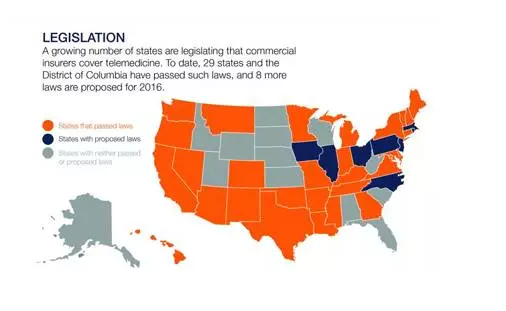
1) Enact federal and state regulations to support health insurance providers in covering telemedicine services.Among the 50 U.S. states, 29 have already enacted regulatory provisions regarding insurance reimbursement for telemedicine services. In 2016, an additional eight states will pass legislation to promote telemedicine. By the end of the year, more than half of all U.S. states will have legislatively advanced telemedicine as a component of routine medical services.
2) Employers/owners adopt telemedicine services.
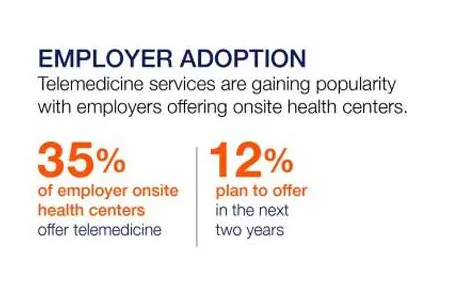
As an increasing number of enterprises and industries provide health insurance services to their employees, they are supporting employee access to telemedicine services and establishing telemedicine service sites within work environments (such as office areas and factories). Approximately 35% of employers/business owners have set up such telemedicine facilities, thereby facilitating medical consultations for employees.
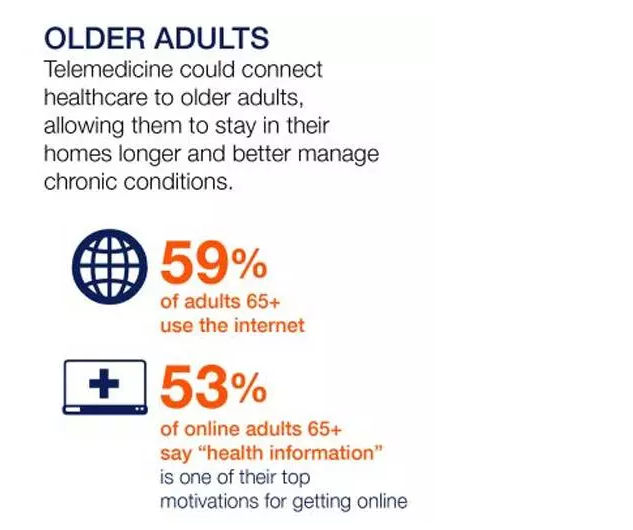
3) The primary beneficiaries of telemedicine services are the elderly population.As the population ages, elderly individuals—particularly those with chronic diseases, as well as the general population—will increasingly adopt telemedicine services. This represents an inevitable trend in the advancement of healthcare and health management.
59% of the elderly population can fully consult and manage their health conditions via the Internet.
53% of elderly Americans are willing to use the internet to learn about and inquire into their medical and health issues.
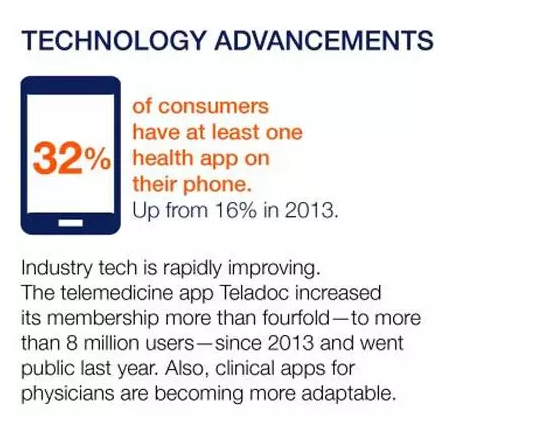
4) Due to the widespread use of smartphones, 32% of users have at least one health management app on their phones.Taking Teladoc, the largest mobile health app provider in the United States, as an example, it has added 8 million users since 2013. Meanwhile, an increasing number of physicians are also beginning to utilize smartphone apps.
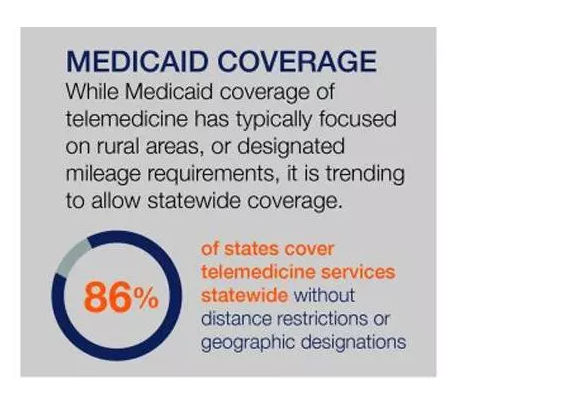
5) Insurance coverage for telemedicine services has increased by 86%, particularly benefiting patients in remote and rural areas or those with limited access to transportation.This trend will drive a transformation in healthcare delivery models across the United States. It has become evident to the health insurance industry that telemedicine serves as an essential complement to future medical and health management services. The disruption and reform of existing hospital- and clinic-based care models is merely a matter of time.