

16 Innovative Telemedicine Projects Unveiled at the American Telemedicine Association Annual Conference
On May 17, 2016, the world’s largest comprehensive telemedicine conference—the American Telemedicine Association (ATA) Annual Meeting—concluded successfully at the Minneapolis Convention Center in Minnesota, USA. More than 6,000 attendees from traditional medicine, academic medical centers, telecommunications and technology companies, e-health sectors, medical associations, government agencies, and other related organizations participated in the event, which featured over 75 peer-reviewed sessions and keynote speeches by leading figures in the telehealth industry. Additionally, more than 300 healthcare technology product vendors and telemedicine service providers exhibited at the conference.
The American Telemedicine Association (ATA), established in 1993, is a non-profit organization headquartered in Washington, D.C. It aims to unite diverse entities—including traditional medical practices, academic medical centers, telecommunications and technology companies, and government agencies—to advocate for telemedicine, improve global healthcare quality, and advance telemedicine technologies, thereby reducing overall healthcare costs. For over two decades, the ATA’s Annual Conference and Exposition has served as a key forum for medical professionals and entrepreneurs in the fields of telemedicine, digital health, and mobile health, while also acting as a premier gathering for industry leaders.
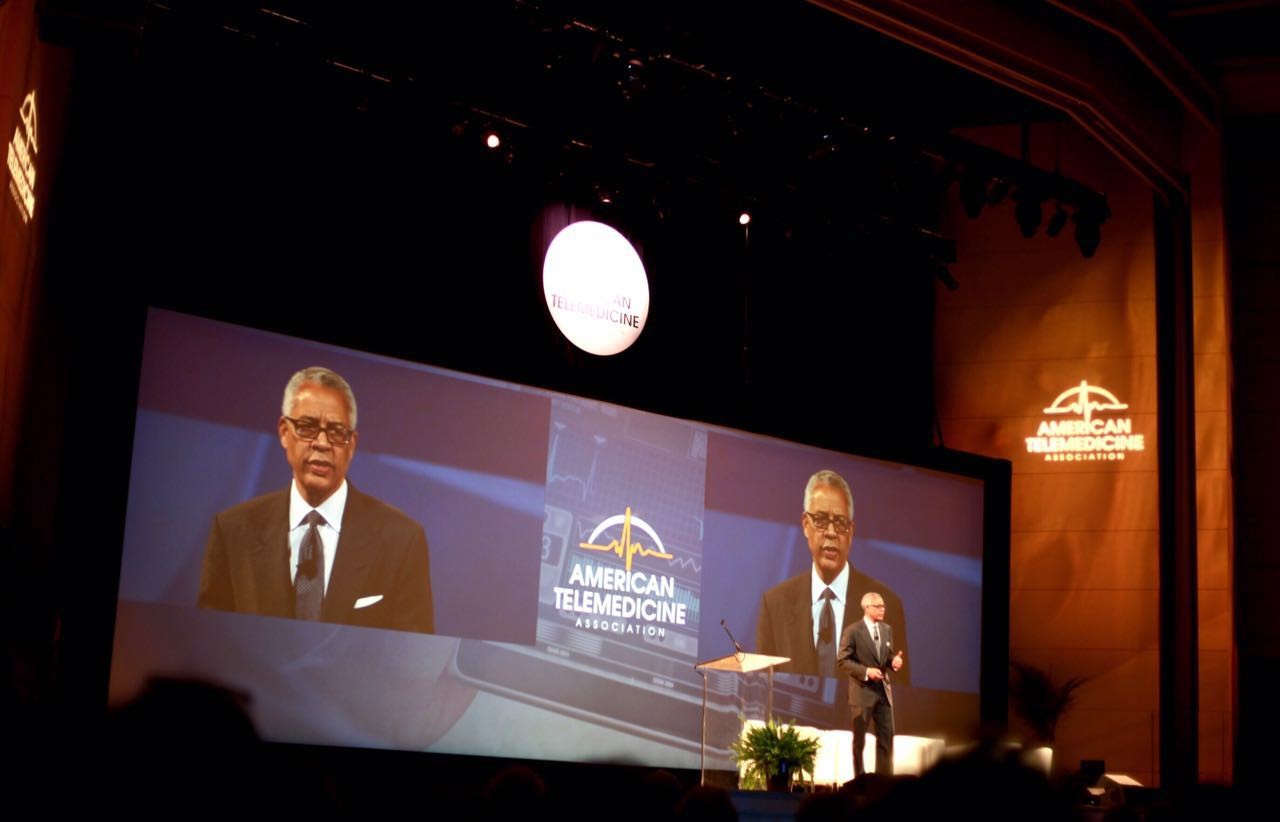
XieConference Chair Read Tuckson, M.D., Delivers the Opening Address

Keynote Speaker: John Noseworthy, M.D., President and CEO of Mayo Clinic

Keynote Speaker: David Shulkin, M.D., Surgeon General of the U.S. Department of Veterans Affairs
Many large corporations have long begun to establish a presence in the telemedicine sector and capture market share, providing comprehensive, holistic remote health solutions for large hospitals, clinics, elderly care centers, and other institutions:
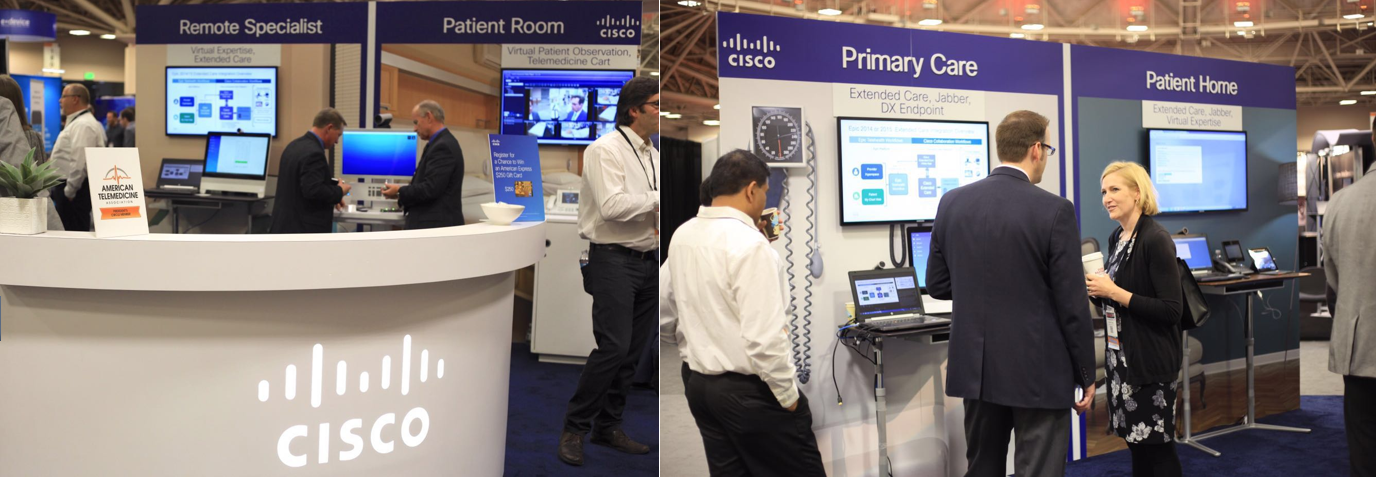
Cisco Health Solutions: Providing solutions for electronic health records, medical networks, and clinical workflows in healthcare institutions such as hospitals and clinics, with applications in remote primary care, patient homes, remote specialist consultations, and remote monitoring of hospital wards.
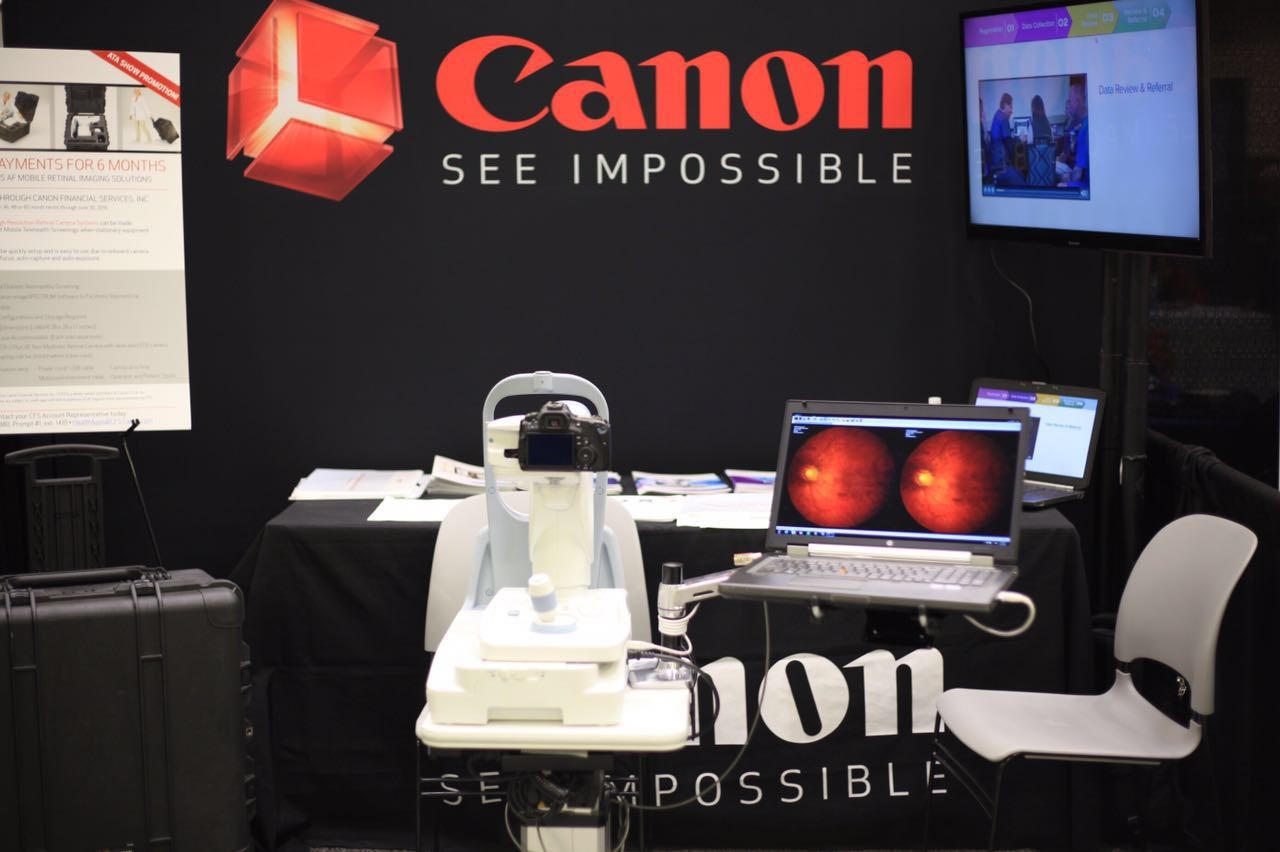
2. Canon Health Solutions: Leveraging its excellence in imaging and lens technologies, Canon collaborates with other software and hardware companies to provide high-quality, high-resolution image scanning technologies and products.
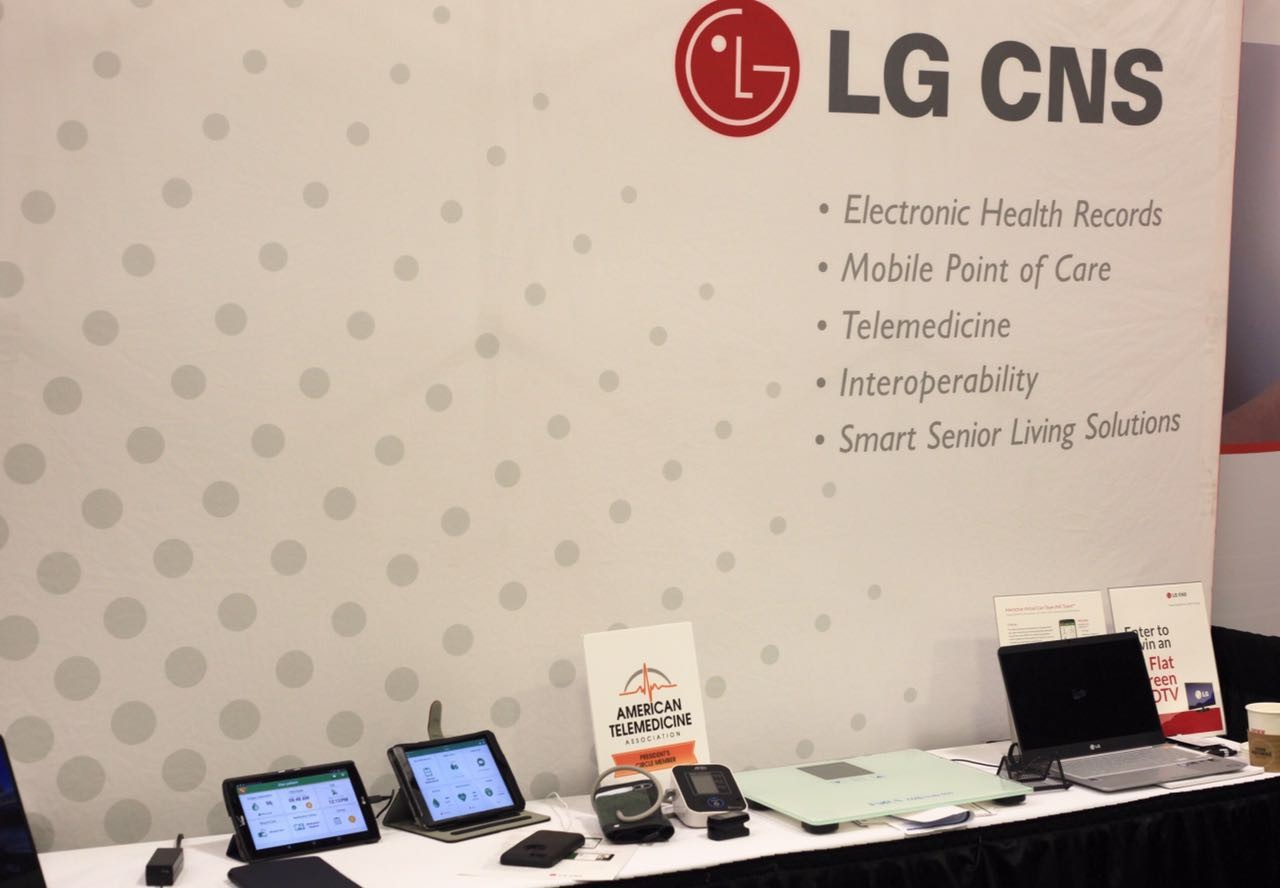
3. As a subsidiary of LG, LG CNS is a provider of a technological ecosystem that offers solutions ranging from post-emergency care to health optimization management for the general public. Its telemedicine services encompass electronic medical records, mobile communication-based care, and smart solutions for senior living facilities.
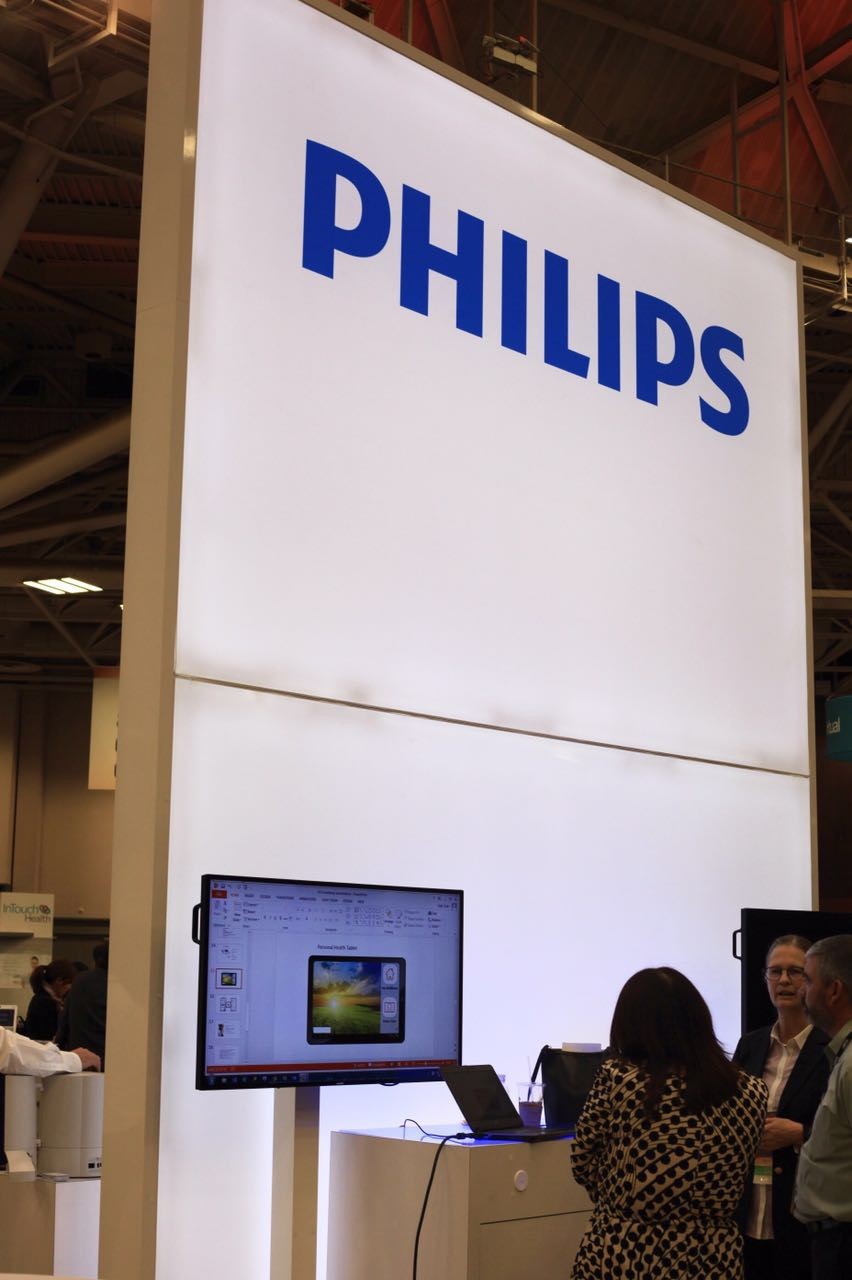
4. Philips Healthcare: Provides comprehensive solutions ranging from consulting to telemedicine technologies for large hospitals, clinics, consumers, enterprises, and more.
In addition to these large companies offering comprehensive telemedicine solutions, many physician groups leverage their inherent industry advantages to provide online remote consultation services.
5. Mercy Virtual is the world’s first and only virtual care center. This four-story facility in Missouri leverages cutting-edge technology to deliver telehealth services, including 24/7 remote nursing, virtual sitting, emergency care, home monitoring, intensive care, and stroke management.

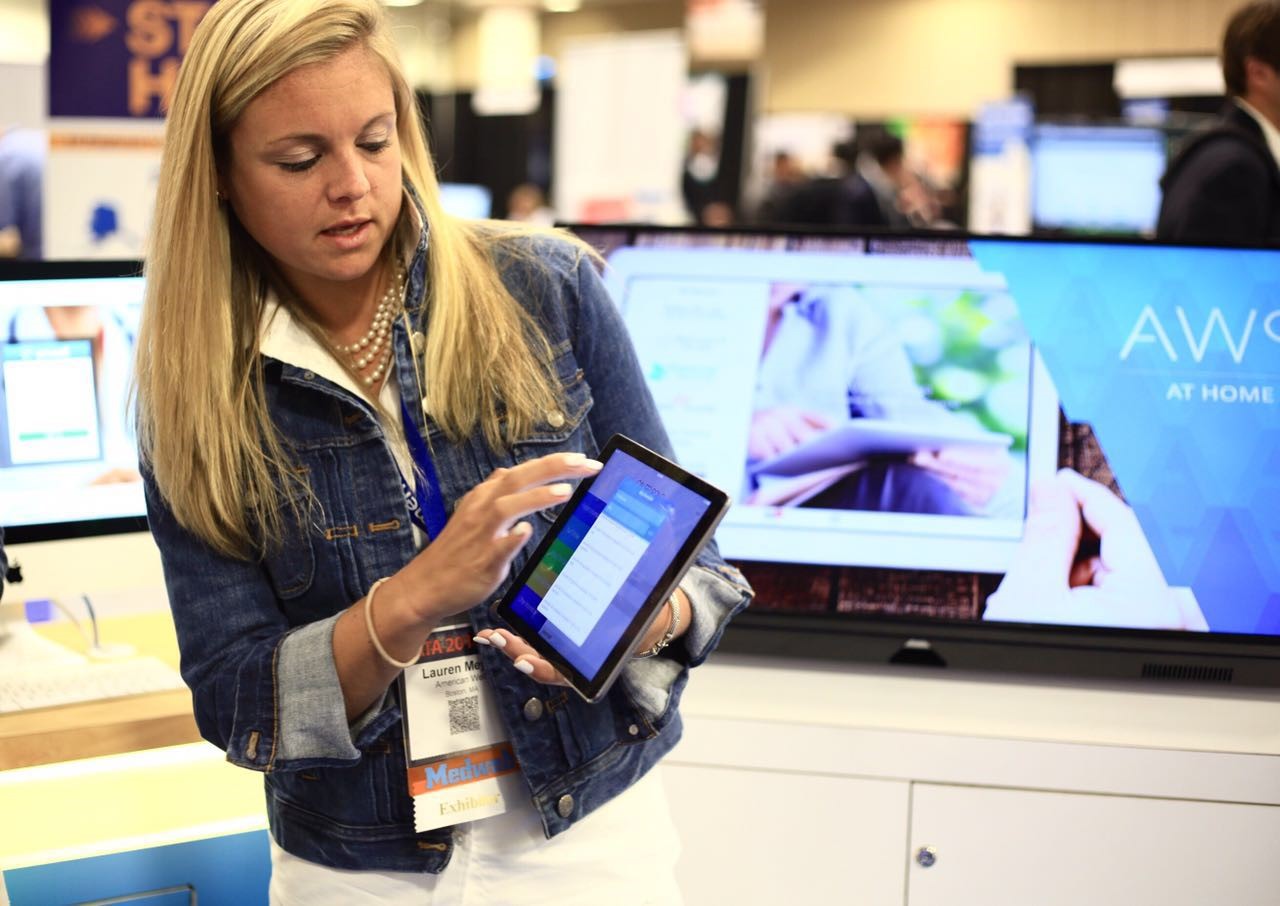
6. American Well has partnered with physicians from hospitals across various states, including the Cleveland Clinic, to provide patients with online medical consultation services. Patients can download the app, log into their personal accounts, locate online specialists in various departments, and connect via video for consultations. Additionally, American Well collaborates with CVS, a major U.S. retail pharmacy chain, enabling doctors to issue electronic prescriptions; patients can then simply pick up their medications at nearby pharmacies. This approach significantly reduces time spent on appointments, waiting, and travel, as well as the substantial costs associated with emergency room visits.
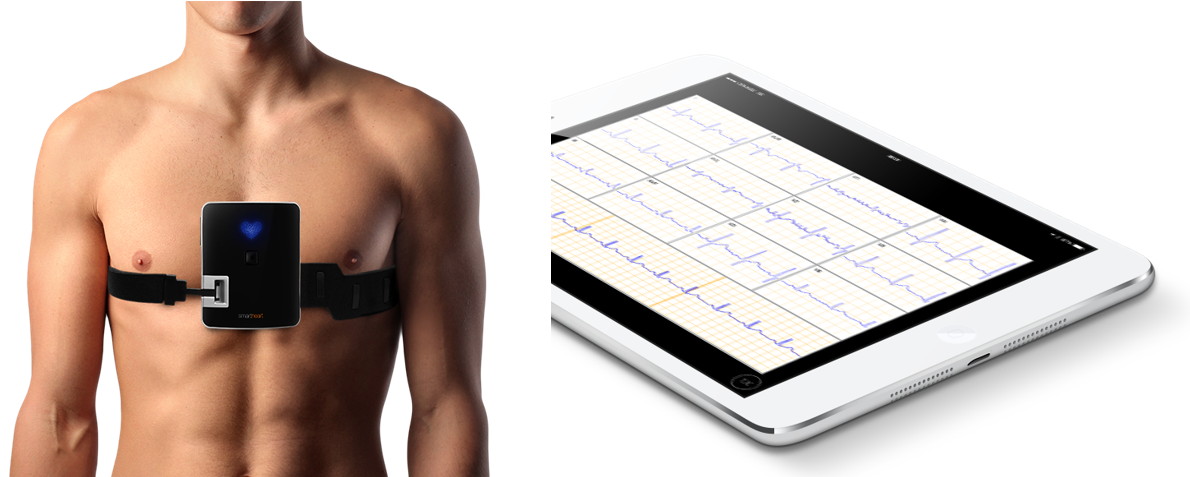
7. Smartheart Pro is a product of an Israeli health-tech innovation company. It is the first wireless, 12-lead, hospital-grade electrocardiogram (ECG) device, designed to be simple, rapid, and easy for clinical use. An ECG test can be completed in just 30 seconds, with results transmitted via Bluetooth to the user’s smartphone or tablet. Meanwhile, all data are uploaded to a cloud-based platform, where professional medical personnel are available 24/7 at the data center to interpret ECG reports for users at any time.
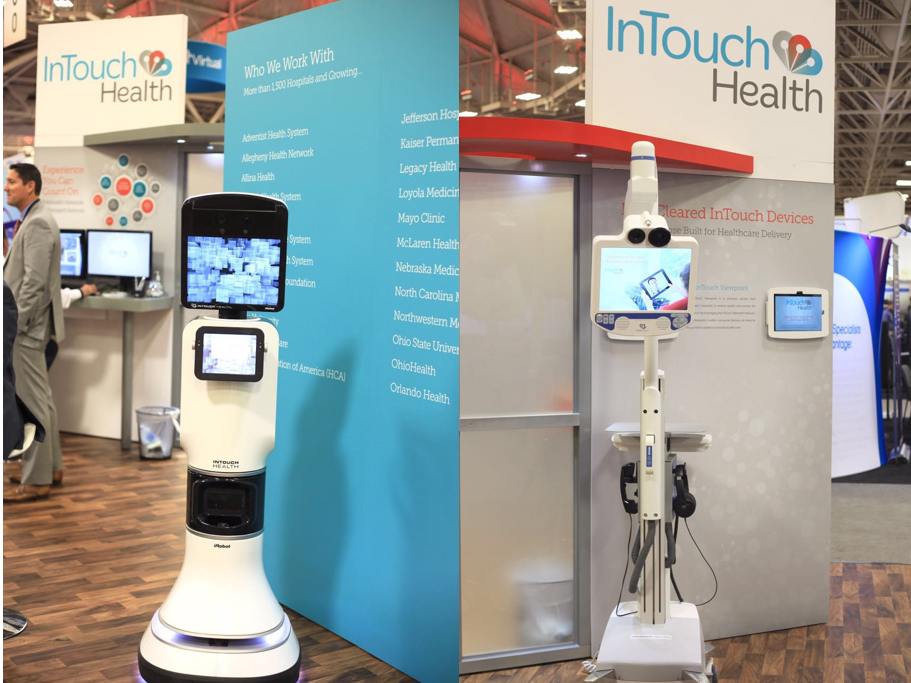
8. InTouch Health provides teleoperated robots and equipment for intensive care, emergency care, and other critical services. In emergencies, when medical specialists cannot be physically present, remote experts can interact with on-site healthcare providers as if they were there, performing auscultation and examinations, reviewing patient records, data, completed laboratory results, and imaging findings, while offering professional guidance.
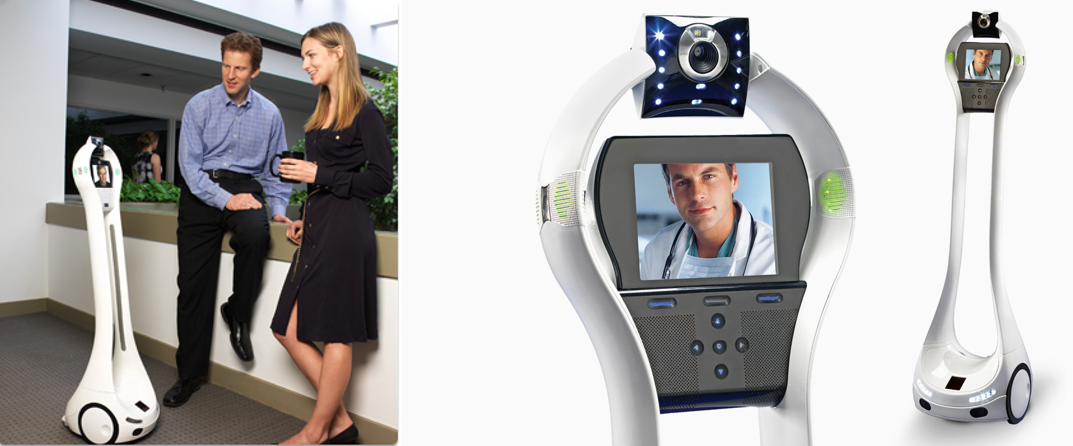
9. VGo is a fully remote-monitoring robot. In situations where professional healthcare resources are limited, VGo can be remotely operated via computer to substitute for healthcare providers in visiting patients at clinics, wards, laboratories, or homes, thereby providing significant convenience to overstretched medical staff.
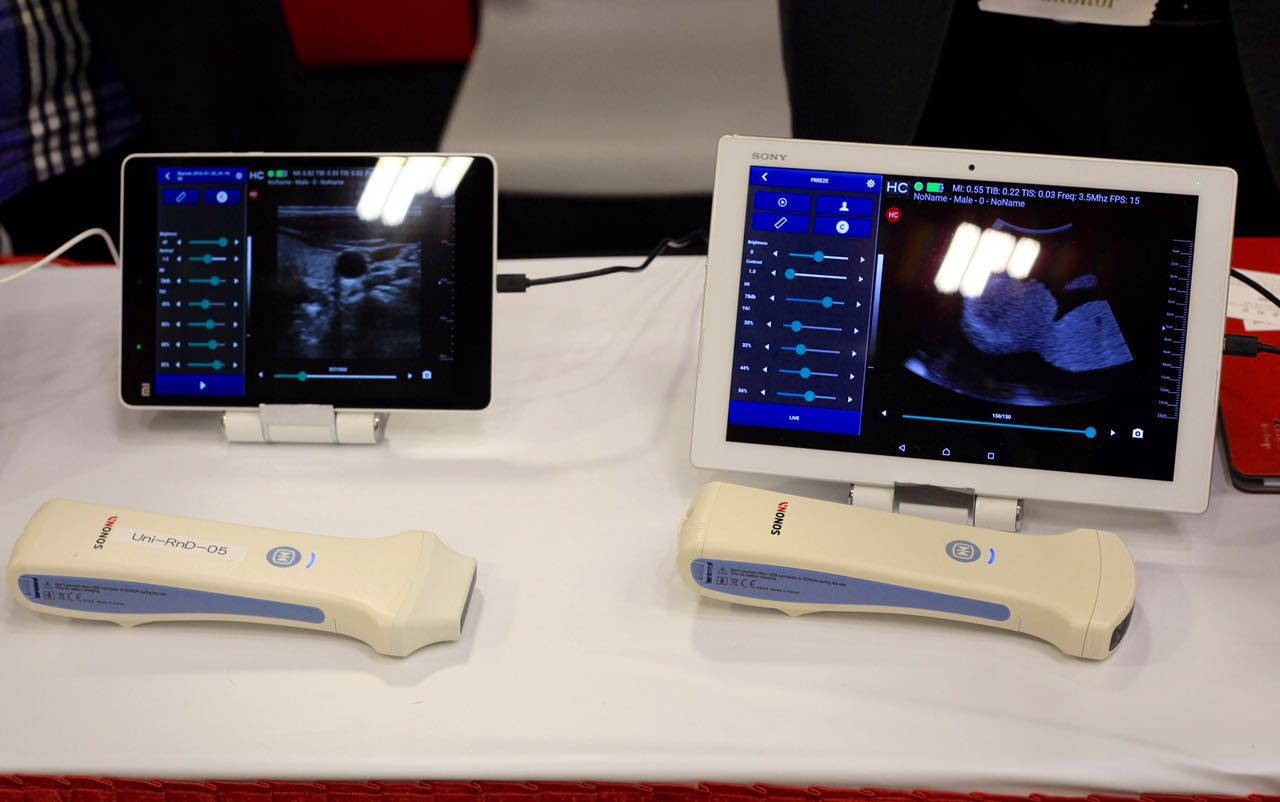
10. Sonon is a South Korean company dedicated to innovation in mobile healthcare. Its compact and lightweight wireless ultrasound device connects to smartphones or tablets via Wi-Fi, enabling scanning, measurement, image transmission, and color Doppler ultrasound functionality. It is suitable for various ultrasound imaging examinations, including abdominal, obstetrics and gynecology, musculoskeletal, and vascular applications.
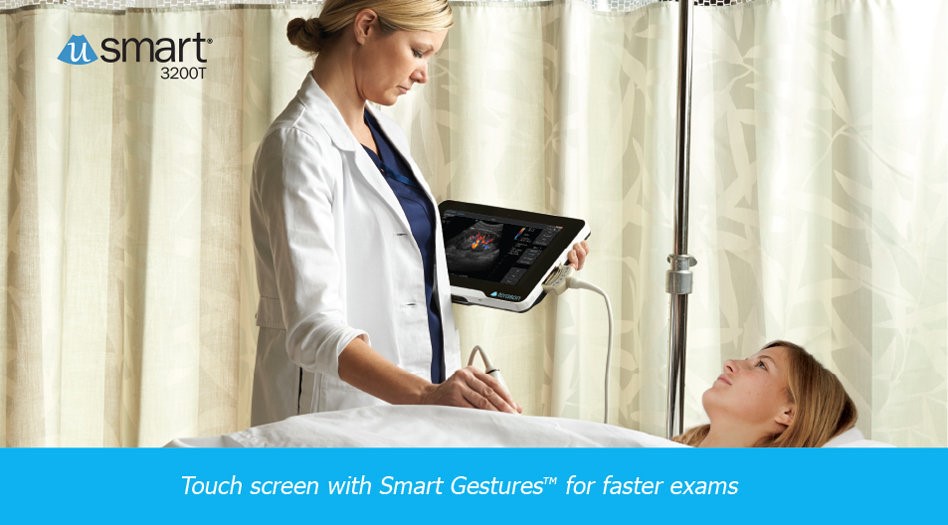
11. Another U.S. company, Terason, is dedicated to portable and high-definition ultrasound flat-panel devices for use in emergency, anesthesia, and critical care settings across various environments.
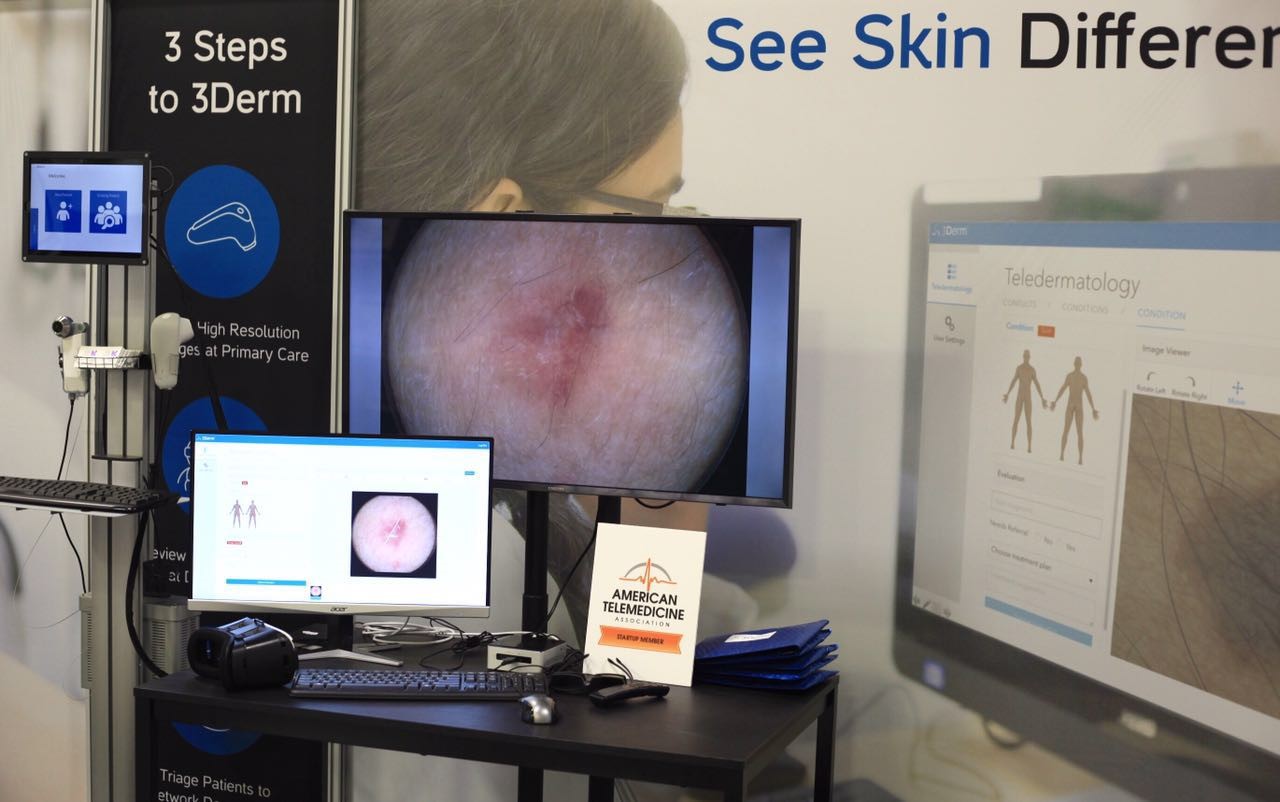
12. 3Derm is an innovative company that provides telemedicine devices and services specifically for dermatologists, enabling them to view high-definition, stereoscopic 3D images of patients' skin remotely through 3D glasses, thereby facilitating more accurate preliminary diagnoses.
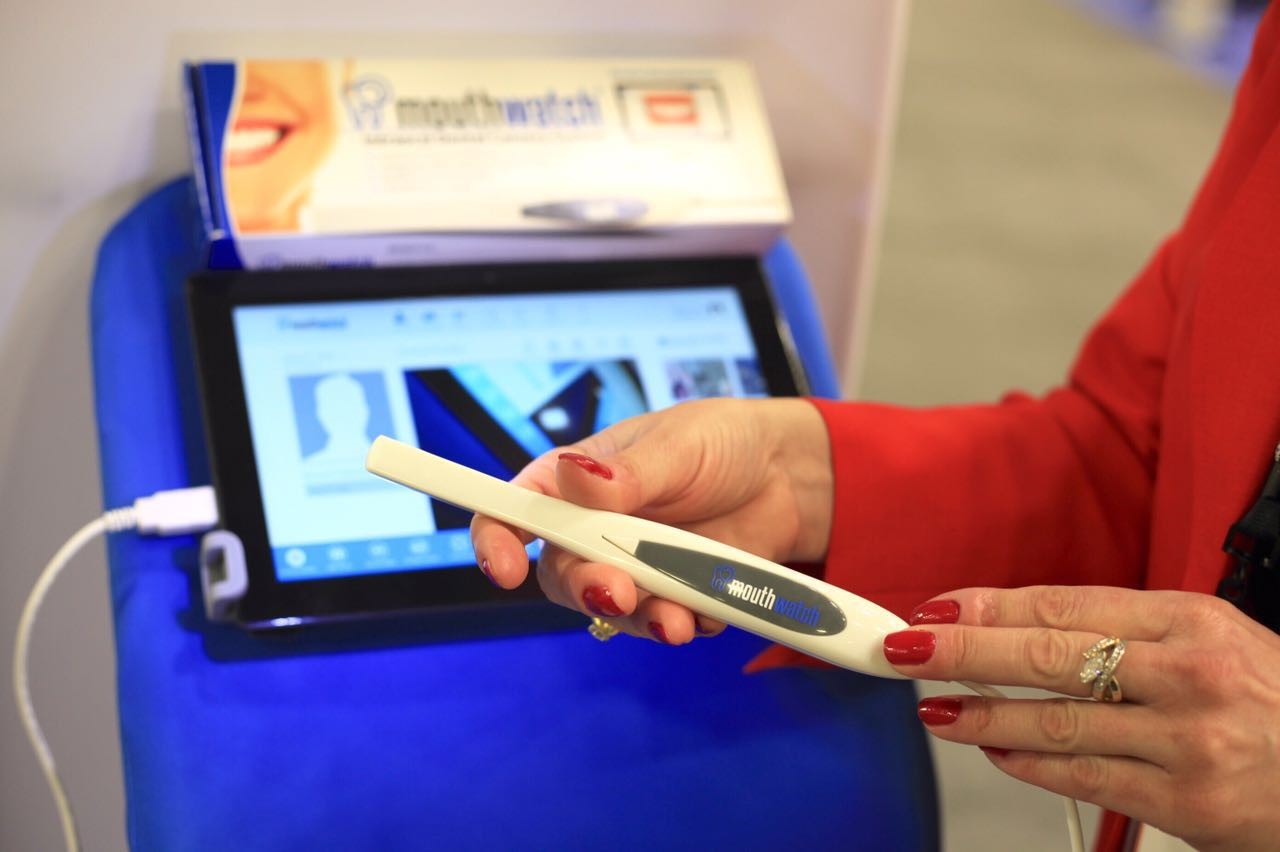
13. Mouthwatch is a telemedicine product specifically designed for dentists. By utilizing a digital intraoral endoscope, it enables patients to receive effective diagnoses and assistance from any location. It can be widely applied in settings such as schools, elderly care centers, and nursing homes.
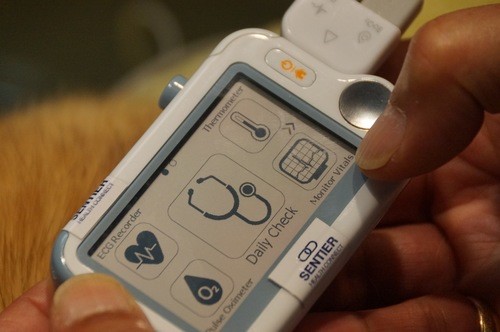
14. The Sentier Vetcorder is a convenient remote monitoring device designed for veterinarians. This palm-sized device can measure pets' blood oxygen saturation, electrocardiogram (ECG), heart rate, systolic blood pressure, and body temperature. All data can be transmitted to mobile devices via Bluetooth, facilitating real-time monitoring of the pet's condition.
15. VisionFlex, an Australian company, has invented a portable, state-of-the-art mobile healthcare hub. One of the founders’ objectives is to ensure their product is user-friendly for individuals without any technical background, enabling residents in remote rural areas and small towns, as well as nursing home occupants, to access advanced, comprehensive medical resources. This facilitates timely diagnosis and treatment for patients while significantly reducing government healthcare expenditures.
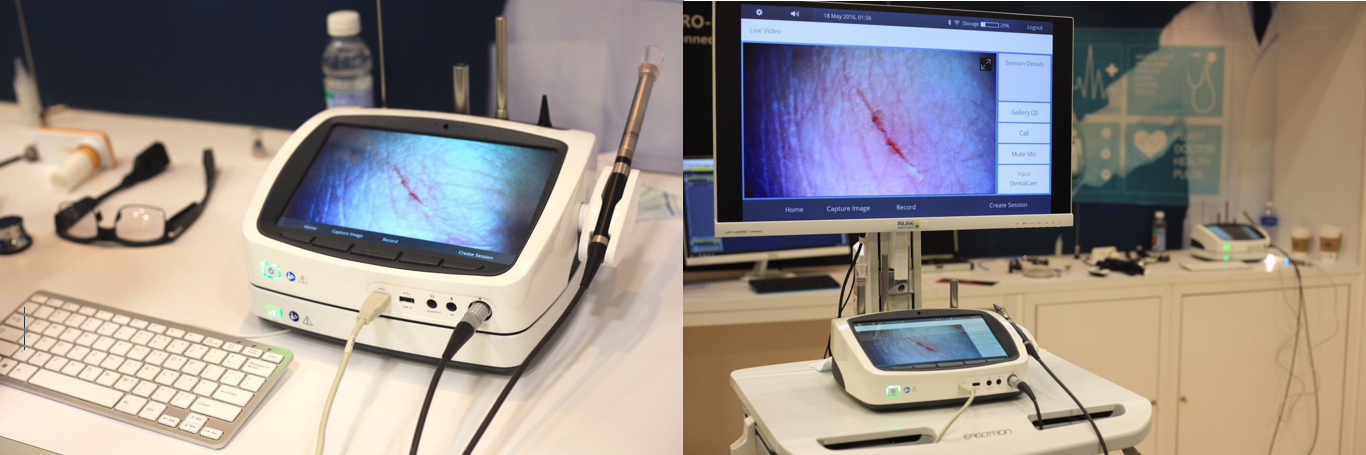
This integrated data hub includes patients' electronic medical record archives. Interchangeable external devices feature a range of probes, including otoscopes, sinus cavity probes, general imaging probes, dental probes, dermatology probes, endoscopic cameras, and more.
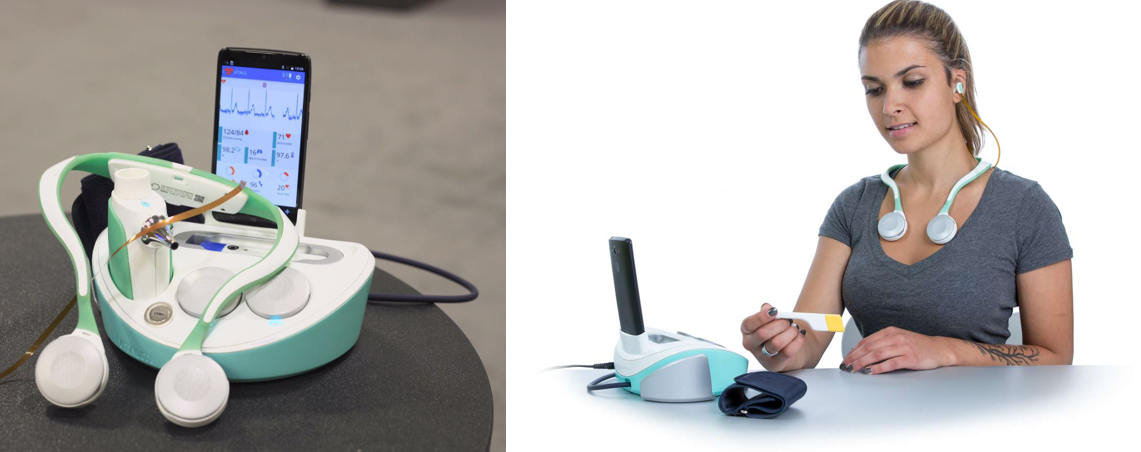
16. VITALITI is an innovative product soon to be launched by a Canadian startup. This exciting wireless, portable device features autonomous diagnostic capabilities. It competed in the $10 million Tricorder XPRIZE global competition sponsored by Qualcomm Incorporated (USA) and stood out among 330 outstanding teams from around the world. The device can autonomously diagnose up to 19 conditions, including anemia, urinary tract infections, type 2 diabetes, atrial fibrillation, sleep apnea, chronic obstructive pulmonary disease (COPD), pneumonia, otitis media, leukocytosis, hypertension, monocytosis, and HIV. Vital signs monitored include electrocardiogram (ECG), heart rate, blood oxygen saturation, respiration, temperature, and blood pressure. By connecting wearable wireless devices to a smartphone app, it enables vital signs monitoring and autonomous disease diagnosis.

Author: SuperAlice Alice, Founder of NüLIFE US Private Health & Medical Travel.
WeChat: aliceinwonderland000