AI Nutritionist: Revolutionizing the Food Industry with Artificial Intelligence
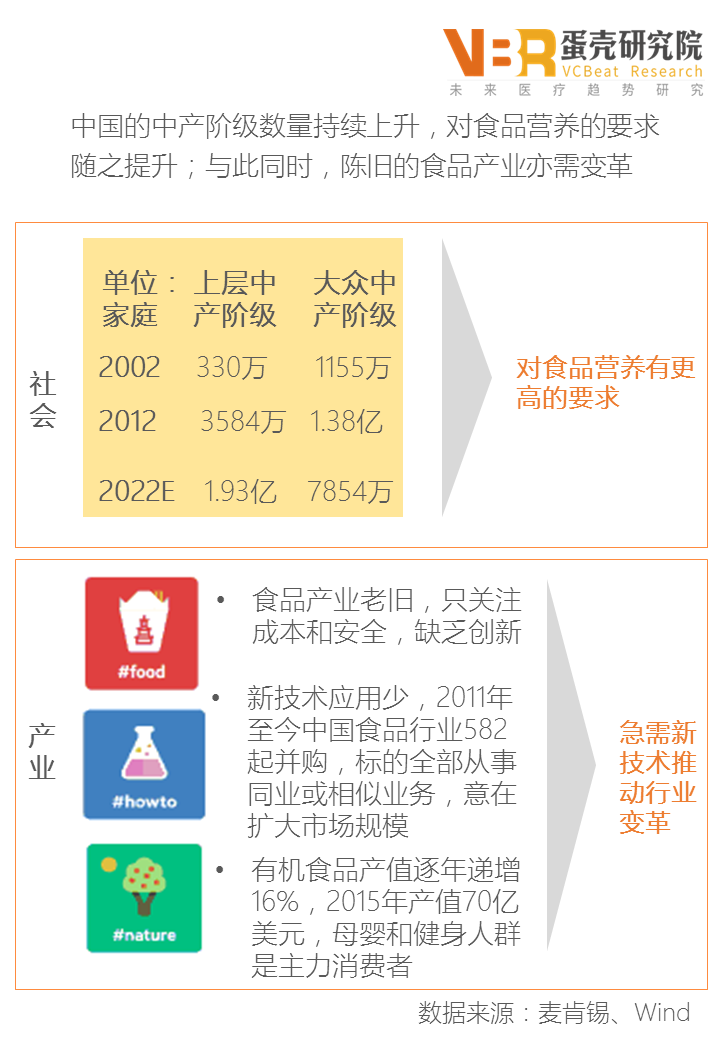
The number of middle-class individuals in China continues to rise, leading to increased demands for food nutrition. According to McKinsey’s estimates, by 2022, the number of upper-middle-class households in China will reach 193 million, while the mass middle-class households will total 78.54 million. The market demand for food nutrition in society cannot be ignored.
Meanwhile, the traditional food industry also needs to undergo transformation. Currently, the food industry exhibits the following characteristics: First, the industrial model is outdated, with little consideration given to factors beyond cost and safety, resulting in a lack of innovation. Second, the application of new technologies is limited. According to VCBeat’s analysis of 582 mergers and acquisitions in China’s food industry from 2011 to present, all target companies were engaged in the same or similar businesses. In other words, expanding market scale has been the primary focus, while insufficient attention has been paid to technological innovation. Third, the output value of organic food reached $7 billion in 2015, with an annual growth rate of 16%, indicating that green and healthy products are becoming one of the key trends.
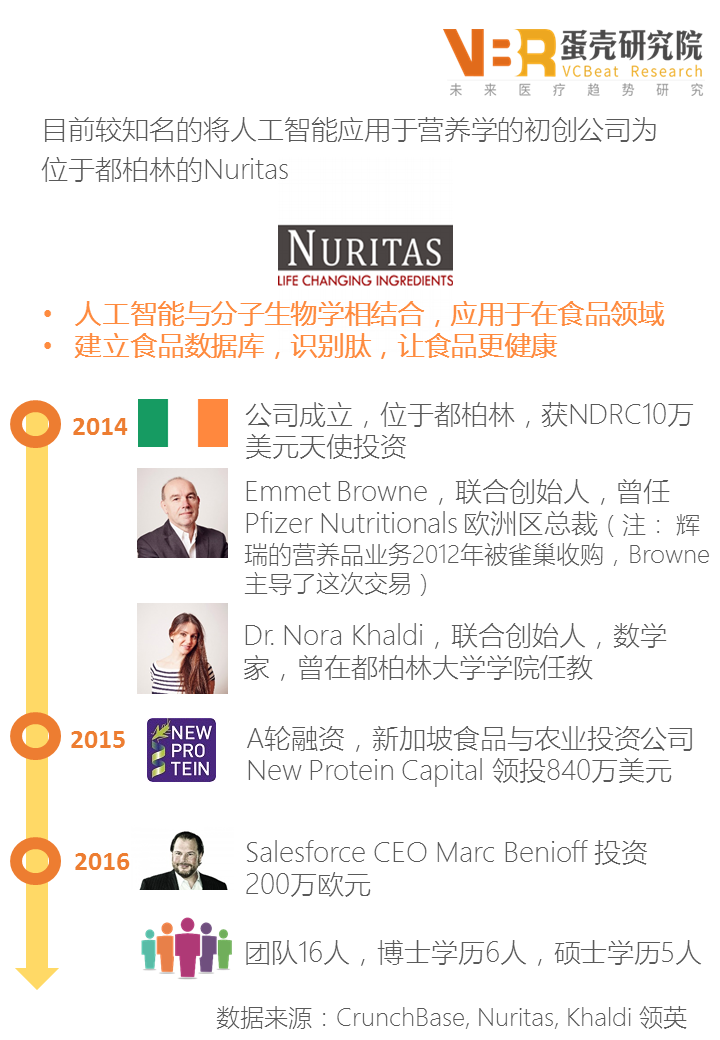
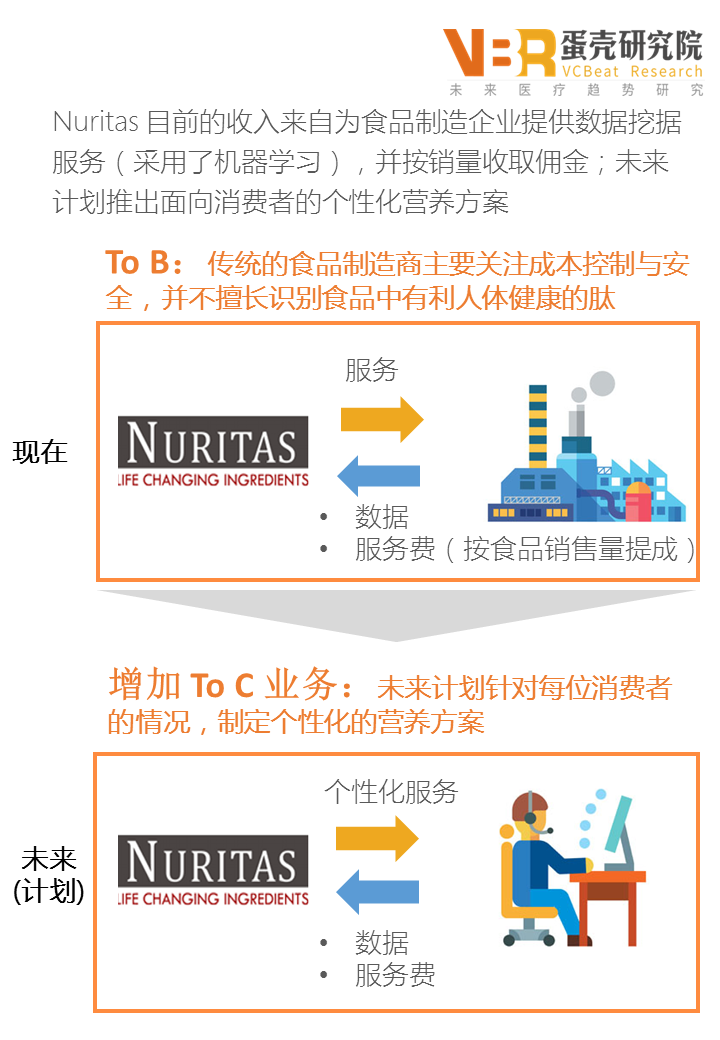
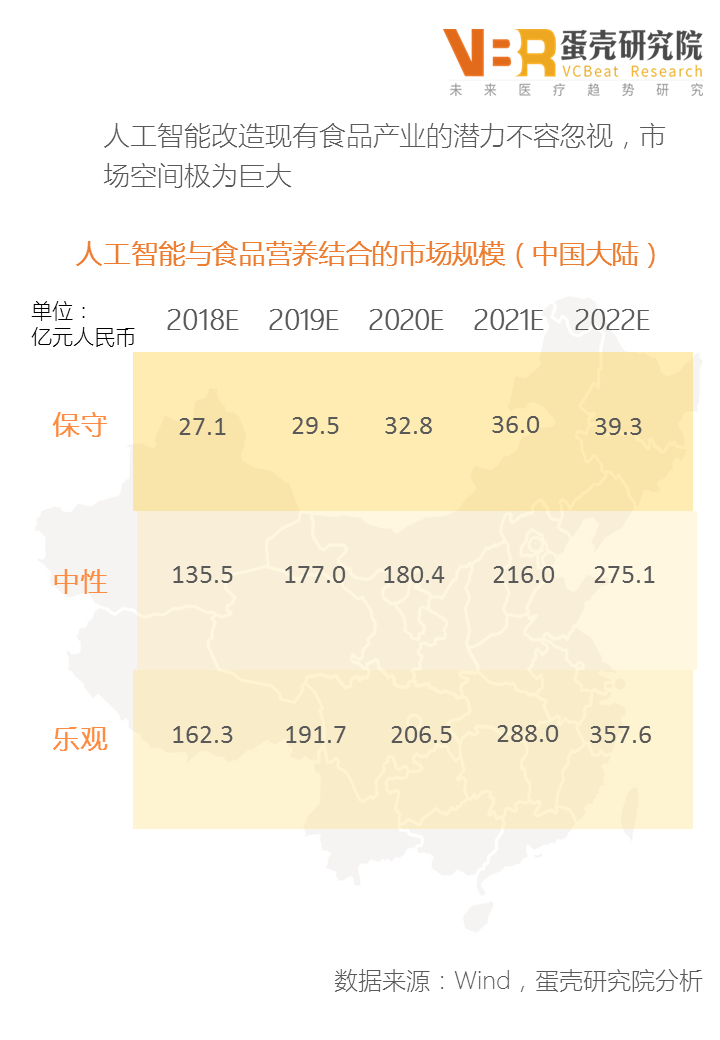
The widespread application of artificial intelligence can effectively help enterprises produce healthier food at lower costs. Currently, startups are already leveraging deep learning to assist companies in identifying health-promoting peptides in food. Under optimistic scenarios, the market size generated by the integration of food manufacturing and AI in mainland China was projected to exceed RMB 35.7 billion by 2022. We predict that this technology will reshape the entire food industry in the near future.