

Comprehensive Overview of 473 Medical and Pharmaceutical Companies Listed on the NEEQ
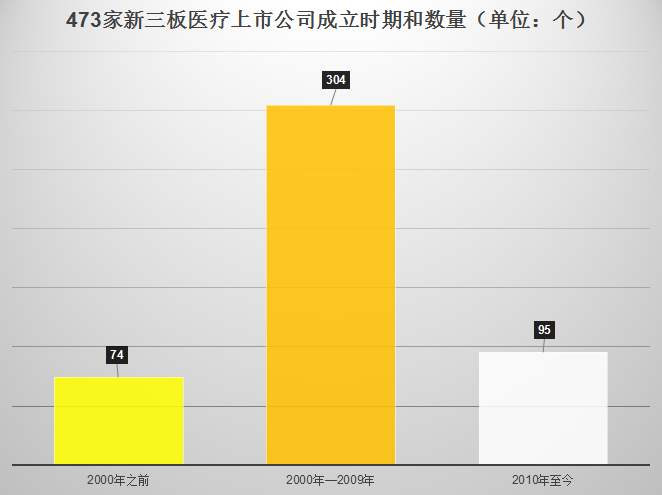
Among the 473 companies listed on the National Equities Exchange and Quotations (NEEQ), 74 were established before 2000, 304 between 2000 and 2009, and 95 after 2010.
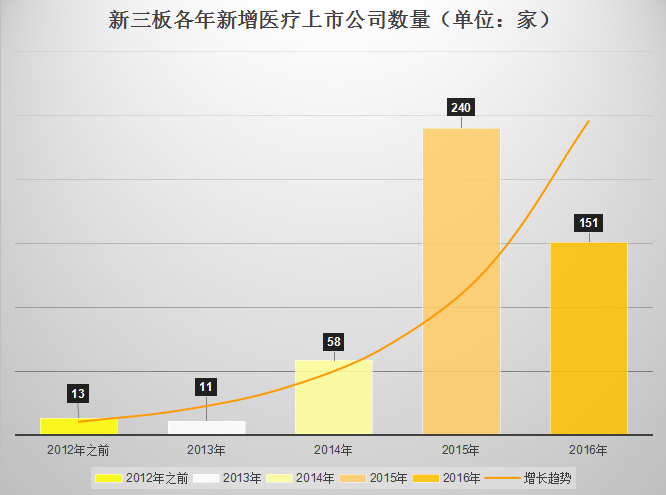
As can be seen from the temporal distribution, the number of newly listed healthcare companies on the National Equities Exchange and Quotations (NEEQ) was minimal before 2013. Growth accelerated in 2014, with 58 new listings. The year 2015 witnessed a peak, with 240 healthcare enterprises going public on the NEEQ. The momentum continued into 2016; by the end of May, 151 companies had already been listed. This trend indicates that listing on the NEEQ is gradually becoming an industry norm for healthcare enterprises and is expected to become standard practice in the future.
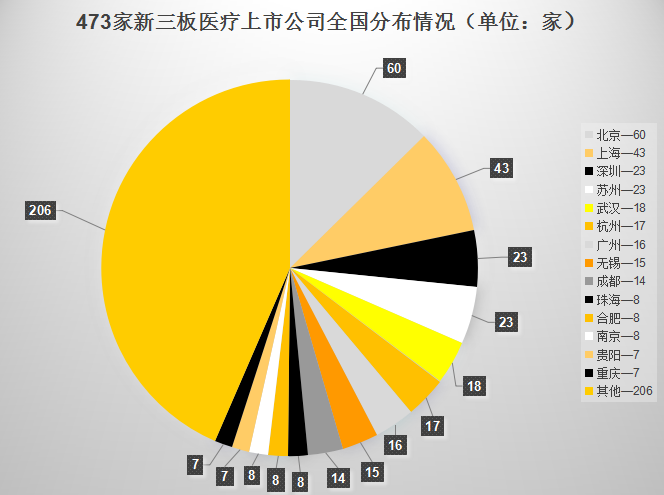
An analysis of the distribution of medical companies listed on China’s New Third Board reveals that, apart from Beijing, these enterprises are primarily concentrated in major cities across the Jiangsu-Zhejiang region, the Pearl River Delta, and the Yangtze River Basin. Cities with a strong industrial base, such as Beijing, Wuhan, Chongqing, and Shanghai, account for the largest combined share, which is directly correlated with the high proportion of companies engaged in pharmaceutical manufacturing.
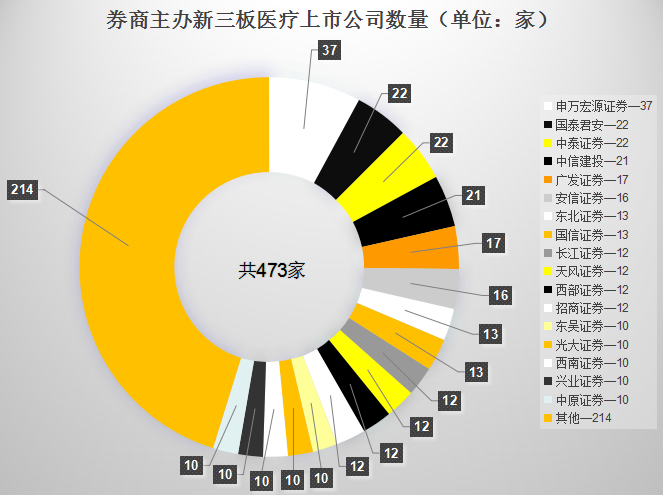
Among the lead underwriters for medical companies listed on the National Equities Exchange and Quotations (NEEQ), Shenwan Hongyuan Securities took the top spot with 37 listed enterprises; Zhongtai Securities and Guotai Junan Securities shared second place, each with 22 listed enterprises; while CITIC Construction Investment ranked third with 21.
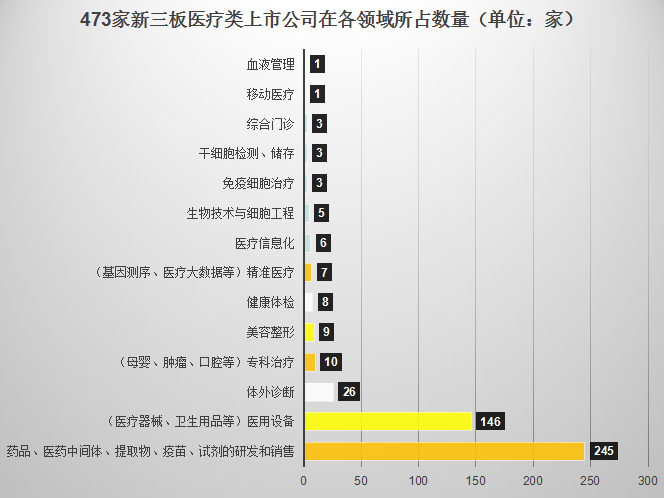
As shown in the distribution chart of the healthcare sector, pharmaceutical R&D and sales companies remain the leading group among healthcare enterprises listed on the New Third Board, totaling 245. Medical device and equipment manufacturers follow closely with 146 companies. Fueled by strong global investor interest in the in vitro diagnostics (IVD) industry, the domestic market is poised to enter a blue ocean of entrepreneurial opportunities. Currently, there are approximately 26 IVD companies listed on the New Third Board. Given the optimistic outlook from major investors, this sector is expected to experience rapid growth in the near future. Furthermore, data indicate that the number of companies operating in frontier technological fields such as precision medicine and healthcare informatics remains limited, suggesting that these sectors have not yet reached their inflection point for explosive growth.
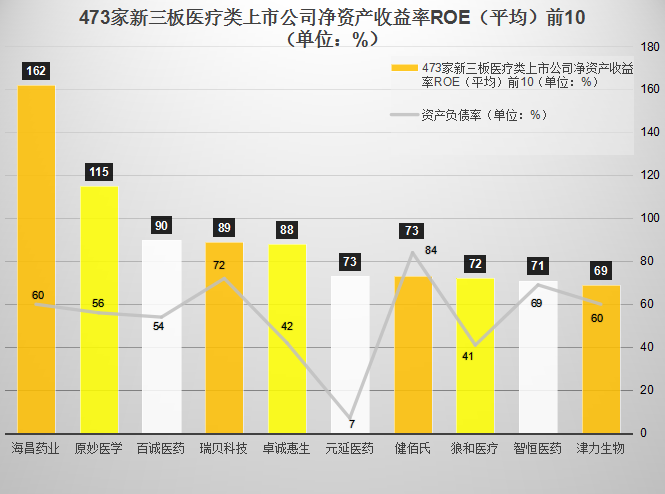
Data shows that Haichang Pharmaceutical had the highest average return on equity (ROE) among enterprises, reaching 162%, while Yuanmiao Medicine ranked second with 115%. Notably, Yuanyan Pharmaceutical had an exceptionally low debt-to-asset ratio of only 7%. From a development perspective, the company could further enhance its profitability in the future by appropriately increasing financial leverage.
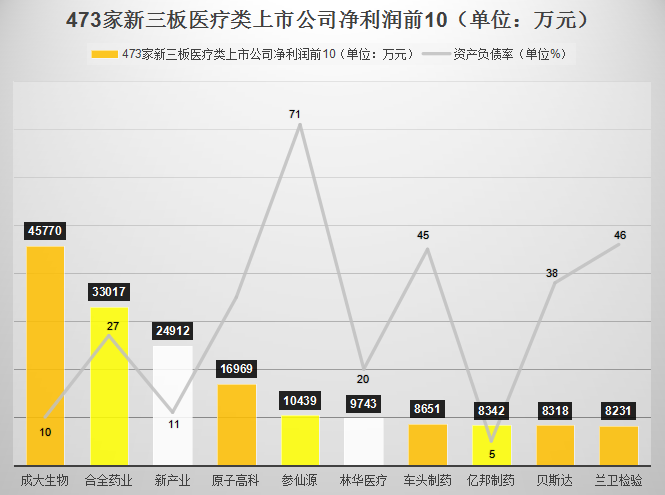
Among publicly available data, Chengda Biology recorded the highest net profit at RMB 450 million, with Pharmablock ranking second at RMB 330 million. Overall, due to high profitability, the debt-to-asset ratios of these companies remain relatively low. Notably, Shenxianyuan’s debt-to-asset ratio reached 71%. From a risk perspective, the company should moderately reduce its debt in the future to mitigate potential financial pressure.
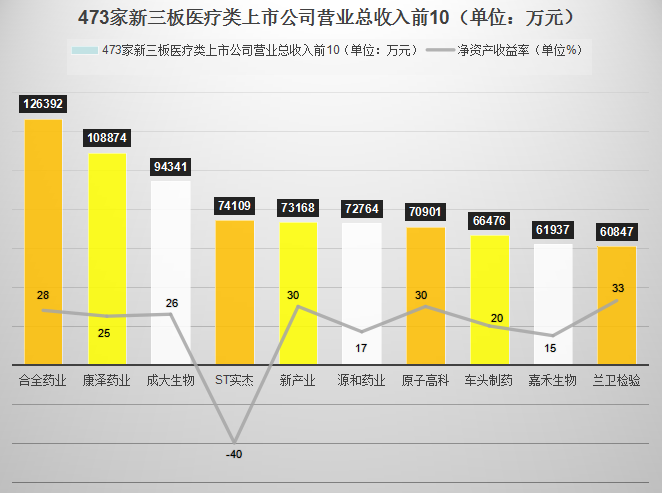
In terms of total operating revenue, WuXi STA and Chengda Biology once again ranked among the top three. Kangze Pharmaceutical failed to make the net profit list due to factors such as high operating costs, but it secured the second position on the operating revenue list. It is worth noting that ST Shijie, despite capturing the fourth spot in the revenue rankings, reported a return on equity (ROE) of -40%. If the company fails to identify profitable strategies promptly, it will face the risk of delisting.
Recommended Related Articles
Sankai Technology: China’s First Smart Elderly Care Stock
Tencent Partners with Tonghua Dongbao to Deepen “Internet+ Chronic Disease Management”
Zhongyu Capital Acquires Chenpai Pharmaceutical; M&A in Healthcare Funds Accelerates