

Alibaba Health and 65 Pharmacy Chains Launch 'China Pharmaceutical O2O Pioneer Alliance'
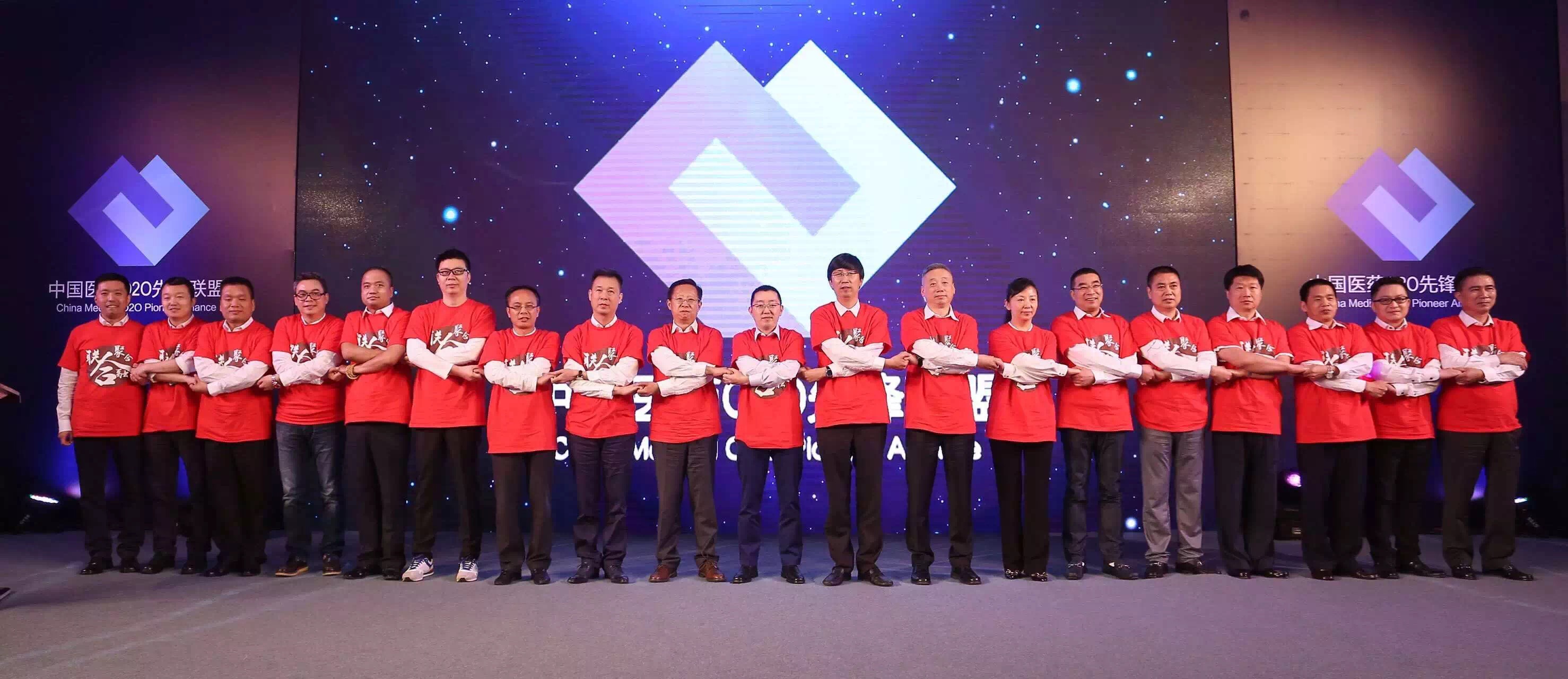
Deshengtang, Baicaotang, Kangaidu, and 65 other pharmacy chains have joined forces with Alibaba Health, an internet enterprise, to jointly announce the establishment of the “China Pharmaceutical O2O Pioneer Alliance” (hereinafter referred to as the Pioneer Alliance). Xu Yuping, a member of the alliance and host of its founding ceremony, stated that as pioneers in the pharmaceutical O2O sector, alliance members aim to leverage mobile internet and data technologies to integrate the upstream and downstream medical and pharmaceutical service industries, thereby redefining the future development of pharmaceutical O2O.
The Integration of Online and Offline Channels Is the Direction of Future Business Development
Regarding the future of pharmaceutical O2O, there are two contrasting perspectives within the industry: pessimism and optimism. At the inauguration ceremony of the Pioneer Alliance, scholars and representatives expressed the view that whether in terms of the healthcare reform policy environment, national economic trends, internet technology, or the capabilities of pharmacies themselves, all have reached a critical tipping point for industry transformation. If this opportunity is leveraged effectively, it could entirely drive a qualitative change in the business model of the pharmaceutical retail sector.
Ma Qiji, a researcher at the New Media Marketing and Communication Research Center of Peking University, Vice President of the E-commerce Committee of the China General Merchandise Association, and Chairman of the O2O Alliance, pointed out in his keynote speech titled “The Logic of O2O: The Internetization and Servitization of Commerce in the Internet Economy” that, against the backdrop of current global economic sluggishness coupled with thriving technological innovation worldwide, traditional economic models have been replaced by the information economy, which has become the main driver of economic growth. In the era of the information economy, two prominent trends are emerging: one is the servitization of economic forms, and the other is the internetization of economic forms. Over the past decade or so of China’s economic development, these transformations have been partially realized, as seen in sectors such as internet media, e-commerce, internet finance, the sharing economy, and the brand economy. “Currently, the broader health industry is also undergoing gradual transformation driven by the internet. Pharmaceutical O2O is not merely about drug delivery; rather, it constitutes comprehensive health management services covering the entire lifecycle of consumers (patients). Pharmacies, being the touchpoint closest to consumers (patients), have the opportunity to become the primary providers of such health management services,” said Ma Qiji.
Ma Qiji believes that the integration of online and offline channels is the future direction of commercial development. Many enterprises, such as Intime Retail and Bubugao (Better Life), have already put this into practice, transforming themselves from pure sales terminals into providers of lifestyle services through the O2O service model. Meanwhile, internet technology has created the material conditions for changes in business models. The improvement of 4G network speeds and the decreasing cost of data traffic have cultivated users’ greater acceptance of multi-dimensional online communication methods, including video, audio, and images. The popularity of mobile internet and smartphones has made the fundamental prerequisite for O2O—“constant connectivity”—a reality.
Long Yan, the inaugural rotating chairman of the China Pharmaceutical O2O Pioneer Alliance, offered an industry perspective, stating that as China’s pharmaceutical reforms deepen—ranging from promoting the separation of prescribing and dispensing and prohibiting hospitals from restricting outflow of prescriptions, to implementing the “two-invoice system” in the pharmaceutical distribution sector—a critical tipping point in the policy environment is imminent. After years of operation and development, chain pharmacies have also acquired capabilities such as community-centered professional pharmaceutical care services, customer-centric health management services, and internet-based marketing and interactive services.
Over 10,000 Pharmacy Stores Join the Pioneer Alliance
As department store retailers represented by Intime have nearly completed their transformation from retailers to O2O service providers, the Chinese pharmaceutical industry has only just begun its exploration in the O2O sector. The establishment of the China Pharmaceutical O2O Pioneer Alliance serves as a significant milestone.
At the inauguration ceremony of the Pioneer Alliance, Kang Kai, Chairman of the Alliance’s Expert Committee and a Director at Ali Health, announced that a total of 66 enterprises, including Ali Health, had officially joined the Pioneer Alliance, covering more than 10,000 retail pharmacy stores across nearly 100 cities in China. Following its establishment, the Pioneer Alliance will be committed to building an O2O ecosystem and a member management platform; promoting the separation of prescribing from dispensing and exploring the establishment of constructive collaborative relationships with hospitals; providing alliance members with training and educational services related to pharmaceutical retail and the internet; conducting industry research, analyzing industry trends, developing information resources, and establishing information and member networks; and leveraging the alliance platform to aggregate comprehensive advantages in pharmaceutical and industrial cooperation, formulate industry standards and codes of conduct, and continuously improve industry quality and service levels.
“We recognize that the ‘future is already here’ for pharmaceutical O2O. However, given the unique characteristics of long-tail services, we deeply feel that providing health management services across the entire lifecycle cannot be achieved by any single enterprise alone. Only through the integration of online and offline resources and industry-wide collaboration can we explore an O2O path suited to China’s pharmaceutical industry,” said Kang Kai. Guided by national healthcare reform policies and while enhancing their own pharmaceutical care capabilities, the alliance is making efforts on two fronts: on one hand, it strives to absorb prescriptions flowing out from hospitals; on the other hand, it further enriches service scenarios in pharmacies by introducing remote consultations via internet hospitals and equipping stores with smart diagnostic devices for blood pressure, blood glucose, and ECG monitoring. In this way, pharmacies are transforming into community health centers for residents and becoming new entry points for tiered diagnosis and treatment.
At the conference, Yang Guoliang, Vice President of Wuhan Central Hospital, also shared insights from the collaboration with Alibaba Health on the online hospital, particularly in areas such as video consultations and extended e-prescription services, offering a reference model for internet-based medical and pharmaceutical cooperation.
Service is the Core Competitiveness of Pharmaceutical O2O
According to statistics from VCBeat, among the more than ten major players previously active in the pharmaceutical O2O market, the vast majority focused on “rapid medication delivery.” However, disparities in operational capabilities led to variations in delivery times, ranging from a slowest of two hours to a fastest of just 28 minutes. Nevertheless, industry insiders believe that physical stores remain the mainstay of pharmacy e-commerce, with profitability hinging on localized operations and services. Currently, standalone medication-delivery apps merely address the logistics of drug distribution; they lack robust application scenarios and have failed to tap into users’ deeper needs.
At the inaugural ceremony of the Pioneer Alliance, host Xu Yuping acknowledged in his address that the alliance faces formidable tasks ahead. “The term ‘pioneer’ implies embarking on an arduous path never before trodden,” he stated. Nevertheless, Mr. Xu emphasized that the significance of establishing the Pioneer Alliance lies in enabling the industry to leverage “union, integration, and aggregation” to harness favorable policy factors, mobile internet, and data technologies. These efforts aim to enhance the pharmaceutical service capabilities of retail pharmacies, adapt to consumers’ emerging demands in the internet era, and explore O2O models suited to China’s pharmaceutical industry.
“Both brick-and-mortar and internet-based models are vital components of the future commercial economy; they should integrate with each other to achieve mutual benefit,” said Wang Lei, CEO of Ali Health and founder of the China Pharmaceutical O2O Pioneer Alliance. He noted that physical pharmacies currently hold significant value and will ultimately compete by delivering high-quality, comprehensive services. As an internet company focused on the pharmaceutical and healthcare sector, Ali Health boasts extensive experience in e-commerce, big data, and cloud computing. Additionally, Ali Health is actively exploring various areas of digital health, including online hospitals, tiered diagnosis and treatment, chronic disease management, and the application of smart devices. Through collaborations with pharmacy partners, Ali Health extends its medical services into pharmacy settings, enhancing their service capabilities and increasing user stickiness, thereby facilitating their transformation from mere sales outlets into hubs for health and lifestyle services.