

How Latecomers Can Lead the Pack? Insights from Over a Dozen NGS Experts (Part II)
On the morning of May 28, the NGS Innovation Developers Conference was officially held at the Grand Metropark Hotel in Beijing. Attendees included Researcher Zeng Changqing from the Beijing Institute of Genomics, Chinese Academy of Sciences; Dr. Li Yingrui, Partner at iCarbonX; Dr. Guo Youling, CSO of Hanhai Gene; Director Liu Hongxing from the Lu Daopei Hematology and Oncology Center; Dr. Chen Gang, CTO of WeGene; and Dr. Cai Wanshi, CTO of Agilent Technologies (China). They shared their insights on precision medicine during the event. As a co-organizer, VCBeat participated throughout and documented the guests’ remarkable speeches.
This is the second part.
Below are the insightful perspectives shared by the keynote speakers:
Guo Youling, CSO of Hanhai Genomics

Precision medicine relies on gene sequencing technology. Hanhai Gene is fully committed to developing third-generation single-molecule sequencers specifically for clinical applications.
2. The Development of Gene Sequencing Technology: The first sequencer was introduced in 1986, the second-generation sequencers hit the market in 2005, and today, third-generation genome sequencing can be achieved at a cost of $100.
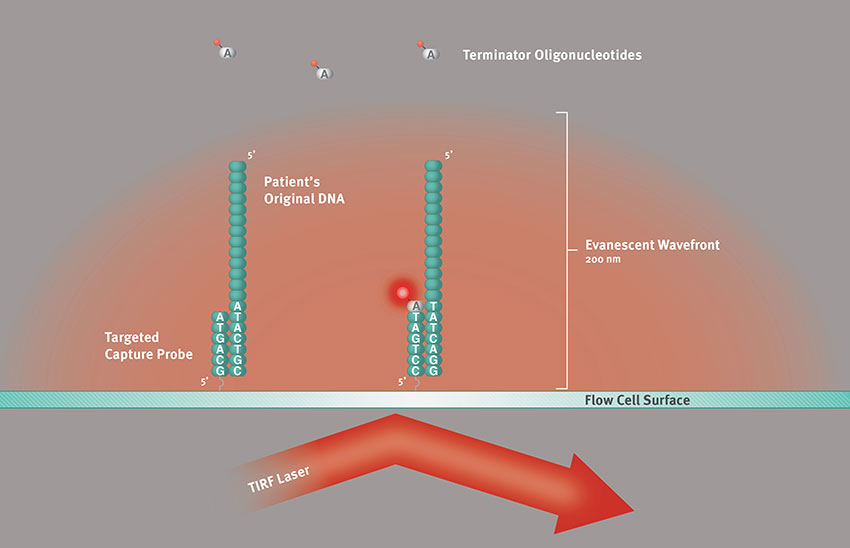
3. Third-Generation Gene Sequencing Technology: To promote the clinical application of gene sequencing and address the bottleneck of cumbersome sample preparation in high-throughput sequencing, we have developed an innovative third-generation gene sequencing technology—single-molecule sequencing. This approach creatively integrates targeted gene capture and sequencing into a single step, achieving single-molecule targeted sequencing. By eliminating the need for PCR amplification, single-molecule sequencing enables direct sequencing of original DNA molecules. Leveraging this cutting-edge technology, we aim to develop accurate, rapid, and cost-effective sequencing platforms for clinical use.
Single-molecule sequencing is built upon breakthroughs in physical optics. We employ total internal reflection fluorescence (TIRF) imaging technology to excite fluorescent molecules within a superficial layer of only 200 nanometers, thereby effectively eliminating background noise and enabling single-molecule imaging.
Advantages of single-molecule sequencing include: significantly reduced consumption of enzymes and reagents, leading to a substantial decrease in sequencing costs; no requirement for PCR amplification, thereby completely eliminating PCR contamination; no library preparation needed, enabling direct sequencing of native DNA, which greatly reduces sample preprocessing time and complexity; no reverse transcription required, allowing for direct RNA sequencing; and digital, precise quantification of gene expression levels.
Single-molecule sequencing platforms can be widely applied in: non-invasive prenatal diagnosis, detection of tumor gene mutations, detection of circulating tumor DNA in peripheral blood, pathogen detection, and detection of genetic variants associated with hereditary diseases.
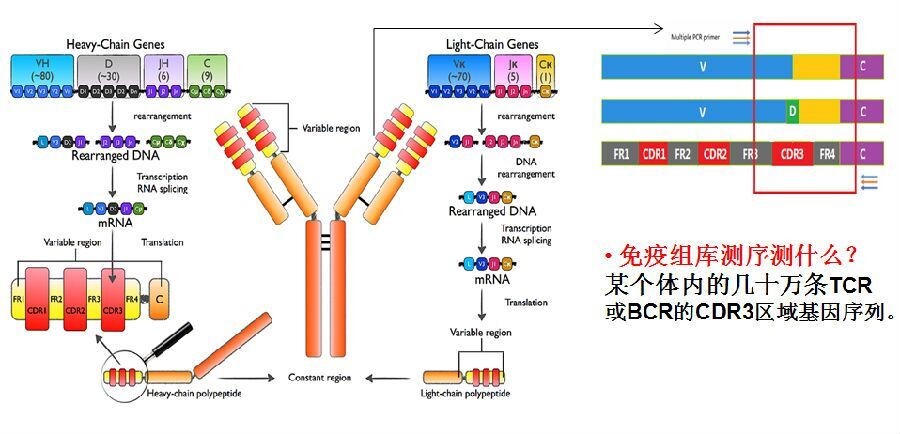
4. Immune Repertoire Sequencing Technology: The Hanhai Genomics immune repertoire encompasses the total sum of all distinct T lymphocyte and B lymphocyte clones within an individual. T cell receptors (TCRs) and B cell receptors (BCRs) are molecules that specifically recognize antigens and mediate immune responses; the diversity of TCRs/BCRs directly reflects the status of the body's immune response. Hanhai Genomics employs multiplex PCR technology to amplify the complementarity-determining regions (CDRs), which determine the diversity of B cell receptors (BCRs) or T cell receptors (TCRs). This is combined with high-throughput sequencing technology to comprehensively assess immune system diversity and deeply explore the relationship between the immune repertoire and disease. The immune repertoire has application value in vaccine and pharmaceutical development, biomarker discovery, minimal residual disease detection, research on autoimmune diseases, and post-transplant monitoring.
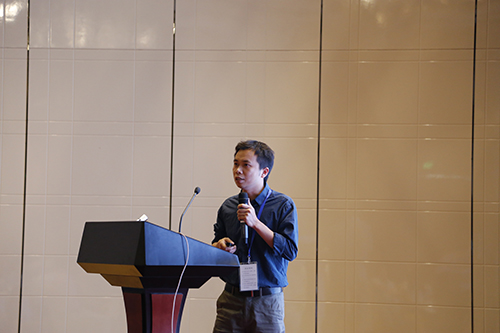
Dr. Wanshi Cai, Co-founder and CTO of Aiji TaiKang: Development and Application of Targeted Sequencing Technology
1. Multiplex PCR Targeted Capture Sequencing: Multiplex PCR targeted capture sequencing is a proprietary ultra-rapid detection platform developed independently by AgiTechon, designed for clinical-grade identification of gene hotspots. This comprehensive solution ensures amplification uniformity while enabling rapid, targeted linear amplification of thousands to tens of thousands of loci, including SNPs and Indels. It facilitates high-throughput parallel testing and in-depth analysis of large sample batches using mainstream sequencing platforms (such as Illumina and Life Technologies). AgiTechon also offers a fully open automated design platform and guided standard production workflows, providing customers with fully customized multiparameter primer design services. This approach significantly improves capture optimization efficiency and reduces false-negative rates. By eliminating the need for cumbersome library preparation, the entire process can be completed within five working days, ushering next-generation sequencing technology into an era of ultra-rapid precision medicine.
Targeted sequencing primarily relies on liquid-phase capture. Our team began exploring chip development as early as 2009 and made significant progress. Many members of our team have been dedicated to multiplex PCR research for many years, accumulating extensive experience. Last year, my partner and I decided to launch a multiplex PCR-based targeted capture sequencing technology developed independently in China, leading to the establishment of Aiji Taikang.
2. Introduction to Liquid-Phase Capture Sequencing: Liquid-phase capture sequencing is a proprietary targeted region genetic testing solution independently developed by AgiTech. It employs multi-factor algorithms to design genomic target regions, synthesizes highly specific probes, and performs liquid-phase hybridization with genomic DNA. Following the capture and enrichment of target sequences, high-throughput sequencing is conducted using mainstream platforms such as Illumina and Life Technologies. By studying target regions across large sample cohorts, this approach facilitates the discovery and validation of disease-associated genes and key loci. It holds significant application potential in clinical diagnostics and drug development, as well as broad applicability in agricultural research.
3. Differences and Advantages of Liquid-Phase Capture and Multiplex PCR: The principles underlying liquid-phase capture and multiplex PCR are largely similar, as both methods effectively enable targeted sequencing. However, the workflow for multiplex PCR is significantly simpler and faster, making it particularly suitable for clinical testing where rapid turnaround time is essential. Multiplex PCR has certain limitations, particularly in detecting unknown structural variants. In contrast, although liquid-phase capture requires two to three days, it is theoretically capable of detecting all variant types, including both known and unknown alterations.
4. The Significant Role of Gene Fusions: Among over 50 Chinese cases, we identified six novel gene fusions. Targeted sequencing of more than 300 samples using kinase panels revealed numerous previously uncharacterized gene fusions, from which we screened and identified CCDC6 fusions. Sequencing of 24 kinase-positive samples demonstrated that, despite identical fusion transcripts, they arose from distinct structural variants. Structural variations are highly heterogeneous in tumor tissues, and liquid-phase capture enrichment effectively handles both known and unknown variants.
To effectively and accurately detect such copy number variations or structural variants, it is essential that the sequencing data exhibit high coverage, uniformity, and a high proportion of valid reads. Based on our in-depth research into nucleic acid sequences, we have developed a nucleic acid hybridization theoretical model that is applicable to both liquid-phase capture and multiplex PCR.
In addition to the hybridization model accounting, we have also designed a probe design system. Our system can cater to our users' needs; for instance, if a user is particularly concerned about a specific site and this site is of great importance, we can conduct research on probes targeting this site according to the requirement, thereby achieving zero omission at key locations.
5. Comparison of TargetSeq Metrics with Agilent: The technical specifications of TargetSeq are now largely comparable to those of Agilent, with certain metrics even surpassing them. In terms of application, TargetSeq offers advantages over Agilent because we provide customized, personalized solutions that do not require more than 80% ancillary reagents or kits. Some TargetSeq panels feature fewer target sequences, resulting in higher capture efficiency. Our system also demonstrates robust performance across various sample types, consistently achieving high capture efficiency.
Pu Hao GenSeizer Gene Capture Technology
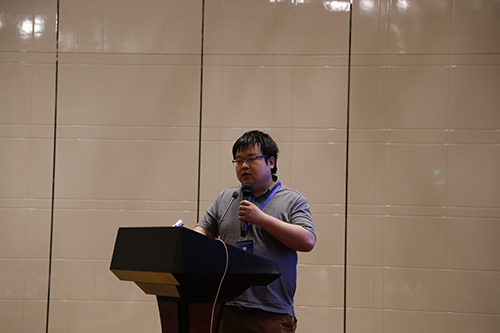
1. Morgene: Founded in Shanghai in 2015, Morgene is a biotechnology company specializing in the development of molecular biology technologies. Currently, Morgene’s primary business is providing customized gene capture solutions, with its flagship product, GenSeizer, serving as the core platform for the capture workflow.
We select different strategies based on the type. For standard DNA and cell-free tumor DNA (ctDNA), we choose different fragment lengths to ensure optimal applicability to the specific sample. Depending on the sequencing platform, we adopt different amplicon length design schemes.
2. Five Key Features of GenSeizer Technology: Cross-platform compatibility; ultra-short capture process completed in 3.5 hours; top-tier capture efficiency; scalability; and low capture cost.
Dr. Bao Lei, Star Research
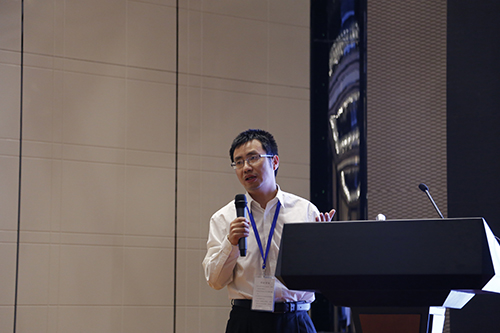
Many aspects of next-generation sequencing (NGS) data, particularly large-scale structural features, are either unanalyzable or extremely challenging to analyze. Our platform enables the following capabilities:
For genomic phasing, we inherit one chromosome from our father and one from our mother. It is difficult to distinguish them using short reads; however, this becomes feasible with long-range information. In next-generation sequencing, for instance, repetitive sequences at specific loci can be resolved by leveraging increased read lengths. Additionally, as mentioned earlier regarding large-scale structural variants, there is another particularly interesting application: although not originally developed for this purpose, once the technology was successfully established, it could be applied to single-cell RNA sequencing.
It adopts a different approach from third-generation sequencing. While third-generation sequencing involves changes at the level of sequencing principles, this technology does not; instead, it employs a core technique that bridges long and short reads. The core technology lies in the production of 4 million specialized magnetic beads, each bearing identical sequences. Barcodes determine the identity of each magnetic bead.
What does the instrument do? It mixes high-molecular-weight DNA with magnetic beads to form four million water-in-oil microreactors. Each microreactor contains one to five DNA molecules along with their corresponding magnetic beads, effectively enabling single-molecule synthesis and primer synthesis within each compartment. Once the reaction is complete, the oil phase is broken to form a homogeneous aqueous phase, thereby completing the library construction. The most critical aspect is that all short sequencing reads derived from molecules within a single bead share a common identifier. To use an analogy, if every sentence in a book were scrambled, reconstructing it would be extremely difficult. However, if we know which sentences originate from the same page, the problem becomes much simpler.
It has been immensely helpful for our bioinformatics analysis. The genome contains certain repetitive sequences that are highly similar, making it difficult to determine their origins. With this technology, such challenges are perfectly resolved. In terms of application, it enables the detection of genomic regions that were previously inaccessible or undetectable, allowing for the identification of large-scale copy number variations (CNVs).
As a user, my evaluation is as follows: First, it achieves DNA fragment sizes of 100–150 kb within microreactors. Through its system algorithms, it can process human genomic data up to 16 MB, which is exceptionally long and highly useful. The required input amount is 1.2 nanograms, rather than the 800 nanograms typically needed.
Dr. Qin Nan, Shandong Academy of Genetic Sciences
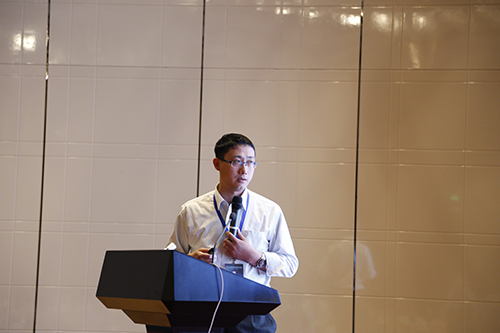
This topic differs from peer research in that we are not studying the human body itself, but rather the human microbiome.
The microbiome, which includes the abundant microorganisms on our skin and in the gut—such as bacteria, fungi, and other intestinal microbes—has been extensively studied. Metagenomic sequencing studies have demonstrated that gastrointestinal diseases are primarily chronic in nature; furthermore, conditions such as diabetes and cardiovascular diseases exhibit a strong association with gut health.
Numerous microbiome initiatives have been launched internationally, while China has lagged behind. For instance, the United States implemented the Human Microbiome Project (HMP), and the European Union conducted a framework project focused on gut microbiota.
On May 13, 2016, the Obama administration announced the launch of the U.S. National Microbiome Initiative, with a federal investment of $121 million and $400 million in private sector contributions, totaling $521 million.
This initiative has three primary objectives: 1. To support interdisciplinary research aimed at addressing fundamental questions about the microbiome in diverse ecosystems, such as defining what constitutes a healthy microbiome. 2. To develop tools, including handheld and wearable devices integrated with our software, for the real-time detection of microbes in air, soil, water, and the human body. 3. To train relevant personnel.
Specific Applications: Being implemented both domestically and internationally for colorectal cancer detection. The pass rates for Stage I and Stage II are very high, whereas the pass rate for Stage III is significantly lower, underscoring the critical importance of preliminary screening. Our evaluation of a 223-bacterium diagnostic panel for colorectal cancer at different stages demonstrated an accuracy rate of 85%, which is remarkably high.
A potential future service workflow may be as follows: We conduct at-home sample collection and obtain test reports, which are then used to guide your medical examinations, dietary adjustments, and pathological interventions.
Target markets fall into four main categories: mass-market customers, health checkup institutions, medical facilities, and research institutions.
HCODE CEO Hu Peng: Exploring the Human Microecology in Rural Areas Based on User Needs
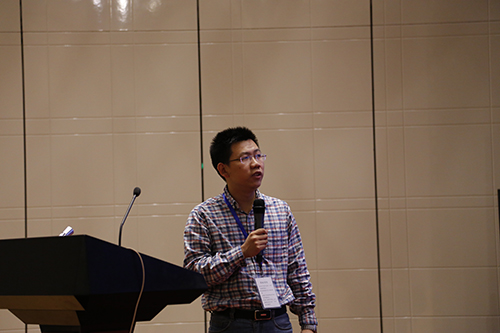
We aim to assess and analyze the status of the microbiome at various body sites, using these insights as targets for intervention and improvement to develop personalized management plans. By employing diagnostic and interventional approaches, we can identify underlying issues and devise effective strategies to address microbiome-related abnormalities, thereby optimizing the microbial environment. This approach helps mitigate risk factors associated with diseases, genetic predispositions, and other influencing variables.
We hope that the following foundational approaches can assist relevant enterprises or companies: improving health evaluation systems, preventing disease occurrence, establishing intervention libraries, and developing diagnostic and therapeutic methods.
Currently, in the field of microbiome research, studies with cohorts of around 1,000 participants are becoming increasingly common. Most platforms are oriented toward providing scientific research services, assisting researchers and institutes in publishing papers and securing a competitive edge in scientific discovery. For instance, data from cohorts of 200–300 patients with diabetes collected by one researcher may also be applicable to another investigator studying different diseases. How to improve the utilization rate of such resources remains a key challenge.
Wang Bing, CEO of Shanggu Qiyuan: NGS Fun Application Solutions
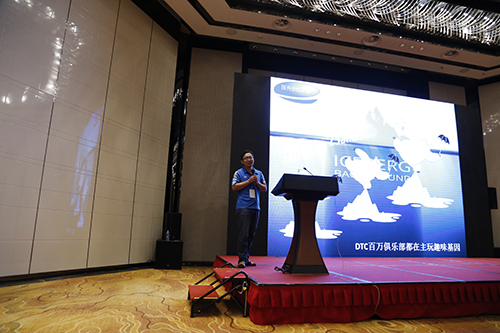
Industry Pain Points: I aim to engage in service-oriented work by establishing a studio to develop mass-market health DNA products. In the NGS-based DTC sector, there are already companies that have secured tens of millions in financing, along with numerous new entrants. If we broaden our perspective on the genetic industry landscape, we observe that sequencing services are oversaturated, whereas the post-sequencing application market remains largely neglected. As a B2B service provider, a question we have long contemplated is what specific services we should offer to support B2C businesses.
Path to Breakthrough: Our focus is on developing a product that is as cost-effective as possible while still meeting application requirements. We have made an intriguing attempt with NGS, devising a solution to achieve the analytical objectives currently attainable through mainstream technologies such as chips.
Our technical solution employs Mini Whole-Genome Sequencing, which essentially achieves the highly detailed Y-chromosome haplogroup typing comparable to 30X whole-genome sequencing. This approach enables the identification of familial markers spanning three to five hundred years. In contrast, analyzing only a few or even tens of thousands of specific sites on the Y chromosome cannot yield such results, as family-specific mutations occur randomly across the genome.
Added Value: The genome contains an enormous number of copy numbers, which can be fully covered by Mini whole-genome data. In fact, we also tested medical data during this process and found that its performance was approximately 50% relative to the benchmark, which is quite promising. However, integrating medical data with consumer interest data involves highly complex issues in the future.
Chromosomal analysis is often perceived as having limited application scope and little practical value. In fact, both autosomes and the X chromosome can serve as genetic markers. Genetic analysis reveals that these chromosomes can be categorized into several haplogroups. Autosomal-based products will evolve into tangible genetic offerings with attributes conducive to community-driven dissemination, including more engaging features. For instance, we focus on factors related to emotional cognition and package them as genetic insights.
A Gene-Based Visual Family Tree: Many people seek their roots, with some spending millions on documentaries and other endeavors. For instance, American productions have explored this theme. When we collaborated with Hunan Satellite TV, we aimed to develop a similar concept into a consumer-facing product. Targeting women and infants, the product would feature immersive experiences such as time-travel narratives, beauty pageants, and opportunities to wear various ethnic and ancestral costumes.
Genealogy Tourism: In 2015, the online-only segment of China’s tourism industry reached a market size of RMB 300 billion. By targeting a very narrow application niche, we are not suggesting that the gene sequencing market itself is worth tens of billions; rather, the larger market lies in traditional sectors.
Gene Health App Supermarket: Just as DNA has separately announced its health modules, we aim to do something similar in the future.
Project Background: When you open your WeChat Moments, you’ve likely followed nearly all the official accounts of B2C companies. It feels overwhelming to navigate this environment, saturated with aggressive and fear-based marketing tactics. One must question whether such strategies truly resonate with everyday consumers. Many peers claim they offer research projects or services free of charge to friends, but this does not address mass-market needs. Our focus is on providing health services to healthy individuals. What we aim to do is make health management engaging—sharing interesting insights occasionally to influence people—and ultimately create a genuine closed-loop ecosystem through entertaining formats.
Dr. Zhao Nan, CSO of Jellyfish Gene: Internet-Based Precision Health
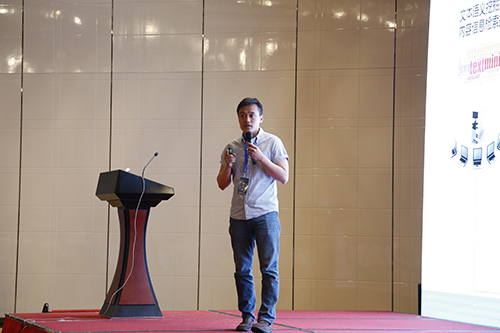
Jellyfish Gene is primarily built on an internet platform, providing industry-specific genetic testing services to various sectors, including health management and sports wellness.
Jellyfish Gene Technology Co., Ltd. primarily addresses the following issues:
1. Providing industry solutions and data integration systems. Our AI-powered integration platform places greater emphasis on data understanding and processing. With the concept of a knowledge base, where diverse types of knowledge require automated systems, we can collect extensive testing data alongside data provided by industry experts. This constitutes our most complex form of data presentation. The wide variety of potential data types within this database presents significant challenges. As the volume of available data grows, how we integrate these data solutions remains our primary focus.
2. Integration of existing knowledge and voice mining, including content information chaining. In this regard, we have fully automated the highlighting of public genotypes by leveraging big data mining technologies to establish associations and knowledge across different datasets.
3. Within a specific industry, provide a knowledge base for application scenarios that integrates molecular testing data, specialized industry data, and insights tailored to individual habits, work routines, and lifestyle challenges requiring solutions.
GeneCard CEO Hou Yubin: Precision Health Management
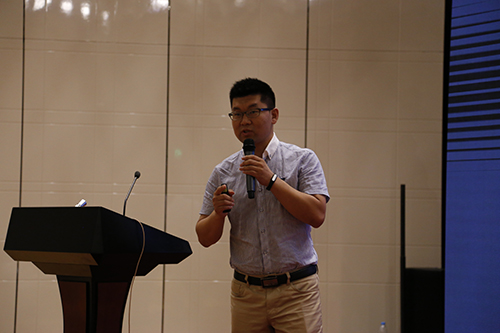
Genetic data, phenotypic data, and longitudinal data are fundamentally derived from users; without users, these three types of data would not exist. Therefore, the key question is how we acquire users. Today, my primary focus is not on precision health management, but rather on what constitutes “user-centric thinking.” I hope everyone can adopt the perspective of an ordinary user—setting aside the viewpoints of professionals in the biotech sector—to understand how the general public integrates genetic information into their lives.
Genetic testing must first reach end users, who then disseminate it further. A critical factor for the success of genetic testing is its ability to directly engage users; without this, all genetic testing efforts would be in vain.
Experiential consumption is now the trend. By offering hands-on experiences, we can draw users into the genetic testing industry and encourage them to give it a try, thereby integrating genetic testing into everyday life.
I believe that, much like the internet, rather than speaking of "Genetics+," it is better to frame it as "+Genetics"—integrating genetics into traditional industries. Irrational consumption accounts for a significant portion of people's daily transactions. There are many reasons for irrational consumption; generally, it stems from consumers' desire to mitigate risk. This manifests in two ways: first, a tendency toward conservatism, where individuals feel a purchase is unnecessary; second, when facing potential psychological loss, they are willing to spend money to avoid losing something. In the realm of genetic testing for disease and health management, if single-gene testing fails to adequately address or mitigate these risks, it will not drive repeat purchases.
Roundtable Discussion: How Far Are Precision Medicine and Personal Genomic Testing from Mass Adoption?
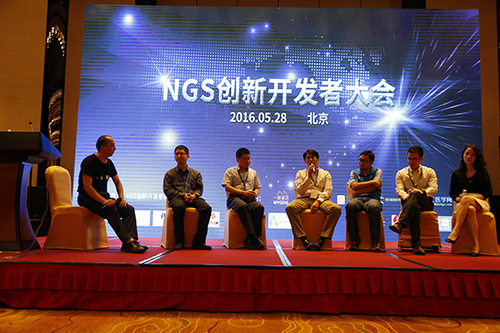
Chai Yingshuang: In the healthcare sector, given my medical background, I adhere to a rigorous medical mindset. Genetic technologies must be integrated into existing clinical practices. It is difficult for the internet to disrupt healthcare because its core value lies in information symmetry, whereas medical knowledge is inherently asymmetric. Physicians develop their expertise through years of clinical training and practice, building a comprehensive knowledge system from junior levels upward. It is unrealistic to expect parity between patients who simply search for information on Baidu and trained physicians. There are inherent issues with relying solely on internet-sourced health information. Gene sequencing introduces new possibilities; however, I believe it should be incorporated into established workflows to create opportunities. This includes shifting focus from manufacturers, as we have discussed, to areas such as oncology—where liquid biopsy has gained prominence in recent years—and other emerging fields. For genetic disorders, gene interpretation is already quite clear.
Zhou Jun: I believe there will be very promising applications in the future, whether in the field of precision medicine or in the B2C sector. We currently observe that many teams lack clarity on what they can achieve. In contrast, this team first understands its own capabilities and seeks to meet industry demands. We expect its business model to possess self-sustaining revenue-generating capability; only then will it gain our recognition.
Oriental Securities: Cross-industry M&A is permissible only when certain conditions are met. In short, it should not adversely affect the listed company. Given the current scale of most NGS companies, this rule has minimal impact. Regarding gene testing, I observe a growing trend away from purely conceptual plays, managerial posturing, or stock speculation. Equity investments or acquisitions driven by such motives are now quite rare and becoming even scarcer. Instead, the focus is increasingly on whether equity stakes or investments can generate synergies with existing operations. There is significant potential for synergy, particularly for sports-related companies, pharmaceutical firms engaged in drug development, and medical device manufacturers. I believe that future market behavior will become increasingly rational and well-founded, with M&A activities driven by tangible business interactions and synergies.
Director Liu Hongxing of the Lu Daopei Hematology and Oncology Center: We have been conducting screening for over 30 genes since 2012. Currently, there are numerous gene mutations, far more than those seen in lung cancer, and they carry substantial clinical significance. The 2011 World Health Organization classification criteria listed genes as a distinct category. The cover of that publication introduced a new disease classification system, signifying the adoption of genetic concepts as its foundation.
First, I believe that liquid biopsy is valuable for hematologic malignancies. Second, previous research was hindered by practical challenges; for instance, molecular analysis of genetic mutations in lung cancer required surgical resection of tumor tissue. With the advent of convenient liquid biopsy techniques, such invasive surgeries are no longer necessary.
Wang Bing: In various niche sectors, we should focus on developing products that truly serve the mass market and meet people’s genuine needs. I believe that out of 100 individuals, perhaps only one or two would actually be interested in understanding what genetic testing entails. Therefore, I personally feel it is essential to delve deeply into areas with real demand, such as fitness-related applications or other fields. For my part, I am more focused on integrating genetics with cultural and creative content, aiming to create more products that deliver public value.
Liu Xueyan: The so-called "risk prediction" in our current genetic testing is not a diagnosis in the true sense. When people look at their reports and see a figure like 75%, this cannot be verified; it represents only a probability. Issues such as how to establish associations with gene efficacy, pleiotropic genes, and other effects remain challenging. The development of science itself has brought confusion to genetic testing. I believe that, from a macro perspective, we must continue to advance. Each stage has its own characteristics, much like pharmaceutical development. This is a dialectical viewpoint: on one hand, science is progressing; on the other, pseudo-science emerges during the process. The current questions are how long this process will take and how to scientifically organize these efforts. Professionals in the biology industry need to reach a consensus on how to promote scientific advancement within this landscape, ultimately serving consumer needs and benefiting all humanity.