

How Latecomers Can Take the Lead? Insights from Over a Dozen NGS Experts (Part I)
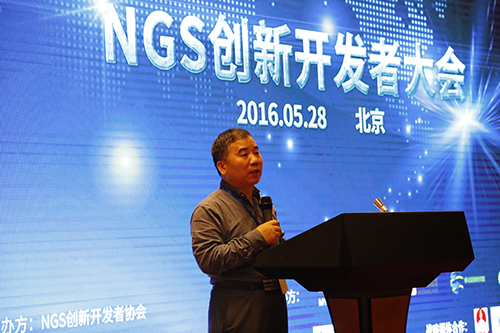
On the morning of May 28, the NGS Innovation Developers Conference 2016 was officially held at the Grand Metropark Hotel Beijing. Attendees included Researcher Zeng Changqing from the Beijing Institute of Genomics, Chinese Academy of Sciences; Dr. Li Yingrui, Partner at Shenzhen iCarbonX Intelligent Technology Co., Ltd.; Dr. Guo Youling, Chief Scientist at Hanhai Gene; Director Liu Hongxing from the Laboratory Department of Lu Daopei Hematology and Oncology Center; Dr. Chen Gang, CTO of Shenzhen WeGene; Dr. Cai Wanshi, CTO of Agilent Technologies (note: likely a specific company named Aiji Taikang based on context, translated phonetically as Aiji Taikang); and Mr. Wang Bing, CEO of Shanggu Qiyuan. They shared their insights on precision medicine during the event. As a co-organizer, VCBeat participated throughout the conference and documented the distinguished guests’ compelling remarks.
This is Part I.
Hao Xiangwen, founder of Yimai Genetics, stated at the conference, “We aim to establish the NGS conference as a regular event, serving as a platform for exchange and communication, thereby driving the advancement of this industry.”
It is understood that the 2016 NGS Innovation Developers Conference featured three main themes: precision medicine, gene technology, and consumer genetic testing. Hao Xiangwen noted that, in the realm of precision medicine, the national government has already introduced relevant policies and plans to support its development. Regarding gene technology, industry practitioners are tasked with integrating various segments of the gene technology value chain to foster collective progress and accelerate industry advancement. From the perspective of target customers, the cost of gene sequencing has dropped significantly, opening up a relatively large and broad market with a widely distributed customer base. Under this trend, corporate research costs have inevitably decreased substantially, while lower entry barriers and policy promotion have attracted significant capital inflow.
Below are the insightful perspectives shared by each keynote speaker:
Zeng Changqing, Researcher at the Beijing Institute of Genomics, Chinese Academy of Sciences: China’s Precision Medicine Initiative Started Relatively Late
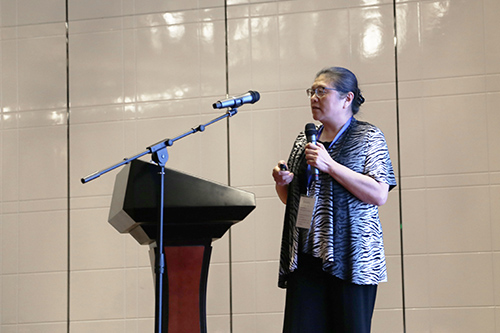
1. Precision medicine represents a new medical revolution, offering solutions for complex diseases such as leukemia, cancer, and genetic disorders. Genomic medicine relies on the molecular mechanisms of genes and is grounded in evidence-based practice to achieve personalized precision healthcare.
2. Precision medicine addresses the initial challenges of complex diseases by enabling precise diagnosis and treatment tailored to an individual’s genomic profile and molecular variants, thereby reducing incidence rates and improving therapeutic efficacy.
3. The era of precision medicine has just arrived, and its development requires three phases: the first phase involves sample collection and ownership; the second phase entails establishing a large-scale database and analyzing the samples; the final phase is personalized medicine, which represents the ultimate goal of precision medicine. Notably, the tipping point for precision medicine is the early advent of the $1,000 genome.
4. China’s precision medicine initiative started relatively late. In 2016, a report on key national projects highlighted the launch and objectives of precision medicine programs. The participants in these projects are predominantly cancer patients, individuals with chronic diseases, pregnant women, and newborns, along with a small number of healthy individuals. During the first phase, China has already collected a large volume of biological samples. However, establishing databases for these samples and conducting subsequent analyses pose significant challenges in terms of both human resources and financial investment. We hope that these issues can be resolved as soon as possible.
Li Yingrui, Co-founder of iCarbonX: The Field of Bioinformatics Needs to Be Better Researched and Utilized
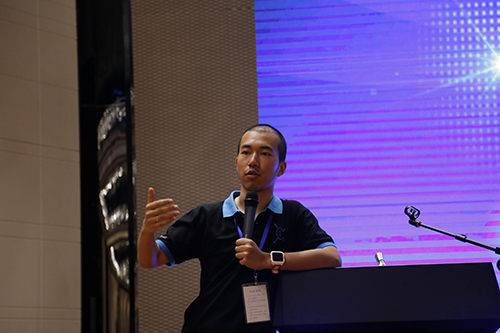
1. In China, bioinformatics is still widely regarded merely as a technology rather than a discipline. Only by elevating it to the level of a field worthy of scholarly research can we harness its full potential.
2. The field of bioinformatics is essentially a discipline that emerged from the development of next-generation sequencing (NGS) by digitizing its data.
3. The three major challenges currently facing the bioinformatics field are: First, establishing a neutral, large-scale platform that facilitates communication and collaboration among diverse stakeholders within the industry. Second, data analysis—rather than merely accumulating sample data, we must leverage biological insights to transform this information into actionable knowledge, thereby generating meaningful hypotheses and inferences. Third, pricing strategy—bioinformatics inherently possesses significant value, which should not be determined solely based on cost.
Wenqiang Yu of Fudan University: Research on DNA Methylation
1. At the level of applying CHG and CHH DNA methylation technologies, China has achieved a certain degree of proficiency. Relevant case studies have interpreted methylation monitoring in hepatocytes; among these, microarray-based methylation analysis demonstrated limited accuracy in validating methylation patterns in hepatocellular tumors. Other studies have covered breast cancer, renal cell carcinoma, and cervical cancer.
2. DNA methylation levels can be used to assess the extent of cancer cell dissemination and to clinically monitor the disease stage in patients; a DNA methylation-based cellular monitoring threshold of 30% has been reached,
3. Such technologies are currently being applied in pan-cancer research. DNA methylation biomarkers can be used for early diagnosis of tumors, differential diagnosis of suspicious masses, and health screening of high-risk populations, including examinations for hematologic disorders (peripheral blood testing), digestive system tumors, urinary system tumors, and gynecological tumors.
Director Liu Hongxing, Department of Laboratory Medicine, Lu Daopei Hematology and Oncology Center: Current Status and Prospects of Precision Medicine in Hematologic Diseases
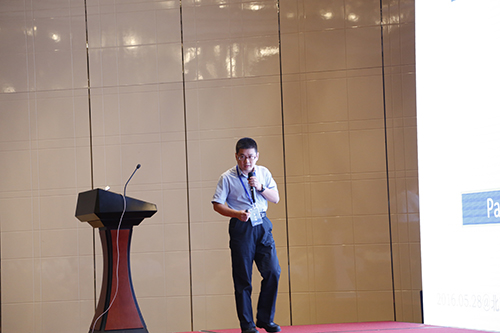
1. The core technical expertise of the Lu Daopei Hematology and Oncology Center lies in research on the treatment of chronic myeloid leukemia (CML). Its clinical applications encompass next-generation sequencing (NGS), acute promyelocytic leukemia (APL) therapy, fusion gene detection, polymerase chain reaction (PCR) methods, and NGS-based identification techniques. Additionally, the center has made significant progress in the treatment of pediatric B-cell acute lymphoblastic leukemia (B-ALL), including advancements in risk stratification and optimization of chemotherapy regimens.
2. Lu Daopei Hematology and Oncology Center aims to conduct more in-depth research on how to better utilize the results generated by genetic monitoring in the future, identify technological breakthroughs, and improve the translation and application of existing knowledge.
Li Fugen, CTO of 3DMed: Clinical Applications of Liquid Biopsy and Complex Mutation Detection
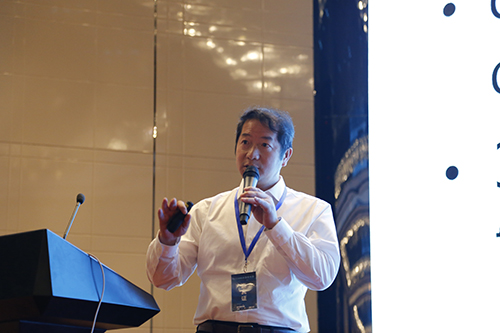
1. 3D Medicines’ liquid biopsy for cfDNA and ctDNA: drug administration, pharmacological effects, drug metabolism in the human body, and the causes of and solutions to drug resistance.
2. 3DMed maintains its own independent database and has established a proprietary comprehensive characteristic profile of familial colorectal cancer. In the future, additional samples can be collected to further enhance the accuracy of this database.
Dr. Chen Gang, Co-Founder and CTO of WeGene: The Compromises and the Horizon of Direct-to-Consumer Genetic Testing
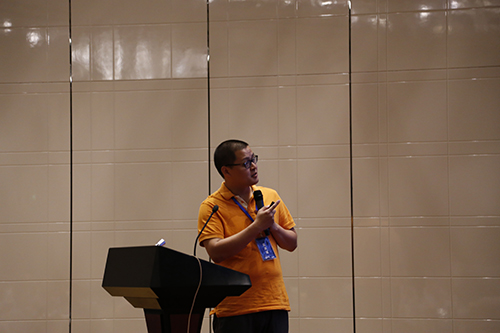
1. Currently, the main products of personal genomic services include autosomal ancestry composition analysis, which employs Bayesian methods based on allele frequency and machine learning methods based on haplotypes.
2. WeGene has added several new technology-based service offerings to create additional revenue streams, such as the sale of its comprehensive WeGene service packages.
3. WeGene conducted a study on nicotine addiction in the Chinese population.