

Review of Seven Digital Stethoscopes from China and the U.S.: Technologies, Features, and Market Developments
Background Knowledge
With the continuous advancement of modern technology, medical equipment used by physicians is also undergoing constant updates and iterations. Taking the stethoscope as an example, it was invented in 1816 by the French physician Laennec and primarily consisted of a hollow wooden straight tube. Although it has been continuously improved during clinical application, its basic structure has remained largely unchanged, mainly comprising the sound-collecting component (chest piece), the conduction component (tubing), and the listening component (earpieces).
Stethoscope types currently include single-purpose stethoscopes, dual-purpose stethoscopes, triple-purpose stethoscopes, standing stethoscopes, multi-purpose stethoscopes, and the newly emerged digital stethoscopes. Digital stethoscopes utilize electronic technology to amplify body sounds, overcoming the high noise levels associated with acoustic stethoscopes. They convert sound waves into electrical signals, which are then amplified and processed to achieve optimal listening quality. Compared with acoustic stethoscopes, they are based on the same physical principles.
The primary objective of digital stethoscopes is to maintain the look and feel of acoustic stethoscopes while enhancing the detection capability of sound signals. Additionally, high-end digital stethoscopes offer several new features, such as:RecordingandPlayback, it can also provide intuitive data display results and show them on peripheral displays, such as computer monitors. Advanced features enhance physicians' diagnostic capabilities. Digital stethoscopes maintain the form factor of existing acoustic stethoscopes while improving performance.
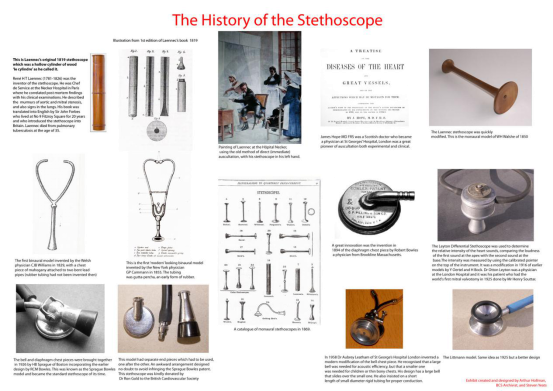

The diagnostic capabilities of digital stethoscopes are categorized into three stages. The first stage involves distinguishing between normal and abnormal heart sounds, a level at which most current digital stethoscopes remain. In the second stage, the device identifies specific diseases based on the distinct characteristics of heart murmurs. The third stage enables the recording of individual cardiac features and trends, the construction of personalized health models, the assessment of cardiovascular health trajectories or treatment efficacy for cardiovascular diseases, and the provision of further diagnostic and therapeutic recommendations.
3M Littmann: Pioneering the Digital Stethoscope
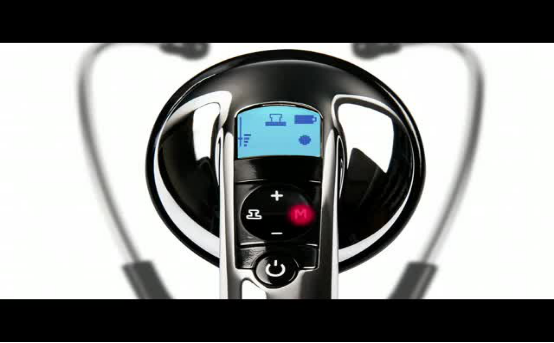
In 2009, the Medical Solutions Division of 3M Company (MMM), a Fortune 500 enterprise renowned for its diversified technology and innovation, launched the 3M Digital Stethoscope. The introduction of this product marked the first major upgrade to the stethoscope in the two centuries since its invention. The 3M Littmann Electronic Stethoscope introduced by 3M was the first electronic stethoscope to utilize Bluetooth technology. It wirelessly transmits signals from the heart, lungs, and other body organs to a physician’s computer, where Cardioscan software displays sound waveforms on the screen in real time, thereby more accurately revealing potential cardiac abnormalities. Subsequently, the software analyzes the acoustic waveforms and highlights details of abnormal segments representing harmful murmurs. Physicians can reduce the playback speed by half to examine issues more closely, save files to patients’ examination records, and email them to cardiologists for diagnostic confirmation. This system not only captures dangerous murmurs with precision but also helps reduce costs associated with more expensive electrocardiogram (ECG) tests and unnecessary consultations with cardiologists.
John Kallassy, CEO of Zargis Medical, stated, “The partnership between 3M and Zargis has transformed traditional electronic stethoscopes into advanced medical tools, replacing physicians’ guesswork regarding heart murmurs and enhancing diagnostic capabilities. Cardioscan software represents a breakthrough in medical technology; its application has reduced unnecessary medical referrals while improving diagnostic outcomes.”
Currently, 3M Littmann products are sold worldwide, with the latest model being the 3M Littmann 3200.
StethoCloud: Using Smartphones to Assist in the Detection of Pediatric Pneumonia
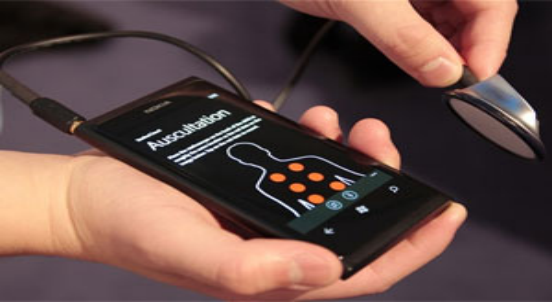
In 2012, a team of scientists from the University of Melbourne in Australia developed a software suite called “StethoCloud.” Leveraging cloud computing technology, it enables preliminary diagnosis of pediatric pneumonia via smartphones even in the absence of a physician.
The StethoCloud app guides users to employ appropriate techniques for auscultating patients' respiratory sounds. By connecting a stethoscope equipped with a microphone to the iPhone's audio jack, the application captures the necessary data and uploads it to cloud servers, where noise is filtered out to generate analytical samples. Upon completion of the analysis, feedback is sent back to the user's mobile device.
StethoCloud states on its official website: “Delivering better, more affordable healthcare through smart diagnostics in every hospital and every home.”
The One: Capable of extracting specific audio tracks individually for research purposes
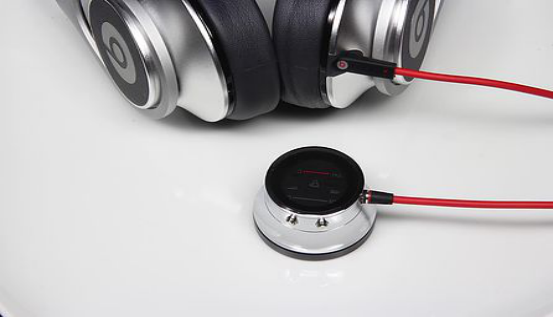
In 2014, Thinkslabs Medical, a company based in Colorado, USA, launched a digital stethoscope called The One. This device uses electronic amplification technology to increase chest sounds by 100 times and can also analyze related audio through a mobile app.
It features an electronic display that shows battery level, volume, and sound frequency. The stethoscope has a standard 3.5mm headphone jack, allowing users to connect their own headphones. Of course, The One also comes with a pair of headphones as part of its standard hardware package. Notably, the headphone jack doubles as the charging port. Depending on usage frequency, The One stethoscope requires charging once or twice a week.
The Thinklabs Stethoscope app currently supports iOS, Android, Mac, and PC devices. Physicians can record audio and selectively filter certain sounds, enabling clearer auscultation of patients’ organ sounds in specific environments. Furthermore, physicians can slow down or isolate specific sounds, share recordings with colleagues, and collaboratively analyze clinical cases.
Eko Core: Experts Can Conduct Remote Consultations Based on Audio Data
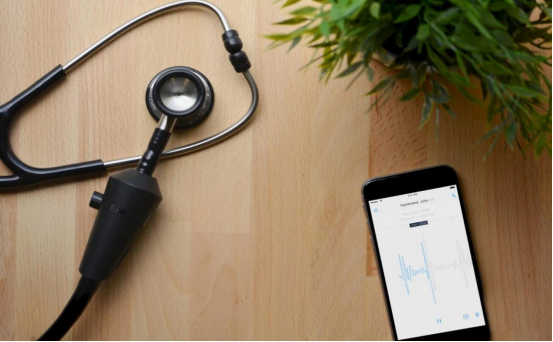
In September 2015, Eko Core received FDA approval and was officially launched on the market.
Eko Devices has developed a small adapter called the Eko Core, which is designed to connect the earpieces and chest piece of a stethoscope. This adapter transmits heart sounds via Bluetooth to a smartphone, where a mobile application uploads the audio data to the cloud, enabling remote consultations by specialists.
Experts can listen using a high-quality pair of headphones on their mobile phones or computers. If they also have the Eko Core adapter, they can listen through this adapter as well. Connor Landgraf, CEO of Eko Devices, told us that this adapter is a professional medical device, and using the second method will make the diagnosis more accurate.
Since its founding in 2013, Eko has raised $2.8 million in funding from Stanford’s StartX accelerator, Michael Baum (founder of FOUNDER.org), and the co-founders of Shazam, among others. Currently, consumers can purchase this product through overseas crowdfunding platforms such as GeekerBuy.
Clinicloud: Monitor Your Health Anytime, Anywhere
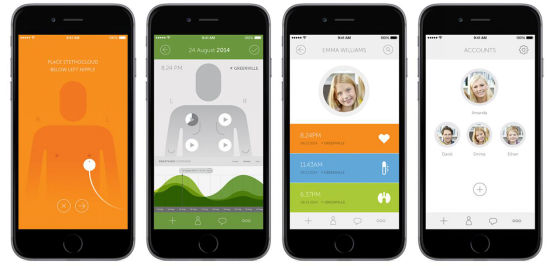
CliniCloud is a technology company dedicated to bringing medical services into the home. Its smart stethoscope records vital signs such as heart rate and respiration, displays the measurements in the CliniCloud mobile app, and transmits the data to physicians via Bluetooth.
CliniCloud collects records from devices and consolidates them into a mobile app (compatible with both Android and iOS systems). You can store this data on your smartphone or in the secure Cloud Assistant, making it easy to share with physicians or patients. The app also provides respiratory rate and heart rate measurements to help you identify any abnormalities.
CliniCloud launched in October 2015, and simultaneously became available in the United States and at Best Buy stores in California in November, priced at $149 (approximately RMB 950).
On September 28, 2015, the Australian smart healthcare brand CliniCloud announced that it had secured $5 million in angel funding. This round was co-led by Ping An Ventures and Tencent, with other investors including D.A., a distinguished American musician and investor. Regarding this financing, CliniCloud stated that the funds would be used to accelerate the production and launch of its first-generation product, as well as to support the research and development of future products, team building, and the company’s international expansion.
Domestic Digital Stethoscopes: A Late Start, Still in the Preparatory Stage
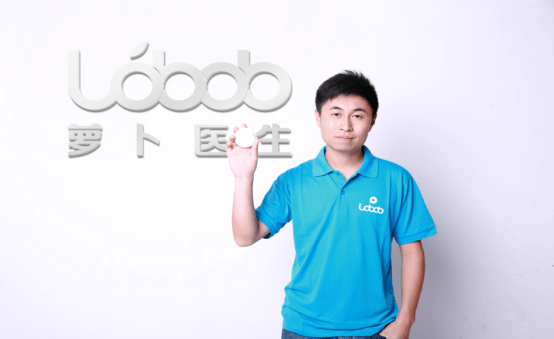
Compared with foreign countries, the development of digital stethoscopes in China started relatively late. Currently, two models are primarily featured in media reports: one is the digital stethoscope by Aotu Wireless, and the other is the Luobo Smart Stethoscope by Chengdu Luobo Technology. The Aotu Wireless digital stethoscope builds upon conventional stethoscopes by supporting background noise filtering, amplification of faint heart sound signals, playback and graphical display of sounds, storage and analysis of heart sound signals, and remote data access via networks. It is mainly designed for auscultation of heart sounds. In contrast, the Luobo Smart Stethoscope from Chengdu Luobo Technology is intended for lung sound auscultation. After pairing the Luobo stethoscope hardware with the Luobo Doctor app via Bluetooth on a smartphone, users can press the auscultation button to receive step-by-step operational guidance from the app, which also displays information such as auscultation sites and duration. Once the app guides the user through an auscultation session, the recorded audio file is transmitted to a cloud server for analysis. The identification results are sent back to the app within seconds, alerting the user to the presence of any pathological auscultatory findings.
Digital stethoscopes enable you to monitor your health anytime and anywhere, eliminating the need for costly electrocardiogram (ECG) tests and unnecessary consultations with cardiologists at hospitals. With the widespread adoption of smart devices and continuous advancements in chip technology, digital stethoscopes are poised to become increasingly intelligent. Perhaps one day, they will become an essential item in every household medical kit, allowing you to perform immediate self-assessments whenever you feel unwell and consult doctors directly online.