

WeiTang APP and Medtronic Insulin Pump Forge a New Model for Diabetes Management
Recently, Weitang announced a strategic partnership with Medtronic to collaborate on insulin pump therapy in the field of mobile healthcare for diabetes. Patients can access the Medtronic section within the Weitang app and pay a trial fee of several thousand yuan to use a Medtronic insulin pump for a limited period. During the trial period,,MicroSugar’s professional medical staff provide patients with consulting services, including information and operational guidelines on insulin pump therapy.
WeTang Startup TeamEstablished in2013,Originally named Boyibang, it was renamed Weitang in 2014. Weitang is designed for diabetic patients and experienced individuals with diabetes.A platform providing chronic disease management services; meanwhile, WeTang alsoPhysicians, dietitians, nurses, and other professionalsProvide a Patient Management PlatformCurrently,Low Sugar's platform has been inSigned up 11,000 members nationwideDiabetologist, with over 2 million registered usersHuman.
On April 6, 2016, the World Health Organization (WHO) released its first Global Report on Diabetes. The report indicated that the number of individuals aged 18 and older with diabetes worldwide increased from 108 million in 1980 to 422 million in 2014, accounting for 8.5% of the global population in that year. Diabetes can be classified into type 1 (insulin-dependent), type 2 (adult-onset), and gestational diabetes. The report noted that the prevalence of type 2 diabetes in China has experienced ultra-rapid growth over the past few decades. In 1980, approximately 5% of Chinese men had diabetes; currently, this proportion exceeds 10%.
Among China’s entire adult population, 10% have diabetes, with a prevalence rate of 10.5% in men and 8.3% in women. Diabetes has had a significant impact on human health and the socioeconomic landscape, with global annual costs exceeding $827 billion. Complications of diabetes can lead to cardiovascular disease, renal failure, blindness, amputation, and other conditions, causing considerable inconvenience to patients’ lives.
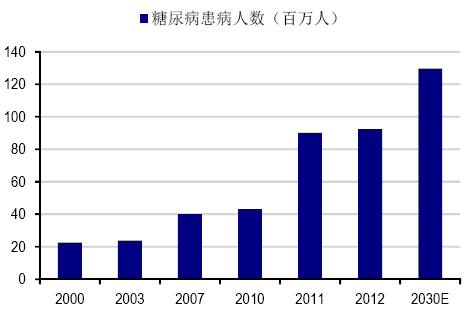
Table of Statistics and Projections on the Number of People with Diabetes in China
Currently, the management of diabetes involves dietary control, self-monitoring of blood glucose, and insulin therapy. Patients with type 1 diabetes undergoing intensive therapy need to monitor their preprandial blood glucose levels four times a day, increasing to eight times when blood glucose levels are unstable. Furthermore, during insulin therapy, patients not on intensive regimens require 2–3 injections per day, whereas those on intensive regimens must administer 3–4 injections daily. The most widely used method of administration is the conventional syringe. This method is simple, rapid, and easy to master, allowing patients to perform independent injections. However, it does not enable precise control over the daily insulin dosage, thereby increasing the risk of hypoglycemia due to accidental overdose.
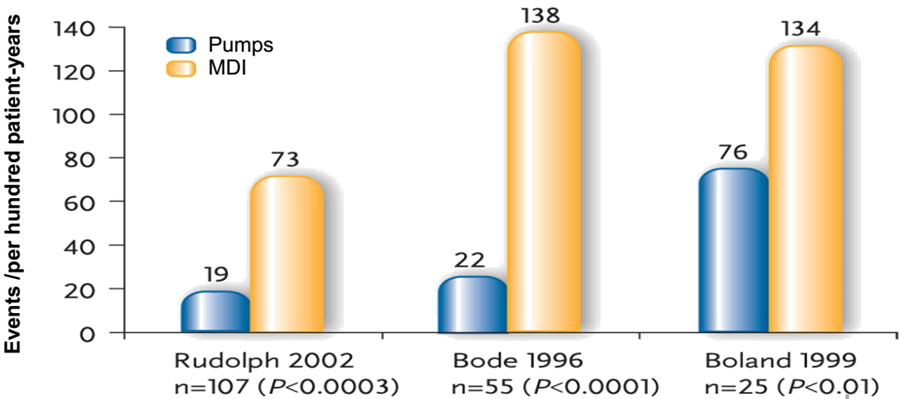
Comparison Chart of the Incidence of Severe Hypoglycemia Between Insulin Pump Therapy and Non-Insulin Pump Therapy
Currently, a relatively novel therapeutic approach is insulin pump therapy. Insulin pump treatment can mimic the functioning of a normal human pancreas by providing continuous 24-hour basal insulin infusion as well as bolus insulin delivery at mealtimes.Let the patient# Break Free from the Daily GrindRequiredThe burden of multiple injections, whileYesBetter control of blood glucose levels, reducePatientRisk of Diabetic Complications. For many years, insulin pumps have been widely accepted by the medical communityConsidered suitableType 1 Diabetes PatientsTherapy, in recent yearsResearch indicates thatInsulin Pump Therapy Versus Multiple Daily Insulin InjectionsofTherapy, also for patients with type 2 diabetesBetterEfficacy.
Insulin Pump'sThe device employs an AI-controlled insulin delivery system, a therapeutic approach that manages hyperglycemia by continuously administering insulin subcutaneously to mimic the physiological pattern of insulin secretion. The insulin pump contains a reservoir for short-acting or rapid-acting insulin, along with an external display screen and buttons for programming the device. A motor drives the slow infusion of insulin from the reservoir through the infusion set into the subcutaneous tissue. Under AI control, the pump simulates basal insulin secretion via adjustable pulsed subcutaneous infusion. Additionally, during meals, the pump can configure preprandial insulin dosage and infusion patterns based on the type and total amount of food consumed., therebyControl postprandial blood glucose.
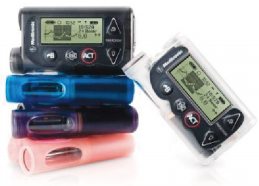
Medtronic Insulin Pump Product Image
Regarding the reasons for partnering with Medtronic, Feng Yanfei, Founder and CEO of WeTang, said, “We and MedtronicJoining Hands to Achieve Cooperation,Aimed atWeiTang brings advanced blood glucose control tools and methods to its users. This will be WeiTangDuring the Course of DevelopmentImportantofMilestoneEvent."Low SugarCMOWang YialsoIndicates,Medtronic is the largest supplier of insulin pumps in terms of market share globally and in China,Entering the Chinese market approximatelyIn 2016,Having served over 500,000 patient visits, its recognition both domestically and internationallyHigher. Currently, the adoption rate of insulin pumps in the United States and Europe is approximately 70%, while their prevalence in ChinaAlsoRoom for Improvement。MicroSugar aims to popularize insulin pumps in China through this strategic partnership,andLeveraging New Technological Products to Enhance the Quality of Life for Patients with Diabetes During Disease Management
Medtronic, Inc. was founded in 1949 and is headquartered in the United States.Minnesota, is a global leader in medical technology. Medtronic is committed to providing lifelong therapy solutions for patients with chronic diseases. Its main products cover cardiac arrhythmias, heart failure, vascular diseases, heart valve replacement, extracorporeal cardiac support, minimally invasive cardiac surgery, malignant and non-malignant pain, movement disorders, diabetes, gastrointestinal diseases,Urological diseases, spinal disorders, neurological conditions, and surgical treatments in otolaryngology and ophthalmology.
In 1989,Medtronic entered the Chinese market through distributors and officially established its representative office and manufacturing facilities in China in 1996. Initially, sales in China accounted for only 1% of the company’s total revenue; however, over the past decade, domestic sales have experienced rapid growth at an annual rate of 40%. Senior executives at Medtronic have stated that the company will expand both the breadth and depth of its operations in China, with the strategic goal of developing the Chinese market into its second-largest market outside the United States.
Currently, WeiTang has secured tens of millions of US dollars in Series B financing, with Yidu Cloud as the investor. In March this year, it partnered with Sinocare, a blood glucose meter manufacturer, to launch the “Timely Rain” package. In the future,Low SugarWe will collaborate with insurance companies to provide insurance services for patients. Meanwhile,CompanyPlanthis yearIn JulyShanghai Establishes Its First Offline Experience Center.
For more information about Weitang, please refer to VCBeat’s earlier report: