

Industry Leaders Outline the Future of Medical Aesthetics at Reconstructing Aesthetics Summit
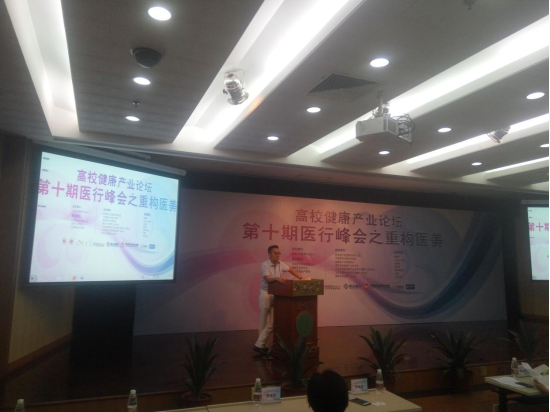
On June 12, the Yixing Summit—Reimagining Medical Aesthetics, co-hosted by Yixing Academy and other organizations, was held at the Shaw Hall of Peking University Health Science Center. Entrepreneurs and investors deeply rooted in the healthcare sector took the stage to share their insights and perspectives on reimagining medical aesthetics.
Wang Yibin (Founder of the Health Industry Research Society):
Restructuring Medical Aesthetics: From the Perspective of Healthcare ReformFirst, physicians should be enabled to practice independently, with the autonomy to choose their mode of practice and healthcare institutions, thereby fostering a highly competitive physician labor market underpinned by a robust professional reputation mechanism. Second, public hospital reform should be implemented by separating regulation from operation and government administration from institutional management (i.e., corporatization), while liberalizing the privatization of public hospitals and deregulating price controls. Third, market access for medical services should be opened up to create a healthcare service landscape dominated by private medical institutions and characterized by full competition.
For the physician side, a human resources market for independent medical practice should be established. First, a mechanism for optimizing the allocation of human resources through free mobility; second, a price discovery mechanism to establish clear market prices for human capital at different levels; and third, a comprehensive individual professional reputation system, where professional reputation determines physicians’ social status and income levels, thereby fostering a strong sense of professional honor and self-discipline.
Li Yanliang (Initiator of China's "Smart Volunteers" in the Medical Aesthetics Industry):
The ecosystem of the medical aesthetics industry has undergone significant changes compared to the past. From the consumer perspective, individuals seeking aesthetic improvements are adopting more rational consumption habits. In terms of market competition, the medical aesthetics market has entered an era defined by service-based competition. For medical aesthetics institutions, there is a trend toward diversification and multi-tiered development. Meanwhile, demand for various types of medical aesthetic procedures continues to rise.
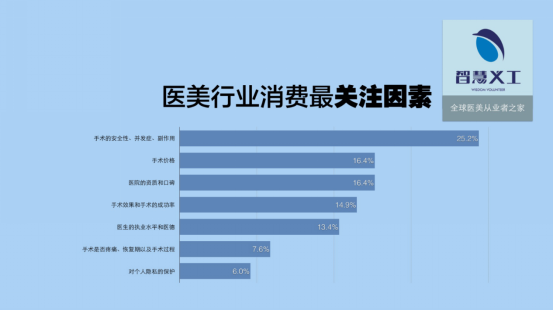
The primary concerns for consumers in the medical aesthetics industry are surgical safety, complications, and side effects, followed by surgical costs, as well as the qualifications and reputation of the healthcare facilities.
Zhang Hua (General Manager, Shenyang Xinglin Medical Aesthetic Hospital):
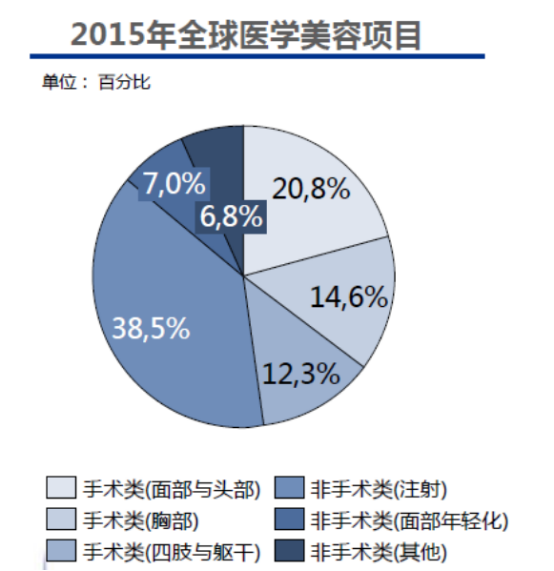
On the global market, non-surgical procedures have become a dominant trend. Non-surgical treatments account for 52.3% of all medical aesthetic procedures performed worldwide, surpassing surgical interventions, with injectable treatments being the most prevalent. Economic growth serves as the primary driver; as purchasing power increases, latent demand is increasingly unleashed, thereby fueling the rapid development of the entire industry.
The top three most popular cosmetic surgical procedures globally are blepharoplasty, liposuction, and breast augmentation, while the top three most popular non-surgical treatments are botulinum toxin injections, hyaluronic acid injections, and laser hair removal.
Xing Yuhua (Director of the Department of Medical Aesthetics Dermatology, Medical Aesthetics Center, Beijing Baodao Maternity Hospital):
For skin aesthetic concerns, individuals should first consult a cosmetic dermatologist rather than beauticians at lifestyle beauty salons or sales assistants in mall pharmacies. Around the age of 30 marks the starting point for medical aesthetic anti-aging treatments, and it is advisable to begin such interventions at this stage. The earlier the treatment is initiated, the better the outcomes. Medical aesthetic treatments require sustained management, involving either structured courses or intermittent repeat sessions, and generally yield superior results compared to lifestyle beauty treatments. Individuals with sensitive skin should prioritize the use of medical-grade skincare products and seek consultation from a cosmetic dermatologist.
Xie Daming (Co-founder of Xinghui Doctor Group):
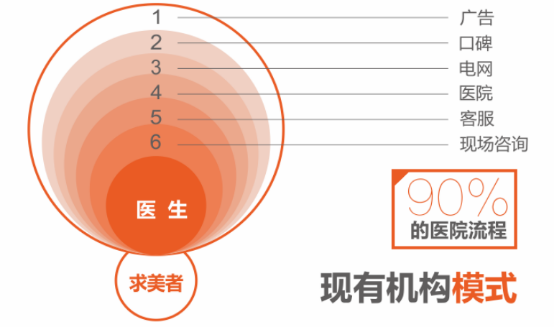
The foundation of aesthetic plastic surgery lies in medical technology, with “beauty” as its ultimate goal. While technical procedures can be standardized, “beauty” is perceived as a dynamic variable. How should pricing strategies be determined to capture the value spectrum spanning from technical execution to artistic expression? Comprehensive facial surgical procedures may range in price from tens of thousands to millions of yuan, reflecting both physicians’ economic interests and the underlying value proposition. However, in private medical institutions, patient acquisition pathways and cost structures—encompassing marketing-driven service components such as advertising, channel fees, management expenses, and material costs—often obscure the direct value of physicians’ technical expertise.
Shi Guomin (Senior Investor in the Healthcare Industry):
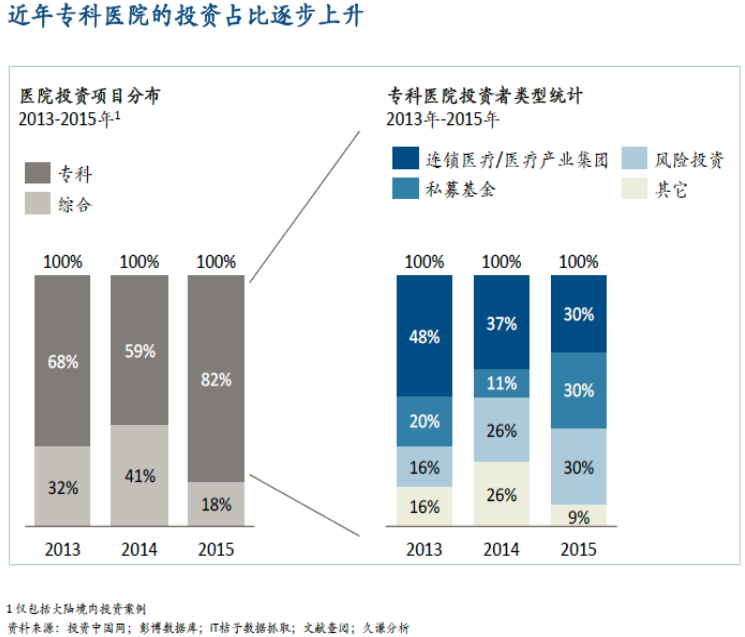
Capital markets show a stronger preference for investments in specialized healthcare sectors with clear profitability models and high scalability. Adequate funding will effectively support market development, standardized training of service processes, and enhancement of user experience in specialized hospitals. Currently, the primary investors in specialized hospitals include chain medical institutions, healthcare industry groups, private equity firms, and venture capital funds.
Yang Haiding (Executive Director, Cathay Capital)
Mainstream private equity (PE) funds in China remain stuck in a pre-IPO arbitrage mindset. In reality, the core value of genuine PE funds, and their essential distinction from public mutual funds, lies in their emphasis on active investment. PE investors need to engage deeply and proactively in the management of their portfolio companies, with a particular focus on strategy formulation and investment and financing decisions. Startups face arduous journeys and must constantly adjust their strategic direction in response to formidable market competitors, which requires fund investors to possess profound industry insights. Such insights are cultivated through diligent industry research and real-time communication with entrepreneurs. True PE investors invest with a sense of mission.