

ePatientFinder Secures $8.2M Series B Funding to Expand AI-Powered Clinical Trial Matching Platform
According to a June 9 report by HIT, ePatientFinder announced the completion of an $8.2 million Series B financing round. This round was led by a consortium of technology investors. The company previously raised $575,000 in seed funding in February 2014 and secured $2.58 million in Series A financing in February 2015. To date, the company has raised more than $11 million in total.
Headquartered in Austin, United States, ePatientFinder is a digital health startup. The company leverages existing electronic health records to help physicians conducting clinical trials match with suitable patients. Following this round of financing, ePatientFinder plans to further expand its network for clinical trial patient flow and provider referrals, using technological solutions to address inefficiencies in the clinical trial recruitment process.

Tom Dorsett, Co-founder and CEO of ePatientFinder, stated, “This round of financing will help ePatientFinder continue to expand the range of effective treatment options available to patients on its platform. This will enable more eligible patients to participate in clinical trials, thereby accelerating the trial process. By helping save millions of dollars in patient recruitment costs, we allow research institutions to allocate more funds toward new drug development.”
Matching Physicians, Patients, and Treatment Plans
The primary function of ePatientFinder is to provide physicians with more life-changing clinical trial opportunities by matching them with patients. It innovatively establishes a clinical trial coordination platform that closely connects pharmaceutical companies, medical device manufacturers, and new drug research institutions with clinics and hospitals to identify suitable patients for clinical trials.
The platform identifies physicians in the relevant specialty based on the treatment protocol. Subsequently, these physicians provide detailed information regarding the protocol to the platform, including specific patient eligibility criteria. Following comprehensive communication, the physician selects an appropriate treatment regimen. Finally, the physician can generate a one-click report to identify patients who meet the criteria for the selected treatment protocol.
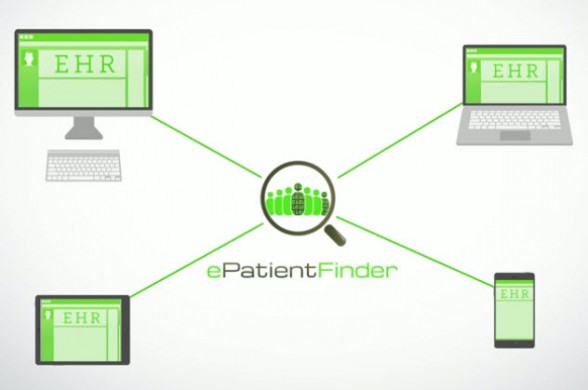
For example, when a pharmaceutical research institution releases clinical trial slots in its corresponding medical field, ePatientFinder notifies physicians in that specialty; meanwhile, the platform also leverages big data analytics to identify eligible patients.
After ePatientFinder matches treatment plans with physicians, it proceeds to identify suitable patients. The platform’s care team collects information from eligible patients on behalf of the physicians, then schedules consultations between both parties to discuss and select appropriate treatment options. Finally, if a consensus on the treatment plan is reached, the physician and patient jointly make the decision to proceed with therapy.
Do not miss any eligible patient
ePatientFinder aims to “leave no eligible patient behind.” By leveraging extensive patient data and proprietary algorithms for identification, the platform facilitates negotiation and referral. This approach helps prevent patients from missing out on treatment opportunities due to a lack of awareness regarding clinical trial eligibility criteria or the latest approval procedures.
Tom Dorsett, Co-founder and CEO of ePatientFinder, stated, “86% of patients have expressed their willingness to participate in the clinical trial screening process. They trust our matching algorithm and share our vision, which is why we are confident about the future.”
Expand Collaborative Partnerships and Build a Larger Database
ePatientFinder initially focused on coordinating electronic health records (EHRs) and other types of health information with its partners. It later continuously integrated additional healthcare service providers and EHR partners into its clinical trial referral mechanism, further expanding its provider network.
The company is currently collaborating with major electronic health record (EHR) providers and life sciences research enterprises. This initiative serves two primary objectives: first, to better facilitate the identification of eligible patients; and second, to provide patients with access to the most cutting-edge therapeutic regimens available. Many of these treatments are still confined to the research domain and target medically challenging conditions, such as Alzheimer’s disease, lung cancer, and diabetes.