

Key Insights from Tencent and WeDoctor at the 2016 China 'Internet + Healthcare' Summit
On June 16, the 2016 China “Internet + Healthcare” Summit, hosted by Tencent, was held in Beijing. VCBeat has compiled the key highlights from the guest speakers.
Vice President of TencentDing Ke: Three Key Points of Tencent’s Layout in “Internet + Healthcare”
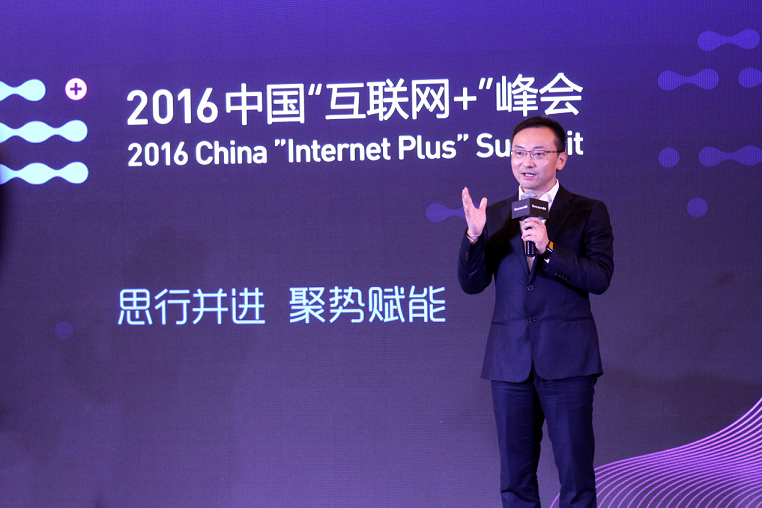
A prominent trend is currently emerging: various stakeholders are rushing to capitalize on the “Internet + Healthcare” boom. In practical applications, platforms for seeking medical advice and appointment scheduling exemplify technological advancements, representing pre-consultation services. During the consultation phase, new technologies such as wearable devices and telemedicine help improve the efficiency of medical care. Post-consultation, innovative insurance products provide additional coverage. Furthermore, many physicians and academicians have established their own internet teams and mobile applications, leveraging “Internet +” technologies to enhance efficiency. Among the myriad companies springing up like mushrooms, the integration of traditional models with the internet has become the mainstream approach.
From Tencent’s perspective, the opportunities and challenges of “Internet + Healthcare” lie in whether it can operate efficiently. Patients certainly have needs, but can entrepreneurs identify and meet those needs? Initially, this appears to be a market with incremental growth rather than a simple restructuring under a zero-sum game, as Chinese people have increasingly higher expectations for being free from disease and pain. How, then, can we seize this incremental space? This requires establishing connections, which brings us to the issue of trust. Approaching healthcare from an internet perspective differs significantly from developing WeChat. The entertainment sector has very low requirements for building user trust, whereas heavy-touch services like healthcare necessitate the establishment of strong credit relationships, which is extremely difficult. It is a long-term process, even entailing shifts in cultural norms, and requires substantial foundational work.
Truly addressing user needs requires professional expertise, and integrating such expertise with the internet is a gradual process. From an internet perspective, Tencent’s three key pillars in its “Internet + Healthcare” strategy are: connectivity, building trust, and professional collaboration.
Head of Tencent’s TengAi Medical ProjectWu Bo: Tengai Doctor is a Connector
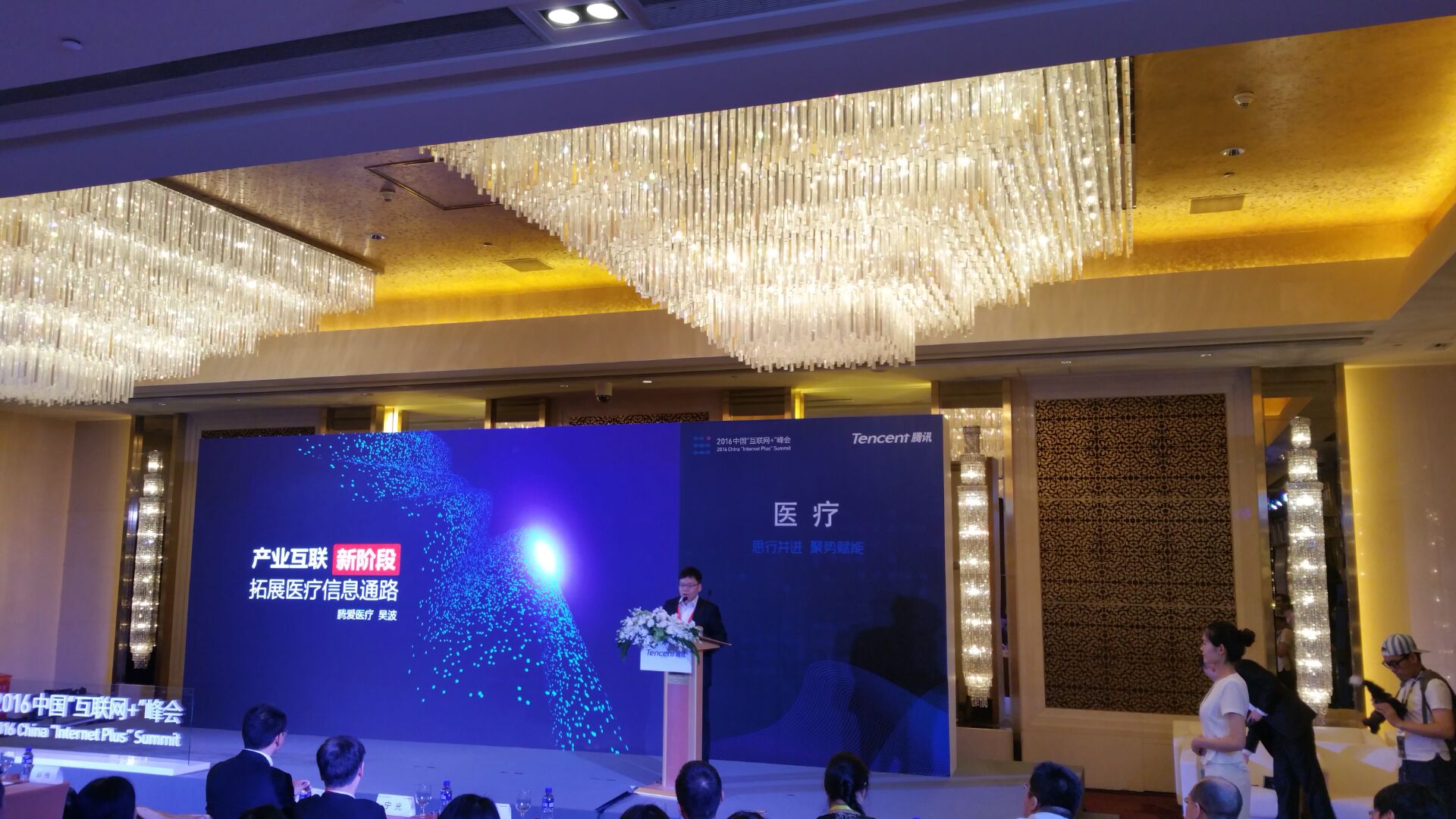
First, Tengai Doctor serves as a connector, with the Tengai Doctor WeChat Official Account and the Tengai Doctor app acting as the intermediary platforms. This approach better safeguards physicians’ personal information, enhances their personal branding, and allows the services they provide to further strengthen their professional brand. The Tengai Doctor management portal also offers physician management tools that enable effective patient case management. Furthermore, physicians can use the app to discuss patients’ conditions and data, conduct follow-up diagnoses based on data analytics, and intervene in the progression of patients’ diseases.
For patients, minor ailments no longer require hospital registration. Through online real-time communication tools, they can effectively consult with physicians, thereby eliminating the need to wait half an hour for a few minutes of consultation. This significantly improves the efficiency of medical care for patients. In the future, by continuously refining electronic health records (EHRs) based on individual patient histories, more medical practices and modalities can be developed and integrated. Throughout this process, Teng Ai Doctor always serves as a connector and a tool for enhancing efficiency.
Ultimately, an information channel will be established among doctors, patients, and hospitals, breaking down the existing model of information silos and enabling patient data to flow seamlessly across different doctors and hospitals, thereby ultimately enhancing healthcare efficiency. In the future, Tencent plans to collaborate with more hospitals and physicians, with an initial estimate of around 100 hospitals.
Liao Jieyuan, CEO of WeDoctor Group: Exploring the Three Stages of Internet Hospitals
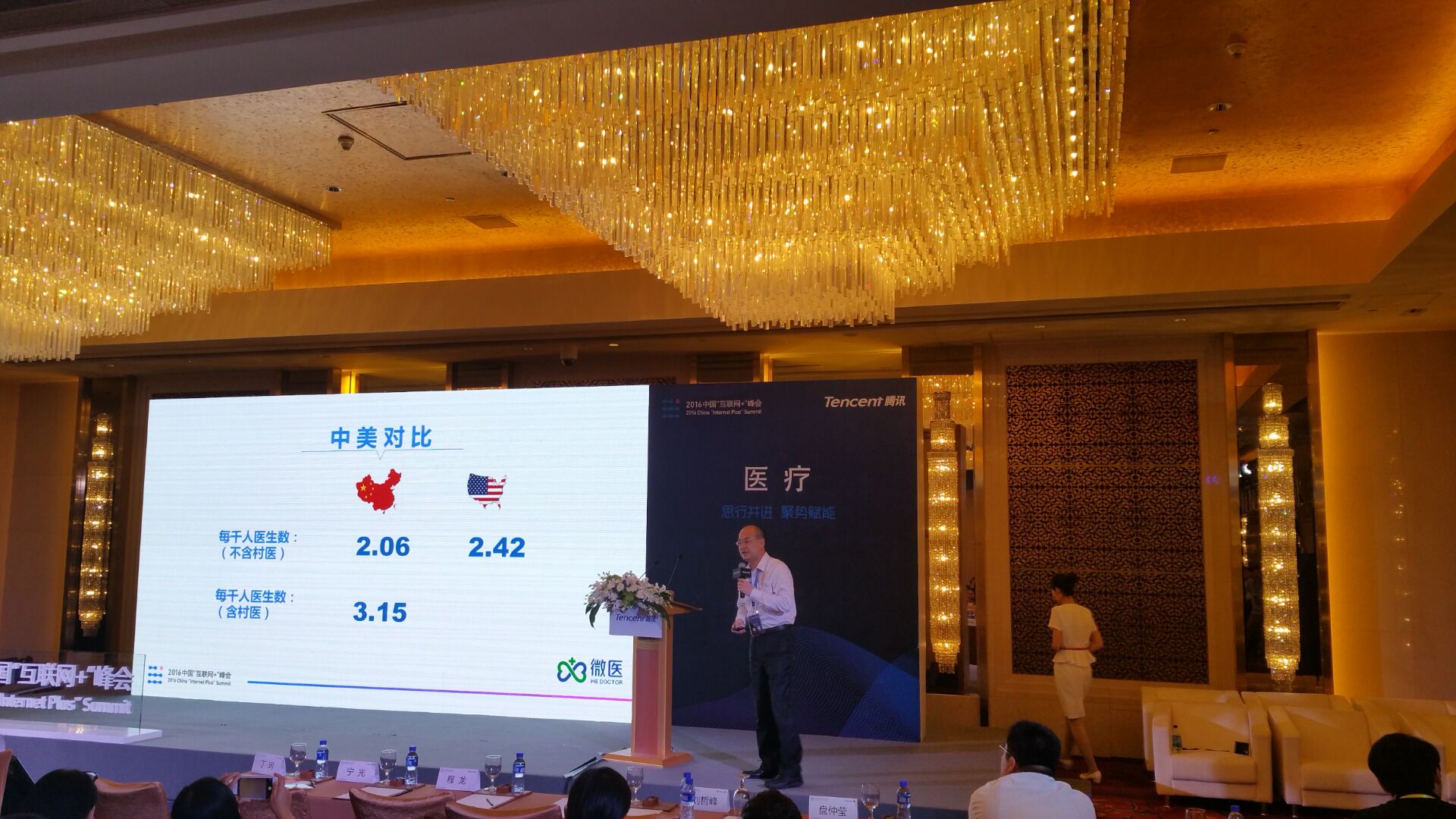
In leveraging the internet to enhance healthcare efficiency, WeDoctor Group’s explorations over the past few years have unfolded in three stages. Stage One: Utilizing internet technology to help hospitals optimize patient care processes. Over the past five years, WeDoctor Group has connected more than 1,900 hospitals, including over 800 tertiary Grade-A hospitals, served 117 million patients with in-person consultations, and deployed more than 1,700 servers nationwide. It is evident that new changes have occurred in how the general public accesses medical care, enabling convenient completion of tasks such as report inquiries, payment settlement, post-consultation follow-ups, and the establishment of health records. More than 87 million personalized health plans for the general public have been created on the platform, forming a new healthcare delivery process known as chronic disease management. Consequently, personal health record management and doctor-patient communication and interaction have become possible via the internet.
The second phase involves implementing tiered diagnosis and treatment via the internet. Initially, WeDoctor Group explored offline tiered diagnosis and treatment models. Since last year, the company has been focusing on building internet-based expert teams, organizing senior physicians and specialists from the same disciplines across different regions and hospitals into cohesive teams. Through online platforms, these leading experts can transmit and share their clinical experience with other physicians in the same specialty, enabling them to form collaborative teams that jointly serve patients. Family doctors have an urgent need to enhance their knowledge and skills; a key benefit of internet-based expert teams is their ability to help family doctors improve their professional competence, thereby transforming these expert teams into primary care service groups.
Last year, the platform hosted more than 7,200 expert teams and 220,000 physicians. WeDoctor Group also maintains a chronic disease management and triage team of 15,000 members, enabling the app to match physicians with precise patient matches in just one to two minutes.
The third phase of exploration began on December 7 last year. WeDoctor Group established its first internet hospital, the Wuzhen Internet Hospital, marking a new breakthrough in the field of internet healthcare. The Wuzhen Internet Hospital provides only triage and free consultation services for initial visits, then matches these patients with more than 1,900 offline medical institutions, transmitting patient data through electronic medical records (EMRs). Currently, over 200 hospitals have adopted EMRs. In regions where EMR systems are implemented, patients can directly retrieve their hospital medical records using their national ID cards.
WeDoctor Group has also developed an integrated “pharmaceuticals and insurance” business, established surgical centers and general practice medical centers across China, gradually streamlined intermediaries in pharmaceutical sales via the internet, and launched its own HMO products. These initiatives represent WeDoctor Group’s innovative explorations in the realm of internet hospitals.