

Ericsson Report: Wearable Devices Set to Replace Smartphones and Become Essential Lifestyle Tools
The 5,000 smartphone users participating in this survey were drawn from five major markets: China, the United States, the United Kingdom, South Korea, and Brazil, with ages ranging from15aged to 65 years, among whom 2,500 consumers were also wearable device users.
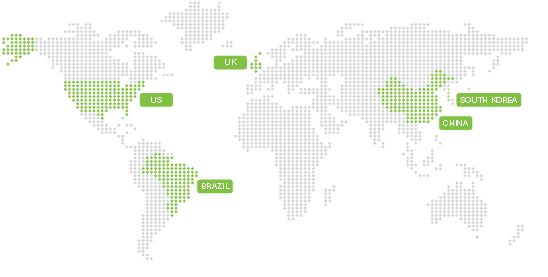
Distribution Map of the Five Major Markets Participating in the Survey
According to the report, the user base of the wearable device market is currently increasing and remains in an expansion phase, with health and sports tracking sectors dominating the market.Beyond health and fitness tracking, emerging wearable devices have also appeared in the fields of security, interactive connectivity, authentication, and physical fitness.
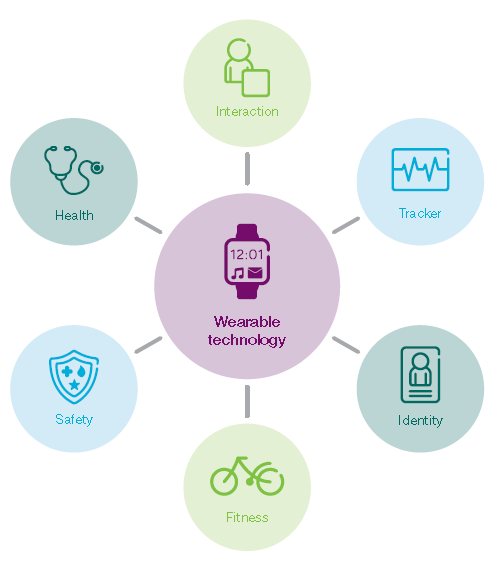
Various Emerging Types of Wearable Devices
EricssonConsumer Research LabThis survey aims to draw conclusions on whether, how, and when wearable devices can break out of the mainstream health market, make significant strides, and penetrate into other sectors, based on consumer feedback.
5 Key Findings on Wearable Devices
1.40%Wearable device users report feeling a sense of insecurity when not wearing their devices;
2.Consumers believe that 2020 will usher in the golden age of wearable devices;
3.Wearable device manufacturers are the most trusted entities for consumers when it comes to sharing personal data;
4.43%of consumers believe that wearable devices will replace smartphones in the future;
5.Wearable devices are crucial to the future development of the Internet of Things.
Young people will become the mainstream consumer group in this market.
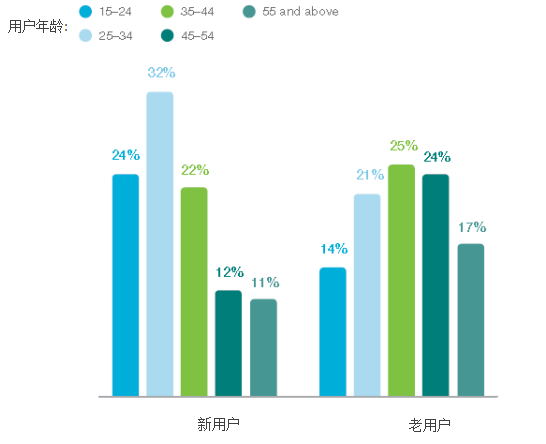
Age Distribution of New and Existing Users of Wearable Devices
Three months ago, users aged 35–44 accounted for the largest share of wearable device users, representing 24% of the total. Among new users, however, those aged 25–34 constituted the largest group at 32%, while users aged 15–24 made up 24% of all new adopters. This indicates a trend toward younger demographics in wearable device usage, suggesting that young people will become the mainstream consumer segment in the future market.
Furthermore, consumer preferences for wearable devices are correlated with gender. Female users show a stronger preference for devices with activity tracking features, whereas male users favor smartwatch-style devices, accounting for 63% of this demographic. This trend also provides direction for product research and development among device manufacturers.
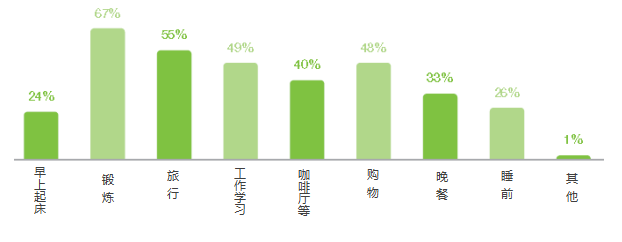
Distribution of Wearable Device Usage by Time and Occasion
Data shows that consumers are becoming increasingly closely connected with wearable devices,67%of users wear wearable devices during exercise, while the proportions of users who use them during travel, work/study, and shopping also reachle55%、49%、48%。It can be inferred that wearable devices will continue to evolve and hold promise for deeper penetration into other fields.
The Primary Prerequisite for the Development of Wearable Devices: A Thorough Understanding of Consumer Needs
As consumers’ acceptance of wearable devices continues to grow, their ability to discern device performance is also strengthening, leading to increasingly higher expectations for the user experience these devices deliver.The survey found that one-quarter of new users believed the purchased devices did not meet their expected effectiveness. Among them,83%'s mobile phoneUsers are dissatisfied that wearable devices can only be used as accessories and lack independent network connectivity.,Most users’ ideal devices need to support Wi-Fi connectivity, mobile network connectivity, or other forms of standalone network connectivity.
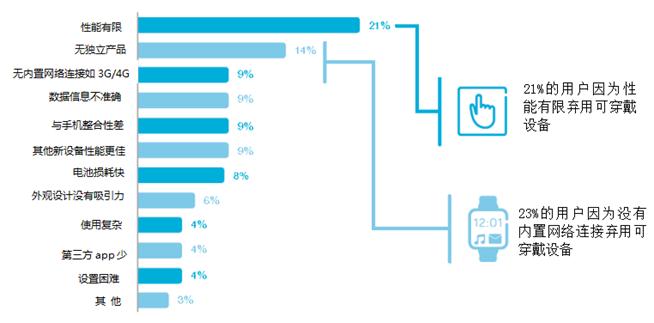
Survey on Reasons for Users Abandoning Wearable Devices
Although many users have abandoned wearable devices due to performance issues, consumer expectations for their performance continue to rise. There are stillA growing number of new consumers are showing interest in wearable devices and are willing to explore them. Therefore, to deeply tap into the potential of wearable devices and understand market trends, EricssonThe Consumer Research Lab alsoIt compiles valuable insights from smartphone users regarding three major application domains and a total of more than twenty types of wearable devices.
Wearable Devices Remain in High Demand: Three Major Application Areas in the Future
1.Safety and Security Sector
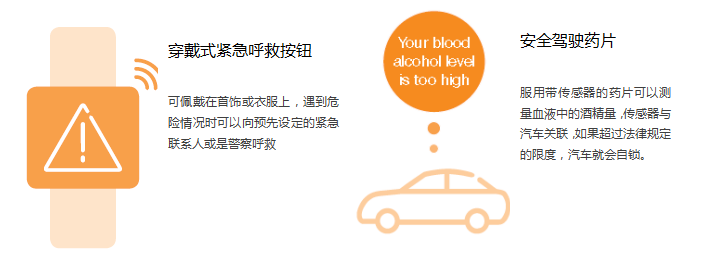
2.Smart Apparel Sector
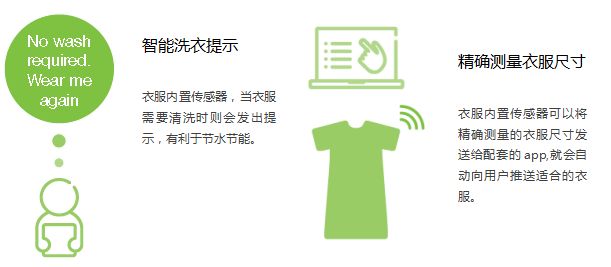
3.Non-Verbal Intelligent Communication Sector
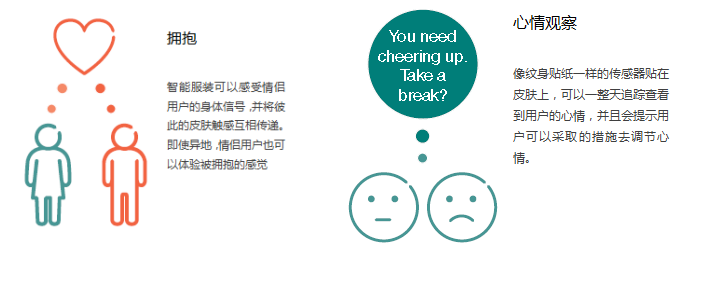
Over the past year, the most popular wearable devices have remained smartwatches and motion-tracking sensors. Looking ahead through 2020, emergency alert buttons, smart location-tracking devices, and smart glasses are expected to dominate the market. Post-2020, products such as smart water purifiers and temperature-regulating wristbands are predicted to become the most eye-catching offerings, while other types of wearable devices will also gain traction and become more deeply integrated into consumers’ daily lives.
2020Golden Age Arrives in the Coming Years: Huge Potential in the Safety and Security Sector
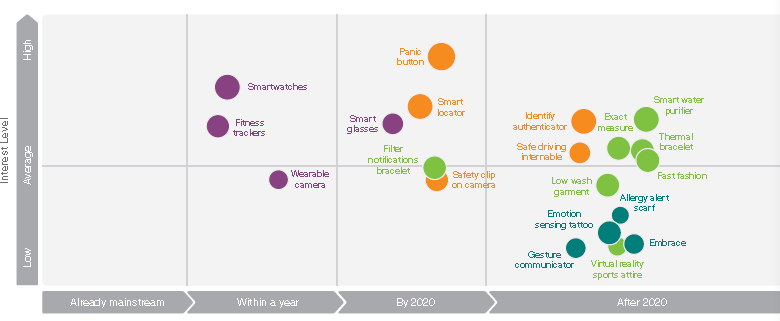

Current Trends in Different Types of Wearable Devices Through 2020 and Beyond
Currently, consumers remain interested in existing wearable devices for health and fitness, with smartwatches being the most popular.Based on current lifestyle needs, it is predicted that in the coming years leading up to 2020, wearable devices for safety and security will experience vigorous growth and gain favor among a large number of consumers. Products such as emergency call buttons will hold significant market potential, and 2020 will also become an important milestone in the development history of wearable devices.After 2020, emerging categories of wearable devices—such as those for safety and security, smart clothing, and non-verbal communication—will experience balanced and sustained growth. From the consumer perspective, the post-2020 era will usher in the golden age of wearable technology.
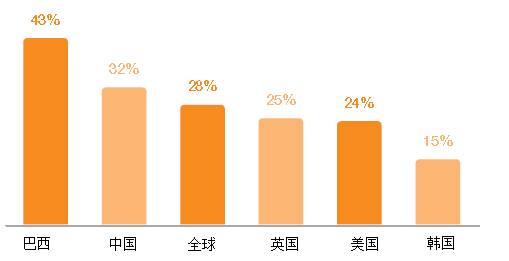
Proportion of Victims Killed in Criminal Incidents Within the Past 12 Months
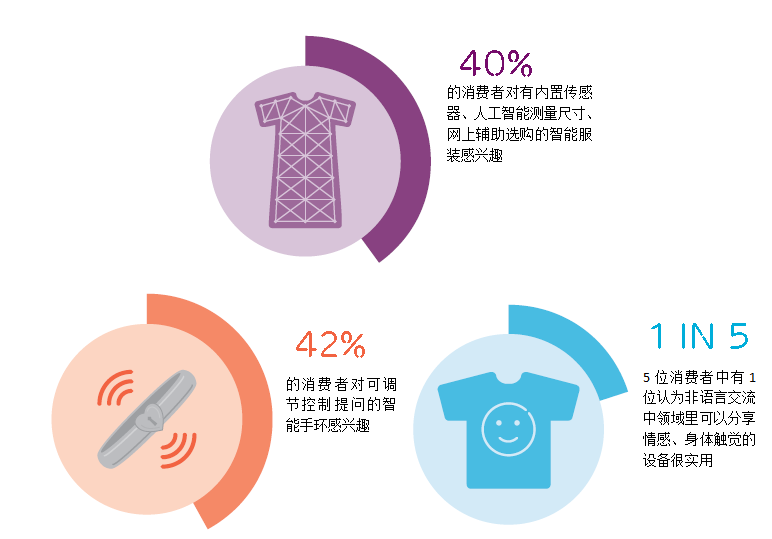
Consumers are willing to share data as a means of self-motivation to sustain device usage.
Investigations have revealed that, contrary to researchers' expectations, personal data breaches resulting from data sharing when using wearable devices are not users' primary concern. Instead, users believe that sharing their exercise and other data with family members or friends helps motivate and encourage them to persist in using the devices.
What is more interesting is that consumers believe what helps them achieve their wearable device usage goals is often not the product itself, but rather the act of sharing their data with others. However, in the past, people were reluctant to share their personal information or identity verification details. Of course, 60% of consumers also believe that access to their personal data needs to be controlled.
Because 67% of wearable device manufacturers open user data to third-party applications, third parties must ensure that they use this data anonymously during the process, and manufacturers will also gain certain benefits from it.Consumers have stated that they are more willing to share their data with wearable device manufacturers than with other organizations.
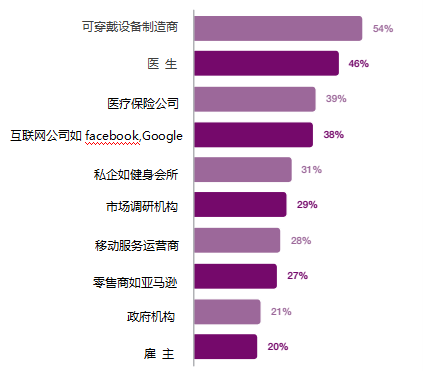
Distribution of Consumer Data Sharing Recipients
Will replace smartphones in the future to become a necessity of life
Current health and fitness wearables and smartwatches are merely the prelude to the imminent era of wearable devices. Users believe that, compared with the development of smartphones over the past decade, the wearable device market will expand in a more diversified and impactful manner. Wearable devices will replace existing products such as mobile phones, watches, medical devices like glucometers, and keys for homes and cars, becoming deeply integrated into every aspect of people’s lives.
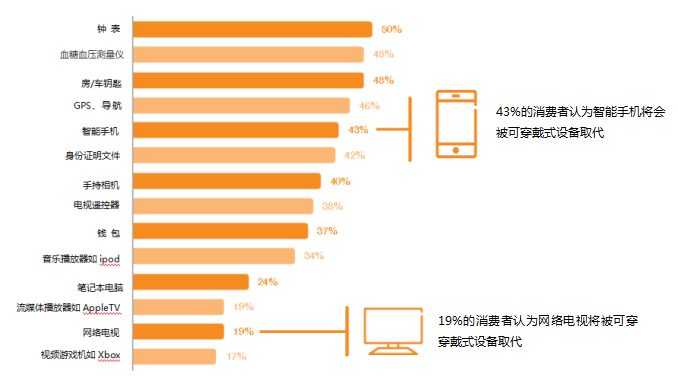
Products to Be Replaced by Wearable Devices (Forecast Chart)
Currently, wearable devices are often paired with smartphonesappused in conjunction, wearable devices are also referred to as the “second screen” of mobile phones. Once wearable devices resolve issues such as independent network connectivity, smartphones, as the “first screen,” will no longer be important. Therefore, there43%of consumers believe that wearable devices will replace smartphones in people's lives.
Simplifying Lifestyles: Becoming a Key Component of the Internet of Things
The Internet of Things (IoT) is a vital component of next-generation information technology and a significant stage in the development of the “informatization” era. Eighty-five percent of consumers believe that wearable devices will become ubiquitous within the next five years, replacing smartphones as the primary tool for communication. Under these circumstances, the close integration of the digital and physical worlds will accelerate, ushering people into the IoT era. Therefore, only by meeting consumers’ demand for wearable devices, designing products that align with their expectations, and leveraging wireless networks along with appropriate business models, can we achieve seamless and secure connectivity between the internet and the physical world in a future where individuals may wear multiple wearable devices simultaneously.
EricssonConsumer Research LabThe report clearly informs the public that people have begun to embrace wearable devices connected to their bodies as a means to transform and simplify their lifestyles. Although the current development of wearable devices still faces numerous shortcomings and challenges, the future blueprint for this industry is already sufficiently inspiring.