

Sandstone Diagnostics Files IPO Prospectus for TRAK Male Fertility At-Home Testing System
A month ago, the FDA (U.S. Food and Drug Administration) approved the Trak centrifuge for use; it is currently priced at $159.99 and will be released this fall.
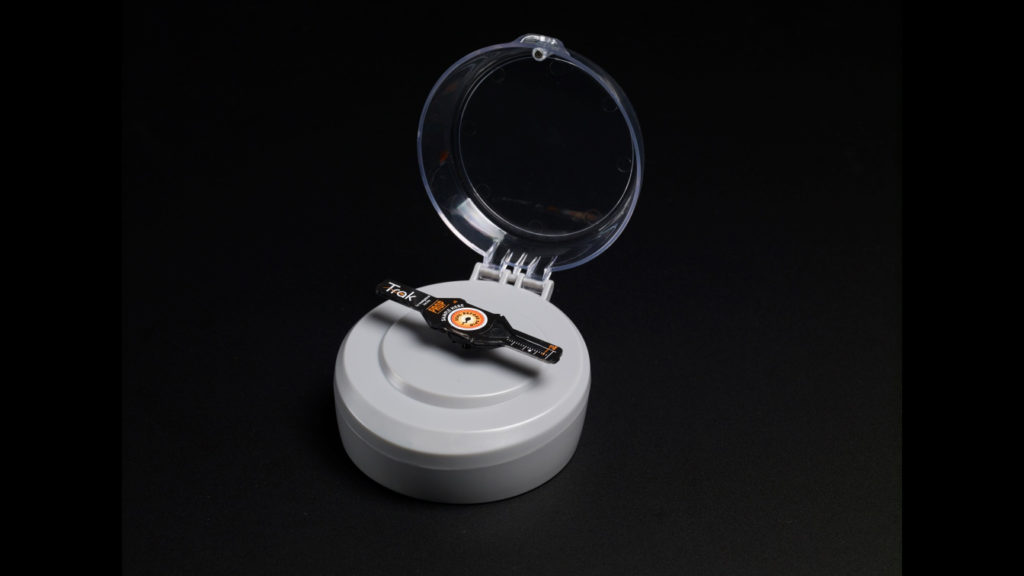
TrakCentrifuges are simple to use; men need only collect a semen sample with a dropper and load it into the centrifuge rotor. Once the device is activated, centrifugal force separates the semen components. Due to differences in sedimentation coefficients, sperm cells settle at the bottom of the well, allowing for straightforward calculation of sperm count. Therefore, using this tool for DIY at-home sperm count measurement is highly feasible.
Infertility remains a pervasive and challenging global health issue, affecting nearly one in every eight couples. In many regions, misconceptions about infertility persist, with blame disproportionately placed on women responsible for childbearing, particularly in areas with less developed economic and cultural conditions. However, this perspective is highly unscientific. Clinical diagnoses reveal that male factor infertility accounts for 40% of infertile couples.Low sperm count, falling below the normal range, is a primary manifestation of male infertility. Therefore, the Trak centrifuge was developed with the initial aim of helping men address this issue.
Dr. Mike Hsieh, a urology specialist at the University of San Diego who focuses on male fertility issues, revealed that men tend to shy away from seeking consultation with fertility specialists. “In fact, our goal is to gain a detailed understanding of their reproductive health, identify the underlying problems, and help them adopt proactive measures. However, most couples are reluctant to confront these issues, let alone acknowledge that they may have fertility impairments.”
SandstoneThe company’s CEO, Greg Somme, also stated, “For many couples, moving from recognizing fertility issues to actually seeking medical treatment represents a significant psychological barrier.”
Currently, many countries around the world have not yet given substantial attention to the issue of infertility, and thus have not established fertility centers. Moreover, the semen collection and testing procedures at existing fertility centers often cause embarrassment for many couples and are relatively expensive. The Trak centrifuge helps patients avoid the awkwardness of hospital visits for such examinations and is offered at a more affordable price.
SandstoneIt is not the first company to launch a DIY at-home sperm test. A self-test strip called SpermCheck was previously introduced, enabling men to rapidly assess sperm concentration in semen at home. The test yields positive or negative results within just 10 minutes, allowing users to determine whether their sperm count falls within the normal range for conception. SpermCheck strips are already available in the United States, currently sold exclusively online at a price of $39.99, and have achieved strong sales performance.

To date, apart from the Trak centrifuge and SpermCheck test strips, there are no other products available that allow men to self-test sperm concentration at home. The Trak centrifuge is therefore a highly valuable product. For the assessment of female infertility, a wide range of over-the-counter options exists, including fertility tracking medications, urine test kits, temperature monitoring systems, and ovulation-tracking apps. In contrast, men have very limited choices for reference and self-assessment.
It should be clarified that while this at-home DIY testing method can clearly indicate whether a male’s sperm concentration is within the normal range, infertility remains possible even if results are normal. This is because other critical factors influencing fertility include sperm motility (which determines whether sperm can travel from the testes into the uterus), semen volume, and sperm morphology.
This also gives rise to certain issues. For instance, the risk associated with home-based DIY testing lies in the fact that many patients believe it can replace hospital visits; however, it is merely an adjunctive method and cannot substitute for professional medical diagnosis and treatment by physicians.