

The Rise of Telehealth 2.0: How the U.S. Embraced the DTC Model
Goodbye B2B, B2B2C; Hello DTC
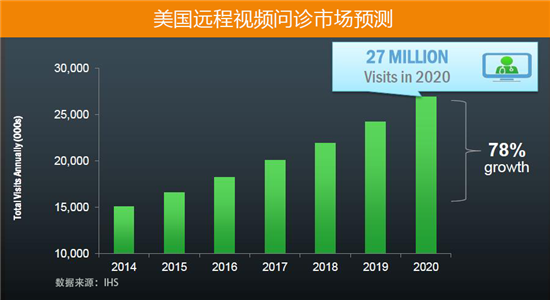
The U.S. telemedicine industry is experiencing explosive growth. Last year, approximately 11 million telemedicine consultations were conducted in the United States. These services were primarily business-to-business (B2B) in nature, including around 5 million instances of inter-hospital remote imaging diagnostics (covering X-rays, CT scans, and MRIs). However, it is direct-to-consumer (DTC) telemedicine services that are driving the industry’s surge. At the American Telemedicine Association (ATA) annual conference held in May this year, it was announced that DTC telemedicine visits in the U.S. reached 1.25 million in 2015. Among these, 300,000 individuals received remote psychological counseling services. Additionally, approximately one million Americans are currently using pacemakers or implantable cardiac monitors to receive real-time remote cardiac monitoring services. IHS predicts that annual telemedicine video consultations in the U.S. will reach 27 million by 2020. Grand View Research forecasts that the U.S. DTC telemedicine market size will reach $16.4 billion by 2025.
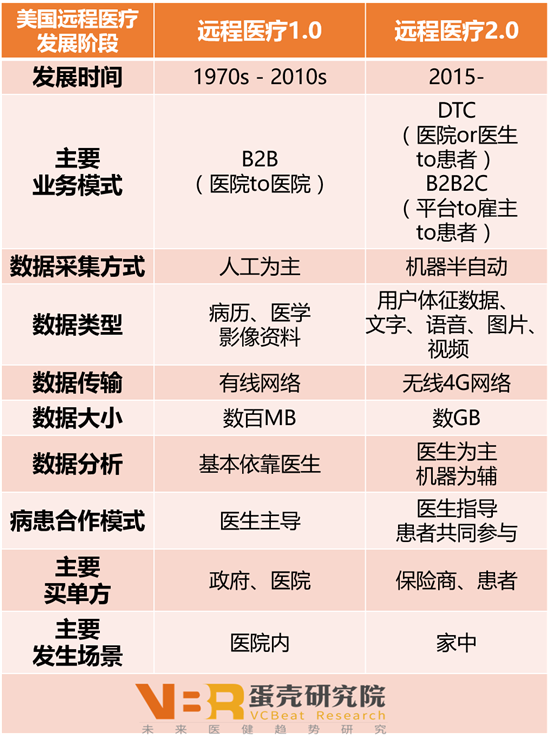
A review of the history of telemedicine development in the United States reveals several major stages: from meeting the needs of specialized sectors (aerospace and military), to inter-hospital remote consultations, and finally to the online telemedicine services that have emerged in recent years. Early telemedicine services were primarily conducted between medical institutions and physicians, marking the Telemedicine 1.0 era. Benefiting from the widespread adoption of the internet and smartphones, contemporary telemedicine has evolved from early text- and voice-based interactions to diverse formats such as real-time video. The data exchanged among telemedicine participants has also expanded to encompass a wide range of medical information, including real-time vital signs, electronic health records (EHRs), and medical imaging data. The core of this current phase is a shift toward patient-centered care. Various information technologies have empowered medical services to extend beyond hospital walls, reaching patients wherever they are. This defines the current Telemedicine 2.0 era, representing a historically significant transformation in the development of the healthcare industry. Hospitals and physicians, often perceived as “stubbornly resistant to change,” have—for the first time, akin to other traditional industries—begun to treat consumers as paramount, striving to meet users’ growing demands through every available means. However, this fundamental shift in service philosophy and delivery models may require a considerable amount of time to fully realize.
The United States has long been described as “the only developed country without universal health coverage.” Currently, approximately 30 million Americans lack any form of health insurance. U.S. healthcare expenditure has reached 17% of GDP, a higher proportion than in other developed nations, with per capita annual spending exceeding $8,000. Nevertheless, the American public remains largely dissatisfied with the current state of medical services. The Affordable Care Act, introduced under President Obama, has sparked widespread controversy. Meanwhile, the physician shortage in the United States is worsening; some organizations project that the shortfall will reach 90,000 by 2020 and 130,000 by 2025. While supply capacity fails to keep pace, patient demand continues to grow. As the U.S. healthcare payment system shifts toward value-based care, patients are gaining increasing influence in healthcare delivery. This trend is driving transformation and upgrading across the entire healthcare industry. What patients need is a more convenient, efficient, and high-quality healthcare service system. To avoid being left behind, every participant in the traditional healthcare industry chain—hospitals, insurers, and pharmacy retailers—will strive to leverage new technologies and innovative service models to stay competitive.
Saving money and time—why not?
According to data released by the U.S. Centers for Disease Control and Prevention (CDC), there are 1.2 billion outpatient visits annually. The average time spent traveling to and waiting at clinics for each visit often exceeds two hours, meaning that Americans spend a total of 2.4 billion hours per year waiting for medical care. In contrast, users typically wait only a few minutes for each telemedicine consultation. Patients choose telemedicine not only for its convenience and time-saving benefits but also because it significantly reduces costs. According to previous surveys by the American Telemedicine Association (ATA), households of various sizes can save between $300 and $1,000 annually on healthcare expenses by using telemedicine services. On average, patients in the U.S. pay $32 out-of-pocket per in-person visit (with insurers paying providers approximately $250). When factoring in transportation costs and the value of time lost while waiting, the total cost per in-person visit approaches $100. By comparison, most online telemedicine consultations cost around $50. In terms of cost-effectiveness, telemedicine clearly outperforms traditional in-person care.
My Health, ITake Charge
According to a previously released PwC report, 60% of respondents expressed willingness to try online telemedicine services. Meanwhile, patients desire deeper involvement in their own diagnostic and treatment processes. Fifty percent of respondents had previously attempted self-diagnosis for common conditions, such as urinary tract infections and respiratory tract infections, using online information. Amidst the wearable device boom over the past two years, one of the primary motivations for users purchasing wearables has been access to various health-related functional applications. Thirty-one percent of users consider using wearable devices to monitor vital signs. In stark contrast, currently only 10% of physicians fully leverage remote vital sign monitoring data during clinical consultations. Fewer than 20% of private practitioners have already begun or are planning to offer remote consultation services to patients. The emergence of direct-to-consumer (DTC) telemedicine precisely fills a critical gap that has long been missing from traditional healthcare workflows. Patients need to participate more extensively and effectively in managing and taking control of their own health.only then will the “patient-centered” philosophy of healthcare services cease to be an empty slogan.
Vying for User Favor: TelemedicineEnterEntering the DTC Era
We have already witnessed the rise of the direct-to-consumer (DTC) telemedicine market, and it is certain that industry giants will emerge in this sector in the future. This is particularly likely to occur first in densely populated, high-income regions.
Currently, there are three main forms of DTC telemedicine services:
Store-and-Forward Service(Store-and-forward services): Users upload symptoms and other relevant information, and physicians provide assessments and feedback based on the received data. For example, if a user notices a rash at home, they can take a photo with their smartphone and upload it to a dedicated app or send it via email to a remote dermatology healthcare network. After making a professional assessment, dermatologists then provide recommendations to the user.
Remote Patient Monitoring(Remote Patient Monitoring): Currently, the vast majority of medical institutions are striving to reduce hospital visits and average length of stay to ensure efficient hospital operations. Providing remote medical services to patients at home has created a substantial market. Patients with chronic conditions such as diabetes, hypertension, and heart disease can measure their vital signs at home, with data automatically uploaded to the cloud via wireless networks. Physicians are responsible for monitoring and analyzing this data, intervening promptly when fluctuations occur, and delivering professional medical care to patients.
Virtual Consultation(Virtual Visit): Physicians communicate directly with patients via text, voice, or video. Among these, video has become the most prevalent and effective mode of communication. Patients can complete virtual visits from home using various mobile devices or at telehealth kiosks located near chain pharmacies, which are often purchased by corporate employers. Typically, physicians can provide preliminary diagnoses and recommendations. In certain U.S. states, doctors are permitted to make diagnoses online and issue electronic prescriptions directly to patients. According to experience from some hospitals and physicians, approximately 20% of initial consultations can be adequately resolved through virtual visits, while 60% of follow-up patients utilize this service to avoid unnecessary travel.
In fact, the three major DTC telemedicine service models mentioned above did not emerge only during this recent surge. The change lies in the fact that traditional healthcare providers—such as physicians, hospitals, and insurers—are now increasingly prioritizing telemedicine and directly engaging in its delivery.
Doctors Are Actively Embracing Telemedicine
In the United States, the well-established system of independent medical practice has created the prerequisite conditions for the widespread adoption of direct-to-consumer (DTC) telemedicine. Physicians can choose to join telemedicine service platforms based on their individual circumstances to provide services to patients. At last month’s annual meeting, the American Telemedicine Association announced that its membership had rapidly grown from 8,500 members last year to 10,000 currently. Multiple market research studies indicate that approximately 10–15% of physicians in the U.S. are currently participating in telemedicine. A previously released report by QuantiaMD pointed out that physicians’ attention to telemedicine is increasing, with a growing number considering its integration into their daily clinical practice. Among physicians who do not currently offer telemedicine services, 62% have expressed interest in gaining a deeper understanding of how to provide such services to their patients.
New Approaches for Hospitals to Enhance Service Quality
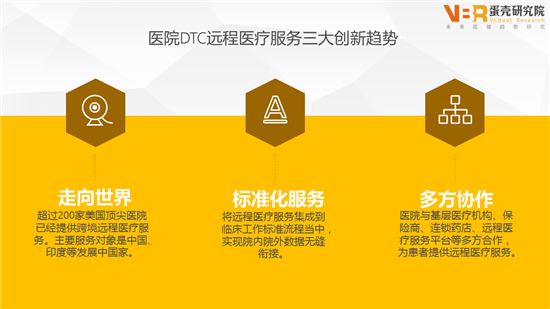
U.S. hospitals have a long history of providing telemedicine services, with early initiatives primarily focused on remote consultations between hospitals. Today, direct-to-consumer (DTC) telemedicine services are becoming an important benchmark for evaluating the quality of hospital care. According to survey statistics from HIMSS, the proportion of hospitals offering telemedicine services increased from 54.5% in 2014 to 57.7% in 2015. Hospitals mainly provide telemedicine services through two approaches: The first involves establishing dedicated telemedicine consultation rooms within the hospital, equipped with specialized online video devices, allowing patients to communicate with physicians outside the hospital. This service model is adopted by 57% of healthcare institutions. The second approach utilizes online patient portals, where users can log in via web browsers or mobile apps, upload information about their symptoms, and engage in synchronous or asynchronous text, voice, or video communications with physicians. The proportion of hospitals adopting this service model grew from 43% in 2014 to 58% in 2015.
Compared with traditional in-person visits, telemedicine services can save patients significant time and money, while enabling hospitals to operate more efficiently and avoid unnecessary waste of medical resources. According to a survey of hospital administrators, 90% of hospitals have already deployed or are currently implementing telemedicine programs. Furthermore, 84% of administrators believe that telemedicine is critically important to the future development of healthcare institutions.
[Typical Cases]

In April this year, the renowned Cleveland Clinic announced a partnership with CVS Health’s MinuteClinic to provide telemedicine resources. At MinuteClinic, dedicated nurse practitioners conduct initial assessments of patients’ conditions and then determine whether a remote video consultation with a Cleveland Clinic primary care physician is necessary. On weekdays, once a telemedicine request is initiated, patients are connected to a Cleveland Clinic physician within 5 to 10 minutes. Users are charged $50 for each remote consultation. American Well serves as the technology provider for this collaboration.

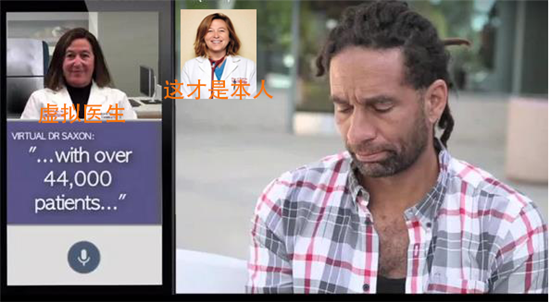
In January this year, the Keck Medicine of USC, affiliated with the University of Southern California (USC), launched the USC Virtual Care Clinic. Leveraging advanced technologies such as artificial intelligence and holographic imaging, and in collaboration with cybersecurity firms, medication monitoring companies, and visual effects studios, the clinic has created a realistic, high-quality remote video consultation service. Instead of seeing the actual physician, patients interact with a digital avatar—a virtual doctor generated through digital capture—on their mobile devices. Although this may seem overly futuristic, it represents a key direction for the development of telemedicine: utilizing artificial intelligence and big data to address the shortage of physicians.
Insurers Are the Driving Force Behind Telemedicine
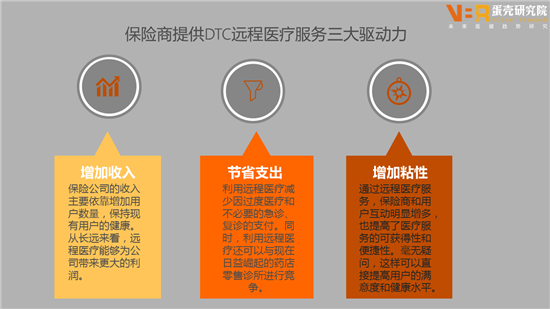
As the primary payers, insurance institutions play a pivotal role in promoting the development of telemedicine. Currently, 29 states in the United States have enacted legislation requiring commercial insurers to reimburse telemedicine services. Among these, nine states have more explicitly mandated that reimbursement rates for telemedicine must match those for in-person visits. The Centers for Medicare & Medicaid Services (CMS) annually updates and maintains telemedicine billing codes and evaluates the application of telemedicine. Under significant pressure to control costs, mainstream Accountable Care Organizations (ACOs) in the U.S. are increasingly inclined to adopt telemedicine services to reduce premium expenditures. Currently, only 20% of ACOs offer telemedicine services, but this proportion is expected to rise rapidly in the future.
[Typical Cases]

Kaiser Permanente has provided users with 10- to 15-minute telephone consultations and web-based remote medical services enabling direct communication with physicians, achieving notable results. Eighty percent of dermatological conditions have been appropriately managed through telemedicine. In the future, Kaiser will further expand the content and scope of its telemedicine services. Earlier this year, the CEO of Kaiser Permanente stated in an interview that it was projected that by 2018, half of all clinical visits would be conducted remotely.

The U.S. Department of Veterans Affairs (VA) healthcare system is responsible for providing medical services to more than 5 million veterans distributed across the country. The situation of having a large number of users but relatively few hospitals prompted the VA system to adopt telemedicine services at an early stage. In 2015, the entire VA system provided over 2.1 million telemedicine encounters to 690,000 users (including direct home-based telehealth services and inter-hospital remote consultations), meaning that 12% of users benefited from telemedicine. Among those who received telemedicine services, 55% lived in remote areas without nearby VA hospitals. Currently, 44 medical specialties are available through the VA telemedicine system. Most VA users suffer from war-related psychological trauma; in 2015 alone, 400,000 remote psychotherapy sessions were conducted. Statistics show that the use of telemedicine services reduced hospital length of stay by 56% and readmission rates by 32% across the entire system.
Mercy Health Insurance Company’s newly built telemedicine center, with a dedicated investment of $50 million, commenced operations last May. It aims to provide enhanced telemedicine services to patients at 33 hospitals across the four states covered by the insurer. The center employs 300 full-time physicians, nurses, researchers, and technical experts, offering 24/7 video and voice consultation services. It is projected that during the first five years of operation, the center will deliver over 3 million telemedicine consultations. Service offerings include remote ICU care, telestroke services, remote ECG monitoring, and home-based patient monitoring.
HIT Vendors No Longer Grapple with the Choice Between B2B and B2C
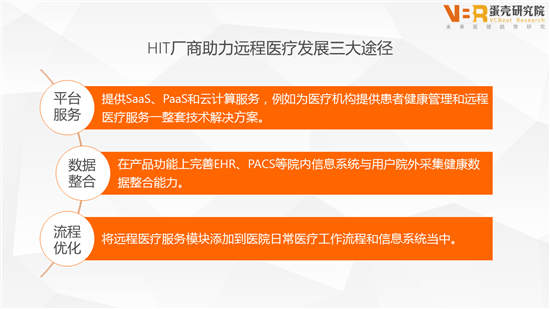
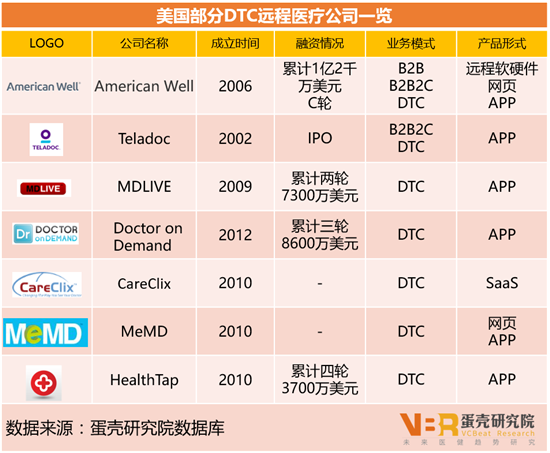
In recent years, there was considerable debate over whether telemedicine IT companies should pursue B2B or B2B2C business models. At that time, user acceptance of telemedicine services remained low, and companies focusing on direct-to-consumer (2C) operations achieved lackluster performance. Today, with the explosive growth of the telemedicine market, its prospects have become increasingly clear. As previously noted, demand for telemedicine infrastructure among hospitals and insurance institutions is rising rapidly. Traditional Health Information Technology (HIT) vendors are beginning to increase their investment in developing B2B telemedicine products. Meanwhile, telemedicine companies such as Teladoc, American Well, and Doctor on Demand are accelerating their transition from B2B2C to direct-to-consumer (DTC) business models. Brendan FitzGerald, Director at HIMSS Analytics, stated that the number of vendors providing telemedicine technology services grew rapidly from 45 in 2011 to 85 in 2015. In fact, when including the growing number of traditional HIT vendors entering the telemedicine space, the actual number of players in this field far exceeds these figures, and competition is becoming increasingly intense.
[Typical Cases]
As a veteran HIT vendor, Cerner launched remote ICU-related products early on and achieved strong market reception. Last year, Cerner reached an agreement with medical data company Validic to integrate activity data collected from users’ everyday wearable devices into Cerner’s HealthLife health application. Meanwhile, Cerner has partnered with telemedicine technology provider Vidyo to promote remote consultation services among physicians. Additionally, Cerner collaborates with Qualcomm Life to incorporate vital signs collected by patients at home using medical devices directly into its EHR system.

Amwell is a health information technology (HIT) company founded in 2006. Its early core business involved providing telemedicine hardware and software technical services to hospitals and insurers. In 2013, the company launched Amwell, a direct-to-consumer (DTC) telemedicine service platform, which was subsequently ranked as the most popular telemedicine app by App Annie for three consecutive years. Physicians on the platform are primarily freelancers or affiliated with physician groups. Users can select physicians online, with each video consultation priced at $49. In recent years, while continuing to strengthen its existing business of providing telemedicine hardware and software solutions to hospitals and insurers, Amwell has successively introduced a Telemedicine Software Development Kit (SDK) and the Exchange telemedicine platform. The former lowers the barrier for enterprise users to develop telemedicine video services, while the latter aims to create an Amazon-like marketplace for telemedicine services, where users can freely choose telemedicine offerings from hospitals or insurers that best suit their needs.

As the first publicly listed company in the telemedicine sector, Teladoc’s rapid growth also underscores the rise of telemedicine. In its early stages, Teladoc primarily operated on a B2B2C model, whereby corporate employers purchased telemedicine services for their employees. Today, Teladoc has also shifted toward direct-to-consumer (DTC) services. According to its publicly reported performance data, the company completed 570,000 telemedicine consultations in 2015 and 240,000 in the first quarter of 2016, representing a year-on-year increase of 64%. Alongside this growth in service volume, Teladoc has been expanding its scope of offerings. In the second quarter of 2015, it added remote consultation services for psychiatry and dermatology. This year, it plans to introduce remote chronic disease management services for users.
Medical Service Implementation: Telemedicine Is No Longer Just "Online Consultations"
During the Telemedicine 1.0 era, which was predominantly characterized by B2B services, tele-radiology and tele-pathology were the most widely applied specialized fields. According to WHO statistics from 2010, 62% and 41% of countries or regions had implemented tele-radiology and tele-pathology services, respectively. Today, in the Telemedicine 2.0 era, dominated by DTC (Direct-to-Consumer) service models, certain specialized subfields are emerging as new focal points.
Focus 1: Mental Illness
In the United States, psychiatrists are in short supply, with approximately half of all regions lacking adequate psychiatric coverage. Tele-video services can effectively eliminate geographical barriers, providing valuable psychotherapy services to a broader user base. Blue Cross, Georgia’s largest health insurer, has established a telemedicine network linking suburban hospital clinics with teaching hospitals, through which three mental health centers deliver remote services to patients in underserved areas. Company executives stated that surveys revealed the demand for psychiatrists is the strongest among all tele-specialty services in remote regions. Earlier, the U.S. Department of Veterans Affairs (VA) system conducted a study comparing outcomes for 98,000 patients over five years from 2006 to 2010 before and after receiving remote mental health services. The study found that after receiving remote psychotherapy, patients experienced significant reductions in hospital admission rates and average length of stay (by 24% and 26%, respectively). Today, remote psychological diagnosis and treatment has become one of the key telemedicine services promoted by insurers and telehealth companies.
Focus 2: Dermatology
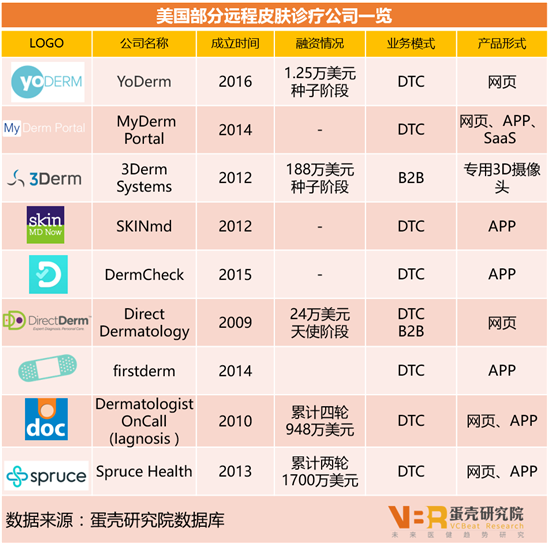
The use of telemedicine for dermatological diagnosis is hardly new. Medical institutions began offering such services over a decade ago, although early teledermatology primarily consisted of remote consultations between hospitals. Currently, due to a shortage of dermatologists, even in major cities, patients often face wait times of up to 30 days for an in-person specialist appointment. After California’s Medicaid program included teledermatology in its reimbursement coverage in 2012, 48.5% of patients receiving dermatological care were served via telemedicine within the following two years. With the widespread adoption of smartphones, image capture by users has become more convenient, and direct-to-consumer (DTC) teledermatology has gradually matured. By downloading a mobile app, users can access end-to-end services, including image capture, encrypted transmission (compliant with HIPAA privacy requirements), disease diagnosis, and treatment recommendations.
Earlier this year, a study published in JAMA questioning the accuracy of remote dermatological diagnosis sparked significant debate within the industry. It is believed that with the standardization of diagnostic and treatment protocols and the accumulation of data, tele-dermatology will become more mature in the future, evolving into an integral component of routine dermatological care.
Focus 3: Postoperative Rehabilitation
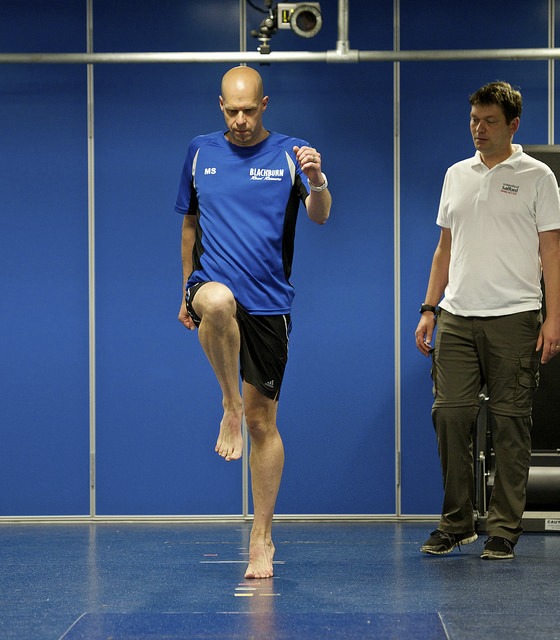
Historically, patients were required to transfer to specialized rehabilitation centers for postoperative recovery after undergoing surgery in hospitals, followed by regular return visits for follow-up examinations. The burdensome travel and poor information exchange between institutions often imposed additional strain on patients. Today, leveraging telemedicine technologies, attending surgeons can directly participate in patients’ postoperative rehabilitation processes, assuming a more active role.
[Typical Case]
Dr. Stefano Bini is an orthopedic professor at the University of California. He presented his research on telerehabilitation at the 2016 Annual Meeting of the American Telemedicine Association (ATA). He selected 29 patients who underwent total knee arthroplasty (postoperative rehabilitation exercises are crucial for the recovery of motor function) and provided remote guidance to 14 of them using carefully recorded standard rehabilitation exercise videos. The patients performed rehabilitation exercises at home by following the videos, recorded their progress, and uploaded the footage to their physicians. Therapists determined whether patients should proceed to the next stage of rehabilitation based on the conditions reflected in the uploaded videos. The experimental results showed that although the average age of the participants was 62 years, they expressed a high level of satisfaction with this telerehabilitation approach. The outcomes for the 14 patients receiving telerehabilitation were largely consistent with those of the other 15 patients who exercised at a rehabilitation center. More importantly, whereas therapists previously needed to spend one hour accompanying each patient during rehabilitation sessions, they can now complete remote guidance for each patient in just five minutes.
Focus 4: Chronic Disease Management
86% of U.S. healthcare spending is allocated to the treatment of chronic diseases and the management of related complications. How to effectively enhance the efficiency of out-of-hospital chronic disease management and improve patient experience has become a top priority for current healthcare providers. The emergence of telemedicine offers physicians an excellent solution. In future direct-to-consumer (DTC) remote chronic disease management, medical-grade wearable devices will play a crucial role by seamlessly integrating in-hospital medical information with out-of-hospital data.
[Typical Case]

Mississippi has the third-highest diabetes prevalence in the United States, with 12.9% of adults affected, resulting in annual costs as high as $27.4 billion. In 2014, the University of Mississippi Medical Center (UMMC) launched a pilot program for remote diabetes management involving 100 patients. Collaborating with North Sunflower Medical Center in a rural area and with support from health IT vendors such as Intel and GE, UMMC established a telemedicine system that enabled patients to communicate instantly with physicians from home. After six months, the participants’ average hemoglobin A1c levels decreased by 1.7 percentage points. No patient required hospitalization or emergency department visits due to poor glycemic control during this period, saving insurers $330,000 in medical expenditures. In 2016, UMMC expanded its remote chronic disease management program to include patients with heart failure, chronic obstructive pulmonary disease (COPD), hypertension, and asthma, aiming to provide telehealth services for chronic conditions to 1,000 patients per month.
Despite numerous unresolved challenges, telemedicine is no longer an inaccessible healthcare service for the general public. Much like the initial skepticism surrounding smartphones—when many questioned the future prospects of a device that appeared bulky and lacked even basic telephony excellence—telemedicine is poised to follow a similar trajectory. Smartphones have long since proven themselves as the direction of the future. Likewise, it is highly probable that within the next three to five years, telemedicine will become an indispensable component of primary healthcare in the United States. Leveraging the power of smart mobile devices and internet connectivity, medical data is breaking free from past “information silos,” converging to provide a more comprehensive and clear depiction of patients’ health status. The value of these data is akin to providing physicians with an ultimate treasure map for diagnosing and curing diseases. More intriguingly, patients themselves are gradually emerging as the navigators on this journey toward better health.
With this introduction, readers have gained a preliminary understanding of the current development status of the direct-to-consumer (DTC) telemedicine model in the United States. Behind this prosperity lies extensive preparatory work, including policy formulation and the establishment of industry standards.In the next article, we will review the essential pathways and prerequisites. How far has China progressed? When will telemedicine truly take off? Stay tuned!

For more reports from VCBeat, click here:
 http://www.vcbeat.top/report.html