

Innovation at the Intersection of Internet Healthcare and Commercial Health Insurance: Service and Payment Models
On the evening of June 23, 2016, VCBeat invited Gong Qiao, General Manager of the Grand Health Business Department at Taikang Online, to participate in a VB Group interview. Centered on the theme of “Internet Healthcare + Commercial Health Insurance,” she delivered a keynote address to 83 WeChat groups, reaching an audience of over 20,000 people, and provided insights into how commercial insurers can collaborate with innovative healthcare companies. This article, exceeding 7,000 words, stands out as the most worthwhile in-depth read on “Internet Healthcare + Insurance” in recent times.

Gong Qiao
General Manager, Big Health Business Department, Taikang Online Property Insurance Co., Ltd.
With 13 years of experience in the life insurance industry, I possess extensive industry expertise. I previously served as a Product Manager at eHealth China Inc., a U.S.-based online commercial health insurance platform, and held the position of Head of Channel Management within the Health Insurance Division at Taikang Life Insurance’s headquarters.
In the early 1980s, China began to develop its commercial health insurance sector. Currently, life insurers, property and casualty insurers, and specialized health insurers are all engaged in health insurance operations. In recent years, premium income from health insurance has grown year by year, accounting for an increasing share of total life insurance premiums; by 2015, this proportion had reached 14.8%. However, compared with mature markets where health insurance premiums account for more than 30% of life insurance premiums, China’s commercial health insurance sector still has substantial room for growth.
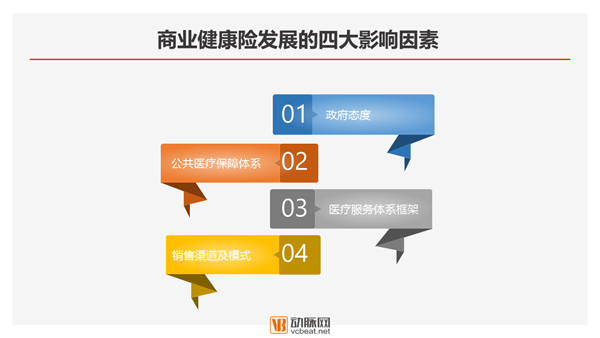
Numerous factors influence the development of commercial health insurance; I believe the four most critical ones are:The government’s stance on the development of commercial health insurance, the public healthcare security system, the framework of the medical service delivery system, and the sales channels and business models of commercial health insurance itself.
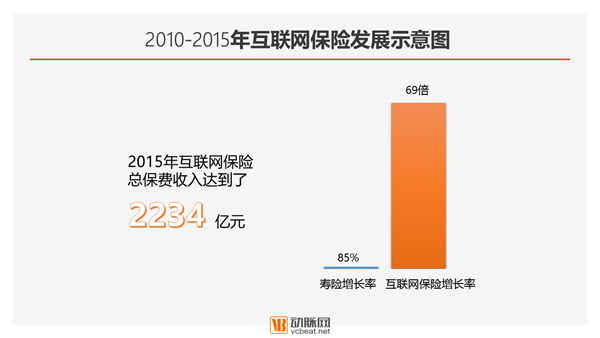
From 2010 to 2015, the total premiums of domestic life insurance in China increased by 85%.
Internet insurance growth has exceeded 69-fold.
This session focuses on sharing insights into the impact of the internet on the development of commercial health insurance, examined from two perspectives: the healthcare service system framework and the sales channels for commercial health insurance.
The healthcare service framework is closely related to the service models of healthcare institutions, the volume of services provided, and the regulatory models governing these institutions.Internet healthcare is transforming today’s healthcare services by altering service delivery models and the volume of supply.
Another significant impact stems from sales methods and sales channels.The traditional sales channels for commercial health insurance mainly rely on direct group sales., namely, supplementary medical insurance sold to enterprises and individual policies sold by insurance agents, as well as bancassurance, telemarketing, and brokerage agencies. These constitute the primary distribution channels for commercial health insurance, with the internet emerging as a novel channel. Therefore, I believeThe Internet is simultaneously influencing the development of commercial health insurance today from both the sales channel and healthcare service system perspectives.
We refer to the past decade as the "Golden Decade" of the insurance industry,From 2010 to 2015, total premiums for domestic life insurance grew by 85%. The development of internet insurance has been even more remarkable, with total premium income reaching RMB 223.4 billion in 2015. From 2011 to 2015, total premiums for internet insurance increased by more than 69-fold.Its growth rate is significantly higher than the overall industry average, and the market share of internet insurance within the insurance sector has been rising year by year, reaching as high as 9.2% in 2015.
Meanwhile, the internet healthcare industry is also experiencing robust growth. At the intersection of two high-growth sectors and market opportunities—internet healthcare and internet insurance—the integration of more resources and the development of superior collaboration models will undoubtedly create even greater breakthroughs.
The Big Health Sector Is Taikang’s Strategic Focus
Taikang Online is committed to the deep integration of online customers and the Internet.
Taikang believes that insurance is essentially payment. As a payer entering the healthcare industry, it enjoys significant advantages and a solid foundation. Taikang has consistently made comprehensive health its core strategy.
Taikang has various subsidiaries that explore integration with the healthcare sector from different angles. For instance, Taikang Community invests in and operates hospitals and senior living communities, representing a heavy-asset approach to deeply integrate with the broader health industry. Other Taikang subsidiaries are also exploring health management services. Taikang Pension primarily serves corporate clients, with a focus on government-supplementary medical insurance business.
Taikang Online, where I serve, is committed to the deep integration of online customers with internet-based holistic health. Taikang Life Insurance upholds the philosophy of serving individuals’ health throughout their entire lives, “from cradle to heaven.” By exploring the in-depth integration of elderly care entities and services with pension insurance products, it has pioneered a new model of pension insurance, achieving significant social and commercial benefits. It is this successful experience that leads us to believe that a similar model can be pioneered in the field of medical services.
Taikang’s exploration of the internet began in 2000, when a department was established under Taikang Life Insurance—the predecessor of Taikang Online. This team was the earliest to operate life insurance services through an official website and has consistently monitored changes in the internet insurance landscape while leading industry development. Over the past decade-plus, we have accumulated extensive experience in online life and health insurance operations. This experience serves as the driving force and foundation for our continuous innovation and proactive leadership in the “Internet + Healthcare + Insurance” model.
Payer/Payor/Provider
Tripartite Integration Breaks the Dilemma
Since 2015, we have engaged with a large number of internet healthcare service providers, including many startups. Naturally, these startups have been exploring how to integrate deeply with commercial health insurers. However, such collaborations often marginalize the actual consumers, focusing merely on the partnership between service providers and insurance companies.Typically, many service providers treat commercial insurance companies as their payers, simply marketing their services to these insurers in the hope that they will offer healthcare solutions to their existing customer base. However, you will find that this model of collaboration struggles to genuinely address the core pain points currently faced by commercial insurers.
Merely positioning commercial insurance companies as payers has not directly driven customer acquisition or business growth for them. Moreover, such services are highly replicable; once one insurer introduces them, many others follow suit. Consequently, these offerings evolve into value-added services provided to customers, becoming a fixed cost burden. Over time, this erodes the incentive for commercial insurers to sustain such collaborations.
When our healthcare services move away from commercial insurance payers, we also face certain challenges. For instance, when we engage in discussions with some leading pharmaceutical companies, they express similar concerns.Although the efficacy of services or pharmaceuticals is recognized by the market, their prohibitively high prices and consumers’ limited ability to pay constrain sales growth potential. Consequently, high-quality medical and health services fail to achieve widespread adoption due to a lack of payer support.Merely linking health services with consumers, without the support of insurance payers, will reveal that the service market is also unlikely to experience significant growth.
Similarly, if health insurance cannot be deeply integrated with healthcare services, its scope for innovation and growth will be constrained. Take critical illness insurance products, which currently account for a significant proportion of the health insurance market, as an example. While these products do provide substantial health protection to the insured population, they offer only financial coverage triggered by the occurrence of specific diseases. Consequently, such products face limited room for innovation; apart from continuously expanding the list of covered conditions, there is little scope for further development. Breakthroughs in areas such as disease prevention and cost containment remain limited.
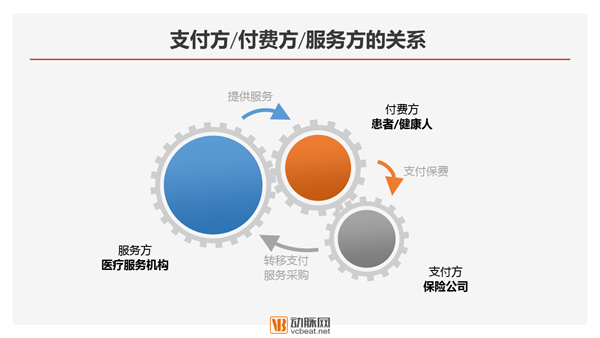
From the current perspective, commercial health insurance, as the payer, and healthcare services, as the provider, are deeply integrated to jointly serve the broader population. Historical experience suggests that without deep integration among all three parties, a bilateral partnership alone would inevitably lead to biases in both model and approach.
Internet+ Commercial Health Insurance
Product design and service delivery models have both been transformed.
The internet is not merely a new insurance sales channel; its emergence has transformed service and distribution channels, leading to significant shifts in our product philosophy and design.
Insurance underwrites risk, with claims services at its core. Health insurance, in particular, demands exceptionally high service standards. There is a common saying in the industry that when a life insurance policy is sold, 80% of the insurer’s work is done, leaving only 20% for potential future claims.However, when a commercial health insurance policy is sold, only 50%, or even just 40%, of the work may be completed. The remaining efforts are dedicated to providing high-quality claims settlement services to customers, as commercial health insurance is a high-frequency claims product with a high incidence rate of claims.Therefore, such services are particularly important for commercial health insurance.
From this perspective, commercial health insurance bears strong similarities to auto insurance. This is due not only to the need for reasonable pricing but, more importantly, to the quality of claims services and customer satisfaction. Changes on the service side have a significant impact on commercial health insurance. It is evident that the internet has provided substantial technological support to the commercial health insurance sector.
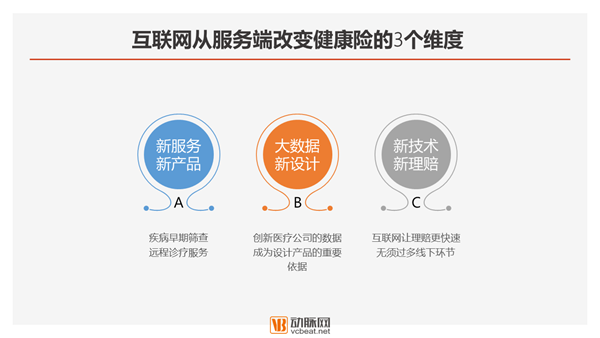
First,New Products Spawned by New Services.For instance, the current landscape is characterized not only by internet-based healthcare but also by the vigorous development of medical technologies themselves, which have given rise to many healthcare services that did not previously exist. We now have access to a wider array of disease screening technologies. These technologies enable the design of new insurance products that can reduce disease treatment costs through early detection. Today, insurance companies are actively partnering with numerous disease screening providers, including genetic testing firms, to develop innovative insurance products. Another example is telemedicine, a service spurred by the internet. We observe that telemedicine not only aligns with the national government’s strong promotion of tiered diagnosis and treatment but also provides convenient services to patients. By integrating these capabilities, we can introduce new products. In this context, the emergence of new services is driving transformative changes in product design.
Second,The introduction of new data and services on the server side has transformed pricing and cost-control models, while also giving rise to new product design philosophies.In the past, when designing commercial health insurance products for commercial insurers, the available data were extremely limited. However, many internet companies today are collecting health and medical data on the Chinese population. These new data sources are of great significance to our new product design, as data serve as a critical foundation for product development.
Meanwhile, it is evident that services such as chronic disease management can provide substantial support for insurers’ cost-containment efforts. This creates an opportunity to better inform the pricing of traditional insurance products or coverage tied to the progression of specific diseases. Consequently, when our traditional products are integrated with enhanced services, they may be offered at more competitive prices.
Third,Innovation in the Timeliness and Convenience of Claims Services Driven by Technology.In the past, issuing a commercial health insurance policy posed significant operational challenges for commercial insurers if the product involved frequent claims. Consequently, we observe that critical illness products constituted a major proportion of the health insurance portfolio offered by commercial insurers in the past. In fact, critical illness products have relatively low dependence on and frequency of service utilization. They operate on a predefined basis: indemnity is paid upon the occurrence of specified diseases, with no payment if such conditions do not arise. The launch of such products places limited demands on claims settlement services; however, this also results in weaker customer perception of both claims processing and overall service quality.
The transformation of internet technology, including the emergence of an increasing number of payment-enabled products that can directly integrate with high-quality healthcare institution information systems, enables real-time claims processing. Leveraging robust data, this integration drives innovations in timeliness and convenience, demonstrating how technology facilitates claims settlement and is reshaping consumers’ traditional perceptions and understanding of commercial health insurance.
In the past, we frequently received excessive customer complaints at the claims stage. This was because customers had to first seek medical treatment at a hospital, then organize their invoices, and finally submit them to commercial health insurance companies for reimbursement. Meanwhile, various complex rules led to customer misunderstanding, creating the perception that purchasing insurance was easy while filing claims was difficult. As a result, commercial insurance companies historically received the highest volume of complaints in this area.
For outpatient and emergency care products purchased online from Taikang Online, claims can be settled in real time simply by uploading photos of the relevant documents after receiving medical care. In the future, direct-billing claims will become more convenient and widely available through system integration with healthcare service providers.
All of this is reshaping consumers’ perceptions of commercial health insurance and their experience with its services. We believe that the emergence of high-quality services on this front will also empower us to more boldly pursue innovations in convenient, high-frequency claims products.
The Internet has bridged connectivity across the entire data landscape, enabling us to develop innovative products through service integration driven by efficient connections. As a payment platform, we are capable of linking every stage of the consumer healthcare journey—from disease screening and medical consultation to post-hospital rehabilitation—into a unified data chain. This allows us to offer consumers newly integrated service-and-insurance products, all made possible by the innovative capabilities stemming from today’s highly efficient Internet connectivity.
The Internet has led to the fragmentation and scenario-based customization of products.
Taikang is attempting to segment the population market for integrated insurance services
When we rely on agents or distribution channels to market health insurance to consumers, we must first consider the demands and interests of these channels. They may be averse to products with overly segmented target populations, as this adds complexity to the sales process; they may also dislike products with low premiums per policy, as this can deplete their customer resources.Therefore, they prefer to sell products that can target a large population, with a high average transaction value, and allow for complex combinations of redemption methods.
Today, as we directly engage with the online population, channel demands have evolved into consumer demands. We need to design health insurance products that deliver genuine value and cater to customer needs, and market them to our users within appropriate scenarios.
When leveraging the internet as a sales channel, we fragment traditional products to align with online consumer habits.
We launched a product on WeChat called “CareSeeking Micro-Mutual Aid,” an insurance plan with a premium of just one yuan. While it is difficult to promote such a low-priced product through traditional channels, we have leveraged the internet to lower the purchase threshold and enhance customer stickiness.
Additionally,Scenario-based product innovation.For instance, flight delay insurance is a scenario-based product that consumers readily understand. When you are at the airport preparing to board a flight and are concerned about potential delays, you can promptly see the option for flight delay insurance. This type of offering exemplifies a scenario-based product, which has emerged as a result of the transformation driven by the internet.
Meanwhile,The flat and transparent nature of the internet also provides us with the opportunity to design products for more segmented populations, offering standardized solutions that are better tailored to these specific market segments.When targeting populations with a single specific disease, or those already diagnosed, even if they represent a niche patient group, we can easily identify and focus on them via the internet. In terms of sales channels, we emphasize internet-supported products tailored to segmented populations. With numerous medical products available online, it is evident that many patients seek additional support and resources on the web. Thus, the internet today excels at facilitating population segmentation, enabling the development of products designed for specific patient segments. Currently, we are exploring products needed by populations with single-disease conditions. Taikang has made significant strides in this area, particularly in diabetes and breast cancer care.
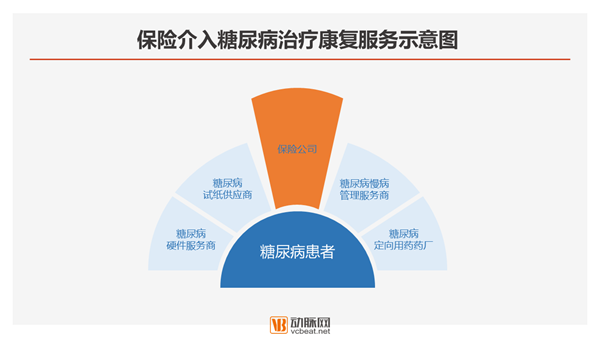
We recognize that for patients with diabetes, blood glucose monitoring and testing, antidiabetic medications, the risk of diabetic complications, and even test strips are essential necessities; therefore, they also require high-quality blood glucose management services.Hardware providers, test strip suppliers, chronic disease management service providers, and manufacturers of targeted diabetes medications—these four parties, together with insurance coverage for disease progression risks, form an integrated ecosystem serving the diabetic population.Patients can purchase an insurance policy that bundles the key services they require. By receiving high-quality care, they significantly reduce the risk of complications. Both insurers and service providers stand to share in the benefits derived from this reduced risk of disease progression, rather than relying solely on profits from providing basic service coverage.
Breast cancer products also follow this logic. A patient diagnosed with breast cancer may have an urgent need for a second medical opinion from specialists and comprehensive disease management throughout the entire course of illness, including full-cycle care spanning from hospitalization to five years post-discharge. Patients with confirmed breast cancer may face imminent surgery, after which they could encounter differing outcomes based on HER2-positive or HER2-negative status, leading to significant disparities in pharmaceutical costs. We integrate these necessary services and potential risks into a product designed specifically for the breast cancer population, providing reimbursement for chemotherapy and targeted therapy medications, along with five-year disease management. Additionally, we offer survival benefits, thereby creating a strong connection between the insurance company and the patient. If the patient adheres to the standard treatment pathway, they will not only receive financial support for medication costs but also gain five-year survival coverage. This approach allows patients to truly perceive that their interests are deeply aligned with those of the insurer, making such policies highly significant for patients.
Take the Wei Zexi incident that drew widespread public attention some time ago as an example. Many people expressed anger and confusion. In reality, this reflects the difficulties faced by many patients we know: they often feel helpless after being diagnosed. Doctor-patient conflicts have eroded trust between patients and physicians, leaving patients uncertain about whom to trust. In such circumstances, an insurance company that assumes responsibility for a patient’s survival emerges as a trustworthy partner. Since the insurer avoids claim payouts only if the patient survives, it is incentivized to integrate superior services and resources to help the patient achieve better survival outcomes. It is health insurance products that align our interests with those of patients; together, we choose the most cost-effective and efficient treatment plans and pathways.
Insurance products targeting patients with specific single diseases are now a key strategic focus for us. For these specialized products, we have integrated disease management service providers, pharmaceutical manufacturers, and data connectivity vendors. This collaborative approach aims to extend patient survival and reduce the risk of disease progression.
These innovations in markets and products actually stem from the changes on the sales side and the service side, which have brought us entirely new perspectives.
Smoking Cessation Insurance and Cancer Risk Questionnaire
Enable insurance to intervene in an accessible and detailed manner
In the realm of innovative health insurance services, we are also highly eager to collaborate with more partners to co-create new products.
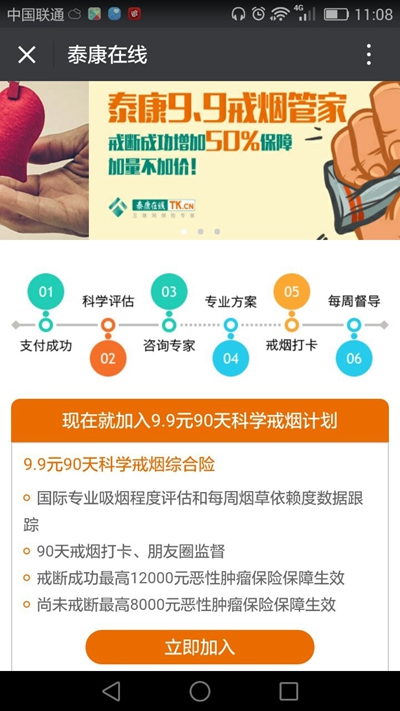
For instance, a smoking cessation insurance product recently launched was developed in collaboration with China-Japan Friendship Hospital, which has established a Smoking Cessation Clinic Center. However, many individuals lack awareness of such clinics and do not fully understand how to effectively access smoking cessation services and pharmacological treatments. We are pleased to offer this innovative service as a commercial health insurance product, informing policyholders that they can receive high-quality care from the Smoking Cessation Clinic and qualify for enhanced health coverage upon successful smoking cessation. This product will be expanded to additional service networks in the future, serving as an excellent example of collaboration with innovative healthcare services.
There are many well-executed products in the realm of medical innovation. We can develop new offerings entirely tailored to your novel services, thereby better positioning them for the market and consumers. Our goal is to deliver high-quality services to health-conscious consumers, which represents a key strategic direction for our future. Meanwhile, we are highly open to collaborating with companies that provide robust health data. Such partnerships can serve as a means for patient underwriting and screening, enabling us to more accurately identify populations with lower incidence rates. Alternatively, these collaborations can offer new data sources, creating fresh data integration points for pricing innovative products.
For instance, in collaboration with a health-tech company specializing in health questionnaires, we have launched a health insurance product based on questionnaire responses. This product is particularly innovative. It is a cancer screening solution that assesses individuals’ cancer risk based on their answers to a population-wide health questionnaire and provides differentiated coverage tailored to different risk levels. For high-risk users, the plan covers the cost of early tumor marker testing; if the results continue to indicate high risk, it further covers the expenses for definitive diagnostic procedures. With an exceptionally low entry barrier of just RMB 9.9, the process begins with an online questionnaire, while also incorporating the screening data into our broader data ecosystem.
We have begun experimenting with high-frequency claims products on the internet, including outpatient and emergency care insurance. Our goal is to transform these outpatient and emergency products into high-frequency claims offerings that enhance patient experience. We are exploring whether emerging technologies can help us better assess customer risk and streamline the reimbursement process, making it smoother for users. Although we have already achieved fully online, self-service claims processing, we believe that for low-value, high-frequency claims services, there is still room for improvement through partnerships with superior service providers to create more diverse usage scenarios.
For patient populations with specific single diseases, their unique characteristics and heterogeneity, the core services they require, and the subsequent risks during their disease progression all represent directions for innovative insurance product development.
Taikang Online is committed to leveraging the advantages of “Internet Plus” to drive transformation in both sales and services, thereby creating a wider array of innovative commercial health insurance products. As a company qualified to underwrite property insurance, we are dedicated to endorsing risk liabilities within the medical ecosystem with a service-oriented mindset, thereby serving the healthcare service ecosystem. We provide healthcare institutions and physicians with a diverse range of liability insurance products to help mitigate their industry-specific and professional risks.
Today, health insurance precisely identifies customers with payment capacity and, leveraging today’s comprehensive internet connectivity technologies, integrates multiple services—including disease screening, precision medicine, chronic disease management, medication guidance and discounts, high-value medical services and high-quality treatment plans, as well as risk protection against disease progression—to deliver innovative, high-quality products that provide users with a completely new service experience. We believe such products truly represent the innovative commercial health insurance solutions that today’s internet users need.
We hope to engage more partners in product innovation, pricing, risk control services, and sales collaboration, joining hands with us to build a new ecosystem for commercial health insurance and innovative healthcare.
Q: What is the guiding philosophy behind Taikang Online’s integration with innovative healthcare? What value will this collaboration bring to both parties?
Gong Qiao: From the perspective of Taikang Online, we maintain a highly open mindset. We welcome collaborative product innovation with high-quality medical services, joint pricing models based on shared data, and support for traditional commercial health insurance in price exploration through robust risk control mechanisms. We are also open to diverse sales partnerships. We believe that as a payer, commercial health insurance can provide access to customers with payment capacity, while premium health and medical healthcare services can drive innovation in service products and foster enhanced collaboration in sales scenarios.
Q: What will be the core competitiveness of commercial health insurance in the future? Will it proactively intervene to reduce disease incidence or prevent illness altogether?
Gong Qiao: I believe that the core competitiveness of “Internet+” commercial health insurance must stem from improvements in service. In fact, the greatest value insurance offers to customers lies in its claims settlement service capability, and the Internet has a profound impact on how services are perceived—much like today’s e-commerce sector. We are confident that by integrating enhanced services, including more convenient internet-based medical services now widely available, commercial health insurance can develop distinct competitive advantages.
Proactive insurance intervention to reduce disease incidence and prevent illness represents a critical area of exploration. As observed today, nearly all products in this field are primarily designed to lower patients’ morbidity rates and slow disease progression. Whether through innovative diabetes or breast cancer solutions, the provision of medication support or chronic disease management services is ultimately aimed at reducing the risk of disease progression. We believe that customers do not purchase insurance merely to cover medical expenses when they fall ill; rather, we aspire for them to buy insurance because it helps them stay healthier—or even avoid illness altogether.
Q: What are your criteria for selecting partners? What do you prioritize most during the collaboration process?
Gong Qiao: We place great emphasis on the genuine value of these services offered by our partners—specifically, whether they address essential consumer needs and deliver tangible value to innovations in insurance products, such as cost containment. We believe that the path to innovation requires greater efficiency and more frequent interaction; therefore, we prioritize whether operational efficiency can keep pace and whether there is substantial intellectual exchange with us. Meanwhile, we hope these services will achieve broader geographic coverage, thereby expanding the applicability of the products we develop.
Your Distance to “+Insurance”
Only a small form
Visit the event website and click “Register Now”
http://act.vcbeat.top/index.php/Find/index.html

Scan the QR code for more event details.
Event Inquiry: Mr. Li 023-67685030