

Cancer Nutrition Therapy: A Novel Approach in Oncology Treatment
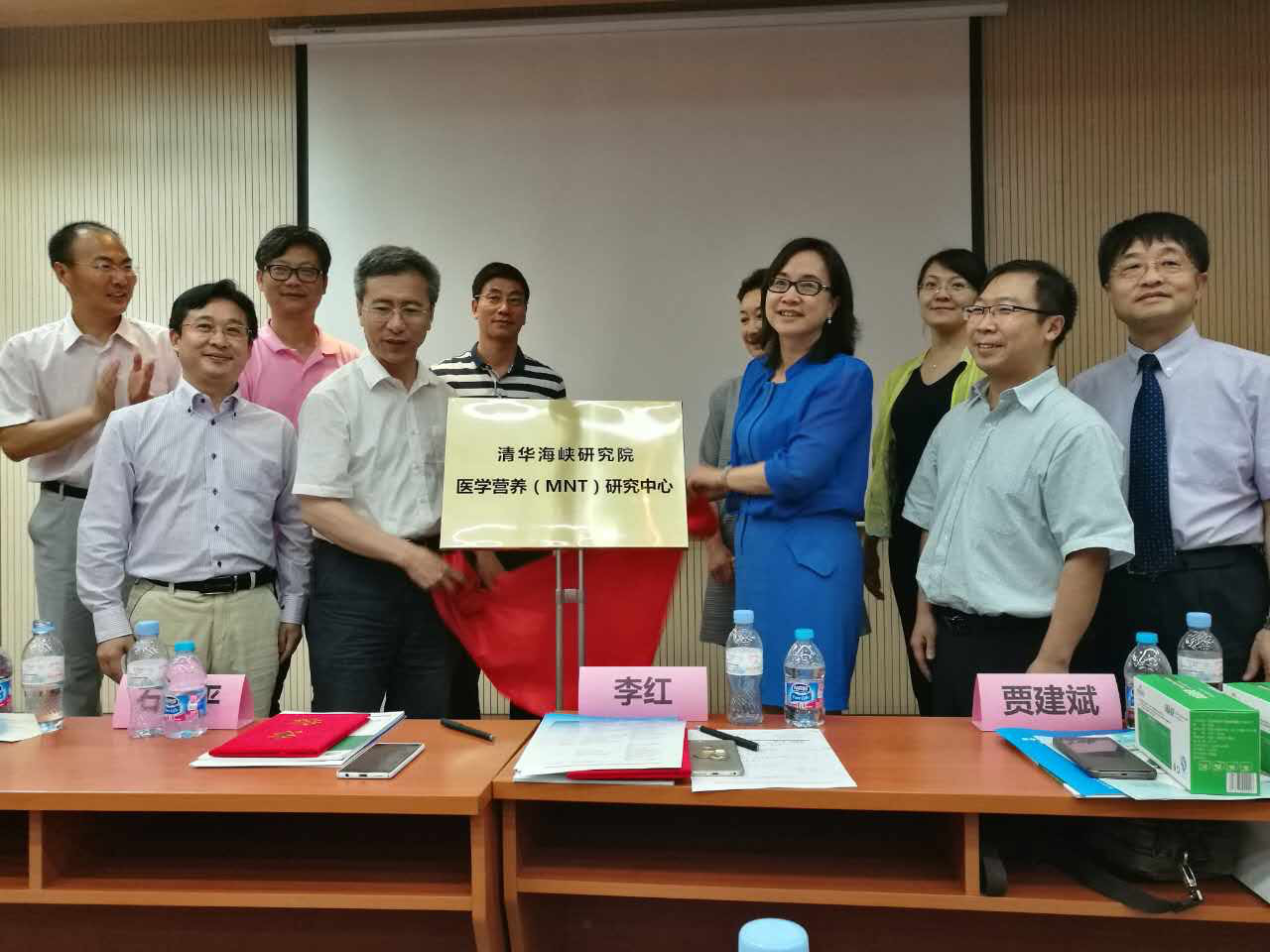
On June 28, 2016, the inauguration ceremony of the Medical Nutrition Therapy (MNT) Research Center and the First Tsinghua Medical Nutrition Symposium were held at Tsinghua University, co-hosted by the Tsinghua Strait Institute and Wuhan InnoLin Biotechnology Co., Ltd. Notably, oncology expert Shi Hanping elaborated on the key concepts of nutritional therapy for cancer. The following content is compiled by VCBeat.
Malnutrition Plagues Cancer Patients
Data indicate that 40–80% of cancer patients suffer from malnutrition, and 20% of cancer deaths are directly attributable to malnutrition. A study involving 15,000 cancer patients in China revealed that 67% of hospitalized cancer patients had moderate to severe malnutrition; 71% of patients did not receive nutritional support, and among the 29% who did, 59% received non-standardized or inappropriate nutritional support. Furthermore, only 35% of healthcare professionals at Grade IIIA teaching hospitals in China passed the assessment on cancer nutrition knowledge, with merely 12% achieving an excellent rating. In contrast to developed countries in Europe and America, where enteral nutrition accounts for 80–90% of use, parenteral nutrition predominates in China, comprising 80–90% of clinical practice.
Malnutrition not only reduces patients’ tolerance to treatment, diminishes therapeutic efficacy, lowers quality of life, shortens survival time, and increases complications, but also imposes a substantial socioeconomic burden on patients’ families, employers, and the nation. In the United Kingdom, annual costs attributable to malnutrition reach £7.3 billion, accounting for approximately 10% of the country’s total healthcare expenditure. In the United States, the incremental cost associated solely with prolonged hospital stays due to malnutrition amounts to $18 billion per year.
Nutritional support can significantly enhance the efficacy of oncology treatment while substantially reducing healthcare costs. In the Netherlands, each patient with malnutrition incurs an additional annual cost of €10,000, whereas nutritional support alone can save 18.9% of the nation’s total healthcare expenditures. A study involving 40 million hospitalized patients in the United States found that nutritional support reduced hospital stays by 21% and lowered hospitalization costs by 22%. In Canada, nutritional therapy has been elevated to a major national strategy and is recognized as a first-line treatment for diseases. International reports indicate that the cost of enteral nutrition (EN) ($18/day) is significantly lower than that of parenteral nutrition (PN) ($102/day).
Nutritional Therapy Promotes Cancer Treatment
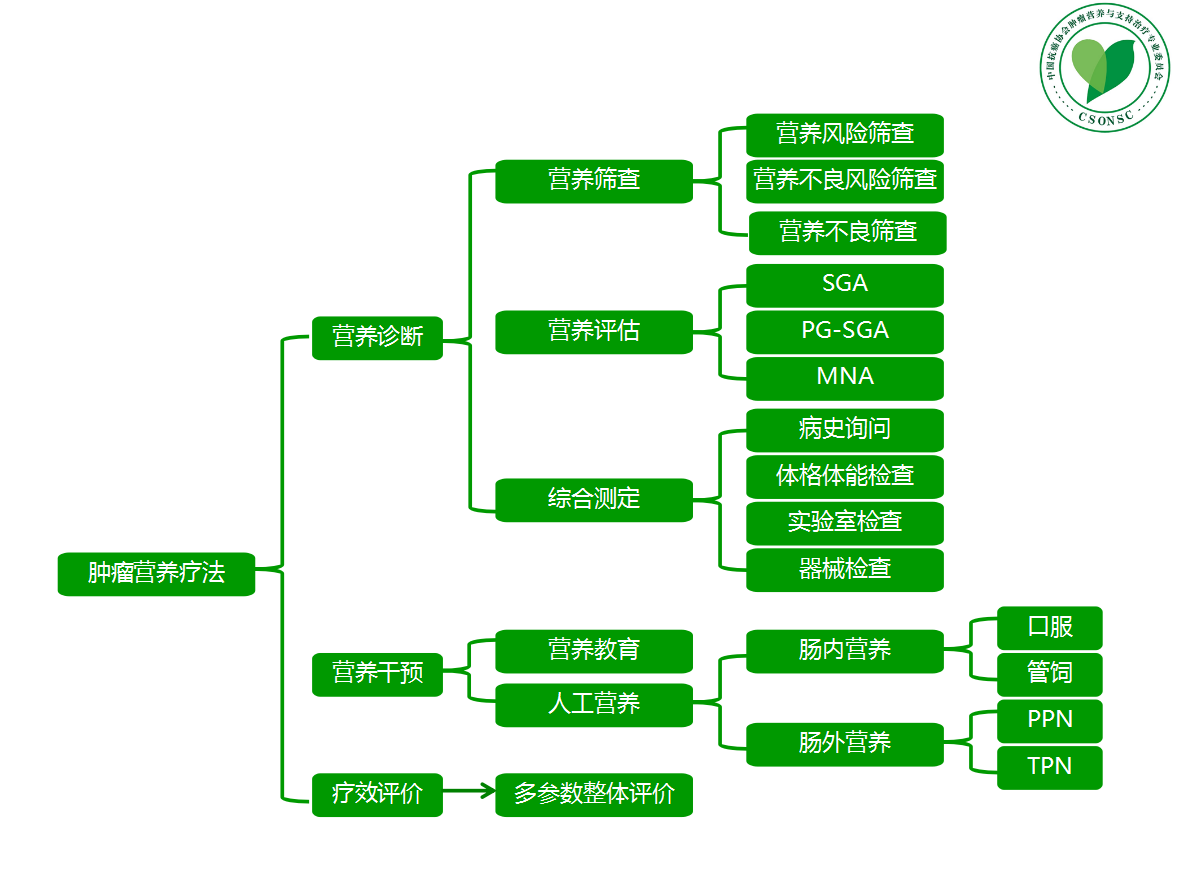
Nutritional therapy has evolved from nutrition support. When nutrition support goes beyond merely addressing nutrient deficiencies and is entrusted with missions such as treating malnutrition, regulating metabolism, and modulating immunity, it transcends into nutritional therapy.
Cancer Nutrition Therapy (CNT) is a process involving the planning, implementation, and evaluation of nutritional interventions to treat tumors and their complications or physical conditions, thereby improving the prognosis of cancer patients. It comprises three stages: nutritional diagnosis (screening/assessment), nutritional intervention, and efficacy evaluation (including follow-up). Nutritional interventions include nutritional education and artificial nutrition (enteral nutrition and parenteral nutrition). CNT does not merely provide energy and nutrients or treat malnutrition; its more important objectives are to regulate metabolism and control tumor progression.
Cancer nutritional therapy is a treatment modality of equal importance to surgery, radiotherapy, chemotherapy, targeted therapy, and immunotherapy. It permeates the entire course of cancer treatment and is integrated with other therapeutic approaches, serving as one of the core components of integrative oncology. Cancer nutritional therapy encompasses the integration of various metabolic regulation treatments, rather than merely supplementing nutrients. It constitutes a holistic treatment approach, not a localized one.