

Academician Zhan Qimin Outlines the Right Approach for Precision Medicine Implementation in China
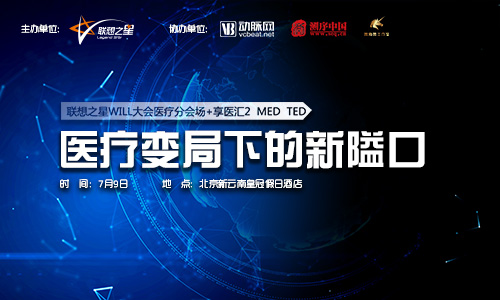
On July 9, 2016, the WILL Conference hosted by Legend Star, a renowned venture capital firm, will be held at the Crowne Plaza Beijing New Yunnan Hotel. The event will invite numerous industry leaders and capital influencers to deliver thematic presentations and engage in in-depth interactions, jointly exploring the next development trends in healthcare and other sectors.
Academician Zhan Qimin, a key promoter of precision medicine in China and one of the event’s distinguished guests, will also attend to deliver an inspiring speech to the audience.
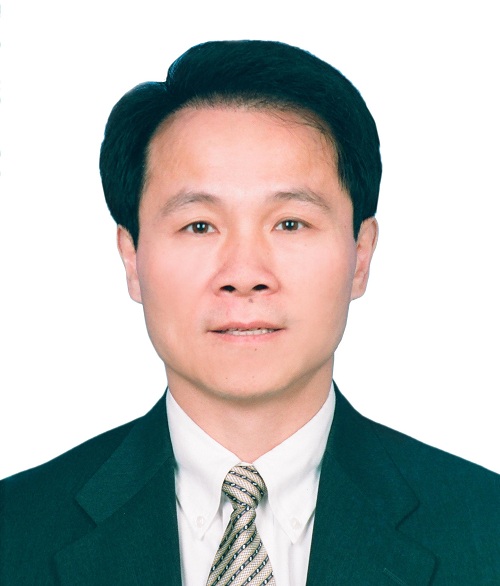
Academician Jian Qimin is a renowned molecular oncologist with prolific scientific achievements and significant influence both domestically and internationally. Elected to the Chinese Academy of Engineering in 2011, he currently serves as Vice President of the Chinese Academy of Medical Sciences, Vice President of Peking Union Medical College, Director of the State Key Laboratory of Molecular Oncology, Chairman of the Chinese Society for Microcirculation, Vice Chairman of the China Anti-Cancer Association, and Chief Scientist of the National 973 Program Project on Cancer Research.
VCBeat Conducts Exclusive Interview with Academician Zhan Qimin to Discuss the Challenges and Opportunities Facing the Booming Field of Precision Medicine
Precision Medicine Should “Shift Focus Upstream and Decentralize Services”: Emphasizing Community Healthcare and Health Management
Academician Zhan Qimin introduced that China’s precision medicine initiative focuses on four key research tasks: First, research on precision prevention and control technologies and models. This involves exploring and establishing personalized, comprehensive prevention models tailored to national conditions, targeting prospective populations in high-incidence regions and susceptible groups. Second, discovery and application of molecular biomarkers. By identifying genomic, epigenomic, transcriptomic, proteomic, and metabolomic markers, this task aims to enable early warning, screening, and diagnosis of diseases, as well as to guide treatment sensitivity, disease prognosis, and outcomes. Third, precise diagnosis through molecular imaging and pathology, including molecular imaging, multimodal image fusion of CT and ultrasound, and non-invasive or minimally invasive precise diagnostic techniques. Fourth, clinical precision therapy. This involves developing treatment plans based on clinical molecular subtyping, comprehensive personal information, and big data analytics from omics and imaging, for use in targeted therapies, immunotherapies, cell therapies, and other biological treatments.
It is evident that precision medicine is not confined solely to medical research in scientific institutes and universities or to the clinical treatment of complex and refractory diseases in tertiary hospitals; it also encompasses disease surveillance and early warning, as well as continuous health management.
Zhan Qimin pointed out that communities represent another main battlefield for precision medicine beyond hospitals. Many people assume that precision medicine is solely about rescuing critically ill patients in the ICU; however, ICU care addresses only individual cases. From a national perspective, the goal is to address health and disease issues across the entire population. In fact, precision medicine has a richer and more profound connotation, characterized by “shifting the threshold forward” and “shifting the focus downward.” “Shifting the threshold forward” refers to prioritizing early diagnosis, early treatment, warning, and prediction of diseases. “Shifting the focus downward” means redirecting work priorities to communities and grassroots levels and strengthening health management, which is far more efficient than physicians treating patients one by one. Furthermore, the close integration of scientific research with communities serves as a primary source of big data. Translational research conducted on clinical and community issues yields scientific achievements that are then applied back to serve both clinical practice and communities.
Zhan Qimin stated that this is akin to the “targeted poverty alleviation” strategy advocated by the state in the field of poverty reduction, which formulates targeted measures based on the characteristics of different regions. In the field of medical and health care, cohort studies should also be conducted using big data to implement differentiated disease diagnosis, treatment, and health management measures tailored to the characteristics of various populations, thereby improving the overall health status of the population and optimizing healthcare expenditures.
Strengthen Data Sharing and Fully Leverage China's Resources
Academician Zhan Qimin stated that during the discussion and formulation of China’s 13th Five-Year Plan, experts reached seven consensuses on the key priorities and hotspots in the development of the biopharmaceutical sector. One of these consensuses is that bioinformatics is evolving in two directions: the generation of massive datasets and their broad application. For instance, by leveraging big data technologies to analyze vast amounts of clinical data, omics data, structural biology data, and drug molecule information, new targets, structures, drugs, therapeutic regimens, standards, and guidelines can be developed.
Academician Zhan Qimin pointed out that biobanks are a critical supporting platform for precision medicine. Those who possess biological sample resources hold the initiative in medical research and can secure the commanding height in the competition for precision medicine.
The development of precision medicine requires big data support, including biobanks. Due to its large population base, substantial patient population, and comprehensive spectrum of diseases, China generates vast amounts of medical and health data, such as clinical and omics data, giving it a unique advantage in this field. However, Academician Zhan Qimin also pointed out that maximizing the utility of data after its generation is a key issue that needs to be addressed for the next stage of precision medicine development.
Academician Zhan Qimin believes that due to issues within the administrative system, data is scattered across various hospitals, research institutes, universities, and enterprises, leading to a persistent lack of sufficient sharing. At the national level, there has been ongoing consideration and coordination regarding big data sharing. A potential solution involves establishing a data platform that addresses security and confidentiality concerns, alongside the development of corresponding laws and regulations. Under this framework, each participating entity would have clearly defined responsibilities, rights, and interests, enabling processed data to be fully shared and seamlessly integrated among different research institutions. In this process, enterprises are certain to play a significant role, as the primary mission of universities and research institutes remains innovation, rather than the establishment and operation of large-scale databases.
Not only in data sharing but across the entire field of precision medicine, Zhan Qimin believes that enterprises will play a significant role. For instance, the guidelines for applying to precision medicine special projects place considerable emphasis on the role of enterprises, encouraging their participation in various research initiatives.
Academician Zhan Qimin further proposed that the robust development of precision medicine requires collaborative efforts among basic research institutions (universities and research institutes), clinical settings (hospitals), enterprises, and the government. The government’s primary responsibility lies in regulatory oversight to ensure the healthy development of precision medicine. As research findings in precision medicine are translated into clinical practice, numerous supporting legal and regulatory issues will arise. It is hoped that regulation and industry can advance in tandem, thereby promoting industrial growth while truly benefiting the general public.
Precision Medicine Effectively Controls Costs and Alleviates the Burden on the Public
At present, precision medicine remains a field of scientific research that is largely distant from the everyday lives of the general public. However, in the future, it will not only improve the therapeutic efficacy for various severe and critical illnesses but also conserve medical resources, significantly reducing national healthcare expenditures and the financial burden on individuals.
Academician Zhan Qimin stated that it is a common misconception to equate precision medicine with exorbitant treatment costs and heavy financial burdens. For the majority of patients, there are affordable medications tailored to their individual characteristics and symptoms. Taking traditional lung cancer drugs such as cyclophosphamide and doxorubicin as examples, while inexpensive, they are effective in only 20%–30% of patients and cause significant side effects with poor efficacy in others, leading to their declining use in clinical practice. In the future, by employing precision medicine approaches to identify patients who are responsive to specific treatments, ideal therapeutic outcomes can be achieved at a lower cost. As similar precision therapy methods continue to develop and be applied, they will not only ensure optimal patient outcomes but also significantly reduce treatment expenses, thereby contributing positively to healthcare cost containment efforts.
Academician Zhan has long been a key driver of precision medicine in China. He concluded by pointing out that China is currently experiencing a historic opportunity for the development of precision medicine. Precision medicine not only aligns with public needs but also receives significant attention from the government and broad societal interest. Furthermore, a series of achievements in medical research in China have laid a solid foundation for the advancement of precision medicine. With its large population, abundant patient resources, and outstanding teams of experts, China possesses crucial advantages for the growth of this field. By seizing this historic opportunity, China is well-positioned to achieve leapfrog development in its medical sector.
Special Session of the Legend Star WILL Conference
Xiangyi Hui 2 MED TED
Only Technology Can Create Disruption!
Event Registration Link:http://m.grouplus.cn/ebsufm
Scan the QR Code to Enter Future Healthcare
![[MED TED主题演讲活动]活动二维码.png](https://cdn.vcbeat.top/upload/image/16/97/b5/14/333d4c0b44101bfae06c36e93d942890.png "1466235958996136.png")