

Scripps Scientist Secures $120M NIH Grant to Launch Landmark Precision Medicine Study
National Institutes of Health (NIH)NIH) will invest a record-breaking1.2$100 million to a scientist at the Scripps Research Institute in the United States to promote a historic shift in medicine—precision therapy based on each patient’s unique genetic makeup, lifestyle, and environmental factors.
1.2hundred million U.S. dollars is undoubtedlyNIHAwarded to San Diego scientists as the largest single grant. This is part of the Obama administration’s Precision Medicine Initiative—tailoring treatment plans for patients through significant advances in digital technology.
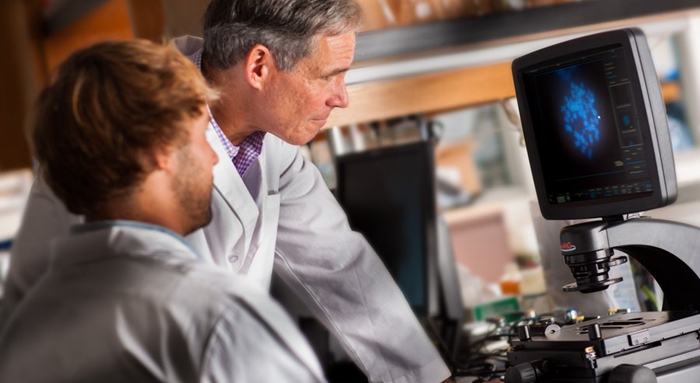
Eric TopolThe Ph.D. is the leader of the collaborative research. This study will recruit one million Americans to participate, conducting in-depth examinations of their physical health, providing them with regular updates, and enabling the sharing of this information with their physicians.
TopolHe is one of the most renowned advocates of digital medicine in the United States. As a professor at Scripps Research, he has been promoting the use of mobile sensors and smartphones in healthcare.APPto monitor and treat patients. He also encourages physicians to incorporate a broader range of data, from individual genomic profiles to daily dietary habits, local air quality, and even gut microbiota.
His focus will shift fromNIHThis has been achieved by an all-volunteer team through at least five years of continuous research. Individuals will register and participate via a mobile web application. “Citizen scientists” will be able to upload a wide variety of data, including blood pressure, heart rhythm, blood glucose levels, as well as sleep and activity patterns. The application can even upload tremor recordings from patients with Parkinson’s disease.
Many individuals will provide blood and urine samples to enable scientists to study their biological composition, particularly their genes, proteins, and microbiota. Certain individuals affiliated with healthcare institutions may also authorize companies to upload their electronic medical records. Blue Cross Blue Shield and pharmaceutical giant Walgreens have agreed to assist with this research, while the San Diego Blood Bank will help collect blood samples. Apple and Verizon will promote the initiative to raise its profile. Qualcomm, based in San Diego, will provide support for data security within the application.
NIH"Let this vast amount of data speak to better understand the nature of diseases. As part of the Scripps Translational Science Institute ("STSI) in charge ofTopolstated, “We will obtain granular biomedical data from one million volunteers representing the entire healthcare sector. Using new tools, such as mobile sensors and smartphones”APPand genomics, meaning we will obtain vast amounts of data on a scale never seen before. This represents a departure from traditional medical research, in which much of the data collected from participants will be continuously returned to individuals and can be shared with their physicians.”
STSIExpected to recruit from a population of one million35Ten thousand participants will be involved in the study, with the remainder to be recruited nationwide from other institutions. The volunteers sought will include “individuals of all blood types and racial demographics, ranging from infants to the elderly.”Topolsaid. “Currently, one-time data is collected solely through in-person clinic visits. This new study will leverage smartphonesAPPand sensors collect data in the real world and can obtain real-time feedback.”
NIHDirectorFrancis CollinsIn an interview, he stated, “This bold initiative, involving one million or more American participants, will teach us how to maintain human health and combat the burden of chronic diseases. Rather than adopting a ‘one-size-fits-all’ approach, it is based on individual differences in people’s environments, lifestyles, and genetic factors. It will ultimately revolutionize medical practice.”
Recruiting one million volunteers is not easy. Many people are wary of sharing health information online, while others simply do not want to commit to long-term participation.Topolcollaborators have recognized this challenge. “We need to make sharing as easy as possible for people to operate.” Fairfax County, VirginiaVibrent HealthChief Executive OfficerPraduman Jain“People will only need one app to engage, rather than constantly switching between different ones.”
Chief Executive Officer of the San Diego Blood BankDavid WellisThe doctor anticipates strong public interest in the project. “Blood donors are the exemplars of this study.”Wellis“Participants will provide samples representing a racially diverse population. Blood banks are trusted institutions, and individuals can make a substantial impact by donating just a small amount of additional blood.”
Computer Scientists at the University of California, San DiegoLarry Smarr, is also a major proponent of digital medicine and founded the university's technology incubatorCalit2He recognized the opportunities and obstacles ahead, stating, “Given natural human variation, it is necessary to obtain personality data from a large number of participants, which will drive the development of precision medicine protocols.”
“Of course, it is impossible for a single individual to analyze the millions of datasets generated by these programs, which necessitates corresponding efforts in data analytics and machine learning to extract patterns from massive volumes of data. Furthermore, since one of the goals of precision medicine is to identify the early development of disease threats—before symptoms manifest—it is essential to obtain longitudinal time-series biomarkers for each individual, thereby exacerbating the big data challenge.”SmarrSpeak.
Topol“It’s great to see everything moving in the right direction,” he said. “We cannot rely on a one-size-fits-all approach in medicine; we need personalized healthcare.”
Original Source:www.sandiegouniontribune.com