FDA Approves Multiple First-of-Kind Digital Health Products in First Half of 2016
Since the U.S. Food and Drug Administration (FDA) officially released the final version of its “Mobile Medical Applications: Final Guidance” in September 2013, it has regulated digital health products in the same manner as medical devices. According to cumulative data from the VCBeat Eggshell Research Institute database, the FDA approved more than 50 digital health products over the past two years. The majority of these were mobile applications, covering a wide range of therapeutic and clinical areas.
Will the trend continue in the first half of 2016? And what differences will emerge? According to statistics from VCBeat, the FDA approved a total of 11 digital health products in the first half of 2016. Among them, standalone apps accounted for 0%!
Omnigraft is a device manufactured by the medical device company Integra LifeSciences for the treatment of diabetic foot ulcers. Composed of silicone, bovine collagen, and shark cartilage, it is applied to the ulcer site to create a new environment that facilitates the regeneration of skin and tissue, thereby promoting wound healing.
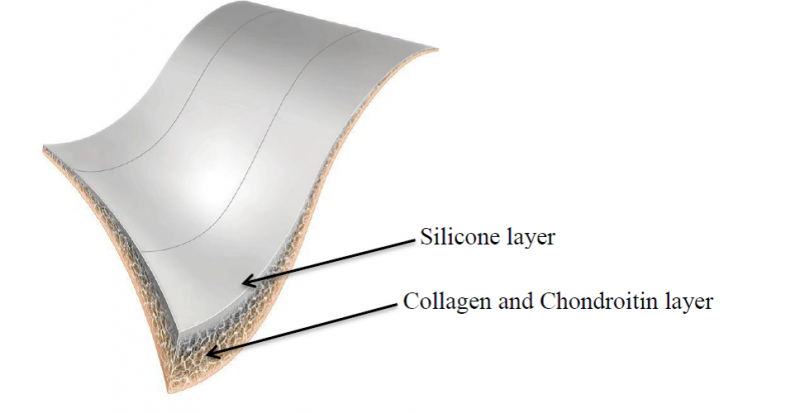
Clinical trials have demonstrated that after 16 weeks of treatment, the device significantly improved the foot ulcer healing rate (51%) compared to standard diabetic foot ulcer care (wound cleaning, use of surgical bandages, and debridement of necrotic tissue) (32%).Furthermore, Omnigraft will be marketed as “Integra Omnigraft Dermal Regeneration Matrix”.
However, Omnigraft is contraindicated in patients with allergies to bovine collagen or chondroitin (chondroitin from any source), as severe allergic reactions may occur. Additionally, Omnigraft is contraindicated for use on infected wounds.
Integra LifeSciences has been dedicated to developing surgical products for surgeons, currently offering innovative solutions for orthopedic, neurosurgical, spinal, reconstructive, and general surgical procedures.
Quell, developed by a team of scientists and engineers at NeuroMetrix (NASDAQ), received FDA approval for its upgraded version in January.
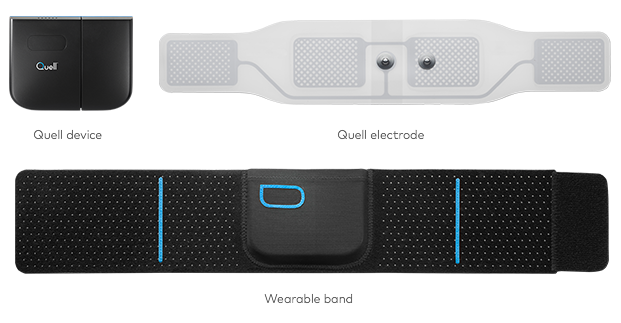
Similar to its predecessor, the device stimulates nerve endings in the lower leg via sensors, transmitting signals to the brain and tricking it into releasing natural opioids to alleviate pain. The upgraded version enables users to connect the device to a smartphone for setting personalized pain management therapies and to track treatment details through mobile devices.Additionally, it enables more comprehensive sleep tracking by recording sleep duration, body posture, and activity.
The device was launched in March 2016. Users of the previous version are eligible for a free upgrade to the enhanced model, which is available in five color options. Furthermore, patients can purchase it directly at pharmacies without a prescription.
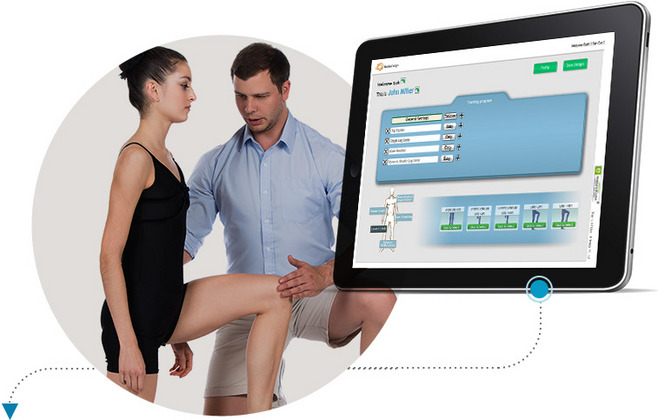
It is a physical therapy software based on Microsoft Kinect, developed by the Israeli company BioGaming, and received FDA clearance in February 2016. Physical therapists can use this system to create personalized gamified therapy programs for patients. Patients can then connect a Kinect device to an Xbox (a home video game console developed by Microsoft and released in 2001) or a computer at home. The system tracks patient movements and automatically records the therapy sessions.
However, in February of this year, BioGaming experienced a brief website outage, and emails sent to the company were bounced back. The website has since resumed operations. It remains unclear whether the product launch event scheduled for November will proceed as planned; if operations continue normally, YuGo will be launched in the U.S. market.
BioArchitects is a company specializing in the use of robotic 3D printing for surgical models and implants. Its developed product, Patient Specific Implants, features 3D-printed implants customized from biocompatible titanium alloys, which can replace hard tissues and improve patient treatment outcomes.
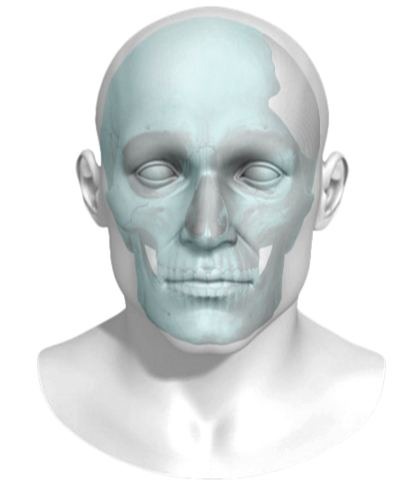
According to the official website, its 3D-printed titanium craniofacial implants are primarily used to repair non-load-bearing bones in patients’ heads and faces. During treatment, the patient’s head is first scanned using CT or MRI. The resulting images are used to 3D-print titanium plates that precisely match the damaged area. The implant is secured to the surrounding bone using titanium self-tapping screws.
In February, BioArchitects announced that the implant had received FDA clearance, marking the first of its kind in the United States.
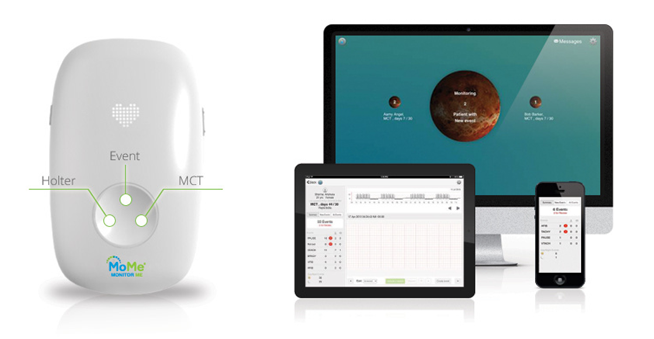
It is a remote patient monitoring system developed by InfoBionic, a company based in Massachusetts, USA, designed to monitor patients’ electrocardiograms (ECG), respiration, and movement for the diagnosis of arrhythmias. The monitoring device can be worn around the neck or attached to a belt. The first-generation device features a three-in-one design with a compact front-end unit that transmits data via Bluetooth to a smartphone, which then uploads the data to the cloud.
The first-generation MoMe Cardia product has already received FDA clearance, but the device is not yet ready for commercialization; the second generation will be.
InfoBionic’s device bears a name similar to AliveCor’s Kardia. AliveCor told MobiHealthNews that it had applied for trademark registration, but InfoBionic’s legal team argued that “Kardia” is the Greek word for “heart” and therefore cannot be trademarked by AliveCor. Nevertheless, AliveCor has long used the Kardia brand in the marketplace.
Developed by Medtronic PLC for the treatment of cardiac arrhythmias.
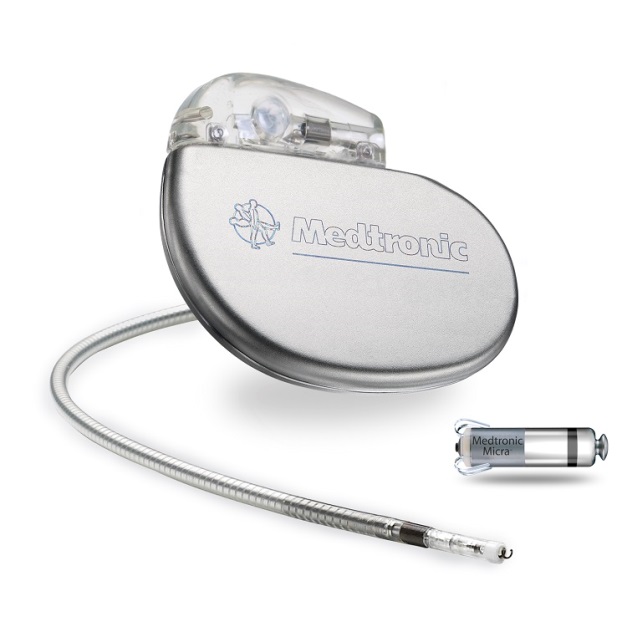
The Micra is exceptionally compact, measuring only one-tenth the size of conventional pacemakers, and can be easily implanted into the body via minimally invasive catheter-based procedures. It is the first transcatheter pacemaker approved by the U.S. Food and Drug Administration (FDA) and the first leadless pacemaker introduced to the U.S. market. In contrast, traditional cardiac pacemakers typically require surgical implantation beneath the skin of the chest cavity, resulting in noticeable incisions, and rely on electrical leads connected to the heart, which may occasionally become dislodged.

Qbtech, a Swedish company, has developed an online tool for testing attention-deficit/hyperactivity disorder (ADHD) in children, providing clinical decision support for the diagnosis and treatment of pediatric ADHD, thereby enabling more effective identification, exclusion, and monitoring of the condition.
The company previously developed a similar online test, QbTest, which utilizes two peripheral devices—a small button and a camera. This version was tested on approximately 250,000 patients in Europe and the United States.
Unlike other methods, QbCheck uses the spacebar instead of a button and the computer’s webcam instead of a standalone camera. The test lasts 15–20 minutes and is specifically designed to assess hyperactivity, impulsivity, and inattention. Furthermore, QbCheck integrates continuous performance testing with motion analysis.
Officials stated that the product will first launch in the UK, followed by other countries in the summer and fall.
Trak System, a home-based male fertility testing device developed by Sandstone Diagnostics.
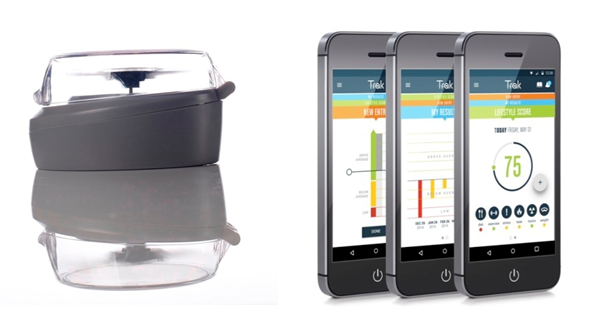
Trak’s device is designed to eliminate the embarrassment and inconvenience associated with traditional male fertility testing by using a centrifuge housed in a specially designed cartridge to separate sperm cells. The results are then transmitted to a mobile app, informing users whether their sperm density is low, average, or optimal. Additionally, the system compares individual results with aggregated data to provide personalized health and lifestyle recommendations aimed at improving sperm quality.
The company plans to launch Trak in October 2016, with iOS and Android versions currently available; however, users are required to manually input sperm count at this stage.
A robotic endoscopic system developed by Auris Surgical Robotics, which can be used for diagnostic or surgical procedures.
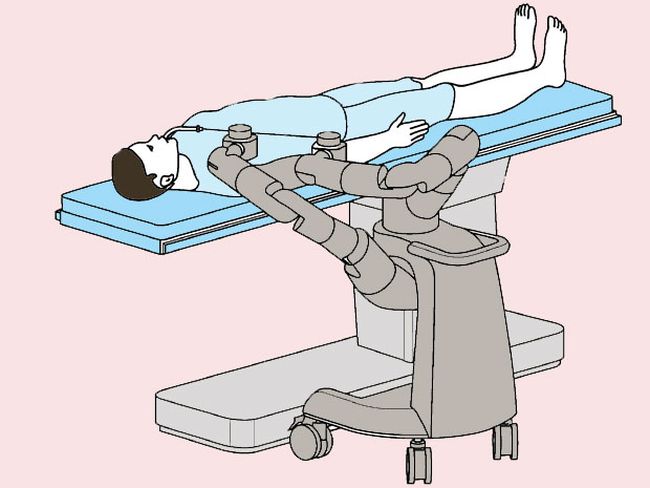
On its official website, Auris describes itself in a single sentence as “a technology company headquartered in Silicon Valley.” The endoscopic system it has developed helps surgeons treat diseases of the throat, lungs, and gastrointestinal tract through the body’s natural orifices, particularly the mouth.
Note: Auris is the fourth surgical robotics company founded by Moll, who is also a co-founder of Intuitive Surgical (the well-known owner of the da Vinci surgical robot). In April 2016, Intuitive Surgical announced the acquisition of Hansen Medical, another medical robotics company founded by Moll, for $80 million.
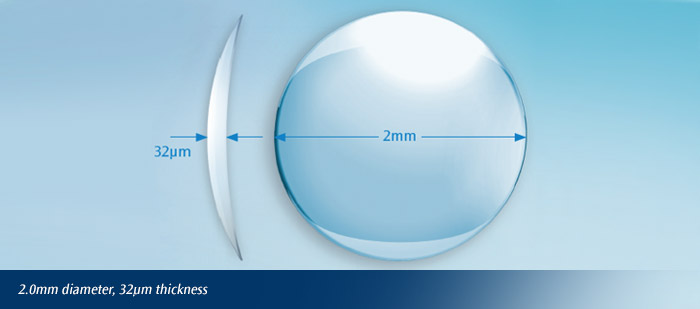
A Novel Transparent Hydrogel Corneal Inlay Implanted into the Cornea for Presbyopia Correction. The Raindrop inlay, with a diameter of 2 mm and a thickness of 32 μm, is composed of hydrogel containing 80% water. Resembling a miniature contact lens, it exhibits water content and refractive properties similar to those of the cornea. Raindrop can effectively reshape corneal curvature to improve near vision in presbyopic patients (+1.00 D to -0.50 D).
This is also the first FDA-approved implantable device that improves patients' vision by altering the shape of the cornea.
Developed by Aspire Bariatrics, headquartered in Pennsylvania. By inserting a tube into the stomach, an external device connected to the tube aspirates one-third of the gastric contents 20–30 minutes after meals, thereby achieving weight loss.
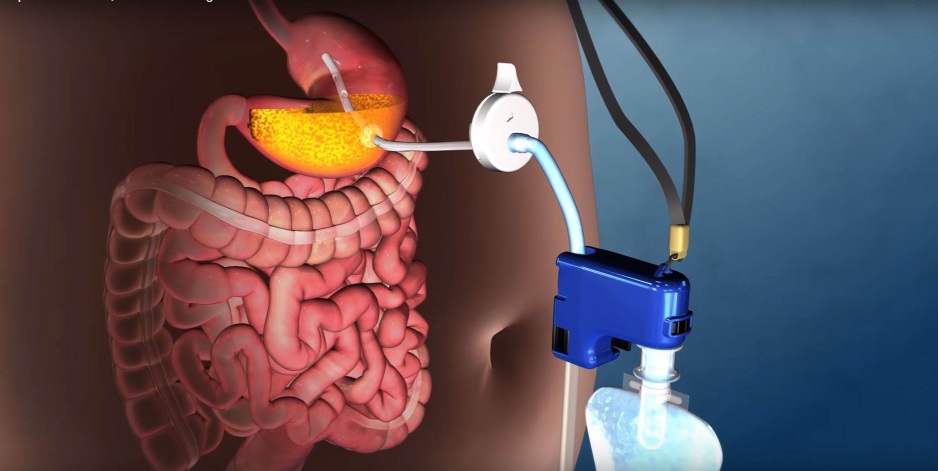
However, this unconventional weight-loss device has sparked significant controversy, with multiple U.S. physicians planning to jointly file a lawsuit against the FDA.
The U.S. Food and Drug Administration stated, “AspireAssist should not be used in patients with eating disorders, nor is it suitable for individuals with mild obesity.” Given its cost, the estimated expense (including additional health counseling fees) ranges from $8,000 to $13,000, making it indeed unsuitable for the general population seeking weight loss.
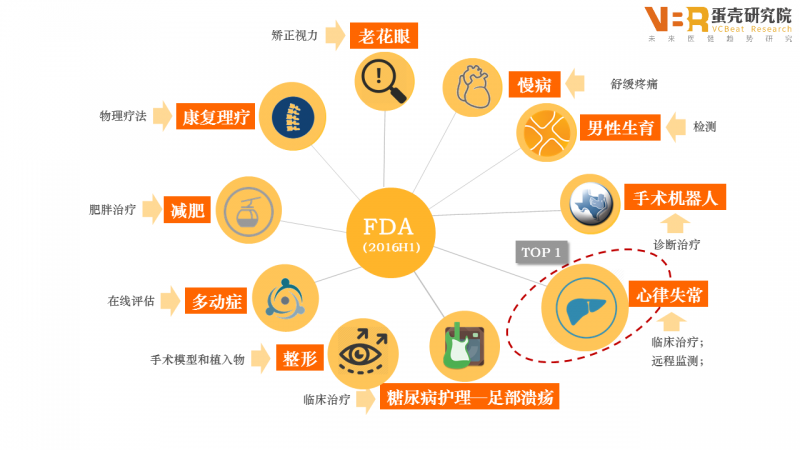
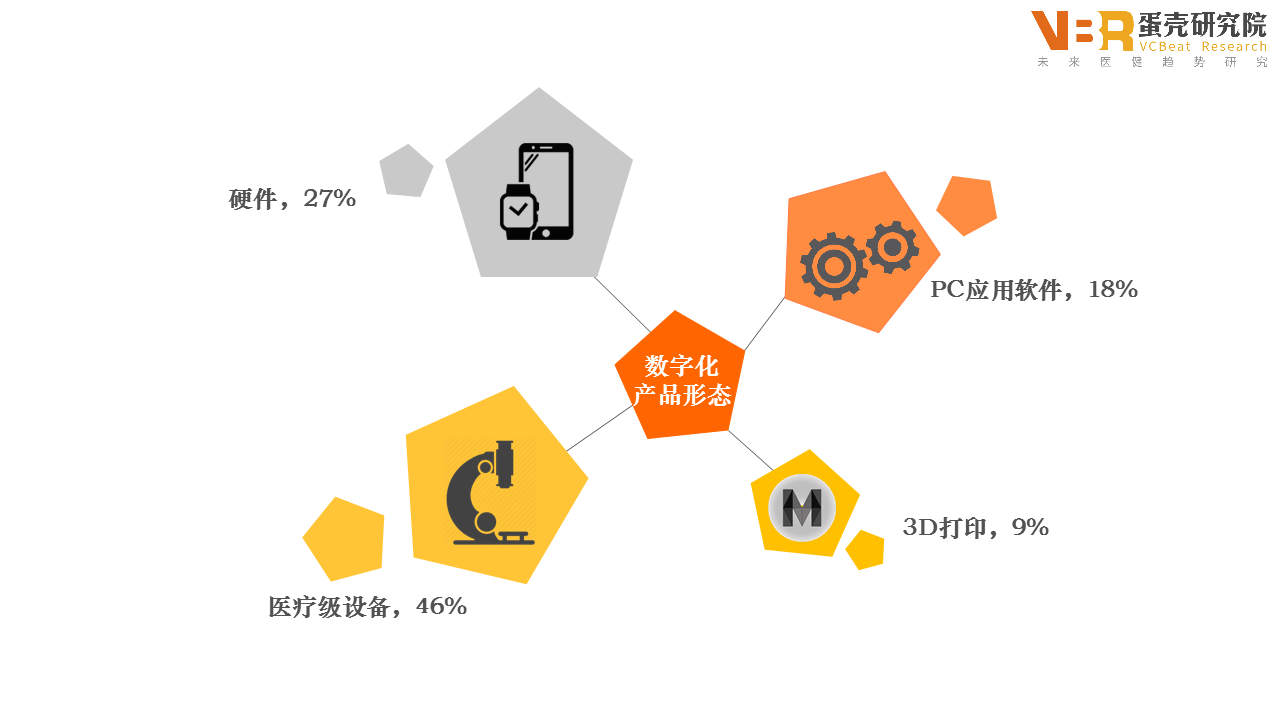
In contrast to the previous two years, which were dominated by hardware and apps, the first half of this year has seen a shift toward “heavyweight products,” namely medical-grade devices with high technical requirements, 3D printing, hardware, and PC-based software applications. Moreover, over 80% of the end users are healthcare institutions. This trend is partly attributable to the more mature reimbursement systems abroad; to enhance user experience and reduce costs, healthcare institutions generally adopt various digital health products proactively.
In the dynamic first half of 2016, the FDA granted multiple approvals for “first-of-their-kind” digital health products, including the first wireless pacemaker, the first 3D-printed titanium craniofacial implant, and the first corneal implant for correcting presbyopia. This demonstrates the FDA’s proactive efforts and open stance in approving digital health products.
Furthermore, from the perspective of the entrepreneurial environment, projects are increasingly focusing on in-depth exploration of “high-complexity, vertically specialized” domains, adopting a strategy of deep integration with medical institutions. In the future, more products will advance into this “deep-water zone.”