

160 Health Enhances Appointment Booking and Tiered Diagnosis Across 9,000 Hospitals

Shenzhen Ningyuan Technology
Integrated Internet Healthcare Service Platform
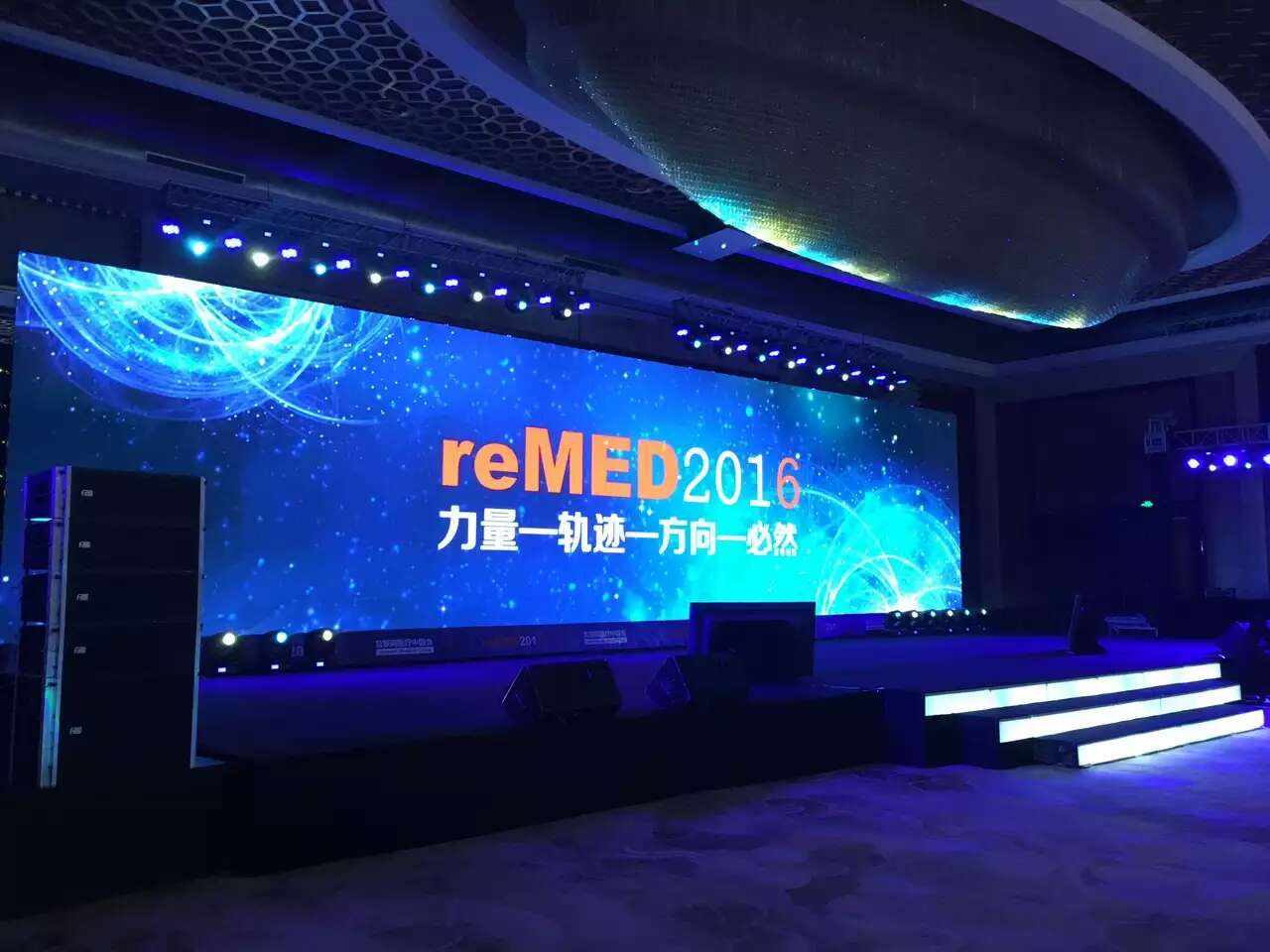
At the 2016 reMED Summit on Reconstructing the Healthcare Ecosystem, Luo Ningzheng, founder and CEO of Guahao 160 and initiator of the China Internet Healthcare Conference, delivered a keynote speech titled “Guahao 160’s ‘Medical Internet Plus’ Ecosystem.” VCBeat has compiled the key highlights from his presentation.
Jianyi160 provides patients with services such as appointment registration, medical guidance consultation, internet payment, online waiting, delivery of examination reports, out-of-hospital follow-up, tiered diagnosis and treatment, doctor-patient community, and health management. As the first internet healthcare startup in China, what insights and reflections does Luo Ningzheng have from his journey so far?
Appointment registration is one of the major pain points for patients seeking medical care.
Jiuyi 160’s appointment registration service covers 9,000 hospitals, serving over 1 million users daily. The company generated RMB 20 million in annual revenue last year and is projected to exceed RMB 100 million this year. While appointment scheduling remains a major pain point for patients seeking medical care, it is difficult to resolve entirely through internet-based solutions. To address this challenge, Jiuyi 160 has adopted the following strategies: First, continuously optimizing hospital-linked products; Second, expanding its business scope from mere appointment registration to include payment services, disease prevention, and post-diagnosis rehabilitation, while extending its product lines from the initial hospital- and patient-facing platforms to also serve physicians.
Within the healthcare service system, internet companies typically establish platforms to connect patients with hospitals or even directly with physicians. There is a significant demand for interaction and communication between doctors and patients. For instance, many physicians need to know which patients are scheduled to visit them the following day; conscientious doctors prefer to review patient information in advance, while patients wish to convey their general medical conditions to their doctors. After visiting a hospital, many patients require follow-up interactions and communication with their physicians. Health 160 focuses more on post-consultation care, as these patients are already under the care of specific doctors and may require continued attention and support from those same doctors after leaving the hospital. Health 160 aims to assist physicians in managing their outpatient caseloads by developing tools that enhance their ability to serve patients effectively.
To address challenges in healthcare services, mobile health initiatives must focus on three key stakeholders: hospitals require optimized resource allocation, such as appointment slot distribution; physicians need to establish stronger connections with patients; and patients constitute a critical component of the entire service ecosystem. Jianyi 160 has built a mobile health service platform centered on the interconnectedness of hospitals, patients, and physicians.
Since July 2015, Jianyi 160’s in-hospital payment service has served over 100 hospitals across Guangdong, Hainan, Jiangxi, Hunan, and other regions in China. The platform has processed more than 600,000 transactions, with a cumulative transaction volume exceeding RMB 100 million.
Mobile healthcare primarily encompasses the following areas: The first type involves connecting doctors and patients to establish doctor-patient communication platforms; the second type focuses on the hospital side, helping different hospitals build platforms. Without such platforms, it is difficult to achieve more efficient resource allocation.
Luo Ningzheng believes that, fundamentally, mobile healthcare leverages internet-based approaches to improve the efficiency of medical services and optimize the utilization of medical resources. The most critical issue is the integration of effective medical resources, physician resources, and service resources.
Attracting Physicians Cannot Rely Solely on Subsidies
How has Health 160 leveraged its strengths to build an operational system and reshape the doctor-patient relationship? In response, Luo Ningzheng elaborated on the following aspects:
First and foremost, the most critical factor is clinical efficacy. When patients fall ill, their primary concern is whether the condition can be effectively treated, rather than simply choosing the nearest hospital. Effective treatment is the top priority. Secondly, patients consider how quickly they can recover—that is, how to resolve their health issues in the shortest possible time—followed by cost and location. The government has promoted a tiered diagnosis and treatment system, encouraging patients to seek care at the nearest facilities, starting with primary healthcare institutions. However, this approach does not always account for whether the nearest hospital can effectively meet patients’ needs. Advancing the tiered diagnosis and treatment system requires patient education and the cultivation of new healthcare-seeking habits; managing many minor illnesses at community health centers can help reduce overall medical costs. As an internet enterprise, Shenzhen Ningyuan Technology (Jiuyi 160) is devoting significant effort to backend development, specifically building a knowledge base that links diseases with appropriate physicians.
Second, JiuYi160 aims to leverage the Internet to engage more participants in promoting triage work. The government advocates for a two-way referral system between hospitals and community health centers, hoping that patients with chronic diseases will be referred downward from tertiary hospitals to primary care settings, while patients requiring treatment for serious conditions will be referred upward from community centers to large hospitals. However, significant challenges exist in practice. Many primary care physicians lack adequate triage capabilities. A more effective approach is to mobilize more specialists to participate by using the JiuYi160 APP. Through the app, specialists can communicate with patients, who can upload their test reports via their mobile devices. This allows physicians to determine whether a patient fits their specific criteria for acceptance. There is a clear demand among physicians for such graded diagnosis and treatment services. Many hospitals in Beijing, for instance, seek to admit specialized cases; departments at PLA General Hospital (301 Hospital) in Beijing, for example, are eager to accept patients with precise or rare conditions. In such scenarios, physicians can be integrated into the triage system.
Third, Health 160 can collaborate with the government to enhance the quality of medical services. With a professional team dedicated to data integration and IT services, Health 160 is capable of building a referral system from hospitals to communities in accordance with governmental requirements. The complexity of tiered diagnosis and treatment primarily stems from the issue of benefit distribution among hospitals and physicians, which cannot be resolved by internet enterprises alone; however, these enterprises can facilitate the development of the medical service system. Within Health 160’s service framework, the strategy begins with hospitals as the entry point. By leveraging its capacity to serve hospitals, Health 160 assists both hospitals and primary healthcare institutions in configuring resources, internet-based service products, and tools for community outreach. After serving these hospitals, Health 160 aggregates a large patient base on its platform and ultimately establishes connections between patients and physicians. These connections include assisting physicians with appointment management and post-consultation services, thereby constructing an integrated service system encompassing hospitals, physicians, and patients.
Many physicians have numerous apps installed on their devices, most of which are likely to be deleted over time. Attracting physicians relies not merely on subsidies or robust product features; the most effective approach lies in building a sound operational system. The key to engaging physicians in this system is clarifying what they can accomplish on the platform, whether it can deliver the patients they need, and whether it can stimulate interactions between patients and physicians, thereby establishing an efficient physician-patient operational framework. Physicians cannot be retained simply by enclosing them within a closed loop or by offering subsidies; instead, an operational system is required to activate their participation, thereby truly optimizing resource allocation.