

Big Data-Powered Study Identifies Reduced Cerebral Blood Flow as Earliest Biomarker of Late-Onset Alzheimer’s Disease
Scientists have leveraged a powerful tool to gain deeper insights into the progression of late-onset Alzheimer’s disease and to identify its earliest physiological signs. Researchers analyzed more than 7,700 brain images from 1,171 patients at various stages of Alzheimer’s disease, employing multiple techniques including magnetic resonance imaging (MRI) and positron emission tomography (PET).
This study employed multiple imaging techniques to measure amyloid concentration, glucose metabolism, cerebral blood flow, functional activity, and brain atrophy across 78 brain regions, including all gray matter areas.
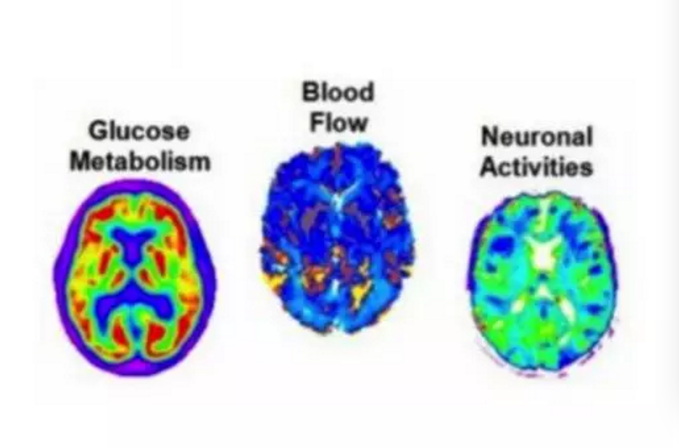
Image source: Montreal Neurological Institute
Scientists at the Montreal Neurological Institute and Hospital leveraged a powerful tool to gain deeper insights into the progression of late-onset Alzheimer's disease (LOAD) and identify its initial physiological signs.
Under the leadership of Dr. Alan Evans, a professor in neurology, neurosurgery, and biomedical engineering, researchers analyzed more than 7,700 brain images from 1,171 patients at various stages of Alzheimer’s disease, using multiple techniques including magnetic resonance imaging (MRI) and positron emission tomography (PET). Blood and cerebrospinal fluid samples, as well as the cognitive levels of the subjects, were also included in the analysis.
Researchers have discovered that, contrary to previous understanding, the earliest physiological hallmark of Alzheimer’s disease is reduced cerebral blood flow, whereas increased amyloid-beta had been considered the earliest detectable marker. Although amyloid-beta does play a role, this study identifies changes in blood flow as the earliest known precursor of Alzheimer’s disease. The study also found that cognitive changes begin earlier in the disease progression than previously thought.
Late-Onset Alzheimer’s Disease (LOAD) is an extremely complex condition, yet understanding it is equally critical. It is not caused by a single neural mechanism, but rather results from the combined effects of multiple interconnected mechanisms in the brain. As the most common cause of dementia in humans, elucidating the interactions among these various mechanisms is essential for developing effective treatments.
Previous studies on the various mechanisms underlying LOAD have been limited in scope and fail to provide a comprehensive picture of this complex disease. Published in Nature Communications on June 21, this study decomposed the pattern factors of amyloid concentration, glucose metabolism, cerebral blood flow, functional activity, and brain atrophy across 78 brain regions, covering the entire gray matter.
“Lack of a comprehensive understanding of the pathology and multifactorial mechanisms of LOAD is a key barrier to developing effective disease-modifying therapeutics,” said Yasser Iturria Medina, a postdoctoral fellow at the Montreal Neurological Institute (MNI) and the first author of this paper.
Data-Driven Approaches Are Becoming Increasingly Important in Neurology
Using data from each patient over the past 30 years, the trajectory of each biological factor was recorded. This process was then repeated 500 times to enhance the robustness of the predictions and the stability of the results.
Compiling and analyzing the data consumed tens of thousands of hours of computing time, a feat impossible without sophisticated software and gigabytes of hard drive space. Evans noted that this data-driven approach is becoming increasingly important in neurology.
“We have many methods to acquire data about the brain, but how should you leverage this data?” he said. “Neurology is currently limited by its capacity to integrate and make sense of all this information. This presents complex mathematical and statistical challenges, yet it also represents the future of clinical brain research.”
This study also underscores the importance of cross-institutional data sharing, known as the open science model. The patient data for this study were sourced from the Alzheimer’s Disease Neuroimaging Initiative (ADNI), a collaborative project comprising more than 30 institutions across Canada and the United States. As the data have not yet been made publicly available, it remains unclear how they will benefit research on late-onset Alzheimer’s disease (LOAD). Evans noted that his paper is just one of hundreds published to date based on ADNI data.
He stated, “This study of mine merely demonstrates the validity of the ADNI data. Moreover, I believe that effort always yields returns; we leverage others’ data for research while also contributing our own.”
This paper is the most comprehensive article published to date in the field of Alzheimer’s disease research. Evans stated that he will continue this research, aiming not only to document the observed data but also to identify the root causes of the various mechanisms underlying late-onset Alzheimer’s disease (LOAD), which could be key to developing better medical interventions. The sole bottleneck currently facing this study is the extent of computational power available for processing big data.
Evans stated, “This is a challenge that far exceeds our current capabilities in the fields of computer science and mathematics. Our further goal is to establish causal models for the various pathogenic factors of LOAD, but this requires extremely powerful computational capacity. Our work is to prepare our software, algorithms, and data, and await the development of relevant hardware.”
Medina pointed out: “We still urgently need data-driven, integrated research approaches that not only consider all biological factors but also elucidate the relationships among them. Without these, effective treatments will remain mere talk, and we will continue to grope in the dark.”
References:
1. Y. Iturria-Medina et al. Early role of vasculardysregulation on late-onset Alzheimer’s disease based on multifactorialdata-driven analysis. Nature Communications, 2016; 7: 11934DOI:10.1038/ncomms11934
Source: Big Data Digest
Source: McGill University