

LiangYiHui Files IPO Prospectus: Evolving from Oncology Information Provider to Personalized Cancer Care Platform
The 5-year survival rate for cancer patients in China is more than 30 percentage points lower than that in foreign countries; Chinese cancer patients bear the highest economic burden for cancer treatment globally, far exceeding that of Europe and the United States. You may be unfamiliar with the current state of cancer treatment in China, let alone understand why this situation has arisen. Nevertheless, this is indeed the reality of cancer prevention and control in China.
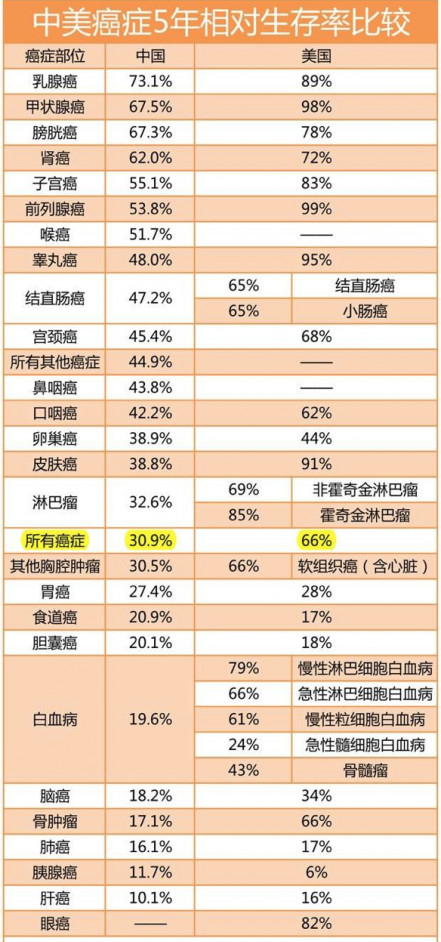
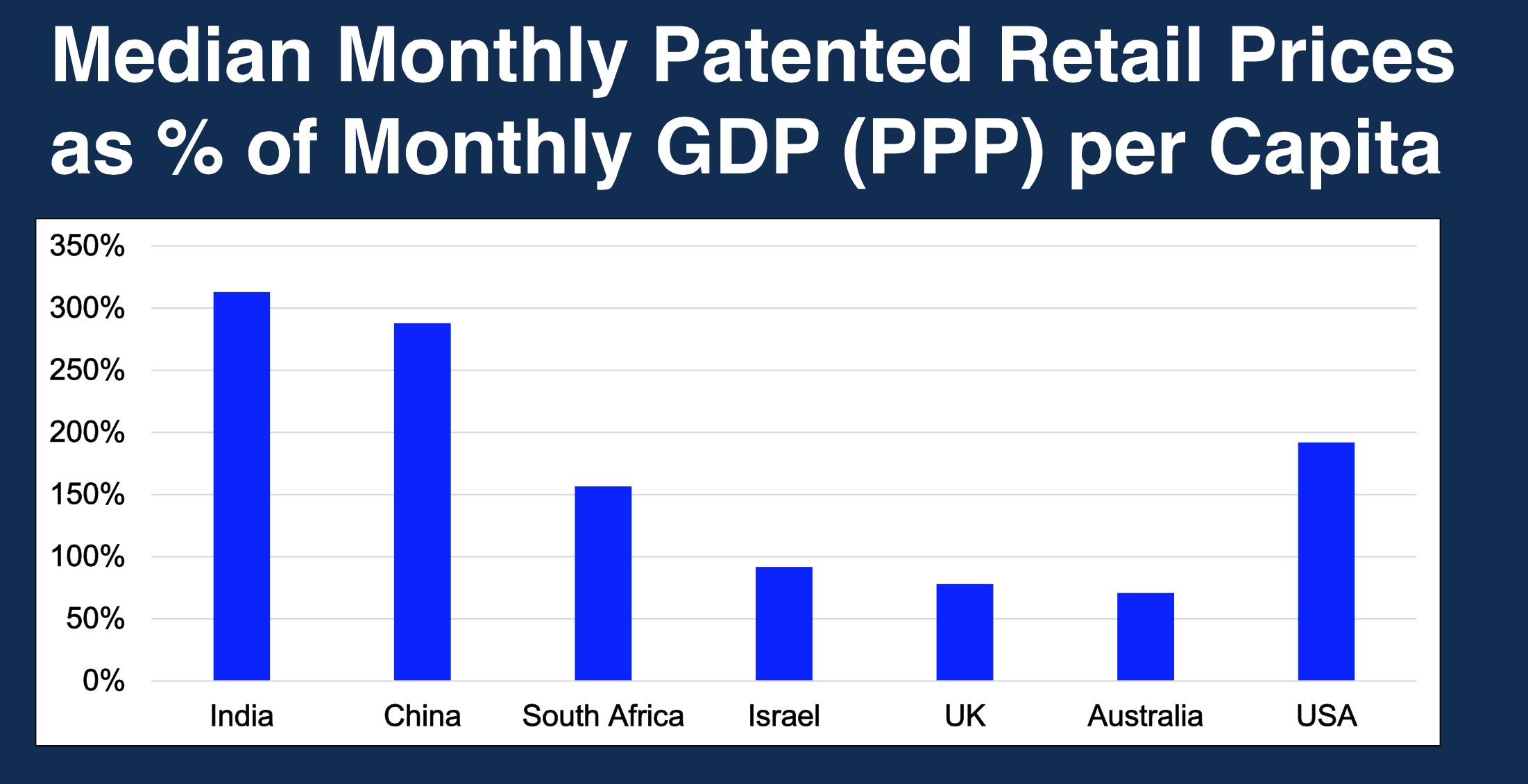
This situation stems from multiple factors. First, early diagnosis and treatment are inadequate; many cancer patients are diagnosed at advanced stages (Stage III or IV), when mortality rates are significantly higher than in early-stage disease. Second, treatment practices are often non-standardized. Although oncology has seen substantial advancements in recent years, including new therapeutic concepts, drugs, and strategies, many hospitals and physicians in China lack sufficient knowledge, updated concepts, and technical skills, leading to widespread non-compliance with best practices. Standard multidisciplinary team (MDT) approaches to cancer care are only just beginning to gain traction in China. Third, the high cost of cancer treatment is driven by various factors, including non-standardized care, high pharmaceutical marketing expenses, elevated distribution channel costs, and insufficient coverage by both basic medical insurance and commercial health insurance.
Overall, the current efficiency of cancer prevention and control in China is very low, resulting in high patient mortality rates and high treatment costs. Improving efficiency is key to enhancing the effectiveness of cancer prevention and control in China.
High-Barrier Medical Field
Liangyihui is a startup dedicated to improving the efficiency of oncology diagnosis and treatment. By helping physicians enhance the standardization and quality of clinical care, providing patients with accurate information and services for seeking medical advice and treatment, and offering enterprises more efficient marketing solutions, Liangyihui aims to address the challenges of poor treatment outcomes and high costs faced by cancer patients. In late 2015, the company secured tens of millions of RMB in Series A financing from Legend Capital.
Oncology is one of the most complex and rapidly evolving fields in medicine, characterized by exceptionally high barriers to entry. Cancer is not a single disease but a spectrum of diseases. Our understanding of oncology has advanced by leaps and bounds in recent years. As the medical specialty that places the greatest emphasis on evidence-based medicine, oncology was also the first to enter the era of precision therapy. Knowledge, concepts, and technologies in oncology are updated at an extraordinary pace, requiring physicians to engage in continuous learning to maintain standardized and accurate treatment practices. Meanwhile, patients often lack access to reliable information channels and proper guidance during their healthcare-seeking journey. The widely publicized “Wei Zexi incident” has starkly exposed this critical issue.
High-Quality Original Academic Insights
Liangyihui Oncology Insights seized this opportunity and has been providing high-quality original academic information services to Chinese oncologists and patients since 2010. It helps doctors and patients access accurate academic information, assists Chinese physicians in improving the quality and standardization of diagnosis and treatment, and collaborates with professional societies, hospitals, and experts both domestically and internationally to promote academic exchange and education in oncology. To date, it has accumulated more than 5,000 original academic articles and hosted over 300 open academic lectures, and has launched an academic Q&A community specialized in oncology. Currently, Liangyihui’s suite of products (including the Oncologist App and the Oncology Insights WeChat account) reaches more than 50% of oncologists in China, with over 70% coverage among tertiary Grade A hospitals and specialized hospitals, and more than 60% coverage among senior physicians (chief physicians, associate chief physicians, and attending physicians with three or more years of experience). It has become the largest academic platform for high-end oncologists in China. Surveys indicate that more than 50% of physicians consider Liangyihui Oncology Insights their primary channel for obtaining academic information.
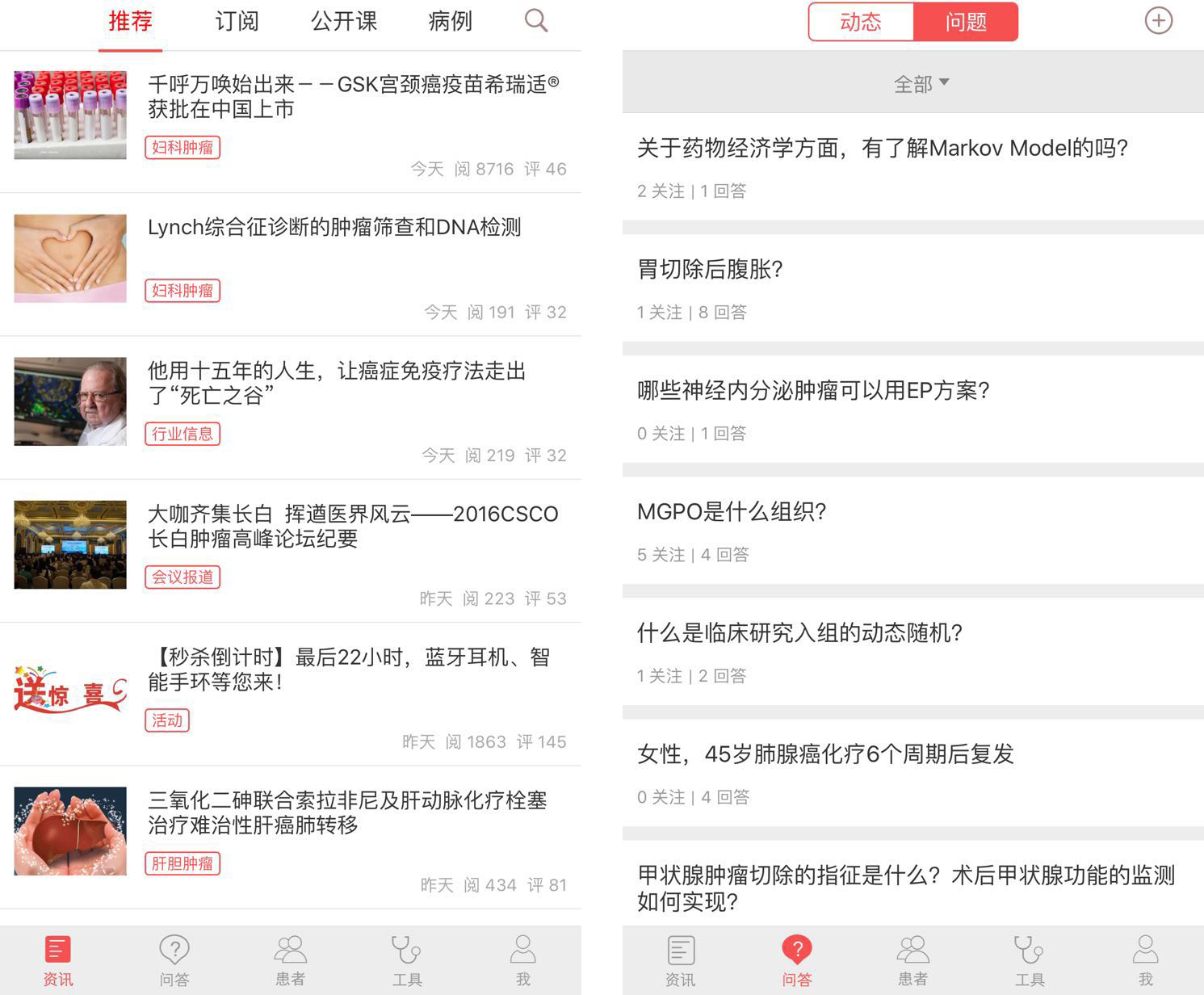
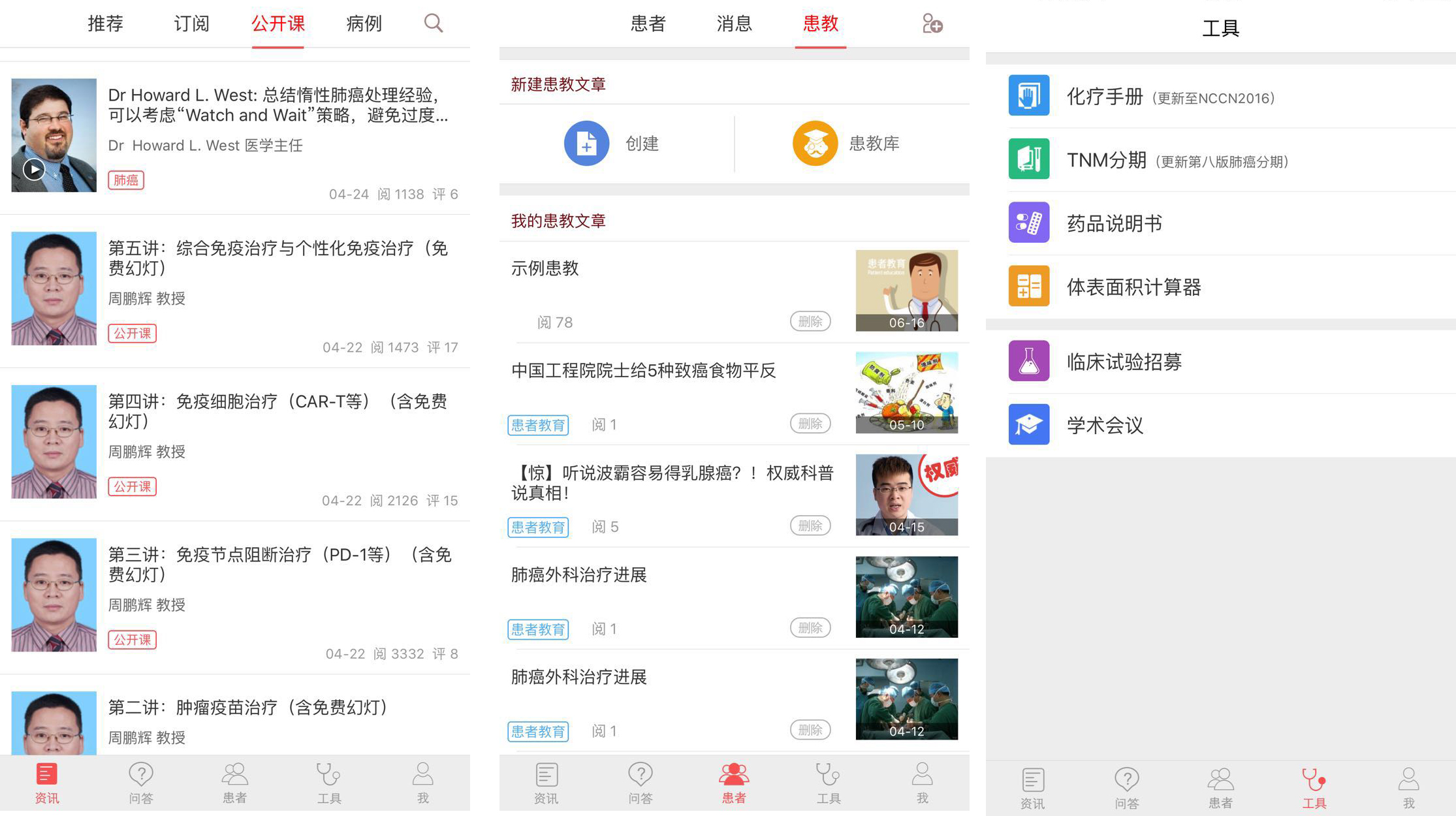
Oncologist - Partial Screenshot
Liangyihui began providing information and popular science services to cancer patients in 2013, and also developed its own patient education WeChat official account. It has connected doctors and patients, facilitating communication and interaction between them. Liangyihui is continuously enhancing the level of services for both doctors and patients, starting from professional information services to supporting clinical decision-making for doctors and offering personalized diagnosis and treatment plans tailored for patients. This aims to help doctors improve their skills and efficiency, addressing the severe shortage of high-quality oncology specialists.
Break-even achieved
After securing financing from Legend Capital in the second half of 2015, Liangyihui entered a phase of rapid development. While most mobile health companies were still exploring their business models, Liangyihui’s annual revenue was projected to exceed RMB 10 million. By offering comprehensive free services to physicians and patients, and primarily generating revenue through collaborations with third parties and pharmaceutical companies, Liangyihui achieved break-even within less than a year. This success is closely tied to the backgrounds of its founders. Several co-founders came from leading pharmaceutical companies such as Eli Lilly and Roche, as well as from firms like Oracle and Deloitte Consulting. They possessed over ten years of experience in the oncology sector, along with extensive expertise in the internet industry. It is precisely this diverse background—spanning medicine and pharmaceuticals, IT and the internet, and consulting and third-party services—that has enabled the Liangyihui team to accurately grasp the needs of physicians, patients, and enterprises, and to demonstrate considerable proficiency in product design and commercial monetization.
Nowadays, cancer has increasingly become a focal point of public concern. The transformation of medical paradigms driven by precision medicine is intensifying, and the healthcare sector’s demand for innovation is growing day by day, making oncology a hot spot for entrepreneurs and investors alike. Rather than simply replicating common startup models seen abroad—such as those focused on cancer data mining—or domestic models centered on online doctor-patient communication and patient communities, Liangyihui leverages its deep understanding of the real needs of Chinese oncologists and patients. It focuses on enhancing the efficiency of cancer prevention and treatment in China, thereby contributing to the nation’s efforts against cancer.