

Kangzhi Skin Doctor Secures Tens of Millions in Funding from Ping An to Expand Online-Offline Integrated Model
Kangzhi Dermatologist is dedicated to addressing dermatological conditions and is China’s first mobile application to apply big data analytics and advanced image recognition technology to intelligent medical diagnosis. In fact, Kangzhi Dermatologist made its debut at the Baidu World Conference as early as 2014. Users can take photos of affected skin areas and submit inquiries anytime, anywhere. Baidu Brain then provides an intelligent diagnosis, accurately identifying the patient’s condition, and subsequently recommends relevant professional knowledge and suitable specialist physicians.
The founding of Kangzhi stemmed from Hu Yi’s profound understanding of the critical pain points in dermatology.
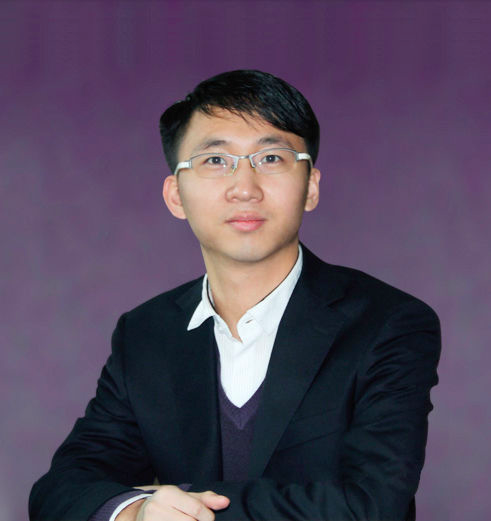
Hu Yi, Founder of Kangzhi
Prior to founding Kangzhi, Hu Yi served as Vice President of Xiangyun Medical Group. The company’s core business involves providing diagnostic and therapeutic services for a wide range of dermatological conditions—including common, complex, and severe skin diseases as well as sexually transmitted infections—through its network of affiliated specialized dermatology hospitals. Additionally, it offers professional medical aesthetic services, such as consultations, treatments, and wellness care, to clients seeking cosmetic dermatology solutions. The company was listed on the National Equities Exchange and Quotations (NEEQ) in April this year.
During his seven-year tenure at Xiangyun Medical, Hu Yi was primarily responsible for the company’s internet branding initiatives, through which he accumulated specialized expertise and professional networks in the field of dermatology. Hu Yi believes that dermatology is the vertical niche most suited for internet-based healthcare services.
Hu Yi told VCBeat that the field of dermatology has five major characteristics: 1) Broad population coverage. Regardless of age, almost everyone suffers from certain skin conditions, such as eczema, vitiligo, acne, and melasma;
2) Suitable for digitalization. As the largest organ of the human body, the skin is associated with over 2,000 types of diseases, more than 100 of which are common. Due to their highly visible characteristics, skin conditions are the most suitable for assisted diagnosis using internet-based tools.
3) Treatment costs are not low. Dermatology can be divided into three major categories: general dermatology, sexually transmitted diseases (STDs), and cosmetic dermatology. The average cost for treating skin conditions is around RMB 1,500, while the per-patient expenditure for STDs exceeds RMB 10,000.
4) Prolonged treatment duration. The treatment course for sexually transmitted infections (STIs) typically exceeds two months, and many dermatological conditions, such as vitiligo, are incurable.
5) High rate of follow-up visits. Skin diseases are prone to recurrence, resulting in a high rate of follow-up visits.
According to VCBeat, all data utilized by Kangzhi Dermatology Physicians are derived from clinical sources. The accurate identification of each skin condition relies on a dataset comprising over 10,000 authentic clinical images of affected skin and 10,000 patient medical records. After de-identification, these data undergo big data analytics to establish precise disease diagnostic models and medication recommendation models.
Previously, Kangzhi partnered with Baidu’s Big Data Division on eight diseases, including port-wine stains, keloids, rosacea, melasma, freckles, age spots, nevus of Ota, and melanoma—eight common skin conditions—with an identification accuracy exceeding 93%. The collaboration between Kangzhi and Baidu was later suspended due to various reasons.
In June 2015, Hu Yi left Xiangyun Group to reassemble the Kangzhi Dermatology Physician Team. The new version was released in October, marking the beginning of its online-to-offline (O2O) integrated business model. Late last year, Kangzhi secured pre-A round financing from investors including Ping An.
As planned, Kangzhi primarily provides online end-to-end services for mild conditions. Hu Yi told VCBeat that approximately 50% of dermatological cases can be diagnosed directly online. Kangzhi’s online revenue model is mainly based on prescription issuance and consultations. Among these, remote consultations constitute a key business segment for Kangzhi’s online platform; if a consultation involves pathological diagnosis, the fee ranges from RMB 1,000 to 1,500 per session. According to Hu Yi, the primary patient flow for remote consultations comes from primary care hospitals.
Hu Yi stated that primary care dermatologists lack the resources for histopathological diagnosis, thereby creating a substantial market for remote consultations. In response, Kangzhi established its own dermatopathology laboratory, which is open to external users and serves as a platform for pathologists from other hospitals to engage in multi-site practice.
In addition, Kangzhi also provides dermatological aesthetic services through self-built clinics, which primarily focus on laser-based aesthetic treatments. According to Hu Yi, establishing a specialized dermatology hospital involves a relatively long payback period, typically requiring two to three years. In contrast, laser aesthetic clinics can be launched rapidly, easily replicated, and achieve break-even within a short timeframe. It is reported that the average per-visit spending for laser aesthetic procedures reaches RMB 2,000, with an average treatment course consisting of approximately three sessions.
In terms of its specific operational model, Kangzhi Dermatology and Aesthetics Clinic adopts a “self-operated + multi-site physician practice” approach.
Currently, Kangzhi has over 200,000 online users. Hu Yi plans to gradually channel online users with laser aesthetic needs to offline facilities. Another purpose of establishing self-owned offline clinics is to direct prescription flows onto Kangzhi’s own platform. Therefore, Kangzhi plans to build its own procurement platform to reduce drug purchasing costs. After e-prescriptions are issued online, orders will be fulfilled through direct offline delivery, thereby creating a comprehensive end-to-end diagnosis and treatment service platform.
Hu Yi introduced that the aesthetic treatments offered at Kangzhi’s offline clinics primarily target women aged 15 to 50. Laser-based aesthetic procedures offer the advantages of low risk and short recovery time, but they must be performed by qualified dermatologists. Currently, more than 3,000 physicians on Kangzhi’s online platform are available to provide consultation services to patients.
In August 2016, Kangzhi will open its first (with a projected total of two) flagship dermatology and aesthetic medicine outpatient clinics in Beijing. Currently, the offline clinics have signed contracts with five full-time physicians. As more dermatologists join Kangzhi, the company aims to build China’s largest multi-site practice platform for dermatological aesthetics.
As planned, Kangzhi will open more than 50 dermatology and aesthetic clinics within three years, with approximately 20 in Beijing, Shanghai, Guangzhou, and Shenzhen, and 30 across other provinces and municipalities nationwide.