

Fosun Tonghao's Kelly Qiao Highlights 'Target Identification' as Core of Precision Medicine Investment
On July 21, VCBeat invited Qiao Jiying, Managing Director of Fosun Tonghao, to participate in a VB Group interview. Fosun Tonghao Capital is a high-tech venture capital fund under Fosun Group that focuses on early-stage investments, primarily at the angel and Series A stages, with an emphasis on the healthcare and TMT sectors. During the event, Ms. Qiao engaged with over 70 WeChat groups and more than 20,000 industry professionals to discuss “The Logic and Direction of Precision Medicine Investment.” Based on the interview transcript, we have compiled Ms. Qiao’s insightful remarks below for our readers’ benefit.

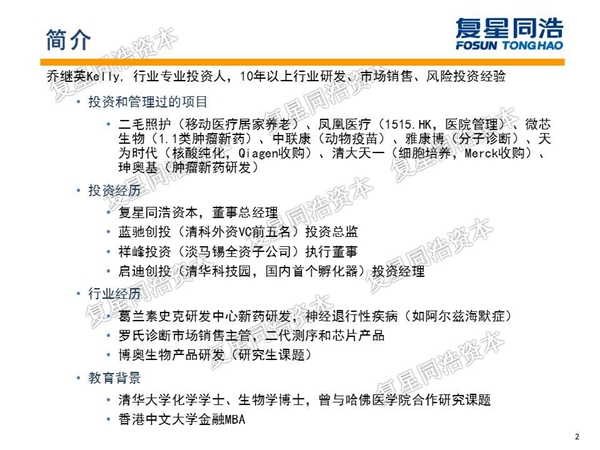
Where Did Precision Medicine Originate? It Originated from the Effort to Conquer Cancer. It Began with the Human Genome Project (HGP). This project involved scientists from the United States, the United Kingdom, France, Germany, Japan, and China, and was expected to cost $3 billion over 15 years to fully decode the approximately 25,000 genes in the human body and map the human genome.
By 2003, the project had spanned 13 years and cost $2.7 billion, producing the first map of the human genome, comprising 25,000 genes across 3 billion base pairs.
Why was the Human Genome Project (HGP) undertaken? The primary goal was to identify the causes of and solutions for cancer. However, after the completion of the HGP, scientists realized that merely knowing these gene sequences did not translate into an understanding of how to treat cancer. This subsequently led to the current Precision Medicine Initiative.
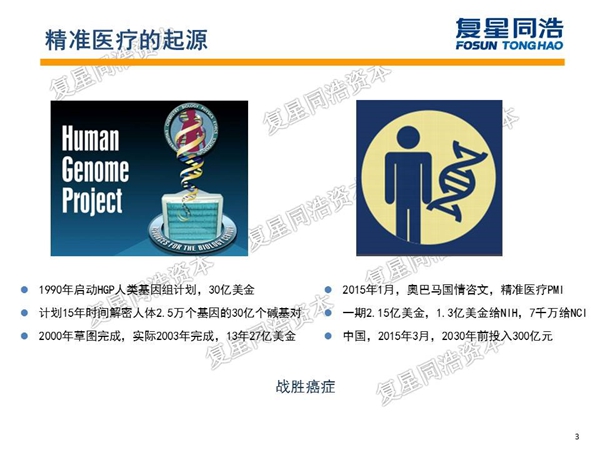
In January 2015, the United States took the lead in proposing the Precision Medicine Initiative. Although the concepts of “precision medicine” or “personalized treatment” had previously existed, this marked the first time they were promoted at the national level.
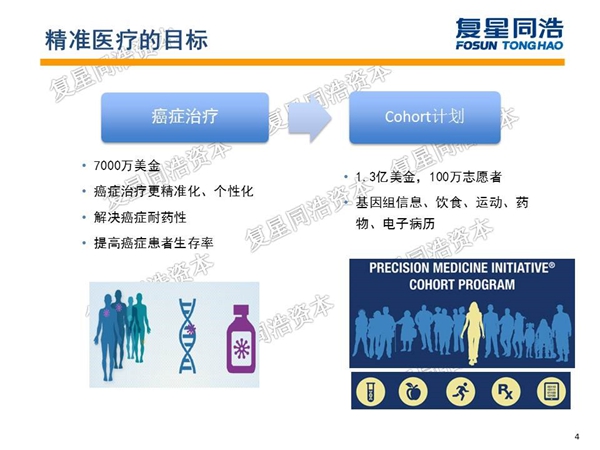
The U.S. Precision Medicine Initiative has two objectives. The first objective is personalized cancer treatment, with a budget of $70 million, aiming to make cancer therapy more precise and personalized, address drug resistance in cancer, and improve survival rates for cancer patients.
A common saying in the industry holds that, in cancer treatment, one-third of patients benefit from medication, one-third do not, and the remaining one-third may be receiving inappropriate therapy. For instance, there are more than 20 subtypes of leukemia and 16 subtypes of lung cancer. At the molecular level, the underlying causes of different cancers vary, necessitating individualized pharmacotherapy.
The second objective is the Cohort Program, which allocates $130 million to conduct long-term follow-up of one million volunteers and establish a personal health and disease database. This database includes individual genomic information, as well as data on diet, physical activity, medication use, and electronic medical records.
This initiative may sound ambitious and costly, but in reality, it costs only about $130 per patient or user.
We are also observing how this plan will ultimately unfold.
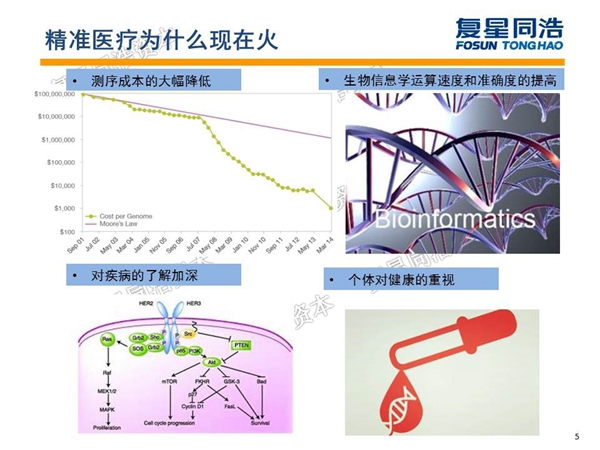
There has long been a consensus in the industry to pursue the path of personalized diagnosis and personalized treatment. But why has precision medicine only gained significant momentum in the past two years? This is because, in addition to improvements in the speed and accuracy of bioinformatics computing, the rise of the precision medicine industry requires several other essential conditions.
First, the cost of gene sequencing must be significantly reduced.
In the research, development, and manufacturing of chips, there is Moore's Law, which was proposed by Gordon Moore, one of the founders of Intel. It states that, when the price remains constant, the number of components that can be accommodated on an integrated circuit doubles approximately every 18–24 months, with a corresponding doubling in performance. In other words, the computing power purchasable for each dollar more than doubles every 18–24 months. This law reveals the pace of progress in information technology.
Moore’s Law also applies to gene sequencing. Only with the continuous reduction in sequencing costs can personalized diagnosis and sequencing for individuals be achieved. The cost of gene sequencing has dropped from hundreds of millions of dollars, to millions of dollars, and now to thousands of dollars. This decline in cost signals the advent of an era of large-scale application.
Second, humanity must gain a deeper understanding of disease.
As our understanding of biological signaling pathways and the fundamental theories of disease deepens, so does our insight into diseases. The diagram in the lower-left corner of this slide illustrates the “HER2 Signaling Pathway.”
The proto-oncogene human epidermal growth factor receptor-2 (HER2) gene, also known as the c-erbB-2 gene, is referred to as HER2.
Reports indicate that 20–30% of breast cancer patients harbor HER2 mutations. The discovery of these genetic mutations led to the development of Herceptin, a targeted oncology drug specifically designed for breast cancer. This represents a classic example of personalized diagnosis and therapy, underscoring that progressively deeper insights into disease mechanisms are essential for achieving precise diagnosis and treatment.
Third is the heightened awareness of personal health.
With the improvement in per capita living standards and heightened health awareness, individuals are placing increasing emphasis on their personal health, which has become a major driving force behind the growing popularity of precision medicine.
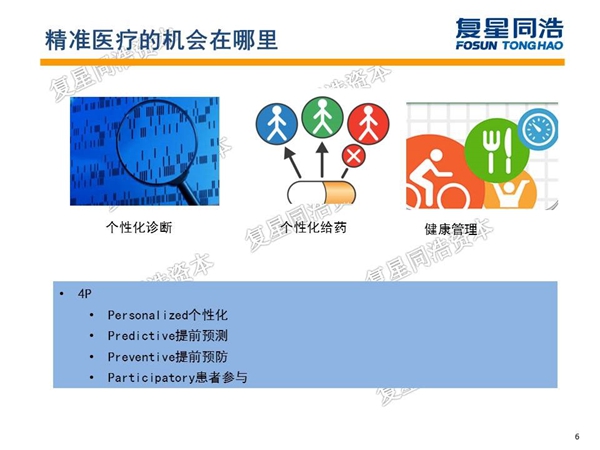
Precision medicine presents abundant opportunities and a vast market. What specific domains do these opportunities encompass? I believe they can be initially categorized into three areas: personalized diagnostics, personalized drug administration, and health management.
The aforementioned example of HER2 illustrates that even among patients with the same diagnosis of breast cancer, differences in genetic profiles lead to variations in disease etiology. Accurate diagnosis must precede treatment; precise diagnostic assessment is the prerequisite for therapy. Only through personalized diagnostics can personalized medication administration be achieved. Personalized diagnostics and personalized pharmacotherapy are inextricably linked.
The Precision Medicine Volunteer Program mentioned earlier falls under the category of health management. It provides comprehensive health management tailored to each individual’s genetic profile, as well as their diet, exercise, and medication usage.
Precision medicine, also known as personalized medicine, was summarized by the respected industry pioneer Leroy Hood as “4P Medicine,” namely Prediction, Prevention, Personalization, and Participation.
The first step in precision medicine or personalized therapy is diagnosis, which follows two main approaches.
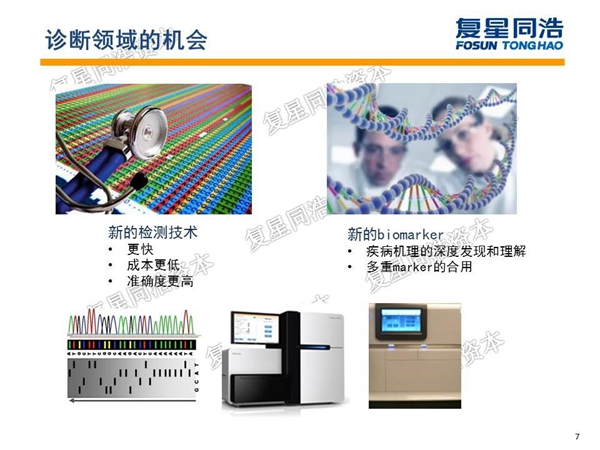
The first direction is detection technology. We must focus on faster, cheaper, and more accurate testing technologies. Although the cost of next-generation sequencing has already decreased significantly, third-generation and fourth-generation sequencing technologies with even lower costs are certainly emerging.
The three images at the bottom of this slide: the first one from the left depicts Sanger sequencing, the first-generation sequencing technology. Frederick Sanger was a distinguished chemist and biologist who received the Nobel Prize twice in his lifetime. This sequencing technology was one of the key enablers for the completion of the Human Genome Project. The second image from the left shows a next-generation sequencing (NGS) instrument, and the third image features what is touted as a third-generation sequencer. We hope to see the emergence of more innovative sequencing technologies and products.
Beyond sequencing technology itself, we aim to discover more biomarkers in new disease areas. Taking HER2 and breast cancer as an example, only by uncovering the underlying disease mechanisms can targeted therapies be effectively applied. Currently, few biomarkers have been identified, indicating that our understanding of these diseases remains incomplete.
In the field of diagnostics, liquid biopsy is a technology highly favored by the industry. Liquid biopsy involves detecting mutations by isolating cell-free nucleic acids or cells from bodily fluids, primarily blood. Technologically, it was recognized as one of the top ten scientific breakthroughs of 2015, and commercially, it is regarded as an application with the potential to disrupt the healthcare industry.
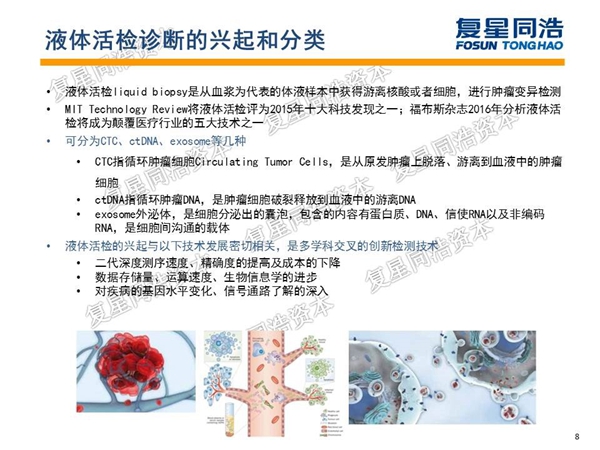
Liquid biopsy can be categorized into several fields based on the detection targets: circulating tumor cells (CTCs), circulating tumor DNA (ctDNA), and exosomes.
The image at the bottom left of this slide depicts circulating tumor cells (CTCs). A tumor initially presents as a primary cancer, such as lung cancer originating in the lungs. However, certain tumor cells with specific biological activity can detach from the primary tumor and circulate freely in the bloodstream. It is precisely due to this circulating nature that tumors are prone to metastasis. Therefore, detecting CTCs enables assessment of tumor mutations and metastatic status.
The second image illustrates circulating tumor DNA (ctDNA), which refers to DNA fragments released into the bloodstream upon the rupture or apoptosis of tumor cells. It differs from circulating tumor cells (CTCs); while CTCs are intact tumor cells, ctDNA is predominantly derived from the primary tumor, although a minor fraction may be released by the few existing CTCs.
The third image shows exosomes, which are vesicles secreted by cells and can be understood as carriers between cells. They contain a diverse array of cargo, including DNA, RNA, other proteins, and non-coding RNAs.
The rise of liquid biopsy technology is both a product of the times and the result of interdisciplinary development. But why is liquid biopsy technology so highly regarded?
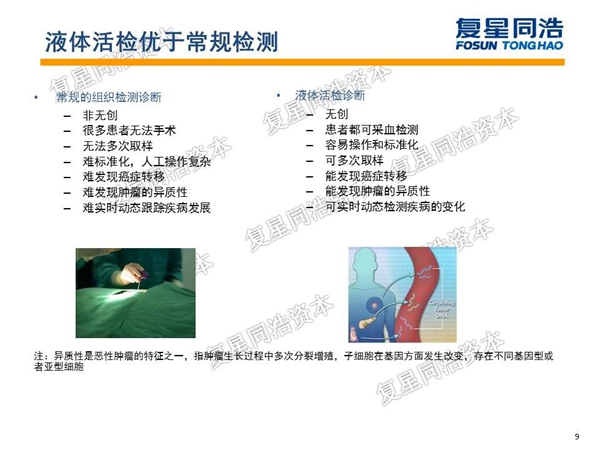
Because tumor cells are particularly cunning. While normal cells undergo regulated processes of growth and apoptosis, tumor cells escape this regulatory mechanism. We need to continuously track where tumor cells metastasize. Furthermore, due to tumor heterogeneity, tumors can undergo unpredictable changes at the genetic level, similar to viruses. Without dynamic, real-time monitoring, we would be unable to determine why drug resistance develops or which patients have developed drug resistance.
The counterpart to liquid biopsy technology is tissue biopsy (histological examination). Biopsy refers to a technique in which diseased tissue is obtained from a patient’s body through excision, forceps extraction, or needle aspiration, as required for diagnosis and treatment, followed by pathological examination. For instance, in lung cancer patients, tissue samples are collected from the tumor site in the lungs; similarly, in gastric cancer cases, samples are taken from the stomach. This procedure involves invasive surgical interventions such as needle puncture or complex sampling processes. In advanced-stage cancer patients who are not candidates for surgery, tissue biopsy cannot assess tumor metastasis or tumor heterogeneity, nor can it enable dynamic monitoring of disease progression.
In contrast, liquid biopsy is essentially a non-invasive procedure that offers ease of sampling and convenient detection. It facilitates the identification of cancer metastasis and tumor heterogeneity. For instance, when drug resistance increases after a period of treatment, liquid biopsy can be employed to determine which specific genes have undergone mutations, thereby enabling timely adjustment of therapeutic regimens.
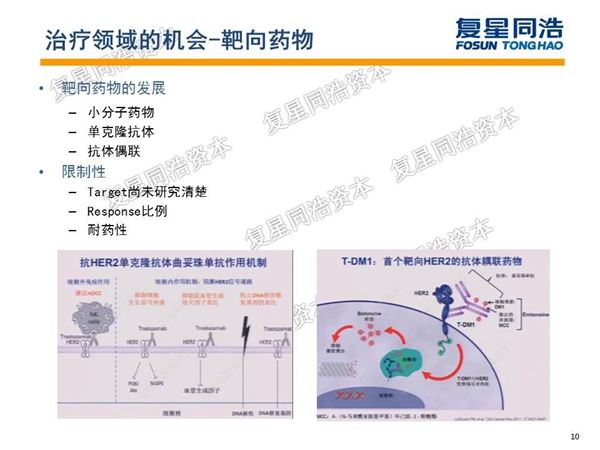
Diagnosis First, Then Treatment: If specific gene mutations are identified, what treatment options are currently available? The primary opportunity in the therapeutic landscape is targeted therapy.
Targeted therapies present both opportunities and limitations. The limitations arise because our understanding of disease pathogenesis remains incomplete; only a small fraction has been elucidated. For instance, HER2 mutations are found in 20–30% of breast cancer cases, while the underlying mechanisms in other cases remain unclear. What, then, is the appropriate course of action? As the pathological mechanisms of these diseases have not yet been fully characterized, patient response rates to targeted agents vary significantly.
Taking HER2 as an example, if a tumor patient is found to have a HER2 mutation, the drug specifically targeted at such breast cancer patients is called Herceptin. Since its market launch, Herceptin has achieved annual sales exceeding one billion US dollars. It inhibits the downstream signaling pathways of the tumor, thereby suppressing tumor progression. However, resistance to Herceptin often develops after a period of treatment, rendering subsequent use of the drug largely ineffective.
Antibody-Drug Conjugates (ADCs) represent a therapeutic strategy in which antitumor antibodies are chemically linked to cytotoxic effector molecules. These conjugates combine the ability to specifically recognize tumor antigens with the retained cytotoxicity of the effector molecules, enabling targeted accumulation at tumor sites and selective killing of tumor cells. For example, T-DM1 is an ADC formed by conjugating a cytotoxic agent to an anti-HER2 antibody; it delivers the drug to HER2-expressing tumor sites, thereby eradicating the tumor cells.
There are three directions for the development of targeted drugs: one is small-molecule drugs, another is large-molecule biologic drugs (monoclonal antibodies), and the third involves new technologies such as antibody-drug conjugates.
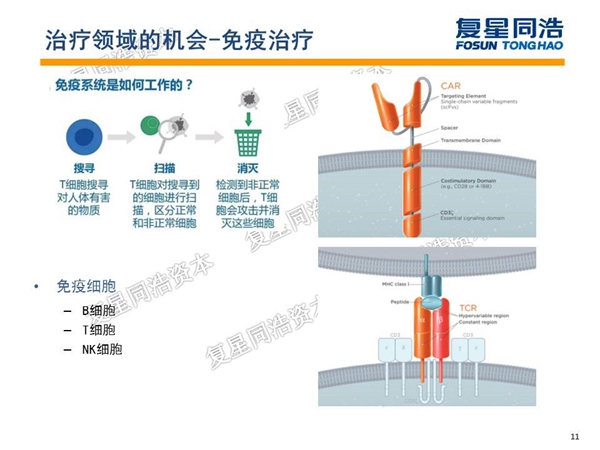
Monoclonal antibody targeted therapy is a treatment approach directed against specific molecules. Subsequent research has revealed that it is difficult to identify all disease-associated molecular mutations, the underlying mechanisms remain unclear, and drug resistance can still develop even with antibody-based interventions.
This has led to the consideration of an alternative therapeutic approach. The human body’s innate immune system is capable of eliminating abnormal cells, with T cells playing a key role in this function. The fundamental principle of CAR-T and TCR-T therapies involves extracting T cells that have lost their ability to kill tumor cells, genetically modifying them ex vivo to enable specific recognition of tumor cells, and then reinfusing them into the patient’s body, thereby restoring their capacity to destroy cancer cells. In addition to T cells, the immune system comprises various other cell types, including B cells and natural killer (NK) cells. Current research in other fields is also exploring the potential of NK cells to kill cancer cells, representing new frontiers in scientific investigation.
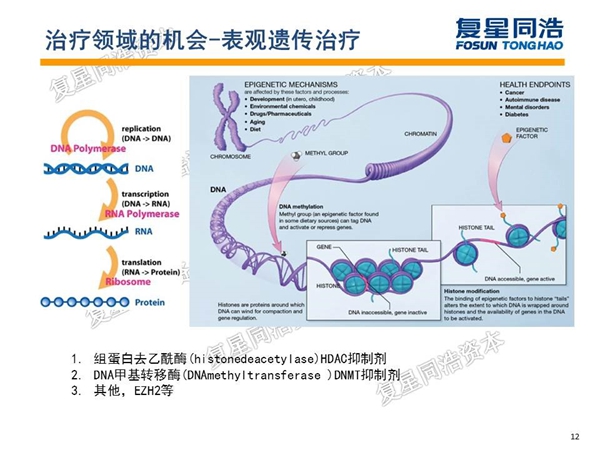
There is also a treatment method called epigenetic therapy, which primarily treats tumors and disease mutations by regulating DNA transcription.
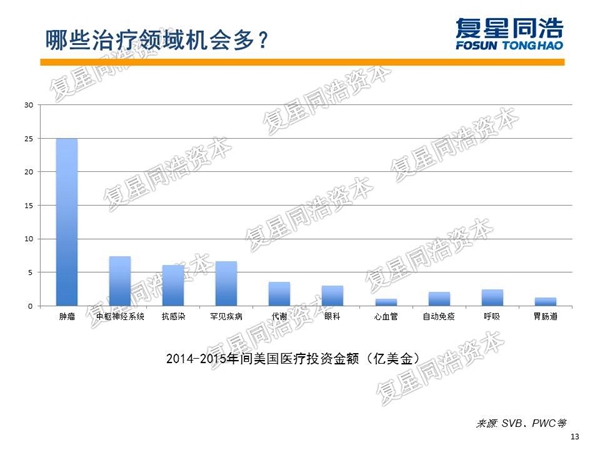
From the perspective of disease areas, precision medicine is needed not only for intractable diseases in oncology but also in other fields such as respiratory diseases, anti-infective therapies, and cardiovascular and cerebrovascular disorders. The chart on this slide presents statistics on the approximate amount invested in the U.S. market from 2014 to 2015 for research aimed at addressing various diseases.
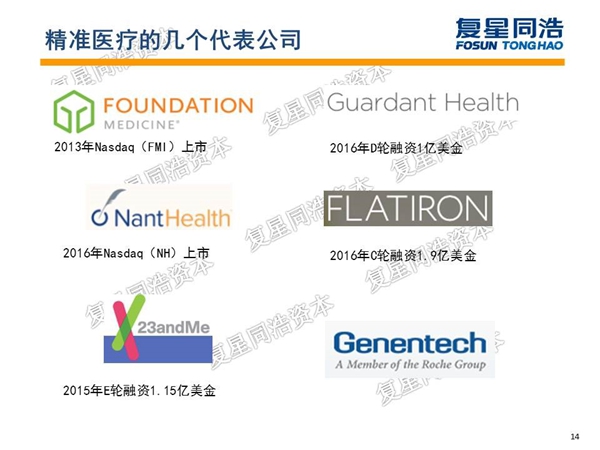
We have just discussed many directional aspects of precision medicine; now, let us examine representative companies.
The first company is Foundation Medicine, which is listed on NASDAQ and was later acquired by Roche Diagnostics. The company tests nearly all biomarkers discovered to date; in theory, using its testing platform can identify exactly which tumor genes have undergone mutations.
The second company is Guardant Health. Established approximately four years ago, the company primarily focuses on liquid biopsy ctDNA testing. It has garnered significant attention and favor from investors, raising $100 million in its Series D funding round in 2016. Guardant Health has built the world’s largest liquid biopsy database, comprising approximately 20,000 cases.
The third company is NantHealth. Founded by a physician, the company possesses deep expertise in clinical treatment protocols. It has aggregated all existing clinical protocols into a unified system, providing physicians with evidence-based guidelines during patient care. This system also serves as a critical cost-containment tool for insurers. By leveraging this platform, insurers can mandate that physicians prescribe medications in accordance with standardized guidelines, thereby enabling the detection of inappropriate or excessive prescribing practices.
The fourth company is Flatiron, which also focuses on oncology big data. However, it follows a different path from NantHealth. Founded by two young entrepreneurs with IT backgrounds, the company is dedicated to building cloud-based medical databases and leveraging data mining to combat cancer.
The fifth company is 23andMe, a typical “Internet + healthcare” enterprise. It was founded by Ms. Anne Wojcicki, wife of Google co-founder Sergey Brin. The company aims to become the “Google of healthcare” and has amassed extensive genomic data from individuals in the United States. After several years of accumulation, it has established the largest genetic database of Parkinson’s disease patients, which it later commercialized through a partnership with Genentech. Currently, there is no cure for Parkinson’s disease, primarily because the underlying causes remain unclear—specifically, what molecular and genetic variations occur in patients with Parkinson’s. In this context, 23andMe’s data are highly valuable.
In summary, precision medicine encompasses personalized diagnosis, personalized treatment, and personalized health management. The prerequisite for all these is an understanding of genetic-level variations, which serve as the targets through which precision medicine delivers its value.
In fact, precision is essential for the entire healthcare industry. Physicians need to transition from experience- and intuition-based practice to precision diagnosis and treatment; patients and users require personalized solutions; pharmaceutical companies must identify new biomarkers and develop targeted therapies; insurers need to implement precision management of their members, such that individuals who exercise regularly and maintain a healthy diet pay lower premiums than those who do not, all else being equal; and the goal of tiered diagnosis and treatment in hospitals is also to achieve precision.
For our investment strategy, precision is also key. We must strategically allocate capital and make targeted investments in innovative diagnostic technologies, novel biomarker applications, health and disease management, and big data.
Q: Are you optimistic about consumer-grade genetic testing, and what do you consider the key success factors in this area?
Qiao Jiying: Genetic testing used for clinical diagnosis can be referred to as medical-grade. Both medical-grade and consumer-grade genetic testing present opportunities; for instance, 23andMe offers consumer-grade genetic testing.
23andMe addresses the issue of enabling individuals to understand their genetic information, such as identifying substances to which they may be allergic and determining their ancestral origins.
There are two key elements to the development of consumer-grade genetic testing:
First, there must be a clear customer acquisition strategy. Since consumer-level users are relatively dispersed, it is essential to acquire customers at a lower cost. The consumption scenario is crucial;
Second, the cost of testing technology must be low. Consumer-grade genetic testing for large-scale application must be low-cost; for example, 23andMe adopted chip technology and charges $99, resulting in relatively low costs.
Q: In December 2015, Baidu CEO Robin Li personally donated RMB 30 million to support the collaboration between Baidu and Peking Union Medical College on genomic research into esophageal cancer. Could Mr. Qiao please explain this real-world case to us, detailing what they aim to achieve and how they plan to do it?
Qiao Jiying: First, this is a personal initiative with a strong public welfare component. Second, the funds are dedicated to supporting Peking Union Medical College Hospital’s genomic research project on esophageal cancer. By analyzing a large number of high-quality clinical cases, researchers can identify specific genetic characteristics and mutations among Chinese esophageal cancer patients, thereby enabling the development of personalized treatment strategies.
From a personal standpoint, I strongly hope that successful individuals will allocate more funds to support basic research.
Q:Do you think there is a bubble in the field of precision medicine?
Qiao Jiying: There is currently a bubble in the field of precision medicine, mainly manifested in two aspects:
First, both the United States and China support precision medicine at the national level. In China, nearly every entity with even a tangential connection claims to be engaged in precision medicine, with many jumping on the bandwagon and hyping it up; thus, there is undoubtedly a bubble. However, precision medicine does have significant barriers to entry.
Second, startups in the precision medicine sector are currently overvalued. Excessively high early-stage valuations are not beneficial for startups, as they can hinder subsequent development and fundraising efforts, while also imposing significant operational pressures.
Q:Some experts have stated that precision medicine may ultimately transform the disease classification system. Could it be that, in the next 5 to 10 years, cancer will no longer be classified using current methods? Do you think this is possible?
Qiao Jiying: This is a highly insightful question. Is it possible that classification methods will change? Yes, it is. More molecular- and genetic-level information will be added to the current framework. Currently, cancers are primarily classified based on the site of the primary tumor, such as gastric cancer, lung cancer, and breast cancer. In the future, genetic mutations—such as HER2, which is found in both breast and gastric cancers—will be incorporated into the analysis. Therefore, classifications based on molecular-level alterations will become more prevalent, and this classification system may well be adopted in future medical practice.
Q:Hello, Mr. Qiao. Some companies are offering application services for genetic testing products, meaning they merely rebrand precision medicine products while relying on core technologies owned by others. Are such companies considered promising? Additionally, could you please provide an overview of the current development status of companies in China engaged in gene sequencing and data computation?
Qiao Jiying: Currently, the instruments used for genetic testing are largely similar across the industry, making it difficult to achieve further innovation in hardware unless third-generation or other novel detection technologies emerge. From an application perspective, however, the true value lies in the ability to discover new biomarkers, gain deeper insights into diseases, and identify novel biomarkers for developing new diagnostic tests, which is highly valuable.
For a sequencing service provider, its core competitiveness lies in economies of scale—specifically, whether it can achieve a monopolistic low-cost advantage. Relying solely on data computation is relatively weak; it must be integrated with other core business activities to develop applications. For instance, companies can leverage novel customer acquisition strategies to gather data or build competitive advantages by accumulating data-driven value.
Q:Could you briefly introduce the Fosun Tonghao Fund?
Qiao Jiying: Fosun Tonghao currently operates in RMB but also accepts USD, utilizing Fosun’s proprietary funds with a theoretical long-term investment horizon. The fund size of Fosun Tonghao is RMB 500 million plus USD 100 million. The Fosun Tonghao team demonstrates high professionalism in investment. Additionally, we assist startup teams in leveraging resources from the Fosun platform, including global investment, insurance, channel, pharmaceutical, and hospital resources—such as United Family Healthcare—all of which constitute our competitive advantages.
Fosun Tonghao focuses on companies with three key characteristics:
First, the company must pursue innovation, whether in technology or in its business model;
Second, the company must be capable of solving real-world problems; its activities must deliver genuine value, and the target market size must be substantial.
Third, the company's founding team must possess both vision and capability; otherwise, it will be difficult for the company to achieve long-term success.
Regarding the specific segments and directions in precision medicine that Fosun Tonghao focuses on, as mentioned earlier, we prioritize innovative diagnostic technologies and novel applications. We do not strictly limit our focus to particular disease areas; oncology is certainly a key segment, but we also cover major disease categories such as cardiovascular diseases and genetic disorders. Given the relatively high barriers to entry for targeted therapies, we take a cautious approach when evaluating founding teams of companies in this space, with an emphasis on platform-based technologies.