

DXY Clinic: A Light-Operation Model Under Heavy Assets
This year marks the 16th anniversary of DXY. It started as a forum website in 2000, was incorporated as a company in 2006, ventured into mobile internet healthcare in 2011, and opened its first offline clinic in Hangzhou in 2016.
Viewing DXY’s development against the broader backdrop of the internet healthcare era, it serves as a microcosm of the gradual evolution of China’s internet healthcare models.
Today, DXY covers nearly 80% of physicians in China and has amassed 20 million consumer-facing (C-end) users. This substantial user base has been acquired through DXY’s asset-light online model. However, having achieved such scale, how can the platform further enhance user stickiness? How can it deepen engagement and service delivery with its users? Ultimately, the core question remains: how can these users be effectively monetized?
Offline clinics represent a strategic avenue DXY is currently exploring and constitute a critical component of its consumer-facing market strategy.
“After opening a brick-and-mortar clinic, my parents-in-law finally understood what I do.” In Li Tiantian’s view, running a clinic is more fulfilling than working in the internet sector: “Older adults are indifferent to the internet. To them, a legitimate business is something tangible and visible.”
What Li Tiantian understands as a clinic is, in fact, one of the forms through which DXY provides services to its users. How to leverage the Internet to improve clinic operations is a question that DXY is currently exploring and attempting to answer.
Positioning: From the Middle Class to the General Public
On July 26, DXY’s second clinic in Hangzhou is set to officially open. At that time, it will have been approximately six months since the opening of its first clinic.
Li Tiantian stated that DXY Clinic has three strategic positionings: first, the diagnosis and management of common diseases; second, benchmarking against primary and secondary healthcare institutions; and third, serving as a supplementary component of basic healthcare in the industry.
Li Tiantian further explained that patients visiting DXY Clinic primarily present with common conditions such as colds, fever, and minor traumatic injuries. The clinic functions similarly to a community health center, distinguishing itself from large hospitals. In terms of the patient population served and the spectrum of diseases treated, there is no difference between DXY Clinic and community health centers. However, DXY places greater emphasis on service delivery rather than prescription practices. “In community health centers, pharmaceutical costs account for 70%–80% of total expenses. At DXY Clinic, this proportion is below 20%, and we are striving to reduce it to under 15%. This constitutes the most significant distinction between DXY Clinic and community health centers.”
So, which populations does DXY Clinic serve?
Li Tiantian introduced that DXY Clinic was initially positioned to serve families willing to pay for quality amid the trend of consumption upgrading. In simple terms, DXY Clinic targets the middle class. This is because its current consultation and treatment prices are not low. However, a 40% discount on consultation fees is being offered in the early stage, with DXY stating that this promotion will continue until the end of this year.
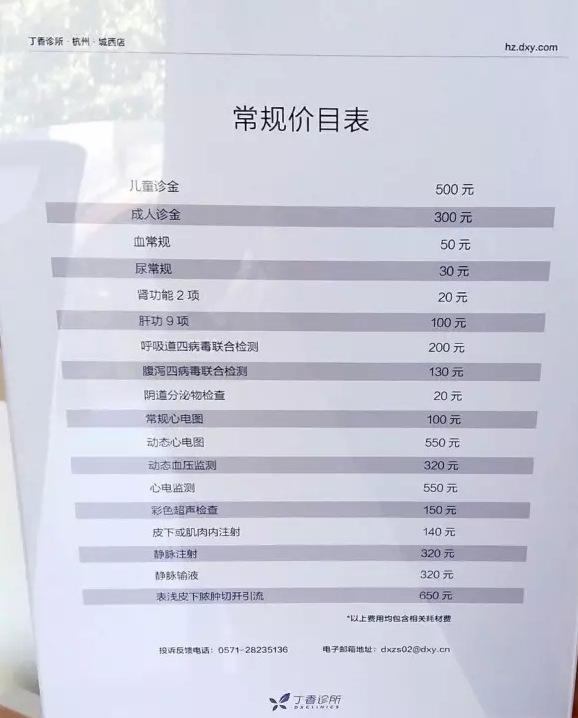
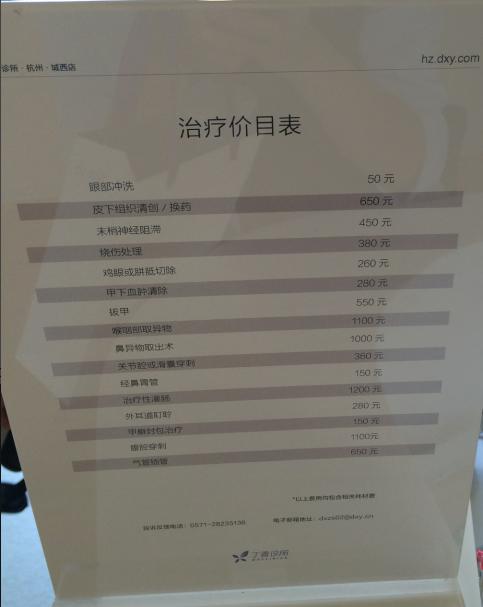
However, after DXY Clinic officially opened its doors to patients, Li Tiantian discovered that, in addition to middle-class individuals who drove cars, there were also ordinary people who arrived on electric scooters. Patients born after 1985, in particular, were willing to pay for quality care and accounted for a significant proportion of the clientele. This indicated that DXY Clinic’s potential patient base was larger and more diverse than initially anticipated.
Three Patient Acquisition Experiments at Dingxiang Clinic Show: Clinics Are Highly Localized Services
For any individual or company looking to open a clinic, the most pressing concern is where patients will come from. After DXY accumulated over 20 million C-end users online, can this traffic be directed to offline facilities?
Dingxiangyuan initially explored three strategic pathways. The first pathway focused on online customer acquisition. Specifically, it leveraged online followers’ engagement with content to drive them to offline facilities for related services. For instance, Dingxiang Doctor published articles on smoking cessation online, followed by timely rollout of offline smoking-cessation services. Similarly, the Dingxiang Mama WeChat official account disseminated educational content on cervical cancer, guiding users to undergo corresponding cervical cancer screening at offline clinics. However, these online-to-offline (O2O) referral models are currently constrained by the limited number of offline clinics.
The second approach involves hosting offline events. Rather than engaging in simple grassroots promotion, DXY Clinic’s offline initiatives focus on patient education. The clinic organized 35 lectures in nearby communities, clinics, companies, and kindergartens, with attendance ranging from 30 to 300 participants per session.
Third, word-of-mouth marketing. For example, conducting specialized lectures via platforms such as WeChat Mini Classes, mothers’ online groups, and Zhihu Live.
By establishing WeChat groups for mothers online, collecting questions from group members to deliver targeted lectures, thereby building a strong reputation.
After six months of experimentation, DXY found that traffic referrals from its WeChat Official Account remained relatively stable, hovering at the 26%–27% range. In contrast, customer acquisition through offline events and word-of-mouth referrals nearly doubled, rising from 31% in the first three months to 59%. From another perspective, since both the WeChat Official Account and word-of-mouth referrals are online channels, their combined share increased from 42% to 59%.
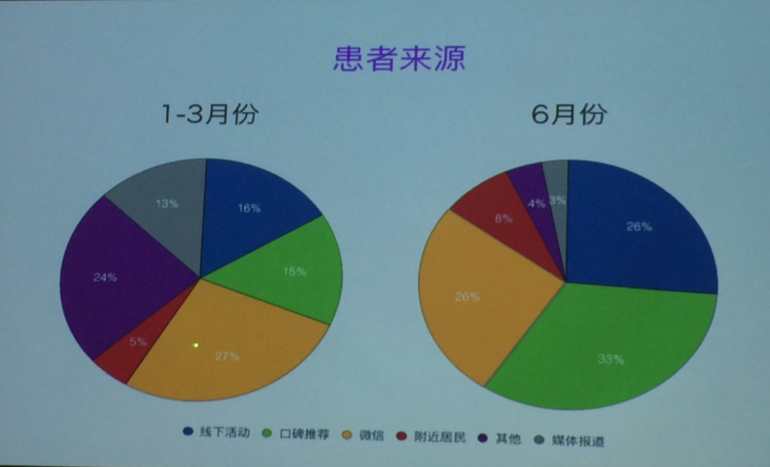
It is evident that online patient acquisition serves as a crucial source of new patients for clinics in their initial stages. However, whether through online or offline channels, targeting specific populations within a defined geographic area yields better results than broad, untargeted outreach. Li Tiantian posits that clinic services are highly location-dependent; it is unrealistic to expect patients from cities such as Jinhua or Ningbo to travel to Hangzhou for care. Instead, clinics build their brand gradually by influencing their immediate surroundings. “Therefore, fostering greater and more authentic patient engagement with the clinic, enabling them to gain a deeper understanding and direct experience of its services, is essential to establishing lasting patient loyalty.”
Patient-Centered
On January 18 this year, the DXY Clinic opened in Hangzhou’s Binjiang District, marking DXY’s first general practice clinic. The second clinic is scheduled to open on July 26 in Hangzhou’s Xicheng District. Building on the model and experience of the Binjiang clinic, the Xicheng DXY Clinic will feature expanded operational space and a broader scope of services.
It is reported that the Dingxiang Clinic covers an area of 1,500 square meters and is equipped with 12 standard consultation rooms. It features departments for internal medicine, surgery, gynecology, and pediatrics, and has added an emergency room and a medical imaging department. Furthermore, the layout physically separates the outpatient area from the pediatric wellness zone to minimize the risk of cross-infection.
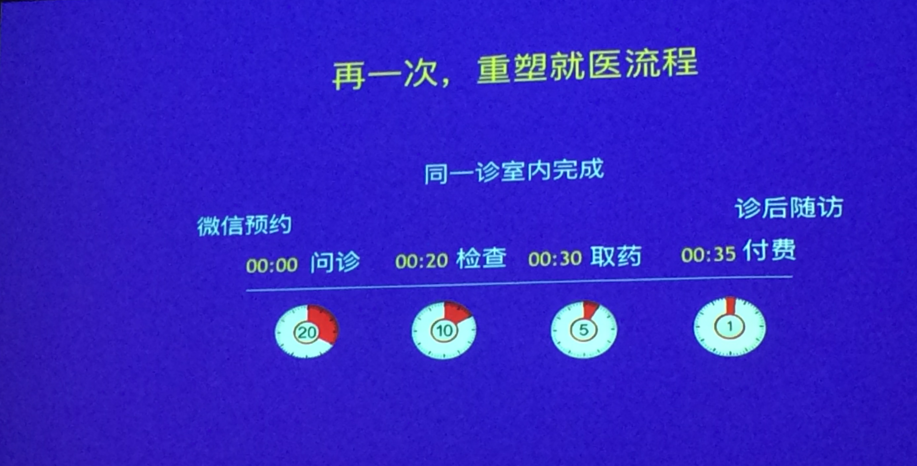
Upon entering the DXY Clinic, patients first proceed to the triage room for a basic physical examination before moving into the consultation room. All subsequent steps—including medical consultation, examinations, prescription issuance, and medication dispensing—are completed within this same consultation room. This is because every consultation room at DXY is standardized; nurses perform all necessary examinations using mobile diagnostic equipment directly in the room (except for tests requiring large-scale diagnostic devices). Once the prescription is issued, a pharmacist brings the medications to the consultation room and provides instructions on proper usage. After the entire consultation process is concluded, patients can complete payment directly via WeChat.
Li Tiantian introduced that the vast majority of patients visiting DXY Clinic schedule appointments via WeChat, with only a few walking in directly. After consultation, patients can also enjoy seven days of free post-visit follow-up services.
According toVCBeat (WeChat: vcbeat)Understood. Dingxiang Clinic has comprehensively optimized its patient care process, with an average consultation time of approximately 35–40 minutes per patient, including about 20 minutes dedicated to physician-patient communication. “We ensure ample interaction between doctors and patients, while all remaining documentation is handled by nurses,” said Li Tiantian.
Dingxiang Clinic has also innovated its prescription labels. In addition to listing the diagnosis, prescribed medications, and dosage instructions, the labels explain the nature of the condition, treatment approaches, and key precautions, thereby helping patients better understand their illnesses. The clinic has also identified user needs beyond disease-related knowledge; for instance, many parents were unsure how to open the child-resistant caps on pediatric Motrin (ibuprofen) bottles, prompting Dingxiang Clinic to produce an instructional video on the topic.
At DXY Clinic, best practices centered on “patient-centric care” are evident everywhere.
Currently, Dingxiang Clinic focuses primarily on pediatrics. The interior design of the children’s health area and pediatric examination rooms features cartoon illustrations and vibrant colors such as yellow, red, and blue. Toys in the children’s health area are disinfected every 30 minutes, and no plush toys are allowed. The gaps around the doors in pediatric examination rooms are wider than those in adult rooms to prevent children from getting their fingers caught. Li Tiantian believes that only in a relaxed environment can children’s fear of medical visits be alleviated, enabling them to describe their symptoms more clearly and accurately, thereby achieving better diagnostic and therapeutic outcomes.
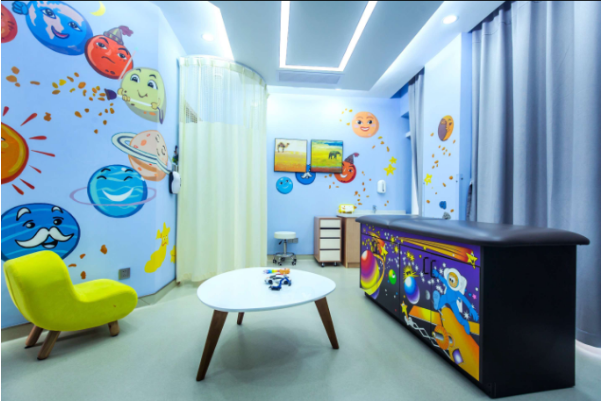
Dingxiang Clinic Pediatric Examination Room
Beyond these visible details, the soft power of Dingxiang Clinic is also not to be underestimated.
At DXY Clinic, all medications are available for sale in loose units to minimize patients’ out-of-pocket costs. In terms of pharmaceutical distribution, DXY Clinic partners with Shanghai Pharmaceuticals. As a result, the clinic’s pharmacy is relatively small, stocking only the most commonly used medications, while other drugs are distributed by Shanghai Pharmaceuticals. DXY Clinic’s electronic prescription data is integrated with Shanghai Pharmaceuticals’ system, and corresponding medication consultation services are also provided by Shanghai Pharmaceuticals.
Li Tiantian told VCBeat (WeChat ID: vcbeat) that the greatest advantage of collaborating with third-party providers lies in cost control, with patients ultimately being the beneficiaries. In addition to routine tests conducted in-house at Dingxiang Clinic, larger-scale tests are carried out in partnership with third-party providers such as KingMed Diagnostics and Dian Diagnostics. Furthermore, Dingxiang Clinic has established a referral system in collaboration with Sir Run Run Shaw Hospital, the Second Affiliated Hospital of Zhejiang University School of Medicine, and Shulan Hospital.
VCBeat has learned that physicians at Dingxiang Clinic are primarily recruited from top-tier (Grade A tertiary) hospitals and possess at least five years of clinical experience. The medical team consists mainly of senior attending physicians and junior associate chief physicians. All physicians are required to complete standardized residency training in general practice before commencing their duties. After onboarding, Dingxiang Clinic implements a customized, lifelong training and practical program. Key performance indicators (KPIs) are set on an annual, quarterly, and monthly basis, requiring physicians to participate in case discussions, lead literature reviews, and write popular science articles. Nevertheless, the core and most critical performance metric for physicians remains the quality of medical services, as reflected by patient satisfaction.
Dingxiangyuan’s toC Strategy: ICE
From the patient’s perspective, Li Tiantian analyzes DXY’s consumer-facing strategic layout across three dimensions: information, communication, and interaction.
On the internet, medical-related information is severely scarce in China. While there are many high-quality websites abroad, it is extremely difficult for patients in China to find authoritative and effective sources through search engines. This represents a significant market gap and pain point, which is a key reason why the Dingxiang Doctor WeChat official account was able to rapidly acquire a large number of followers in a short period.
Li Tiantian stated that while some patients feel that reviewing information is sufficient, others desire communication, and still others find the level of communication inadequate, thus necessitating in-person consultations with physicians. This gives rise to needs for communication and engagement. These three elements—Information, Communication, and Engagement—form the acronym ICE. Therefore, DXY aims to use this “ICE” framework to break through the aforementioned “hard ice” of healthcare services.
Li Tiantian stated that, at the information level, the work essentially involves content creation; while there are similarities between the two, there are also differences. The patient medical information system built by DXY encompasses content across multiple dimensions.
DXY has been striving to advance from the grassroots level upward. Over the past year or so, its core user base has surpassed 15 million. Currently, DXY operates 14 WeChat subscription accounts, with a combined follower count exceeding 20 million. Individual WeChat articles regularly achieve more than 100,000 views. This success is underpinned by DXY’s data-driven approach, which leverages extensive data analysis and user profiling to continuously tailor content to meet user needs.
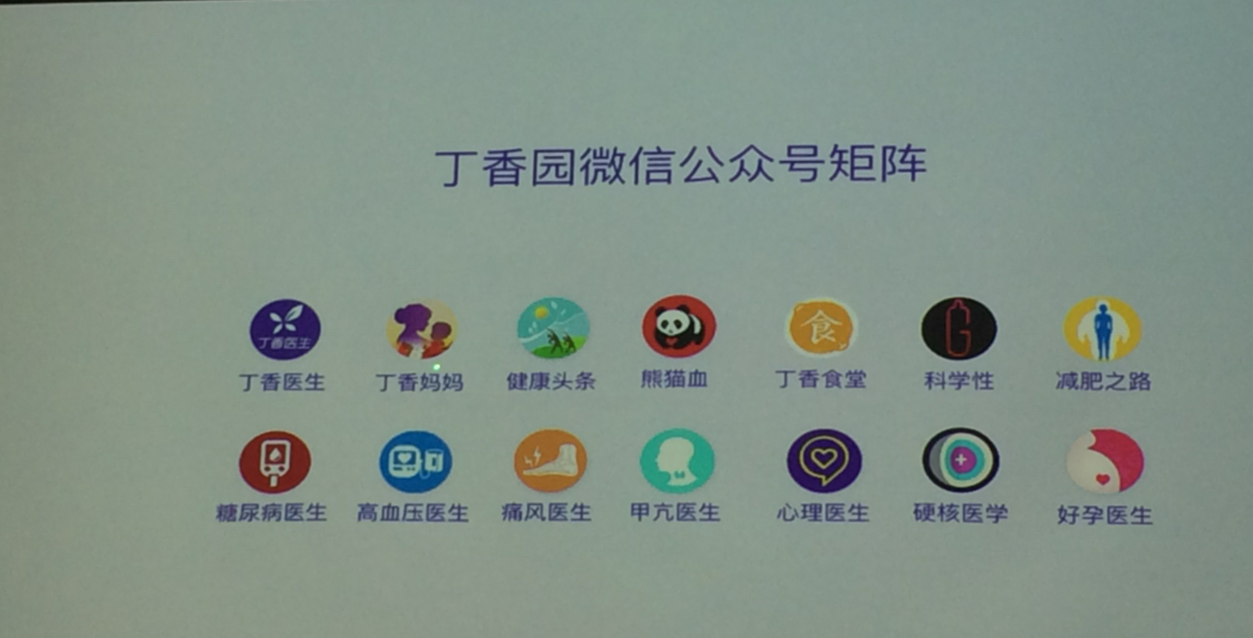
Secondly, regarding the aspect of communication. DXY places greater emphasis on human-computer interaction. Each search is essentially a conversation, except that you are not querying a person but rather Google. Therefore, DXY has undertaken extensive optimization and exploration within its search engine. However, to deliver high-quality search functionality, one must first establish a foundation of data, such as disease data, drug data, health status data, hospital data, and pharmacy data. These data need to be collected and thoroughly “cleaned” before they can be utilized.
Human-to-human dialogue is both inevitable and indispensable in healthcare services, as medicine is, after all, an industry dedicated to serving people. DXY aims to facilitate effective connections between doctors and patients, such as through online consultations. To this end, DXY has launched “Ask a Doctor.”
On the Laiwen Doctor platform, physicians who provide perfunctory responses to patients are removed from the list of responding doctors, ensuring that only truly outstanding practitioners appear in the public recommendation roster. “These physicians have sufficient interest and motivation to address patients’ concerns,” said Li Tiantian.
Zhang Jin, CEO of DXY, told VCBeat that “Ask a Doctor” has established a dedicated project team focused on addressing personalized health inquiries and serving as a bridge to offline clinics. In the next phase, “Ask a Doctor” will integrate with the SaaS systems used by offline clinics, thereby accumulating big data related to the diagnosis and treatment of various diseases.
The carrier at the interactive level is Dingxiang Clinic.
China’s most critical shortage lies in basic medical services. Of the more than 900,000 physicians in the United States, over 500,000 are general practitioners, whereas China has only 68,000 trained general practitioners. Given the severe shortage and underdevelopment of general practice, there is substantial potential in primary care. Li Tiantian believes that the optimal use cases for mobile health are not in tertiary Grade A hospitals, but rather in primary healthcare settings such as clinics and community health centers.
Li Tiantian stated that there is currently a shortfall of 100,000 clinics in China. To address this, DXY has launched the DXY Cloud Manager information system to help more clinics implement standardized and process-driven management, thereby improving efficiency. “It is an unstoppable trend to export the service standards developed through DXY Clinic to more small and medium-sized medical institutions.”
On July 12, Zhejiang Province issued the “Implementation Opinions on Promoting the Accelerated Development of Socially Run Medical Institutions.” The document proposes that by 2017, the overall scale and development level of socially run medical institutions across the province will be significantly improved, with the proportion of beds and service volume in such institutions increasing by 2–3 percentage points compared to 2015. By 2020, the proportion of beds in socially run medical institutions across the province is expected to reach over 25%. Private medical institutions will equally enjoy preferential tax policies and may be included in the designated network for basic medical insurance coverage in accordance with relevant requirements.
It is foreseeable that more private medical institutions will emerge in the future, which is one of the main reasons why DXY has proactively positioned itself in the clinic SaaS market. In the future, DXY also plans to engage in incubating physician clinics, providing not only corresponding internet-based tools but also support in areas such as funding and branding.
Asset-Heavy Infrastructure, Asset-Light Operations
In an exclusive interview with VCBeat (WeChat ID: vcbeat), Li Tiantian stated that healthcare must ensure patient quality and safety, while also providing comprehensive services. These comprehensive services should span the entire care process, with tight integration between online and offline channels.
Many overseas online healthcare companies have established partnerships with offline providers, but such models are difficult to implement in China. This is primarily due to the insufficient motivation of hospitals to engage in these collaborations. Consequently, DXY has chosen to establish its own clinics. From a strategic perspective, this move aims to provide patients with a comprehensive medical experience.
Although operating offline clinics is a relatively capital-intensive model, Li Tiantian believes that Dingxiang Clinic is positioned to treat common illnesses and does not require extensive large-scale medical equipment. The clinic’s largest expenses are venue rent and labor costs, which are relatively high only in the first year. Moreover, Dingxiang Clinic reduces various costs through process standardization, third-party outsourcing services, and asynchronous interactions, thereby achieving lean operations within a capital-intensive model.
Li Tiantian stated that in the traditional model, the sole revenue source for offline clinics is walk-in patients. However, in addition to the traditional model, DXY Clinic generates revenue through a variety of internet-based services.
For instance, DXY Clinic partnered with Taikang Online to offer smoking cessation insurance, diabetes insurance, children’s insurance, and malignant tumor screening services. Through online promotion, these initiatives ultimately drove traffic to offline facilities for service delivery.
Take diabetes insurance as an example. First, DXY established a Chronic Disease Management Center in Hangzhou, leveraging devices such as the Tang Dafu glucose meter to collect patient data and aggregate it on its platform. Through data analysis and targeted interventions, healthcare professionals—including physicians, nurses, and dietitians—manage patients’ blood glucose levels and other key health indicators.
Secondly, by leveraging the "Dingxiang Xiaotang" WeChat official account, real-time interaction with patients is facilitated to enable remote guidance and chronic disease management, thereby reducing the frequency of complications. As the service provider, Taikang Online integrates its products into the chronic disease management process and utilizes the service channels jointly established by DXY and Taikang Online to provide patients with comprehensive solutions.
Patients who purchase insurance online and reside within Hangzhou’s coverage area receive regular disease management at the clinic; those outside DXY Clinic’s service network are connected with local physicians for disease management. Chronic disease management services have gradually become a new revenue stream for DXY.
Li Tiantian believes that chronic disease management and pediatrics serve as key entry points for comprehensive family health management. Moving forward, DXY Clinic is also considering launching a membership-based product tailored to families.
Since its founding in 2006, DXY has achieved breakthroughs in specific areas but has not yet emerged as an overall industry leader. “Tencent’s success is driven more by innovation rooted in its systems, strategy, and management—areas from which DXY has much to learn,” said Li Tiantian. Moving forward, DXY will make adjustments to its overall strategy, organizational structure, and management system, aiming to become the most valuable connector in the healthcare industry within five years.