Accenture Survey Reveals Significant Rise in Consumer Adoption of Digital Health and Mobile Medical Solutions
Accenture recently released a survey on the use of digital health tools, examining changes in acceptance and attitudes among U.S. consumers compared to two years ago. The report focuses particularly on the usage of Electronic Health Records (EHR), various mobile health apps, and wearable devices. VCBeat has excerpted selected content from the report.
Compared with the 2014 survey results, the number of users of health apps and wearable devices has increased. The use of health wearables rose from 9% in 2014 to 21% in 2016; mobile health apps increased from 16% in 2014 to 33%. The most popular categories are fitness and dietary health.
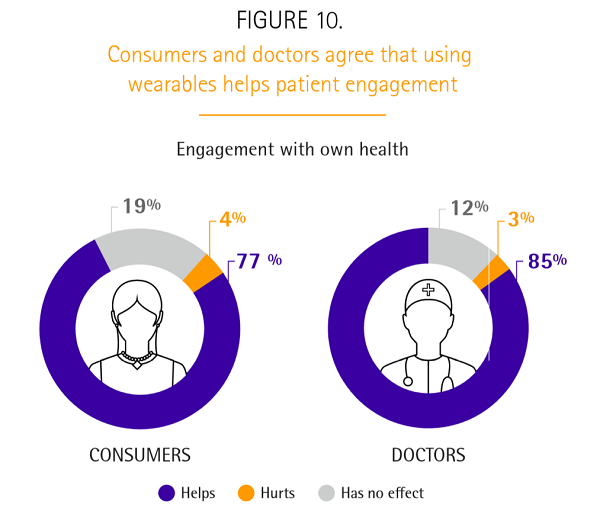
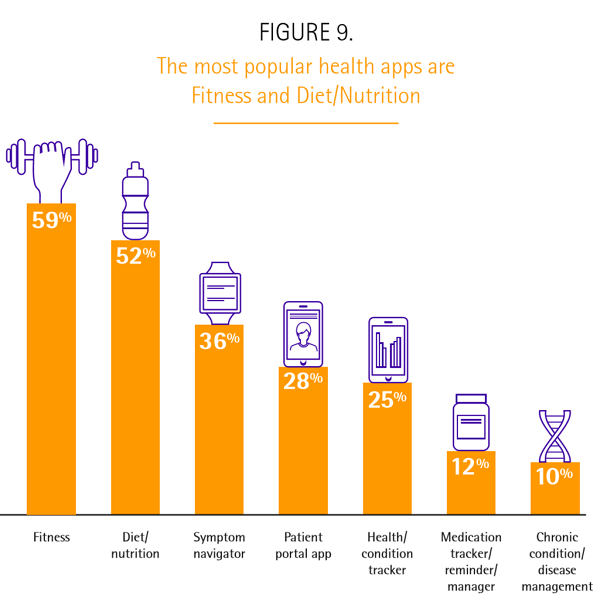
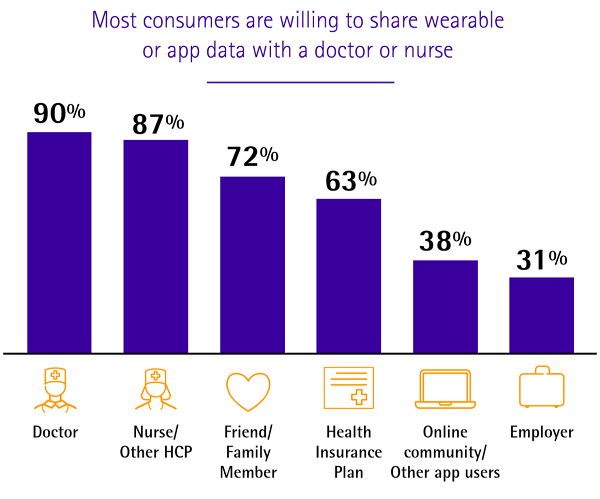
Patient experience is increasingly going digital, with consumers driving a trend toward managing their health through digital tools such as electronic health records (EHRs), wearable devices, and apps. Patients are beginning to believe they have the right to access their data, but healthcare providers often disagree.
Consumers across all age groups are increasingly accessing their electronic health records (EHRs) and are more aware of the utility of this data than they were two years ago. In the United States, EHR adoption has risen significantly, reaching 45% in 2016 compared to 27% in 2014. Notably, among health technology users, those aged 65 to 74 are more inclined to leverage their EHRs for health management.
Compared with the situation two years ago, healthcare consumers have a clearer understanding of the information they are using. According to surveys, in 2016, 65% of individuals using Electronic Health Records (EHRs) reported knowing the meaning of their data, whereas only 39% had such understanding two years prior. Nevertheless, this year, 35% of users still remain unaware of the nature of the data they are accessing.
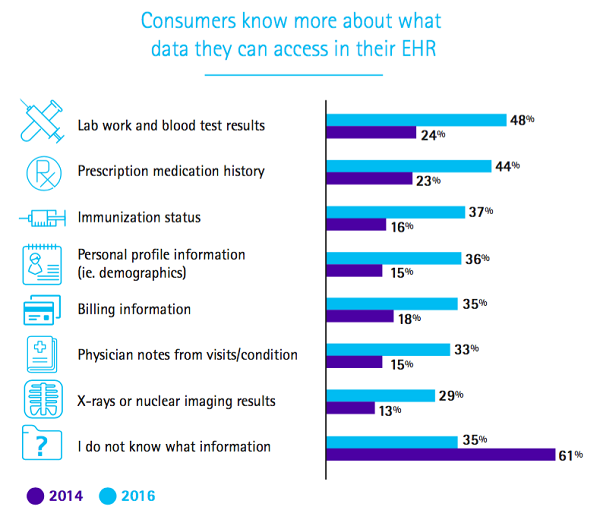
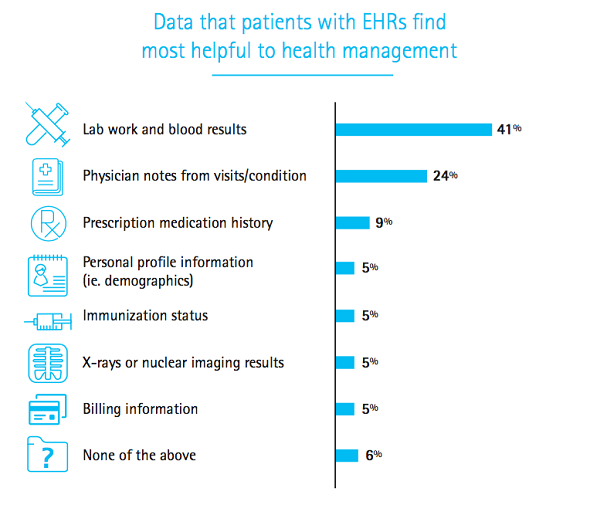
Notably, 41% of respondents found laboratory tests and blood test results particularly helpful for managing their health, while another 24% considered physician notes to be beneficial.
92% of patients believe they should have the right to access all their medical records, yet only 18% of physicians share this view. Interestingly, approximately half (49%) of patients believe they can already access their complete records.

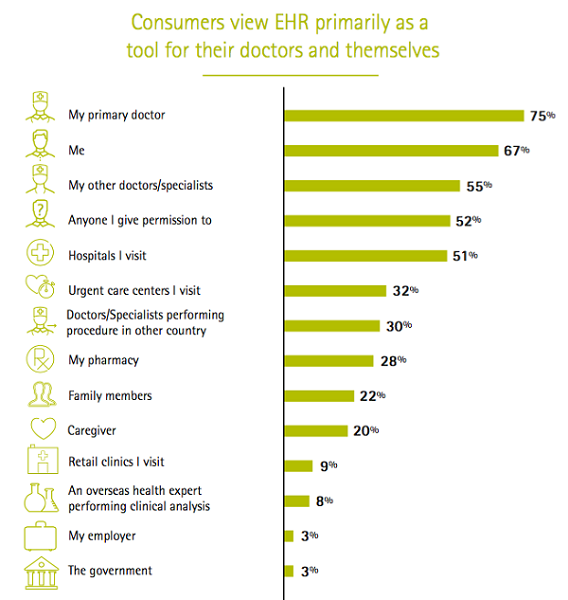
Meanwhile, consumers have their own views on who should be allowed to access their EHR data. Seventy-five percent of respondents would share this data with their primary care physicians for use as supplementary information. A significant proportion, 67%, also use it for personal reference. However, they do not casually disclose their data to other parties unless explicit authorization is granted. Only a very small minority of consumers believe that their employers, the government, or small clinics should have access to these records.
Source: Accenture Consulting
The full original report will be shared in the shared files of the VBR WeChat group. To request to join the group, scan the QR code provided at the end of this article.

【20-Minute Overview of Global Digital Health Industry Trends】