

Policy, Capital, and Technology Converge: Healthcare Big Data Begins to Explode | 2016 Annual Review
As 2016 draws to a close, VCBeat’s flagship annual event, the “Top 100 Future Healthcare Companies List,” is arriving as scheduled. While the selection process is currently in full swing, the excitement extends far beyond this. Prior to the unveiling of the Top 100 list, VCBeat has meticulously curated a series of year-end reviews focused on specific healthcare subsectors. Targeting the hot medical niches of 2016, these articles systematically examine the current state of companies, highlight key events, and analyze development trends within each field over the past year, offering readers a rich and engaging feast of content.Registration is now open for the 2016 Top 100 Future Healthcare Forum. Registration link:Here!
Healthcare Informatization, literally interpreted, refers to the digitalization, networking, and informatization of healthcare services. By leveraging computer science, modern network communication technologies, and database technologies, it facilitates the collection, storage, processing, retrieval, and exchange of patient information and management information among hospitals and across various departments within a hospital, thereby meeting the functional requirements of all authorized users.
In a narrow sense, healthcare informatization encompasses hospital management informatization, clinical management informatization, and public health informatization; in a broad sense, it also includes medical insurance informatization and pharmaceutical distribution informatization.
If categorized by development timeline, healthcare informatization can be divided into four developmental stages.
Healthcare IT 1.0 Era, centered on the widespread adoption of information technology, encompasses hospital informatization (including HIS, CIS, LIS, PACS, etc.), regional healthcare informatization, primary care informatization, and social security informatization.
At this stage, more than 70% of medical institutions in China have achieved hospital management informatization centered on finance through Hospital Information System (HIS).
In the era of Healthcare IT 2.0, with internet-based healthcare as the central theme, cloud technology will directly provide C-end users with medical services in forms such as mobile healthcare, telemedicine, and health clouds. It will become a new driving force for the continuous expansion of healthcare IT in the coming decades. This market is dominated by two major players: internet companies and traditional healthcare IT enterprises. Various private equity (PE) and venture capital (VC) firms have also invested in multiple internet healthcare unicorns.
In the era of Healthcare IT 3.0, healthcare informatization aims ultimately at “integration of medical care, pharmaceuticals, and health insurance, plus health management.” This goal is dictated by the patient treatment journey, which comprises three stages: hospital diagnosis, pharmacy dispensing, payment, and post-discharge health management. Traditional healthcare IT systems have primarily addressed only hospital-based diagnosis and treatment, leaving information silos between medical services, pharmaceutical supply, and health insurance payments. Consequently, healthcare IT companies are increasingly expanding into areas such as health insurance cost containment (where cost-control engines serve as the bridge linking medical care and health insurance), pharmaceutical distribution (with electronic prescriptions acting as the sole link connecting medical care and pharmaceuticals), and commercial health insurance (which serves as the vehicle for identifying payers in comprehensive health management). These efforts integrate the three sectors—medical care, pharmaceuticals, and health insurance—to cover the entire patient journey in health management.
In the era of Medical IT 4.0, the focus shifts to the essence of healthcare services, rather than merely serving as informatization tools. Within the healthcare service industry chain, medical big data has become pivotal.
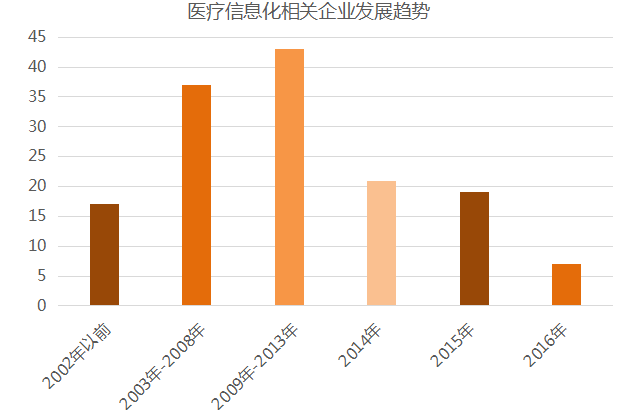
VCBeat compiled a list of 144 startups related to healthcare informatization, reviewing them by project name, founding date, geographic location, and financing history, with data current as of November 2016.

How Were the Four Stages of Development for Healthcare IT Companies Formed? VCBeat believes that there are three major driving forces: policy, technology, and capital. Industry policies, technological conditions, and capital availability at different stages have had a significant impact on the emergence and development of healthcare IT companies. With policy as the core, a comparative analysis under the combined influence of these three forces can reveal the reasons behind the development path of healthcare IT companies.
Data Source: VCBeat, VBInsight Database
Phase I: From the 1980s to 2002.
Data source: VCBeat, Eggshell Research Institute Database
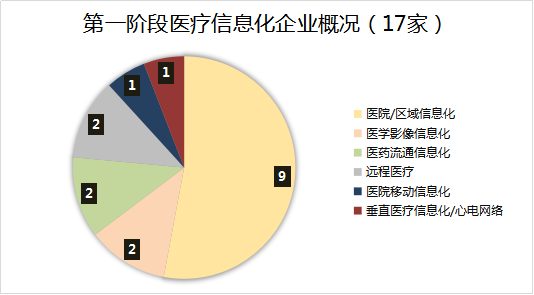
During this phase, healthcare IT companies primarily focused on the informatization of large medical institutions, with economic management as the core thread, namely emphasizing the development of Hospital Management Information Systems (HMIS).
In terms of company establishment, a total of 17 enterprises were founded during this period, spanning only six sectors. Among them, hospital information technology companies accounted for the vast majority. As venture capital was still in its nascent stage and the internet was just beginning to take off, fewer companies were established, most of which were hospital IT vendors.
Phase II, 2003–2008.
Data source: VCBeat, VCBeat Research Institute Database
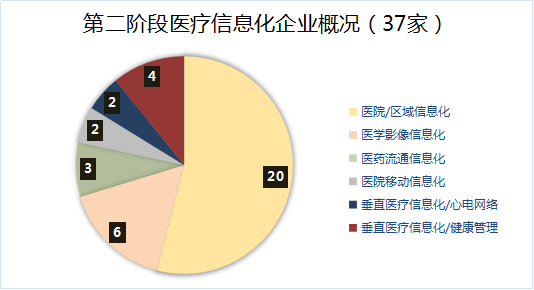
Driven by the 2003 SARS outbreak, the state increased investment in public health informatization to enhance operational management standards. A large number of information systems, such as the Health Emergency Command System, the Direct Reporting System for Health Statistics, the Maternal and Child Health Insurance System, and the New Rural Cooperative Medical Scheme (NRCMS) Management Information System, were successively launched. Consequently, during this phase, healthcare IT enterprises experienced a new minor peak in growth.
Furthermore, with the continuous advancement of medical imaging equipment in large healthcare institutions, Picture Archiving and Communication Systems (PACS) have gradually come to the forefront to enable unified storage and management of informational data from diverse devices, thereby heating up the market for medical imaging informatics.
Over this seven-year period, a total of 37 companies were established, showing a clear upward trend, with the number of newly founded enterprises doubling compared to the previous phase. Hospital informationization vendors remained the dominant force, while medical imaging informatics companies have emerged as the second-largest cohort.
Phase III, 2009–2013.
Data Source: VCBeat, VCBeat Database
In 2009, the Chinese government issued the "Opinions on Deepening the Reform of the Medical and Health Care System" and the "Implementation Plan for Key Tasks in the Recent Phase of Medical and Health Care System Reform (2009–2011)." Information technology was included in these documents as a critical support system, with the establishment of resident health records and electronic medical records prioritized as central components.
In 2012, the State Council issued the “Notice of the State Council on Printing and Distributing the Implementation Plan for Deepening the Reform of the Medical and Health Care System during the 12th Five-Year Plan Period.” The Notice stated that a tiered diagnosis and treatment system and a two-way referral system should be established, pilot programs for the primary care first-contact responsibility system should be actively promoted, and the proportion of outpatient and emergency visits at primary medical and health institutions relative to the total number of such visits should be significantly increased.
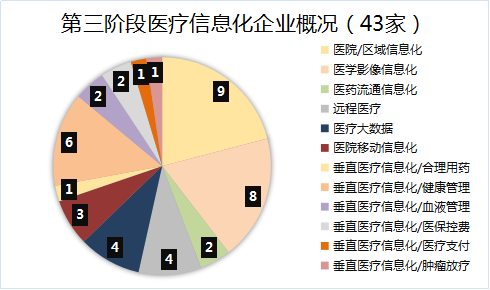
Amid the broader context of the “New Healthcare Reform,” healthcare IT enterprises have ushered in a new peak of development. During this period, 43 companies were established, marking another step up from the previous phase. Driven by the implementation of tiered diagnosis and treatment systems, there has been a noticeable increase in companies specializing in telemedicine. HealthMedical informatics solutions in vertical domains related to telemedicine, such as management and oncology radiotherapy, have successively emerged.
The development of cloud technology,GraduallyPrompting traditional healthcare IT enterprises to abandon legacy two-tier B/S and C/S architectures and embark on a transition toward private and public clouds, the cloud migration and opening up of medical data have not only spurred the emergence of healthcare big data analytics companies but also created opportunities for their entry into hospitals, while simultaneously giving rise to niche players in areas such as health insurance cost containment and rational drug use.
Phase IV, 2014 to present.
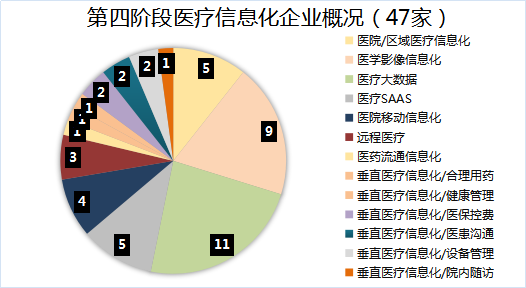
Data source: VCBeat, VBInsight database
In 2014, the State Council issued the “Notice on Key Tasks for Deepening the Reform of the Medical and Health Care System in 2014,” which called for prioritizing public hospital reform and further advancing the coordinated reforms of medical services, health insurance, and pharmaceuticals.
Following closely in 2015, the State Council issued the Guiding Opinions on Actively Promoting the “Internet Plus” Action, supporting third-party institutions in establishing information-sharing service platforms for medical imaging, health records, laboratory test reports, and electronic medical records, and gradually building a standardized system for cross-hospital medical data sharing and exchange. After the promulgation of this policy, nine medical imaging informatics companies were established in that year, marking the first time that the number of medical imaging informatics enterprises surpassed that of hospital/regional healthcare informatics enterprises, whileDue to years of development, the market landscape for hospital and regional healthcare informatization enterprises has become relatively stable, resulting in a significant decline in the number of newly established companies compared to the previous two stages.。
The protagonist of the fourth phase is neitherHospital/Regional Healthcare Informatics, NotMedical Imaging, but rather medical big data.In 2016, the State Council issued the “Guiding Opinions on Promoting and Standardizing the Application and Development of Health and Medical Big Data,” to strengthen the construction of a support system for health and medical big data. According to the 2015 White Paper on the Right to Development recently released by the State Council, China’s total health expenditure exceeded RMB 4 trillion in 2015, and the situation regarding cost containment within medical insurance has become increasingly severe. Leveraging medical big data for medical insurance cost control and health management enables data-driven oversight of unreasonable expenses. Consequently, this period marked a peak in development for companies specializing in medical big data.
1
New-Type Information-Based Enterprises Gained More Capital Favor in 2016
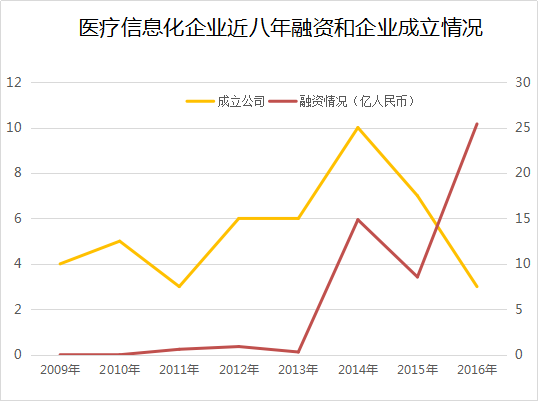
Data source: VCBeat, VBInsight database
Since publicly available financing information for healthcare IT companies largely dates back to 2009, VCBeat has compiled data on the number of startups and their funding amounts from 2009 to 2016, spanning nearly eight years (note: these investments did not necessarily occur in the same year as the companies’ establishment). A comparison reveals that capital investment and the number of newly established enterprises were largely synchronized. As mentioned earlier, the “Key Tasks for Deepening Healthcare System Reform in 2014,” a significant policy document, was issued in 2014. Consequently, that year saw a synergistic effect among policy, capital, and enterprises, resulting not only in a sharp increase in newly founded companies but also in substantial funding, which reached RMB 1.486 billion.
However, the peak was not in 2014, but this year. As of November, the total financing amount for healthcare IT companies in 2016 reached RMB 2.54 billion. A comparison of companies with disclosed financing information reveals that 12 companies secured funding in 2014, whereas 22 companies did so in 2016—nearly double the 2014 figure. This surge was unexpected in 2016, a year dubbed as a “capital winter.”
From a sectoral perspective, among the 12 companies that secured financing in 2014, five were engaged in the informatization of healthcare and health management, a trend closely linked to the “Several Opinions of the State Council on Promoting the Development of the Health Service Industry” issued in 2013. In 2016, among the 22 funded companies, those specializing in medical big data, hospital/regional healthcare informatization, and medical imaging informatization numbered six, five, and four, respectively, accounting for the vast majority.
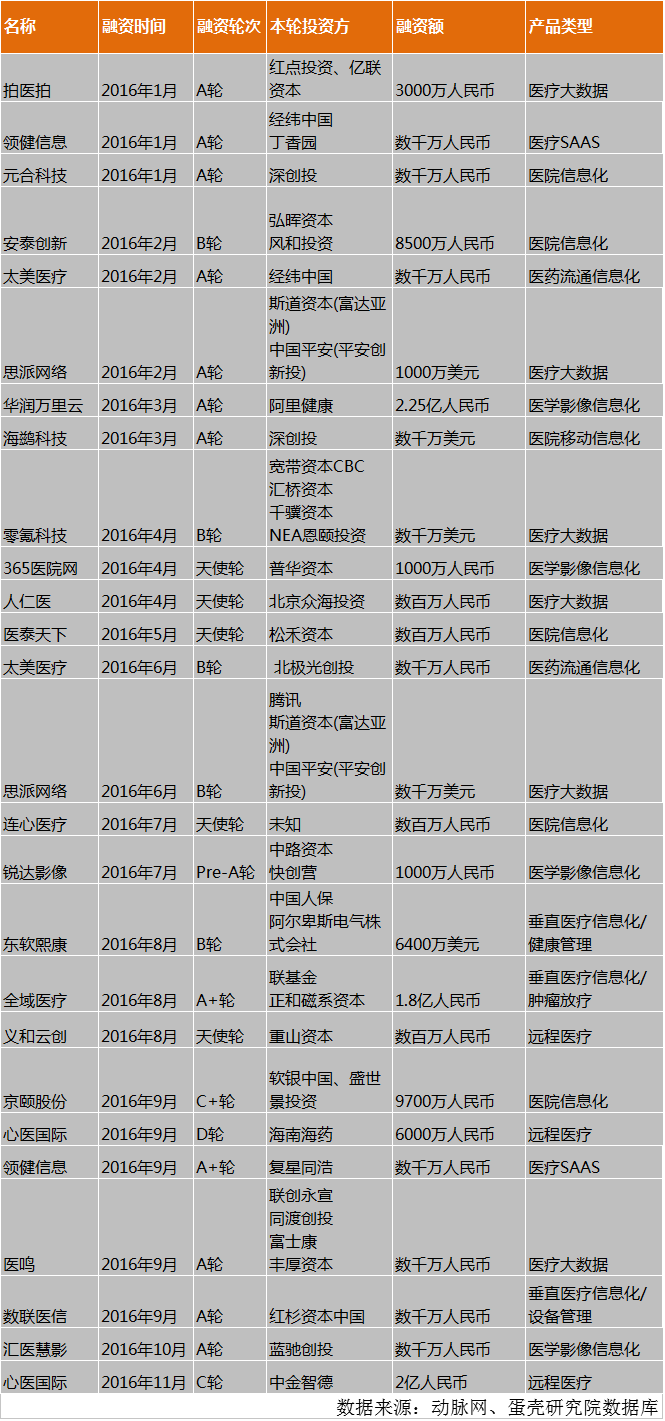
As previously discussed, against the backdrop of a series of policies on medical big data issued by the State Council in 2016, enterprises closely related to medical big data—including those involved in hospital/regional healthcare informatization and medical imaging informatization—have become key investment targets. Companies such as LinkDoc Technology, Spire Health, Kingyee Medical, and China Resources Wanliyun have successively secured large financing rounds amounting to tens of millions of US dollars. This demonstrates that policy is the primary factor guiding the flow of capital.
The following is the corporate financing information for 2016:
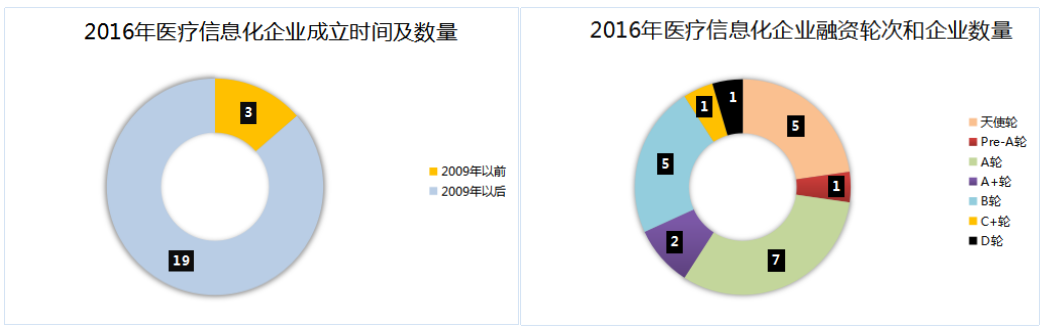
Data Source: VCBeat, Eggshell Research Institute Database
In 2016, there were a total of 22 companies in the healthcare IT sector.EnterpriseHaving secured financing, four companies—Sipei Network, Xinyi International, LinkDoc, and Taimei Medical Technology—each completed two rounds of funding. A combined analysis of company establishment dates and financing data reveals that among the 22 enterprises, only three were founded before 2009, while 19 were established in or after 2009. Evidently, companies founded in or after 2009 have found it relatively easier to attract investment, with financing activities predominantly concentrated at Series B and earlier stages.
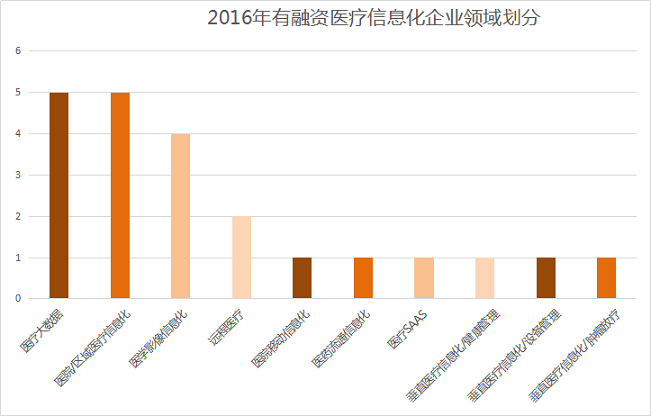
Data Source: VCBeat, VCBeat Database
From a sector-specific perspective, there are two reasons: first, enterprises established before 2009 were traditional health IT companies focused on hospital or regional healthcare informatization; second, those founded in 2009 and thereafter are predominantly new-generation health IT firms specializing in medical big data, medical imaging informatics, telemedicine, and healthcare SaaS.
Secondly, traditional healthcare IT enterprises have developed relatively mature business models after years of growth, resulting in modest financing needs. In contrast, new types of IT enterprises established since 2009—such as those focused on medical big data, medical imaging informatics, and healthcare SaaS—face strong demand for funding. On one hand, the continuous emergence of new technologies has spurred the creation of companies in more specialized segments. Most of these are technology-driven startups with short operating histories and weak market profitability, leading to robust financing needs. On the other hand, these enterprises often emerge in response to national healthcare policies, and capital tends to follow policy directions, making it relatively easier for them to secure funding. Their financing rounds are generally early-stage, typically below Series B.
2
A Scan of Major Financing Events in 2016
On January 5, 2016, Yuanhe Technology secured tens of millions of RMB in its Series A financing round from Shenzhen Capital Group. Dalian Yuanhe Technology is a healthcare informatics service provider, with its flagship product being the MediTO Healthcare Industry Solution. Leveraging structured medical and health data, it delivers software products and informatization services tailored to the specialized needs of hospitals.
On February 4, 2016, Antai Innovation completed an RMB 85 million Series B financing round, jointly invested by Honghui Capital and internet investor Wu Jiong. As a renowned domestic medical information system vendor, Antai Innovation has served more than 200 large hospitals since its establishment and has built core information systems for city-level smart healthcare and regional healthcare projects in Wuxi, Foshan, Yuxi, and other cities. The successful completion of this financing round will enable Antai Innovation to further enrich its products and nationwide service network, and systematically advance its internet healthcare offerings and innovative business models.
On August 25, 2016, Kyee Group completed its Series C+ financing round, raising RMB 97 million. The investors included SoftBank China, CDH Investments, and Shengshijing Investment. As one of the earliest healthcare IT companies in China to provide in-hospital mobile medical services, Kyee Group has established eight major business segments, covering mobile health, cloud-based Hospital Information Systems (HIS), public health, Hospital Resource Planning (HRP), supply chain platforms, Healthcare Customer Relationship Management (HCRM), nursing education, and the Internet of Things (IoT), thereby comprehensively positioning itself in the fields of digital hospitals and regional smart healthcare. Following this new round of financing, Kyee Group will continue to increase its investment in innovation and further deepen its presence in the smart healthcare sector.
On March 29, 2016, Alibaba Health issued an announcement stating that it would inject RMB 225 million into Wanli Cloud, a subsidiary of China Resources Wandong, thereby acquiring a 25% equity stake in the company. Wanli Cloud, also a subsidiary of China Resources Wandong, specializes in a cloud-based big data platform for medical imaging, facilitating efficient and professional connectivity among primary care hospitals, patients, and specialists. Currently, Wanli Cloud has established remote imaging centers in Beijing and Zhengzhou. Following this Series A financing round, the company plans to set up additional imaging centers in other regions across China.
On November 14, 2016, Winning Health International secured RMB 60 million in Series D financing, with the listed pharmaceutical company Hainan Haiyao as the investor. Following this round, Winning Health International’s valuation exceeded RMB 1 billion. The company’s core business involves building telemedicine information systems for hospitals at all levels. This financing will facilitate strategic cooperation between Winning Health International and portfolio companies of Hainan Haiyao, deepen penetration in key regional markets, and jointly create high-quality smart healthcare and tiered diagnosis and treatment service platforms.
On September 30, 2016, YiMing secured tens of millions of yuan in Series A financing from investors including Lianchuang Yongxuan, Tongdu Venture Capital, Foxconn, and Fenghou Capital. YiMing is a mobile internet company specializing in medical data services, dedicated to providing big data solutions in the healthcare sector via mobile platforms. It aims to establish specialized single-disease databases, covering electronic medical records and follow-up systems for cardiac intervention, hypertension, and peripheral vascular intervention on the cloud. Following this round of financing, YiMing will expand horizontally into fields such as cerebrovascular disease and neurology, accelerate the development of data products such as patient search engines, and leverage artificial intelligence to assist in disease diagnosis.
On August 29, 2016, All-in-One Medical completed its RMB 180 million Series A2 financing round, led by Zhenghe Cixi Capital and Lian Fund. All-in-One Medical is an oncology service provider specializing in precision cloud-based radiotherapy technology. By leveraging the mdaccAutoPlan radiotherapy planning algorithm and advanced technologies such as interoperability, big data, and cloud computing, the company aims to improve survival rates for cancer patients and elevate the standard of oncology care.
On June 3, 2016, Si Pai Network, a big data company specializing in oncology, completed a Series B financing round worth tens of millions of U.S. dollars. The investors included Tencent, FSD Capital (Fidelity International), and Ping An Group (Ping An Innovation Investment). Si Pai Network is a professional data platform focused on the field of oncology. Based on this platform, it develops intelligent diagnosis and treatment systems and provides comprehensive solutions to improve the level of cancer diagnosis and treatment as well as enhance the clinical work efficiency of physicians. Currently, the platform covers approximately 400 departments, involves 20 types of cancer diseases, and has accumulated nearly 100,000 case records.
On September 26, 2016, LinkCare Information secured tens of millions of RMB in Series A+ financing from Fosun Tonghao. LinkCare Information is transforming the dental healthcare industry through information technology by connecting hospitals, clinics, dentists, patients, data, third-party services, and supply chains, offering a cloud-based “e-Kanya” digital solution for dental outpatient practices. Following this round of financing, LinkCare Information will increase its investment in product and service innovation, with its dental practice management system as the core of its product ecosystem, to explore new models integrating healthcare and the internet, ultimately achieving digitization, mobilization, intelligence, social integration, and e-commerce enablement in dental healthcare.
On April 6, 2016, the telemedicine information service platform “365 Hospital Network” secured tens of millions of yuan in angel-round financing. This round was led by the Puhua Jingxin Guzhou Health Industry Fund, a new fund under Puhua Capital focused on the broader healthcare sector. 365 Hospital Network is a telemedicine information service platform that helps medical institutions access superior medical expert resources. The funds raised will be primarily used to expand the team and to implement previously accumulated client projects.
On May 29, 2016, Yitai Tianxia secured millions of yuan in angel investment from Sinoway Capital. Yitai Tianxia is a technology company that integrates medical resources to provide healthcare services to grassroots-level institutions via the internet.
3
The company is relatively large in scale.
Data source: VCBeat, VCBeat database
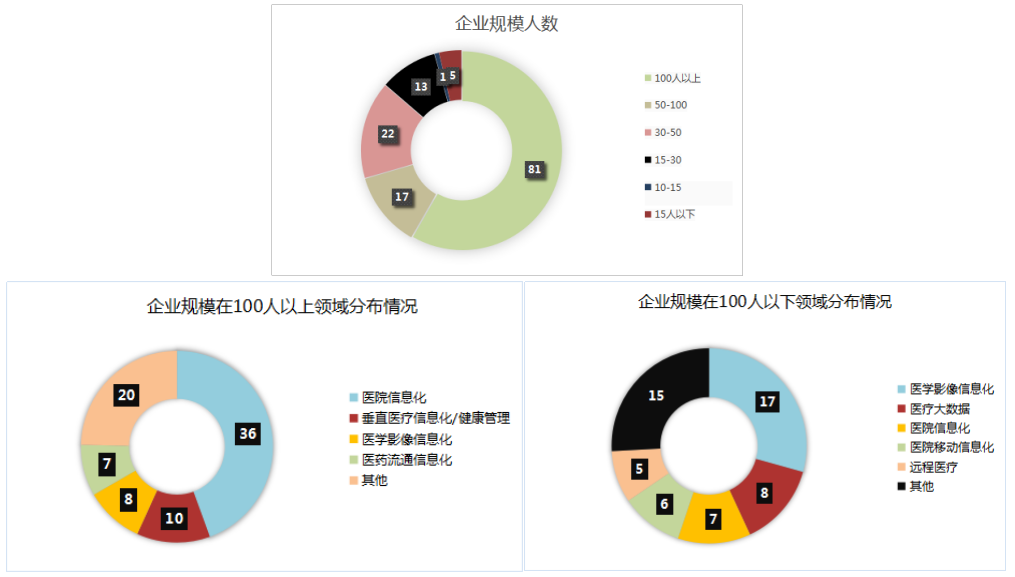
Corporate Scale: VCBeat categorizes companies into two groups for analysis—those with more than 100 employees and those with fewer than 100 employees. In terms of quantity, there are 81 companies with more than 100 employees and 63 companies with fewer than 100 employees, indicating a relatively larger number of larger-scale enterprises.
Based on publicly disclosed financing information, as of the end of November 2016, companies with fewer than 100 employees were primarily concentrated in the Angel, Series A, and Series A+ rounds; whereas the majority of companies with more than 100 employees had reached Series B or later stages.
Based on financing conditions and industry sector, companies that have not yet reached Series B funding and have fewer than 100 employees are primarily focused on medical big data and medical imaging informatics, such as Yiming and Yizhong Imaging. These two types of enterprises share two major commonalities. First, most were established after 2013, resulting in a short development cycle, unclear enterprise value, immature business models, and limited capital. Second, they are technology-driven companies; their workforce consists almost entirely of R&D personnel with few marketing staff, which constrains their scale. This also indirectly reflects the low level of marketization characteristic of such enterprises.
Companies at Series B or above (including Series B) with more than 100 employees, primarily focused on health management informatization and hospital informatization, such as Tianfangda and Jingyi Shares. As these two types of companies were established earlier and have deeply integrated with medical institutions, they have accumulated significant market experience over the years. They often possess a certain number of regional market teams, have relatively mature business models, and enjoy sufficient funding, resulting in generally larger scales.
4
Geographic Analysis of Startups
Data Source: VCBeat, Eggshell Research Institute Database
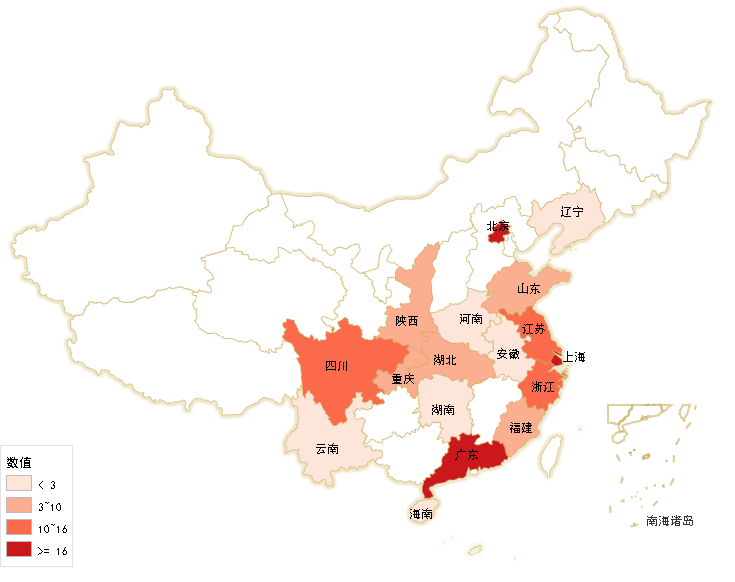
From a geographical perspective, healthcare IT companies are distributed across three tiers: the first tier comprises Beijing (49 companies), Shanghai (17 companies), and Guangdong (16 companies); the second tier includes Zhejiang (14 companies), Jiangsu (10 companies), and Sichuan (11 companies); and the third tier consists of Hubei Province with 5 companies. Given the close business ties between healthcare IT firms and medical institutions, the geographic concentration of Grade A tertiary hospitals in each region largely determines the regional distribution of these healthcare IT enterprises.
In terms of the distribution of Grade 3A hospitals across China, East China has the largest number, with over 140 such institutions. Excluding Shandong Province, the Yangtze River Delta region serves as a major hub. North China ranks second, with more than 120 Grade 3A hospitals, and Beijing is undoubtedly the city with the highest concentration in this region. Northeast China presents a relative exception; although it boasts over 100 Grade 3A hospitals, the harsh winter climate has resulted in a limited presence of enterprises. Central China is centered around Wuhan, hosting more than 90 Grade 3A hospitals. South China has over 80 such hospitals, with Guangdong Province alone accounting for more than 50. Southwest China is home to nearly 60 Grade 3A hospitals. As Sichuan is one of the most populous provinces in China, it naturally has a relatively large number of both hospitals and enterprises.
Data Source: VCBeat, Eggshell Research Institute Database
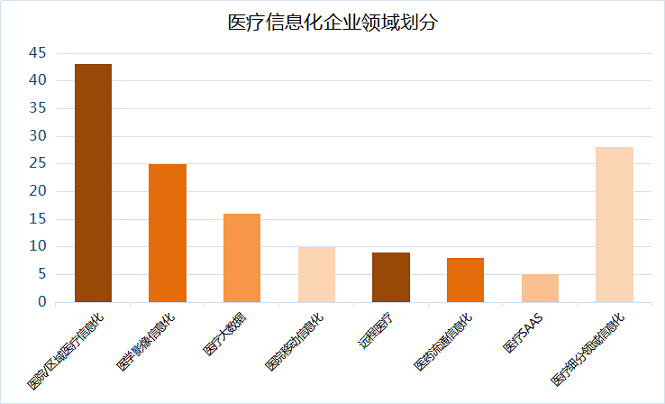
Classified by product form, healthcare IT products can be categorized into: hospital/regional healthcare information systems, medical imaging informatics, healthcare big data, mobile hospital information systems, telemedicine, pharmaceutical distribution informatization, healthcare SaaS, and niche-sector informatization.
1
Clear Industry Entry Points, Business Models Yet to Be Explored
The Four Major Entry Points of the Healthcare System Have Become Market Entry Points for Healthcare IT Companies:
Hospital Portal (Hospital/Regional Healthcare IT, Medical Imaging IT), Physician Portal (Mobile Healthcare IT, Telemedicine), Pharmaceutical Portal (Pharmaceutical Distribution IT), Health Insurance Portal (Niche Sector—Healthcare Cost Containment).
The following is an analysis of the six major areas of healthcare informatics:
1
Hospital/Regional Healthcare Informatics.At the current stage, the users of traditional health IT vendors (HIS, LIS, PACS, electronic medical records, etc.) are still primarily healthcare institutions.Through a tendering process, the hospital procures the information system, which the enterprise sells as a product, thereby generating long-term revenue from subsequent maintenance services.. With the development of national regional medical centers, the business focus of such companies has shifted from hospital-centric operations to regional healthcare informatization. Although their business models are relatively clear and straightforward, their revenue streams remain confined to software and services, and coupled with geographic limitations, these enterprises are prone to encountering growth bottlenecks.
2
Medical Imaging Informatics.Currently, in addition to traditional PACS system providers, third-party imaging cloud platforms and data analytics platforms are gradually becoming the industry mainstream. The development of artificial intelligence has enhanced these companies’ ability to extract medical value from large-scale medical imaging data, and this sector has attracted increasing capital interest over the past two years. However, acceptance among healthcare institutions—the B-end clients—remains relatively low. Constrained by limited clinical data volumes, the data-derived value generated by these enterprises is restricted, resulting in lukewarm enthusiasm from healthcare institutions as paying customers. Nevertheless, as the government gradually loosens restrictions on medical data and regional health informatization becomes more widespread, the medical value offered by these companies is expected to expand significantly.
3
Medical Big Data.Currently, companies in this sector primarily conduct their business along two main avenues. The first involves entering the medical big data market by focusing on single disease types, such as oncology, with an emphasis largely on data mining. However, a small number of enterprises have already integrated deep learning, a subset of artificial intelligence, into their big data analytics technologies; examples include Dashu Yida and Ban Ge Yi Sheng. The second avenue focuses on controlling health insurance expenditures by providing medical data mining and analysis services to the Human Resources and Social Security Bureau and the National Health and Family Planning Commission, as seen with Huashukang and Yinghai Medical. Due toCurrently, regional medical big data has not yet taken shape. Medical big data primarily originates from the information systems of individual hospitals, and the phenomenon of information silos is severe. This leads to multi-source heterogeneous big data and highly fragmented applications, meaning that industry barriers for these two models still persist.
4
Hospital Mobile Informatics.Such enterprises often started with mobile IT upgrades in hospitals, such as in-hospital Wi-Fi. However, due to their narrow business scope and difficulty in penetrating core medical processes, these companies are currently seeking transformation. The primary direction of this transformation is the increasingly popular internet hospital model, gradually expanding from superficial services like app development and Wi-Fi provision to more deeply integrated healthcare services, including appointment scheduling, online consultations, and telemedicine.
5
Telemedicine.From a business perspective, telemedicine can be categorized into four types: remote diagnosis, remote consultation, remote monitoring, and remote education. Currently, the vast majority of telemedicine companies are concentrated in the first two categories, entering the market with a comprehensive, all-department approach. A smaller number of companies, such as Visionary Telemedicine, have chosen to enter through specialized departments and specific diseases, such as ophthalmology and oncology. From the B2B perspective, integration with tertiary Grade A hospitals poses no significant challenges; the primary difficulty lies in connecting with primary healthcare institutions. As medical resources from tertiary Grade A hospitals are decentralized downward, collaboration and coordination with primary healthcare institutions are essential. Therefore, how telemedicine companies can leverage their advantages to facilitate the formation of medical consortia remains a key issue to address. Driven by the national policy promoting tiered diagnosis and treatment, financing conditions for such enterprises are currently favorable, with companies like Xinyi International and Visionary Telemedicine securing substantial funding rounds earlier this year.
6
Medical SaaS.The rapid emergence of companies in this field is closely linked to the maturation of cloud technology. The tiered diagnosis and treatment policy is driving the re-informatization of medical institutions. Medical SaaS offers robust data mining, data analysis, and scalability capabilities, and can even seamlessly integrate with services such as telemedicine. Consequently, its future potential within the tiered diagnosis and treatment framework is considerable. However, most such companies currently provide services to primary care institutions on a free-of-charge basis, and these users’ willingness to payoftenis relatively low, making it difficult to achieve profitability through value-added services. Therefore, how to establish a viable business model is a key consideration for medical SaaS enterprises.
2
The market potential is enormous.
Driven by new healthcare reform policies, spending on information technology (IT) infrastructure in China’s healthcare sector has continued to expand, with rapid growth observed across various product and service markets. According to statistics, total healthcare IT spending in China amounted to RMB 8.746 billion in 2009 and rose to RMB 17.076 billion in 2012. The market size for IT spending in China’s healthcare industry is projected to reach RMB 33.99 billion in 2016, representing a compound annual growth rate (CAGR) of 18.4% from 2011 to 2016. Total healthcare IT spending in China is expected to reach RMB 33.653 billion in 2017, with a CAGR of 14.53% over the period.
Data shows that although China’s investment in healthcare informatization has been growing rapidly, a significant gap remains compared with developed countries such as those in Europe and the United States. In 2012, IT spending in China’s healthcare sector accounted for 0.62% of total healthcare expenditures, whereas the corresponding figure in the United States was 1.94%. The proportion of healthcare informatization investment relative to total healthcare spending in China remains low. Furthermore, across the entire health services industry, China’s health services sector currently accounts for only about 5% of the country’s gross domestic product (GDP), while the United States had already reached 17.6% by 2009, indicating substantial growth potential for China’s health services industry. The market size of IT spending in China’s healthcare sector is projected to reach RMB 33.99 billion in 2016, with a compound annual growth rate (CAGR) of 18%.
3
Upstream Manufacturers Remain Stable, While Downstream Demand Continues to Grow
Healthcare informatization is categorized based on the upstream and downstream segments of the industry. The upstream segment comprises operating systems and middleware. The research and development of independent software technologies rely on support from upstream providers of operating systems, middleware, and development tools, primarily including IBM, Microsoft, and Oracle. The delivery of software products to downstream partners and end users for application also requires support from operating systems and middleware. Selecting supporting software with strong integration and compatibility facilitates secondary development by downstream partners and ensures reliable and stable operation of products delivered to end users. The downstream sector consists of end-user industries with demands for informatization construction, as well as partners such as system integrators and software developers.
Regarding upstream manufacturers, the software middleware industry is currently experiencing robust growth both domestically and internationally, with a stable supply-demand relationship. Except for a small number of specialized high-end products, there is no reliance on single-source supply channels in the market. The domestic middleware product sector is primarily dominated by several major software providers, all of which demonstrate consistent willingness to supply, thereby minimizing potential supply-side risks for the company. From the perspective of downstream customers, the demand for modernized enterprise management among various enterprises and administrative organizations serves as the internal driver for the rapid growth in industry demand. Meanwhile, national policies such as tiered diagnosis and treatment and the coordinated reform of medical services, health insurance, and pharmaceuticals act as external drivers for demand growth in downstream industries.
4
Future Development Trends
From the perspective of development trajectories, hospital informatization has reached a relatively mature stage at the individual institution level. By 2016, over 60% of hospitals had completed the implementation of Hospital Information Systems (HIS), with the next step focusing on achieving interoperability of data across hospitals. In the future, the development of regional healthcare informatization, mobile health, and medical insurance cost containment is expected to accelerate progressively.
Regional healthcare informatization will establish a standardized and interoperable health IT platform, enabling interconnectivity and data exchange among medical institutions across different regions. This initiative aims to facilitate integration with medical insurance systems, curb unreasonable pharmaceutical expenditures, and support the development of commercial health insurance.
Based on this year’s financing trends, medical big data and telemedicine are poised to become the next major investment hotspot in healthcare informatization.
By unlocking the value of big data in healthcare to achieve cost containment within medical insurance, we can improve the third-party payment system for health insurance. This will serve as a lever to drive comprehensive healthcare system reform and simultaneously promote the overall advancement of medical standards.
Telemedicine is a crucial component of the tiered diagnosis and treatment system. This year, several cities, including those in Guizhou and Sichuan provinces, have successively incorporated telemedicine into their medical insurance coverage with clearly defined pricing. As this policy expands to other cities, the field is poised for sustained growth over the next two years.
Copyright Statement
This report is produced by VCBeat. All text, images, and tables contained herein are protected by applicable trademark and copyright laws. Portions of the text and data have been sourced from publicly available information, with ownership retained by the original authors. No organization or individual may reproduce or distribute this report in any form without prior written permission from our company. Any unauthorized commercial use of this report shall constitute a violation of the Copyright Law of the People's Republic of China, other relevant laws and regulations, and applicable international conventions.
Disclaimer
This research report is based on information that VCBeat considers reliable and currently publicly available. VCBeat strives to, but does not guarantee, the accuracy and completeness of such information. Due to limitations in research methodologies, sample sizes, and the scope of data collection, the data presented herein only reflects the basic conditions of the surveyed population during the survey period. It serves solely for the current research purposes and provides a general reference for the market and clients. Furthermore, VCBeat does not guarantee that the opinions or statements contained in this report will remain unchanged. At different times, VCBeat may issue reports with information, opinions, and projections inconsistent with those contained herein.
VCBeat does not consider recipients of this report as its clients merely by virtue of their receipt thereof. This report is distributed only where permitted by applicable laws and regulations, solely for informational purposes, and shall not constitute any form of advertising. Under no circumstances shall the information contained herein or the opinions expressed therein be construed as investment advice to any person. Where permitted by law, VCBeat and its affiliates may hold equity interests in the companies mentioned in this report and may provide or seek to provide fundraising, financial advisory, or other related services to such companies.
Note: I am Hao Xueyang, an author at VCBeat. If you are an investor interested in the field of healthcare informatization or engaged inHealthcare Information TechnologyStartups seeking media coverage are welcome to connect with me. We also welcome tips on relevant companies. WeChat: hxy942416176; Email: hao.xy@vcbeat.top